Broomfield Residential Care
At a Glance
The information you need to decide whether this home warrants a closer look.
Residential homes
Staff warmth score
of reviewers answered yes
Good to know
- Registered beds40
- SpecialismsCaring for adults over 65 yrs, Dementia
- Last inspected2023-02-17
Save Broomfield Residential Care to your shortlist
Keep a running list, add visit notes, and compare homes side-by-side. Free account — it takes a minute.
STAGE 4 — RESEARCHING CARE HOMES
Visit homes. Compare them side by side. Choose with confidence.
Most of us will view care homes the way we view houses, impression, atmosphere, the feeling in the corridor. We go home, try to remember what we saw, and make a permanent decision from a blurred memory.

The DCC shortlist gives every home you visit a structured record: the same twelve questions, answered the same way, every time. When you’re ready to choose, pull any two homes side by side and compare them directly. Same criteria, same evidence, your notes and your scores.
The Evidence
What the review data, the inspection reports, and the dementia-care evidence base tell us about this home.
What families say
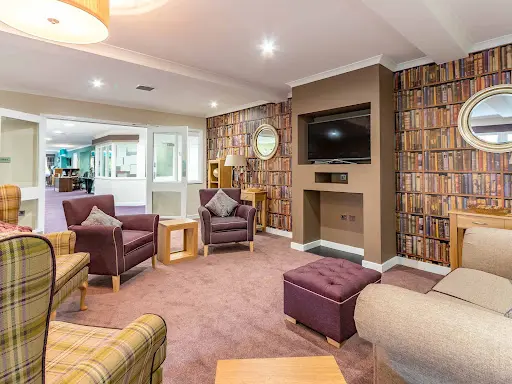
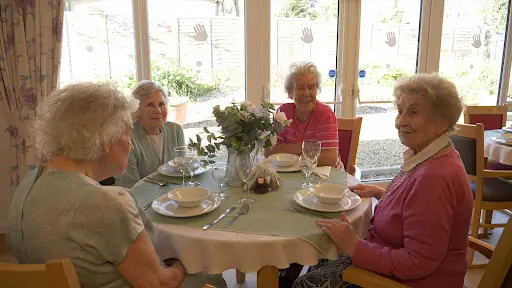
Families describe a bright, welcoming space where residents quickly form friendships over shared activities. The home runs a full programme of crafts, singing sessions and visiting entertainers, with staff skilled at drawing everyone in at their own pace. Even family dogs get a warm welcome during visits.
The eight family priority themes
- Staff warmth72
- Compassion & dignity72
- Cleanliness70
- Activities & engagement60
- Food quality60
- Healthcare68
- Management & leadership75
- Resident happiness70
What inspectors found
Inspected 2023-02-17
Is this home safe?
Is the care effective?
The inspection rated this domain Good, again an improvement from a previous Requires Improvement. The published text does not record specific findings about care plan quality, GP access, dementia training content, or food provision. The home specialises in dementia care for adults over 65, which means effective practice in this domain depends heavily on staff training, regularly reviewed care plans, and responsive healthcare access. No concerns were raised, but specific supporting evidence is not present in the published report.Is this home caring?
The inspection rated caring as Good. The published text does not include specific inspector observations about staff interactions, use of preferred names, response to distress, or privacy and dignity in practice. The home cares for people living with dementia, where the quality of everyday interactions, tone of voice, unhurried pace, and knowledge of the individual, matters as much as formal care processes. No concerns were recorded, but the absence of direct observations or resident and relative quotes means families cannot verify the texture of daily care from this report.Is the home responsive?
The inspection rated responsive as Good. The published text does not describe the activity programme, individual engagement for people who cannot join group activities, or how the home adapts to changing needs and preferences. For a home specialising in dementia care, responsiveness includes whether your parent has meaningful things to do each day tailored to who they are, not just what is available for everyone. No concerns were raised, but without specific findings it is not possible to assess whether activities are genuinely individual or primarily group-based.Is the home well-led?
The inspection rated well-led as Good, and this domain improved from a previous Requires Improvement rating alongside all others. The home has a named registered manager, Mrs Jaime Suzanne Albon, and a nominated individual, Mr Rahim Ismail. The published text does not describe how the manager is present and known to staff and residents, how the home learned from the previous inspection's concerns, or what governance systems are in place. The improvement across all five domains from a previous Requires Improvement is the strongest available signal of effective leadership, but the specifics are not documented in the published findings.
Source: CQC inspection report →
What the evidence base says
The home cares for people over 65, with particular experience supporting those living with dementia. Staff here understand that dementia affects everyone differently. They give residents the time they need, whether that's joining in group activities or preferring quieter moments, always maintaining their dignity through every stage. All areas worth probing directly during a visit.
The DCC Verdict
Our editorial view, built from the three lenses: what families tell us, what inspectors record, and how the home sits against good dementia-care practice.
DCC Family Score
Broomfield Residential Care scored 72 out of 100, reflecting a solid Good rating across all five inspection domains and a meaningful improvement from its previous Requires Improvement rating. However, the published inspection report contains limited specific observations, quotes, or detailed evidence, which means the score is based on confirmed ratings rather than rich descriptive findings.
Homes in South East typically score 68–82.The three-lens summary
What families tell us
Families describe a bright, welcoming space where residents quickly form friendships over shared activities. The home runs a full programme of crafts, singing sessions and visiting entertainers, with staff skilled at drawing everyone in at their own pace. Even family dogs get a warm welcome during visits.
What inspectors have recorded
What stands out is how well the team communicate. Families say their calls get answered quickly and they receive honest updates about their relative's wellbeing. The staff clearly know each resident well, taking time to treat everyone with respect even when dementia is advanced.
How it sits against good practice
If you're looking for consistent, respectful care in a sociable setting, Broomfield could be worth exploring.
Worth a visit
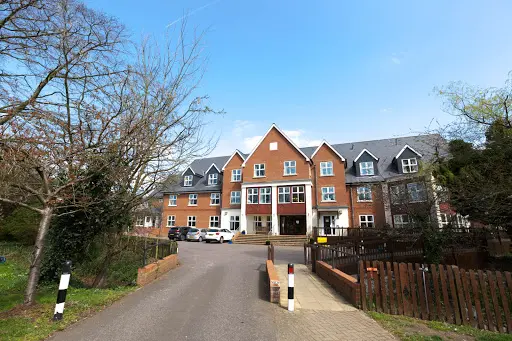
Broomfield Residential Care, on Yardley Road in Olney, was rated Good across all five inspection domains at its inspection on 31 January 2023, with the report published on 17 February 2023. This is a notable improvement from a previous rating of Requires Improvement, which tells you that the home recognised problems and acted on them. The home provides residential care for up to 40 adults over 65, including people living with dementia, and is run by Eminence Care Service (Broomfield) Limited under a named registered manager. The main limitation of this report is that the published text is brief and contains very few specific observations, direct quotes, or detailed examples to back up the Good ratings. That means families cannot rely on the inspection alone to understand what daily life looks like here. On a visit, pay particular attention to how staff interact with your parent in unscripted moments, whether the home feels calm and unhurried after lunch, and how the manager responds when you ask about the improvements made since the previous Requires Improvement rating.
The three questions to ask when you visitSave this home. Compare it against your shortlist.
Let our analysis show you how Broomfield Residential Care measures up against the other homes you’re considering. Free account.
In Their Own Words
How Broomfield Residential Care describes itself — collected from its own website. DCC has not edited or independently verified the content in this tab.
Where familiar faces help residents feel genuinely at home
Broomfield Residential Care – Expert Care in Olney
When your loved one needs dementia care, you want somewhere they'll truly settle. At Broomfield Residential Care in Olney, families talk about how quickly their relatives relax into the routine. The same carers who greet them at breakfast are there to help them to bed — that continuity matters when memory starts to fade.
Who they care for
The home cares for people over 65, with particular experience supporting those living with dementia.
Staff here understand that dementia affects everyone differently. They give residents the time they need, whether that's joining in group activities or preferring quieter moments, always maintaining their dignity through every stage.
“If you're looking for consistent, respectful care in a sociable setting, Broomfield could be worth exploring.”
DCC does not edit or curate content in this tab. For independently curated information, see The Evidence and DCC Verdict.
The DCC Verdict
Our editorial view, built from the three lenses: what families tell us, what inspectors record, and how the home sits against good dementia-care practice.
DCC Family Score
Broomfield Residential Care scored 72 out of 100, reflecting a solid Good rating across all five inspection domains and a meaningful improvement from its previous Requires Improvement rating. However, the published inspection report contains limited specific observations, quotes, or detailed evidence, which means the score is based on confirmed ratings rather than rich descriptive findings.
Homes in South East typically score 68–82.The three-lens summary
What families tell us
Families describe a bright, welcoming space where residents quickly form friendships over shared activities. The home runs a full programme of crafts, singing sessions and visiting entertainers, with staff skilled at drawing everyone in at their own pace. Even family dogs get a warm welcome during visits.
What inspectors have recorded
What stands out is how well the team communicate. Families say their calls get answered quickly and they receive honest updates about their relative's wellbeing. The staff clearly know each resident well, taking time to treat everyone with respect even when dementia is advanced.
How it sits against good practice
If you're looking for consistent, respectful care in a sociable setting, Broomfield could be worth exploring.
Worth a visit
Broomfield Residential Care, on Yardley Road in Olney, was rated Good across all five inspection domains at its inspection on 31 January 2023, with the report published on 17 February 2023. This is a notable improvement from a previous rating of Requires Improvement, which tells you that the home recognised problems and acted on them. The home provides residential care for up to 40 adults over 65, including people living with dementia, and is run by Eminence Care Service (Broomfield) Limited under a named registered manager. The main limitation of this report is that the published text is brief and contains very few specific observations, direct quotes, or detailed examples to back up the Good ratings. That means families cannot rely on the inspection alone to understand what daily life looks like here. On a visit, pay particular attention to how staff interact with your parent in unscripted moments, whether the home feels calm and unhurried after lunch, and how the manager responds when you ask about the improvements made since the previous Requires Improvement rating.
The three questions to ask when you visitSave this home. Compare it against your shortlist.
Let our analysis show you how Broomfield Residential Care measures up against the other homes you’re considering. Free account.
In Their Own Words
How Broomfield Residential Care describes itself — collected from its own website. DCC has not edited or independently verified the content in this tab.
Where familiar faces help residents feel genuinely at home
Broomfield Residential Care – Expert Care in Olney
When your loved one needs dementia care, you want somewhere they'll truly settle. At Broomfield Residential Care in Olney, families talk about how quickly their relatives relax into the routine. The same carers who greet them at breakfast are there to help them to bed — that continuity matters when memory starts to fade.
Who they care for
The home cares for people over 65, with particular experience supporting those living with dementia.
Staff here understand that dementia affects everyone differently. They give residents the time they need, whether that's joining in group activities or preferring quieter moments, always maintaining their dignity through every stage.
Management & ethos
What stands out is how well the team communicate. Families say their calls get answered quickly and they receive honest updates about their relative's wellbeing. The staff clearly know each resident well, taking time to treat everyone with respect even when dementia is advanced.
The home & environment
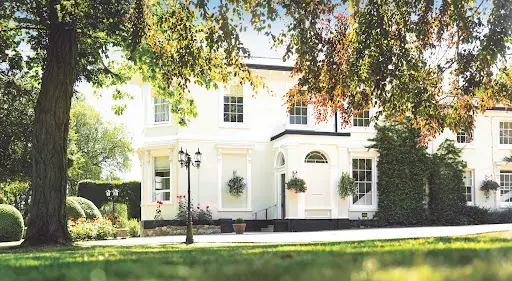
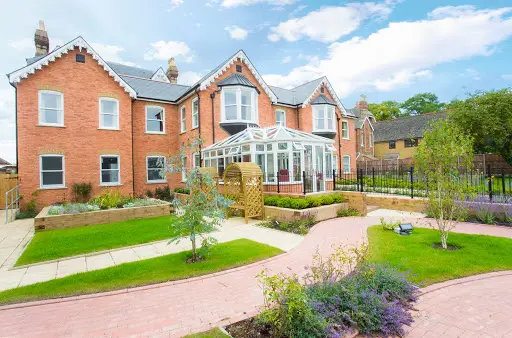
The home keeps everywhere spotless without feeling clinical — families mention how fresh and bright the spaces feel. There's a well-kept garden where some resident chickens provide entertainment, and meals offer proper choice with snacks and drinks always available.
“If you're looking for consistent, respectful care in a sociable setting, Broomfield could be worth exploring.”
DCC does not edit or curate content in this tab. For independently curated information, see The Evidence and DCC Verdict.