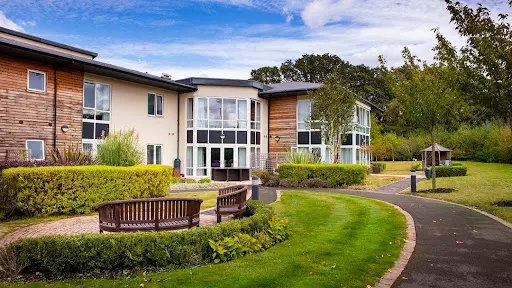
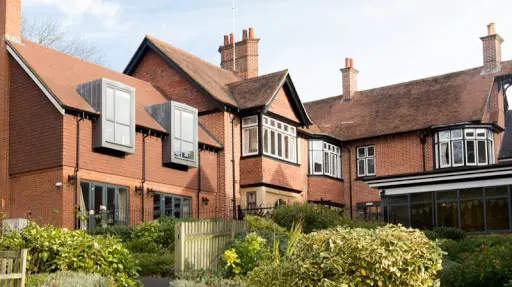
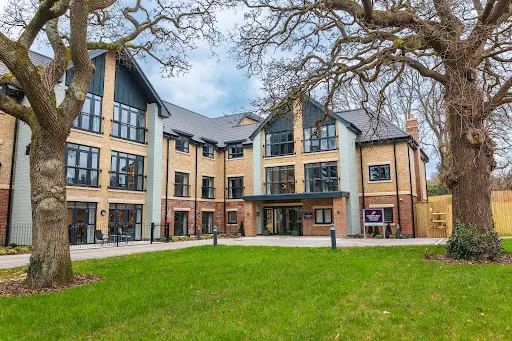
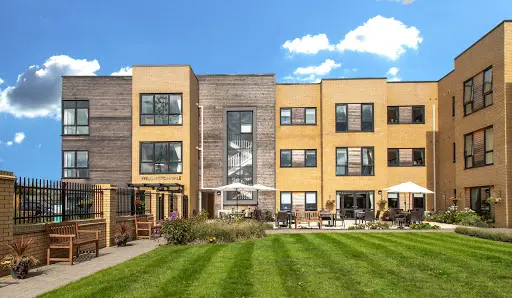
Beach Crest Residential Home
At a Glance
The information you need to decide whether this home warrants a closer look.
Residential homes
Staff warmth score
of reviewers answered yes
Good to know
- Registered beds11
- SpecialismsCaring for adults over 65 yrs, Dementia, Mental health conditions
- Last inspected2020-02-29
Save Beach Crest Residential Home to your shortlist
Keep a running list, add visit notes, and compare homes side-by-side. Free account — it takes a minute.
STAGE 4 — RESEARCHING CARE HOMES
Visit homes. Compare them side by side. Choose with confidence.
Most of us will view care homes the way we view houses, impression, atmosphere, the feeling in the corridor. We go home, try to remember what we saw, and make a permanent decision from a blurred memory.

The DCC shortlist gives every home you visit a structured record: the same twelve questions, answered the same way, every time. When you’re ready to choose, pull any two homes side by side and compare them directly. Same criteria, same evidence, your notes and your scores.
The Evidence
What the review data, the inspection reports, and the dementia-care evidence base tell us about this home.
What families say
The eight family priority themes
- Staff warmth55
- Compassion & dignity55
- Cleanliness55
- Activities & engagement50
- Food quality50
- Healthcare50
- Management & leadership60
- Resident happiness55
What inspectors found
Inspected 2020-02-29
Is this home safe?
Is the care effective?
Effective care was rated Good at the February 2020 inspection, covering training, care planning, healthcare access and food. No specific examples are provided in the published report — no mention of GP visit frequency, dementia training content, care plan review processes or dietary provision. The home is registered as a specialist dementia and mental health provider, which implies certain expectations of staff knowledge, but the inspection does not describe what training is actually in place.Is this home caring?
The Caring domain was rated Good at the February 2020 inspection, covering staff warmth, dignity, respect and independence. No resident or relative quotes are included in the published report, and no inspector observations of staff interactions are described. For a dementia-specialist home, the quality of moment-to-moment interactions — how staff respond to distress, whether they use preferred names, whether they allow time — is central to quality of life. None of this is visible in the available text.Is the home responsive?
Responsive care was rated Good at the February 2020 inspection, covering activities, individualised care and end-of-life planning. No specific activities are described, no mention of one-to-one engagement, no detail on how the home caters for people at different stages of dementia. For an 11-bed home with a mixed dementia and mental health population, the range and suitability of activities is a critical quality indicator that this report leaves entirely unaddressed.Is the home well-led?
Leadership was rated Good at the February 2020 inspection, with Dr Vallabhdas Faldu named as the Registered Manager. The improvement from Requires Improvement to Good across all domains suggests active leadership engagement in the period leading up to the inspection. However, the published report contains no description of management visibility, staff culture, governance systems or how the home handles complaints and incidents. The 2023 monitoring review found nothing to suggest quality had declined.
Source: CQC inspection report →
What the evidence base says
The team at Beach Crest specialises in dementia care and supporting people with mental health conditions. They provide residential care specifically for adults over 65. For residents living with dementia, Beach Crest offers specialist care in a setting designed to feel familiar and reassuring. The home's location near the coast provides pleasant surroundings. All areas worth probing directly during a visit.
The DCC Verdict
Our editorial view, built from the three lenses: what families tell us, what inspectors record, and how the home sits against good dementia-care practice.
DCC Family Score
Beach Crest achieved a Good rating across all five domains in February 2020 — an improvement from its previous Requires Improvement — but the inspection report contains very limited specific detail, meaning scores reflect the official rating without the granular evidence that would push them higher.
Homes in South East typically score 68–82.Worth a visit
Beach Crest Residential Home, a small 11-bed home in New Milton, was rated Good across all five inspection domains in February 2020 — a genuine improvement from its previous Requires Improvement rating. The home is registered to care for people living with dementia and mental health conditions alongside older adults, and has a named registered manager in place. The most recent review in July 2023 found no evidence to change that Good rating. However, the published inspection report contains almost no specific detail — no resident or family quotes, no inspector observations, no data on staffing levels, activities, food or dementia-specific care. This means the Good rating tells you the direction of travel is positive, but you cannot rely on this report alone to judge day-to-day quality. Before deciding, visit in person and ask directly: how many staff are on the dementia unit overnight, how is dementia training delivered, what does a typical day look like for a resident who can't join group activities, and how will the team keep you informed if your parent's condition changes.
The three questions to ask when you visitSave this home. Compare it against your shortlist.
Let our analysis show you how Beach Crest Residential Home measures up against the other homes you’re considering. Free account.
In Their Own Words
How Beach Crest Residential Home describes itself — collected from its own website. DCC has not edited or independently verified the content in this tab.
Specialist dementia care in a comfortable setting near the coast
Compassionate Care in New Milton at Beach Crest Residential Home
Beach Crest Residential Home in New Milton offers specialist support for people living with dementia and mental health conditions. This care home provides residential care for adults over 65, with a focus on creating a comfortable, familiar environment for residents.
Who they care for
The team at Beach Crest specialises in dementia care and supporting people with mental health conditions. They provide residential care specifically for adults over 65.
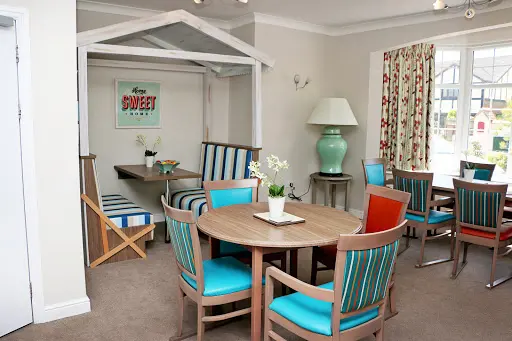
For residents living with dementia, Beach Crest offers specialist care in a setting designed to feel familiar and reassuring. The home's location near the coast provides pleasant surroundings.
“Beach Crest welcomes visits from families exploring care options in the New Milton area.”
DCC does not edit or curate content in this tab. For independently curated information, see The Evidence and DCC Verdict.
The DCC Verdict
Our editorial view, built from the three lenses: what families tell us, what inspectors record, and how the home sits against good dementia-care practice.
DCC Family Score
Beach Crest achieved a Good rating across all five domains in February 2020 — an improvement from its previous Requires Improvement — but the inspection report contains very limited specific detail, meaning scores reflect the official rating without the granular evidence that would push them higher.
Homes in South East typically score 68–82.Worth a visit
Beach Crest Residential Home, a small 11-bed home in New Milton, was rated Good across all five inspection domains in February 2020 — a genuine improvement from its previous Requires Improvement rating. The home is registered to care for people living with dementia and mental health conditions alongside older adults, and has a named registered manager in place. The most recent review in July 2023 found no evidence to change that Good rating. However, the published inspection report contains almost no specific detail — no resident or family quotes, no inspector observations, no data on staffing levels, activities, food or dementia-specific care. This means the Good rating tells you the direction of travel is positive, but you cannot rely on this report alone to judge day-to-day quality. Before deciding, visit in person and ask directly: how many staff are on the dementia unit overnight, how is dementia training delivered, what does a typical day look like for a resident who can't join group activities, and how will the team keep you informed if your parent's condition changes.
The three questions to ask when you visitSave this home. Compare it against your shortlist.
Let our analysis show you how Beach Crest Residential Home measures up against the other homes you’re considering. Free account.
In Their Own Words
How Beach Crest Residential Home describes itself — collected from its own website. DCC has not edited or independently verified the content in this tab.
Specialist dementia care in a comfortable setting near the coast
Compassionate Care in New Milton at Beach Crest Residential Home
Beach Crest Residential Home in New Milton offers specialist support for people living with dementia and mental health conditions. This care home provides residential care for adults over 65, with a focus on creating a comfortable, familiar environment for residents.
Who they care for
The team at Beach Crest specialises in dementia care and supporting people with mental health conditions. They provide residential care specifically for adults over 65.
For residents living with dementia, Beach Crest offers specialist care in a setting designed to feel familiar and reassuring. The home's location near the coast provides pleasant surroundings.
“Beach Crest welcomes visits from families exploring care options in the New Milton area.”
DCC does not edit or curate content in this tab. For independently curated information, see The Evidence and DCC Verdict.