Stratton Court Care Home

At a Glance
The information you need to decide whether this home warrants a closer look.
Nursing homes
Staff warmth score
of reviewers answered yes
Good to know
- Registered beds84
- SpecialismsCaring for adults over 65 yrs, Caring for adults under 65 yrs, Dementia, Physical disabilities, Sensory impairment
- Last inspected2023-07-12
Save Stratton Court Care Home to your shortlist
Keep a running list, add visit notes, and compare homes side-by-side. Free account — it takes a minute.
STAGE 4 — RESEARCHING CARE HOMES
Visit homes. Compare them side by side. Choose with confidence.
Most of us will view care homes the way we view houses, impression, atmosphere, the feeling in the corridor. We go home, try to remember what we saw, and make a permanent decision from a blurred memory.

The DCC shortlist gives every home you visit a structured record: the same twelve questions, answered the same way, every time. When you’re ready to choose, pull any two homes side by side and compare them directly. Same criteria, same evidence, your notes and your scores.
The Evidence
What the review data, the inspection reports, and the dementia-care evidence base tell us about this home.
What families say
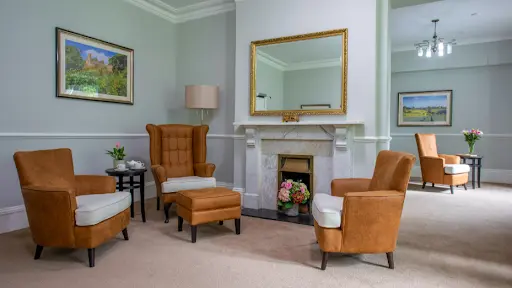
Families describe staff as friendly and welcoming, particularly during initial visits and enquiries. The home runs regular activities that keep residents engaged throughout the day. Many people mention how the building itself — with its spacious rooms and attractive furnishings — creates a more uplifting atmosphere than they'd expected from a care setting.
The eight family priority themes
- Staff warmth55
- Compassion & dignity55
- Cleanliness60
- Activities & engagement50
- Food quality50
- Healthcare55
- Management & leadership60
- Resident happiness55
What inspectors found
Inspected 2023-07-12
Is this home safe?
Is the care effective?
The June 2025 assessment returned a Good rating for Effective. No specific detail about care plan content, GP access, dementia training, or food quality is available in the published inspection text. The home holds a dementia specialism, which requires formal processes for training and assessment, but the depth and frequency of that training is not recorded in the available findings.Is this home caring?
The June 2025 assessment returned a Good rating for Caring. No specific observations about staff warmth, dignity, or respect for independence are recorded in the available inspection text. Staff warmth and compassion are the two most heavily weighted themes in family satisfaction data, accounting for 57.3% and 55.2% of positive reviews respectively, making this the domain where you will most want to gather your own direct evidence on a visit.Is the home responsive?
The June 2025 assessment returned a Good rating for Responsive. No specific detail about activities, individual engagement, or end-of-life planning is available in the published inspection text. The home cares for people with a range of needs including dementia, physical disabilities, and sensory impairment, which makes individually tailored activity provision particularly important.Is the home well-led?
The June 2025 assessment returned a Good rating for Well-led, a meaningful improvement from the home's Requires Improvement overall rating in July 2023. A Nominated Individual, Mrs Beatrice Emma Kelly, is recorded, indicating a named accountable person is in place. The home is run by Aura Care Living Cirencester Ltd. No specific detail about manager tenure, staff culture, or governance processes is available in the published inspection text.
Source: CQC inspection report →
What the evidence base says
Stratton Court cares for residents with physical disabilities, sensory impairments, and those both under and over 65. The home also provides dementia care within its broader residential setting. For residents living with dementia, the home's spacious layout and structured activity programme provide important routine and stimulation. The welcoming atmosphere that families notice can be particularly reassuring during what's often a difficult transition. All areas worth probing directly during a visit.
The DCC Verdict
Our editorial view, built from the three lenses: what families tell us, what inspectors record, and how the home sits against good dementia-care practice.
DCC Family Score
The overall score of 62 reflects the home's current Requires Improvement rating from the July 2023 inspection, alongside a newer June 2025 assessment that returned Good ratings across all five domains. The published inspection report for 2025 contains very limited specific detail, so scores are cautious rather than confident.
Homes in South West typically score 68–82.The three-lens summary
What families tell us
Families describe staff as friendly and welcoming, particularly during initial visits and enquiries. The home runs regular activities that keep residents engaged throughout the day. Many people mention how the building itself — with its spacious rooms and attractive furnishings — creates a more uplifting atmosphere than they'd expected from a care setting.
What inspectors have recorded
Staff are consistently described as approachable and friendly in their interactions with residents and visitors. Some families have experienced very efficient admission processes, with placements arranged within weeks when needed. However, there have been concerns raised about staffing levels at times, and some families have noticed delays in addressing day-to-day requests.
How it sits against good practice
If you're considering Stratton Court for someone you love, visiting will give you the clearest sense of whether it feels right for your family's needs.
Worth a visit
Stratton Court on Gloucester Road in Cirencester is an 84-bed nursing home run by Aura Care Living Cirencester Ltd. It holds specialisms in dementia, physical disabilities, and sensory impairment, caring for both adults over and under 65. The home was rated Requires Improvement at its last published inspection in July 2023. A more recent assessment was carried out in June 2025, with ratings of Good recorded across all five domains, though the full report for that assessment was not available at the time this Family View was produced. Because the published inspection text contains very limited specific detail, this Family View cannot yet give you the kind of granular, evidence-based picture that Stratton Court may well deserve. The June 2025 Good ratings are genuinely positive news, but the step from Requires Improvement to Good warrants careful scrutiny on a visit. Before you decide, ask to see the 2025 inspection report in full, request the staffing rotas for the past fortnight (particularly overnight shifts), and spend time in the communal areas observing how staff interact with residents during an unannounced drop-in rather than a scheduled tour.
The three questions to ask when you visitSave this home. Compare it against your shortlist.
Let our analysis show you how Stratton Court Care Home measures up against the other homes you’re considering. Free account.
In Their Own Words
How Stratton Court Care Home describes itself — collected from its own website. DCC has not edited or independently verified the content in this tab.
Beautiful Cirencester care home with grounds that feel like a retreat
Stratton Court – Expert Care in Cirencester
When families first visit Stratton Court in Cirencester, they often comment on how the spacious building and well-kept grounds create a sense of calm. The home welcomes residents with various needs, including those under 65, and the environment itself seems designed to lift spirits. It's clear that thought has gone into creating spaces where people can feel comfortable.
Who they care for
Stratton Court cares for residents with physical disabilities, sensory impairments, and those both under and over 65. The home also provides dementia care within its broader residential setting.
For residents living with dementia, the home's spacious layout and structured activity programme provide important routine and stimulation. The welcoming atmosphere that families notice can be particularly reassuring during what's often a difficult transition.
“If you're considering Stratton Court for someone you love, visiting will give you the clearest sense of whether it feels right for your family's needs.”
DCC does not edit or curate content in this tab. For independently curated information, see The Evidence and DCC Verdict.
The DCC Verdict
Our editorial view, built from the three lenses: what families tell us, what inspectors record, and how the home sits against good dementia-care practice.
DCC Family Score
The overall score of 62 reflects the home's current Requires Improvement rating from the July 2023 inspection, alongside a newer June 2025 assessment that returned Good ratings across all five domains. The published inspection report for 2025 contains very limited specific detail, so scores are cautious rather than confident.
Homes in South West typically score 68–82.The three-lens summary
What families tell us
Families describe staff as friendly and welcoming, particularly during initial visits and enquiries. The home runs regular activities that keep residents engaged throughout the day. Many people mention how the building itself — with its spacious rooms and attractive furnishings — creates a more uplifting atmosphere than they'd expected from a care setting.
What inspectors have recorded
Staff are consistently described as approachable and friendly in their interactions with residents and visitors. Some families have experienced very efficient admission processes, with placements arranged within weeks when needed. However, there have been concerns raised about staffing levels at times, and some families have noticed delays in addressing day-to-day requests.
How it sits against good practice
If you're considering Stratton Court for someone you love, visiting will give you the clearest sense of whether it feels right for your family's needs.
Worth a visit
Stratton Court on Gloucester Road in Cirencester is an 84-bed nursing home run by Aura Care Living Cirencester Ltd. It holds specialisms in dementia, physical disabilities, and sensory impairment, caring for both adults over and under 65. The home was rated Requires Improvement at its last published inspection in July 2023. A more recent assessment was carried out in June 2025, with ratings of Good recorded across all five domains, though the full report for that assessment was not available at the time this Family View was produced. Because the published inspection text contains very limited specific detail, this Family View cannot yet give you the kind of granular, evidence-based picture that Stratton Court may well deserve. The June 2025 Good ratings are genuinely positive news, but the step from Requires Improvement to Good warrants careful scrutiny on a visit. Before you decide, ask to see the 2025 inspection report in full, request the staffing rotas for the past fortnight (particularly overnight shifts), and spend time in the communal areas observing how staff interact with residents during an unannounced drop-in rather than a scheduled tour.
The three questions to ask when you visitSave this home. Compare it against your shortlist.
Let our analysis show you how Stratton Court Care Home measures up against the other homes you’re considering. Free account.
In Their Own Words
How Stratton Court Care Home describes itself — collected from its own website. DCC has not edited or independently verified the content in this tab.
Beautiful Cirencester care home with grounds that feel like a retreat
Stratton Court – Expert Care in Cirencester
When families first visit Stratton Court in Cirencester, they often comment on how the spacious building and well-kept grounds create a sense of calm. The home welcomes residents with various needs, including those under 65, and the environment itself seems designed to lift spirits. It's clear that thought has gone into creating spaces where people can feel comfortable.
Who they care for
Stratton Court cares for residents with physical disabilities, sensory impairments, and those both under and over 65. The home also provides dementia care within its broader residential setting.
For residents living with dementia, the home's spacious layout and structured activity programme provide important routine and stimulation. The welcoming atmosphere that families notice can be particularly reassuring during what's often a difficult transition.
Management & ethos
Staff are consistently described as approachable and friendly in their interactions with residents and visitors. Some families have experienced very efficient admission processes, with placements arranged within weeks when needed. However, there have been concerns raised about staffing levels at times, and some families have noticed delays in addressing day-to-day requests.
The home & environment
The grounds at Stratton Court give residents proper outdoor space to enjoy, something families really value. When meals arrive as planned, people praise both the taste and how they're presented. The building maintains high standards in its physical appearance, with furnishings and décor that feel more residential than institutional.
“If you're considering Stratton Court for someone you love, visiting will give you the clearest sense of whether it feels right for your family's needs.”
DCC does not edit or curate content in this tab. For independently curated information, see The Evidence and DCC Verdict.