Admiralty Care Home | Agincare
At a Glance
The information you need to decide whether this home warrants a closer look.
Residential homes
Staff warmth score
of reviewers answered yes
Good to know
- Registered beds55
- SpecialismsCaring for adults over 65 yrs, Caring for adults under 65 yrs, Dementia
- Last inspected2023-08-09
Save Admiralty Care Home | Agincare to your shortlist
Keep a running list, add visit notes, and compare homes side-by-side. Free account — it takes a minute.
STAGE 4 — RESEARCHING CARE HOMES
Visit homes. Compare them side by side. Choose with confidence.
Most of us will view care homes the way we view houses, impression, atmosphere, the feeling in the corridor. We go home, try to remember what we saw, and make a permanent decision from a blurred memory.

The DCC shortlist gives every home you visit a structured record: the same twelve questions, answered the same way, every time. When you’re ready to choose, pull any two homes side by side and compare them directly. Same criteria, same evidence, your notes and your scores.
The Evidence
What the review data, the inspection reports, and the dementia-care evidence base tell us about this home.
What families say
One family member shared how happy their relative has been since moving to Admiralty, feeling truly well looked after. The staff here seem to go out of their way to help — even tracking down and delivering a visitor's lost property when they could have simply waited for them to return.
The eight family priority themes
- Staff warmth72
- Compassion & dignity72
- Cleanliness70
- Activities & engagement68
- Food quality68
- Healthcare70
- Management & leadership72
- Resident happiness70
What inspectors found
Inspected 2023-08-09
Is this home safe?
Is the care effective?
The home was rated Good for Effective at the May 2025 inspection, suggesting that training, care planning, and healthcare access met inspection standards. Dementia is listed as a specialism, which means inspectors would have considered whether staff have appropriate skills and knowledge for this group. No specific detail about care plan content, GP access frequency, dementia training programmes, or food quality is recorded in the published findings.Is this home caring?
The home achieved a Good rating for Caring at the May 2025 inspection, which covers how staff interact with the people who live there, including warmth, dignity, respect, and support for independence. This is the domain most directly linked to day-to-day quality of life. No specific observations from inspectors, and no quotes from residents or relatives, are recorded in the published findings. The home had previously been rated Inadequate overall, so this Good rating represents a meaningful change in how inspectors assessed the quality of staff interactions.Is the home responsive?
The home was rated Good for Responsive at the May 2025 inspection, which covers whether the home meets individual needs, including activities, personalisation, and end-of-life planning. No specific detail about the activities programme, one-to-one engagement, or how individual preferences shape daily life is recorded in the published findings. The home supports people with dementia as well as adults under 65, which means the range of needs and interests among residents is likely to be wide.Is the home well-led?
The home was rated Good for Well-led at the May 2025 inspection, having previously been rated Inadequate overall. There is a named Registered Manager and a Nominated Individual recorded on the registration. The improvement from Inadequate to Good across all domains suggests that leadership changes or actions taken since the previous inspection have had a material effect. No specific detail about the manager's tenure, staff culture, governance processes, or how families are kept informed is recorded in the published findings.
Source: CQC inspection report →
What the evidence base says
Admiralty Care Home provides residential care for adults over 65, with specialist dementia support available. They also welcome younger adults who need residential care. For residents living with dementia, Admiralty offers dedicated support within their bright, recently refurbished environment. The well-staffed home means there's always someone nearby when residents need reassurance or assistance. All areas worth probing directly during a visit.
The DCC Verdict
Our editorial view, built from the three lenses: what families tell us, what inspectors record, and how the home sits against good dementia-care practice.
DCC Family Score
The home has moved from Inadequate to Good across all five domains in its most recent inspection, which is a meaningful improvement. However, because the published report contains very little specific detail beyond the ratings themselves, scores reflect the Good rating rather than strong direct evidence from inspector observations or resident testimony.
Homes in South East typically score 68–82.The three-lens summary
What families tell us
One family member shared how happy their relative has been since moving to Admiralty, feeling truly well looked after. The staff here seem to go out of their way to help — even tracking down and delivering a visitor's lost property when they could have simply waited for them to return.
What inspectors have recorded
What stands out at Admiralty is how well-staffed the home appears to be — visitors regularly notice there are plenty of team members around to help. The staff show real willingness to assist with whatever's needed, whether that's part of their usual duties or not.
How it sits against good practice
If you're looking for care in the Gillingham area, Admiralty's combination of fresh surroundings and attentive staffing might be worth exploring.
Worth a visit
Admiralty Care Home on Drewery Drive, Gillingham was rated Good across all five domains at its most recent inspection on 23 May 2025, a significant step forward from its previous Inadequate rating. This improvement matters: a home that has moved in the right direction under the same registered manager shows that meaningful change is possible, and inspectors were satisfied with safety, care, leadership, and effectiveness at the time of their visit. The main limitation for families right now is that the published inspection findings contain very little specific detail about what inspectors actually saw, heard, or read during their visit. The ratings tell you the direction of travel is positive, but they cannot tell you whether your dad is greeted by name each morning, whether the food is genuinely good, or how many carers are on overnight. A visit is essential. Use the checklist questions in this report, particularly around night staffing, agency staff use, dementia training, and how families are kept informed, to go beyond the headline rating.
The three questions to ask when you visitSave this home. Compare it against your shortlist.
Let our analysis show you how Admiralty Care Home | Agincare measures up against the other homes you’re considering. Free account.
In Their Own Words
How Admiralty Care Home | Agincare describes itself — collected from its own website. DCC has not edited or independently verified the content in this tab.
Fresh start in bright, well-staffed Gillingham care home
Compassionate Care in Gillingham at Admiralty Care Home
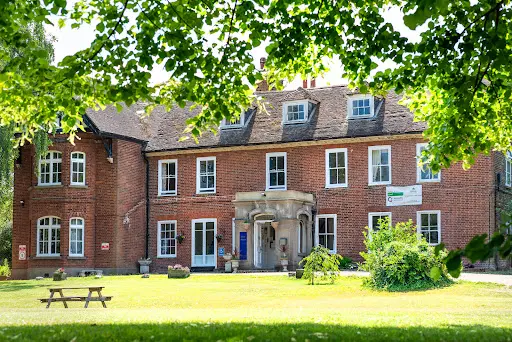
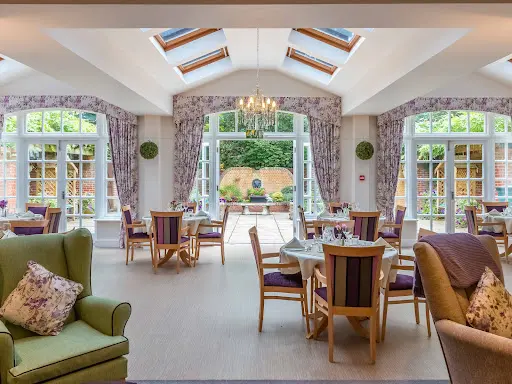
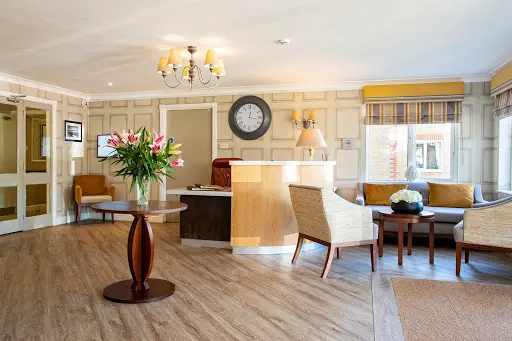
Sometimes a care home just feels right from the moment you walk in. Admiralty Care Home in Gillingham offers recently refurbished spaces where residents seem genuinely content. Families visiting here often comment on the bright atmosphere and how well-staffed the home feels throughout the day.
Who they care for
Admiralty Care Home provides residential care for adults over 65, with specialist dementia support available. They also welcome younger adults who need residential care.
For residents living with dementia, Admiralty offers dedicated support within their bright, recently refurbished environment. The well-staffed home means there's always someone nearby when residents need reassurance or assistance.
“If you're looking for care in the Gillingham area, Admiralty's combination of fresh surroundings and attentive staffing might be worth exploring.”
DCC does not edit or curate content in this tab. For independently curated information, see The Evidence and DCC Verdict.
The DCC Verdict
Our editorial view, built from the three lenses: what families tell us, what inspectors record, and how the home sits against good dementia-care practice.
DCC Family Score
The home has moved from Inadequate to Good across all five domains in its most recent inspection, which is a meaningful improvement. However, because the published report contains very little specific detail beyond the ratings themselves, scores reflect the Good rating rather than strong direct evidence from inspector observations or resident testimony.
Homes in South East typically score 68–82.The three-lens summary
What families tell us
One family member shared how happy their relative has been since moving to Admiralty, feeling truly well looked after. The staff here seem to go out of their way to help — even tracking down and delivering a visitor's lost property when they could have simply waited for them to return.
What inspectors have recorded
What stands out at Admiralty is how well-staffed the home appears to be — visitors regularly notice there are plenty of team members around to help. The staff show real willingness to assist with whatever's needed, whether that's part of their usual duties or not.
How it sits against good practice
If you're looking for care in the Gillingham area, Admiralty's combination of fresh surroundings and attentive staffing might be worth exploring.
Worth a visit
Admiralty Care Home on Drewery Drive, Gillingham was rated Good across all five domains at its most recent inspection on 23 May 2025, a significant step forward from its previous Inadequate rating. This improvement matters: a home that has moved in the right direction under the same registered manager shows that meaningful change is possible, and inspectors were satisfied with safety, care, leadership, and effectiveness at the time of their visit. The main limitation for families right now is that the published inspection findings contain very little specific detail about what inspectors actually saw, heard, or read during their visit. The ratings tell you the direction of travel is positive, but they cannot tell you whether your dad is greeted by name each morning, whether the food is genuinely good, or how many carers are on overnight. A visit is essential. Use the checklist questions in this report, particularly around night staffing, agency staff use, dementia training, and how families are kept informed, to go beyond the headline rating.
The three questions to ask when you visitSave this home. Compare it against your shortlist.
Let our analysis show you how Admiralty Care Home | Agincare measures up against the other homes you’re considering. Free account.
In Their Own Words
How Admiralty Care Home | Agincare describes itself — collected from its own website. DCC has not edited or independently verified the content in this tab.
Fresh start in bright, well-staffed Gillingham care home
Compassionate Care in Gillingham at Admiralty Care Home
Sometimes a care home just feels right from the moment you walk in. Admiralty Care Home in Gillingham offers recently refurbished spaces where residents seem genuinely content. Families visiting here often comment on the bright atmosphere and how well-staffed the home feels throughout the day.
Who they care for
Admiralty Care Home provides residential care for adults over 65, with specialist dementia support available. They also welcome younger adults who need residential care.
For residents living with dementia, Admiralty offers dedicated support within their bright, recently refurbished environment. The well-staffed home means there's always someone nearby when residents need reassurance or assistance.
Management & ethos
What stands out at Admiralty is how well-staffed the home appears to be — visitors regularly notice there are plenty of team members around to help. The staff show real willingness to assist with whatever's needed, whether that's part of their usual duties or not.
The home & environment
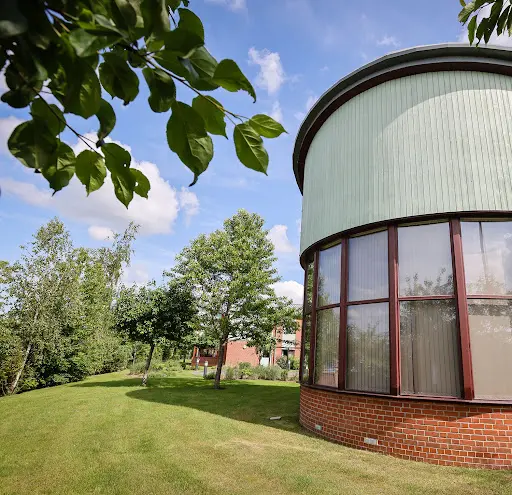
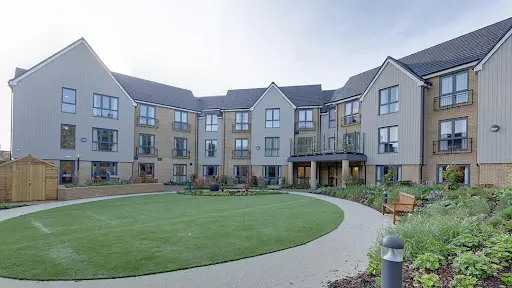
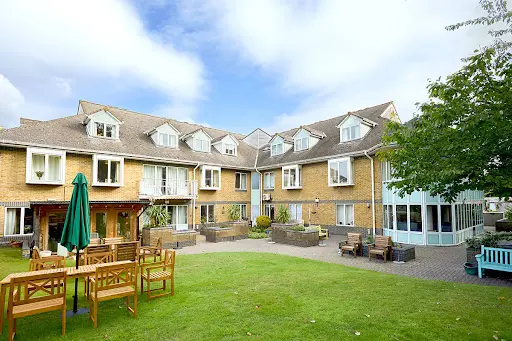
The recent refurbishment shows throughout Admiralty, with bright communal areas that feel fresh and welcoming. Each resident has their own en-suite room, giving that important bit of privacy and dignity. The gardens provide a pleasant outdoor space for those sunny afternoons.
“If you're looking for care in the Gillingham area, Admiralty's combination of fresh surroundings and attentive staffing might be worth exploring.”
DCC does not edit or curate content in this tab. For independently curated information, see The Evidence and DCC Verdict.