Adelaide Care Home
At a Glance
The information you need to decide whether this home warrants a closer look.
Nursing homes
Staff warmth score
of reviewers answered yes
Good to know
- Registered beds76
- SpecialismsCaring for adults over 65 yrs, Caring for adults under 65 yrs, Dementia, Mental health conditions, Physical disabilities, Sensory impairment
- Last inspected2023-11-15
Save Adelaide Care Home to your shortlist
Keep a running list, add visit notes, and compare homes side-by-side. Free account — it takes a minute.
STAGE 4 — RESEARCHING CARE HOMES
Visit homes. Compare them side by side. Choose with confidence.
Most of us will view care homes the way we view houses, impression, atmosphere, the feeling in the corridor. We go home, try to remember what we saw, and make a permanent decision from a blurred memory.

The DCC shortlist gives every home you visit a structured record: the same twelve questions, answered the same way, every time. When you’re ready to choose, pull any two homes side by side and compare them directly. Same criteria, same evidence, your notes and your scores.
The Evidence
What the review data, the inspection reports, and the dementia-care evidence base tell us about this home.
What families say
Families consistently describe the happiness they see in their loved ones here. There's a real energy to the place, with activities ranging from arts and crafts to sports sessions keeping residents engaged at whatever level suits them best. The staff seem to have mastered that delicate balance of providing support while preserving dignity and choice.
The eight family priority themes
- Staff warmth55
- Compassion & dignity55
- Cleanliness55
- Activities & engagement50
- Food quality50
- Healthcare55
- Management & leadership70
- Resident happiness55
What inspectors found
Inspected 2023-11-15
Is this home safe?
Is the care effective?
The Effective domain was rated Good. This covers training, care planning, healthcare access, and nutrition. The inspection does not detail specific findings on GP access, dementia training content, medication management, or how care plans are reviewed and updated. The home's specialisms include dementia and mental health conditions, which require staff with specific, up-to-date skills.Is this home caring?
The Caring domain was rated Good. This covers staff warmth, dignity, respect, and independence. The published report does not include specific observations of staff interactions, resident testimony about how they are treated, or examples of dignity in practice. The home supports people with a wide range of needs, including those who may have limited verbal communication.Is the home responsive?
The Responsive domain was rated Good. This covers activities, individual engagement, and end-of-life care. The published report does not include specific detail on the activities programme, whether one-to-one engagement is available for people unable to join groups, or how end-of-life plans are managed. The home supports people with dementia and other complex needs, for whom tailored individual activity is particularly important.Is the home well-led?
The Well-led domain was rated Good, and the home has a named registered manager, Mrs Shiella Davies, and a nominated individual, Mrs Natasha Southall. This represents a move up from Requires Improvement at the prior inspection, suggesting leadership has been active in driving improvement. The published report does not detail the manager's tenure, how staff are supported to raise concerns, or how the home uses feedback from residents and families.
Source: CQC inspection report →
What the evidence base says
Adelaide provides specialized support for residents with dementia, mental health conditions, physical disabilities, and sensory impairments. They care for adults both under and over 65, adapting their approach to suit different life stages and needs. The dementia unit has built a strong reputation over many years. Staff show particular skill in connecting with residents living with dementia, maintaining that crucial thread of compassion even through the most challenging moments. All areas worth probing directly during a visit.
The DCC Verdict
Our editorial view, built from the three lenses: what families tell us, what inspectors record, and how the home sits against good dementia-care practice.
DCC Family Score
Adelaide Care Home has improved from Requires Improvement to Good across all five inspection domains, which is a meaningful and positive step. However, the published inspection report contains very limited specific detail, so scores reflect confirmed ratings rather than rich observational evidence.
Homes in London typically score 68–82.The three-lens summary
What families tell us
Families consistently describe the happiness they see in their loved ones here. There's a real energy to the place, with activities ranging from arts and crafts to sports sessions keeping residents engaged at whatever level suits them best. The staff seem to have mastered that delicate balance of providing support while preserving dignity and choice.
What inspectors have recorded
The manager is known for being both approachable and knowledgeable, taking time to speak with families and staying involved in daily life at the home. Staff across all departments show that same openness — whether you're meeting with nurses, carers, or reception staff, there's a consistent friendliness that puts visitors at ease. Communication flows well, with families kept informed about their loved ones' wellbeing.
How it sits against good practice
Sometimes the best measure of a care home is simply watching residents during an ordinary afternoon — the contentment on faces speaks volumes.
Worth a visit
Adelaide Care Home in Bexleyheath was rated Good at its most recent inspection on 19 October 2023, with Good ratings across all five domains: Safe, Effective, Caring, Responsive, and Well-led. Importantly, this represents an improvement from a previous Requires Improvement rating, which suggests that leadership responded to earlier concerns and made real changes. The home is registered to support up to 76 people, including those living with dementia, mental health conditions, physical disabilities, and sensory impairments, and is run by Avery Homes (Nelson) Limited. The main limitation here is that the published inspection report contains very little specific observational detail, so it is not possible to say with confidence what daily life looks like for your parent. The Good rating is genuinely positive, and the improvement trend matters, but you will need to do your own fact-finding on a visit. Specifically, ask to see last week's actual staffing rota (not a template), find out the night-time staffing ratio for the dementia unit, check how often agency staff are used, and ask how care plans are reviewed and whether families are involved. Visit at a mealtime if you can, and watch how staff interact with residents in corridors and communal areas.
The three questions to ask when you visitSave this home. Compare it against your shortlist.
Let our analysis show you how Adelaide Care Home measures up against the other homes you’re considering. Free account.
In Their Own Words
How Adelaide Care Home describes itself — collected from its own website. DCC has not edited or independently verified the content in this tab.
Where kindness meets expertise in every interaction
Dedicated nursing home Support in Bexleyheath
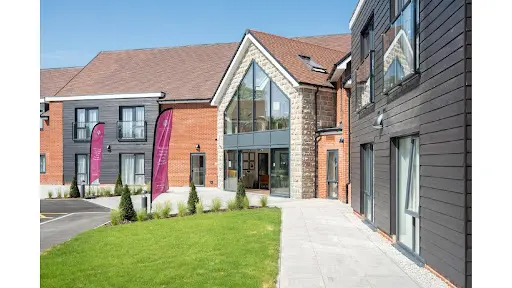
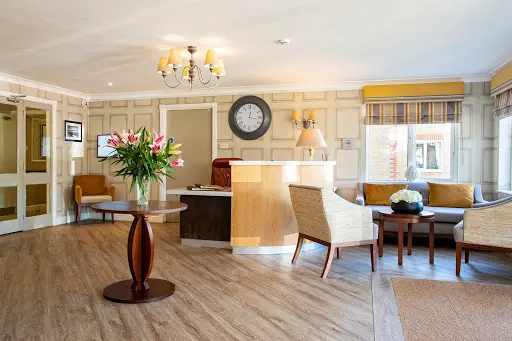
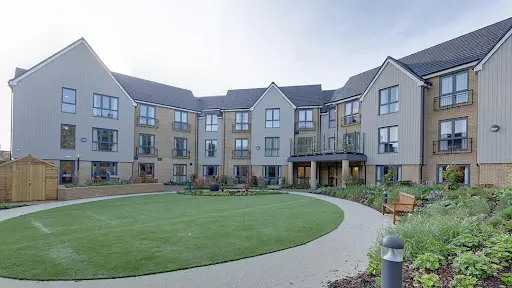
When families first visit Adelaide Care Home in Bexleyheath, they often mention feeling an immediate sense of relief. The warmth that greets you at the door carries through to every corner of this London care home. It's not just the spotless environment or the well-tended gardens — it's how staff genuinely connect with each resident as an individual.
Who they care for
Adelaide provides specialized support for residents with dementia, mental health conditions, physical disabilities, and sensory impairments. They care for adults both under and over 65, adapting their approach to suit different life stages and needs.
The dementia unit has built a strong reputation over many years. Staff show particular skill in connecting with residents living with dementia, maintaining that crucial thread of compassion even through the most challenging moments.
“Sometimes the best measure of a care home is simply watching residents during an ordinary afternoon — the contentment on faces speaks volumes.”
DCC does not edit or curate content in this tab. For independently curated information, see The Evidence and DCC Verdict.
The DCC Verdict
Our editorial view, built from the three lenses: what families tell us, what inspectors record, and how the home sits against good dementia-care practice.
DCC Family Score
Adelaide Care Home has improved from Requires Improvement to Good across all five inspection domains, which is a meaningful and positive step. However, the published inspection report contains very limited specific detail, so scores reflect confirmed ratings rather than rich observational evidence.
Homes in London typically score 68–82.The three-lens summary
What families tell us
Families consistently describe the happiness they see in their loved ones here. There's a real energy to the place, with activities ranging from arts and crafts to sports sessions keeping residents engaged at whatever level suits them best. The staff seem to have mastered that delicate balance of providing support while preserving dignity and choice.
What inspectors have recorded
The manager is known for being both approachable and knowledgeable, taking time to speak with families and staying involved in daily life at the home. Staff across all departments show that same openness — whether you're meeting with nurses, carers, or reception staff, there's a consistent friendliness that puts visitors at ease. Communication flows well, with families kept informed about their loved ones' wellbeing.
How it sits against good practice
Sometimes the best measure of a care home is simply watching residents during an ordinary afternoon — the contentment on faces speaks volumes.
Worth a visit
Adelaide Care Home in Bexleyheath was rated Good at its most recent inspection on 19 October 2023, with Good ratings across all five domains: Safe, Effective, Caring, Responsive, and Well-led. Importantly, this represents an improvement from a previous Requires Improvement rating, which suggests that leadership responded to earlier concerns and made real changes. The home is registered to support up to 76 people, including those living with dementia, mental health conditions, physical disabilities, and sensory impairments, and is run by Avery Homes (Nelson) Limited. The main limitation here is that the published inspection report contains very little specific observational detail, so it is not possible to say with confidence what daily life looks like for your parent. The Good rating is genuinely positive, and the improvement trend matters, but you will need to do your own fact-finding on a visit. Specifically, ask to see last week's actual staffing rota (not a template), find out the night-time staffing ratio for the dementia unit, check how often agency staff are used, and ask how care plans are reviewed and whether families are involved. Visit at a mealtime if you can, and watch how staff interact with residents in corridors and communal areas.
The three questions to ask when you visitSave this home. Compare it against your shortlist.
Let our analysis show you how Adelaide Care Home measures up against the other homes you’re considering. Free account.
In Their Own Words
How Adelaide Care Home describes itself — collected from its own website. DCC has not edited or independently verified the content in this tab.
Where kindness meets expertise in every interaction
Dedicated nursing home Support in Bexleyheath
When families first visit Adelaide Care Home in Bexleyheath, they often mention feeling an immediate sense of relief. The warmth that greets you at the door carries through to every corner of this London care home. It's not just the spotless environment or the well-tended gardens — it's how staff genuinely connect with each resident as an individual.
Who they care for
Adelaide provides specialized support for residents with dementia, mental health conditions, physical disabilities, and sensory impairments. They care for adults both under and over 65, adapting their approach to suit different life stages and needs.
The dementia unit has built a strong reputation over many years. Staff show particular skill in connecting with residents living with dementia, maintaining that crucial thread of compassion even through the most challenging moments.
Management & ethos
The manager is known for being both approachable and knowledgeable, taking time to speak with families and staying involved in daily life at the home. Staff across all departments show that same openness — whether you're meeting with nurses, carers, or reception staff, there's a consistent friendliness that puts visitors at ease. Communication flows well, with families kept informed about their loved ones' wellbeing.
The home & environment
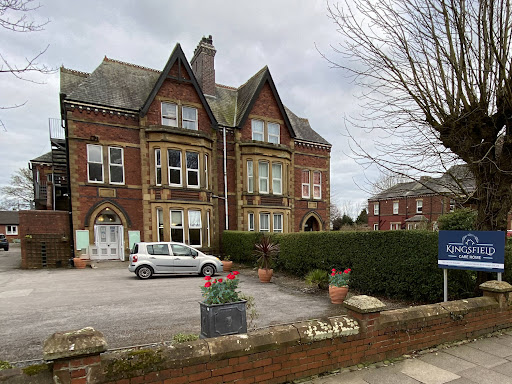
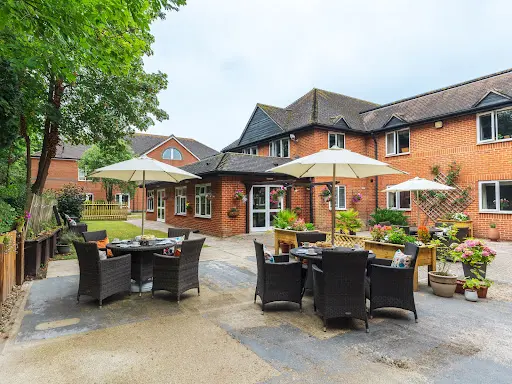
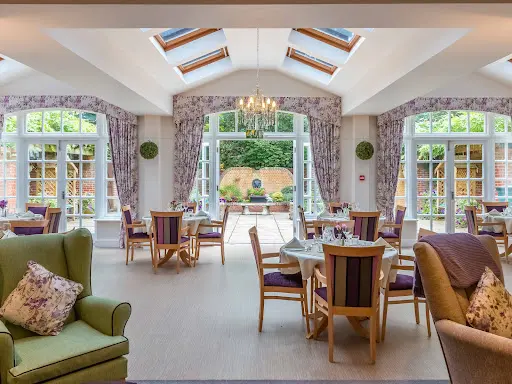
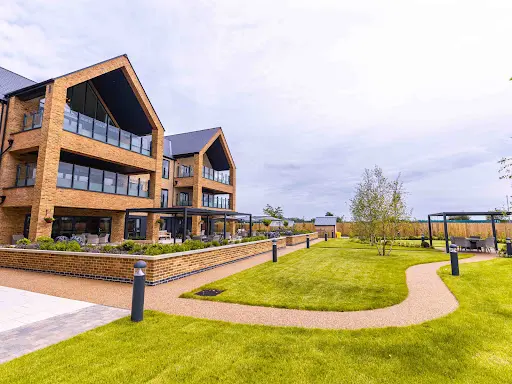
The home is kept immaculately clean, something visitors notice immediately. The gardens provide a peaceful retreat, and there's proper equipment throughout to support residents with varying physical needs. Mealtimes and daily routines flow smoothly, with staff taking time to ensure everyone's comfortable.
“Sometimes the best measure of a care home is simply watching residents during an ordinary afternoon — the contentment on faces speaks volumes.”
DCC does not edit or curate content in this tab. For independently curated information, see The Evidence and DCC Verdict.