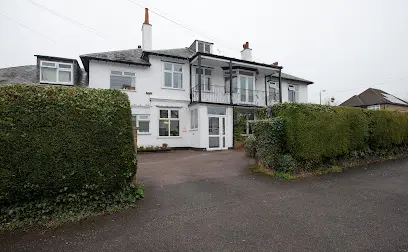
Willow Lodge Nursing Home
At a Glance
The information you need to decide whether this home warrants a closer look.
Nursing homes
Staff warmth score
of reviewers answered yes
Good to know
- Registered beds28
- SpecialismsDementia, Learning disabilities
- Last inspected2020-03-14
Save Willow Lodge Nursing Home to your shortlist
Keep a running list, add visit notes, and compare homes side-by-side. Free account — it takes a minute.
STAGE 4 — RESEARCHING CARE HOMES
Visit homes. Compare them side by side. Choose with confidence.
Most of us will view care homes the way we view houses, impression, atmosphere, the feeling in the corridor. We go home, try to remember what we saw, and make a permanent decision from a blurred memory.

The DCC shortlist gives every home you visit a structured record: the same twelve questions, answered the same way, every time. When you’re ready to choose, pull any two homes side by side and compare them directly. Same criteria, same evidence, your notes and your scores.
The Evidence
What the review data, the inspection reports, and the dementia-care evidence base tell us about this home.
What families say
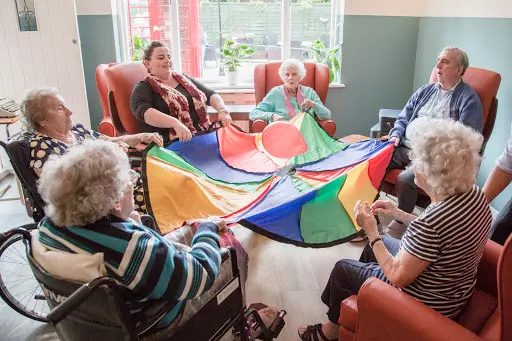
Some families report their relatives have shown real improvements after moving in, with one person starting to read and do puzzles again after becoming more settled. The therapeutic spaces and mobility equipment seem to make a genuine difference to residents' daily experiences.
The eight family priority themes
- Staff warmth55
- Compassion & dignity55
- Cleanliness55
- Activities & engagement50
- Food quality50
- Healthcare55
- Management & leadership60
- Resident happiness55
What inspectors found
Inspected 2020-03-14
Is this home safe?
Is the care effective?
The home was rated Good for effectiveness at its January 2020 inspection. The published report does not include specific findings on care plan quality, GP access frequency, dementia training content, or food and nutrition monitoring. The home carries a dementia specialism on its registration. No detail is available in the published findings on how often care plans are reviewed or whether families are included in that process.Is this home caring?
Willow Lodge Nursing Home was rated Good for caring at its January 2020 inspection. The published report does not include direct observations of staff interactions, resident testimony, or relative feedback on warmth, dignity, or respect. No specific examples of how staff use preferred names, protect privacy during personal care, or respond to distress are recorded in the published findings.Is the home responsive?
The home was rated Good for responsiveness at its January 2020 inspection. The published report does not include specific detail on activity provision, one-to-one engagement, complaints handling, or end-of-life care planning. The home lists dementia and learning disabilities as specialisms, which implies tailored provision, but no specific evidence of how individual preferences are identified or met is recorded.Is the home well-led?
Willow Lodge Nursing Home was rated Good for leadership at its January 2020 inspection. A registered manager, Miss Malgorzata Kanarkowska, is named in the registration record, along with two nominated individuals. The July 2023 monitoring review found no evidence requiring a reassessment of the rating. No specific observations of management visibility, staff culture, governance processes, or complaint handling are recorded in the published findings.
Source: CQC inspection report →
What the evidence base says
The home specialises in dementia care and supporting people with learning disabilities. They have the equipment and nursing expertise needed for residents with complex mobility and health needs. For residents living with dementia, the combination of therapeutic spaces and structured support appears particularly beneficial. The nursing team works to reduce distress and help residents maintain their interests where possible. All areas worth probing directly during a visit.
The DCC Verdict
Our editorial view, built from the three lenses: what families tell us, what inspectors record, and how the home sits against good dementia-care practice.
DCC Family Score
Willow Lodge Nursing Home was rated Good across all five inspection domains, but the published report contains very limited specific detail, observations, or testimony to go beyond that headline. The score of 68 reflects a genuine Good rating with insufficient published evidence to confirm what that looks like day to day.
Homes in London typically score 68–82.The three-lens summary
What families tell us
Some families report their relatives have shown real improvements after moving in, with one person starting to read and do puzzles again after becoming more settled. The therapeutic spaces and mobility equipment seem to make a genuine difference to residents' daily experiences.
What inspectors have recorded
Qualified nurses are on duty 24 hours a day, with a GP visiting weekly to review residents' health needs. Recent feedback suggests the home's approach to family communication varies considerably, with some families reporting prompt updates while others have experienced delays in being informed about incidents.
How it sits against good practice
If you're considering Willow Lodge, it's worth arranging a visit to discuss their approach to family communication and see how the facilities might suit your relative's needs.
Worth a visit
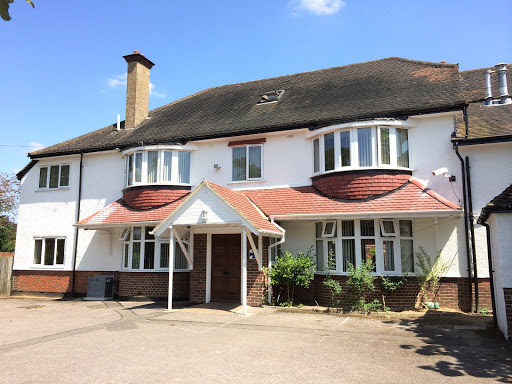
Willow Lodge Nursing Home, at 59 Burdon Lane, Sutton, was rated Good across all five inspection domains following an inspection on 30 January 2020. A monitoring review carried out in July 2023 found no evidence that this rating needed to be reassessed. The home is registered to provide nursing and personal care for up to 28 people, with listed specialisms in dementia and learning disabilities. The main limitation here is that the published inspection report contains very little specific detail: no direct observations of care, no resident or relative quotes, and no evidence of what day-to-day life actually looks like. A Good rating is meaningful but it was awarded more than five years ago, and the July 2023 review was a desk-based check rather than a visit. Before deciding, visit in person, ask to see last week's actual staffing rota, spend time in a communal area watching how staff interact with residents, and ask the manager directly how the home supports someone with dementia who cannot join group activities.
The three questions to ask when you visitSave this home. Compare it against your shortlist.
Let our analysis show you how Willow Lodge Nursing Home measures up against the other homes you’re considering. Free account.
In Their Own Words
How Willow Lodge Nursing Home describes itself — collected from its own website. DCC has not edited or independently verified the content in this tab.
Specialist nursing support for dementia and learning disabilities in Sutton
Willow Lodge Nursing Home – Your Trusted nursing home
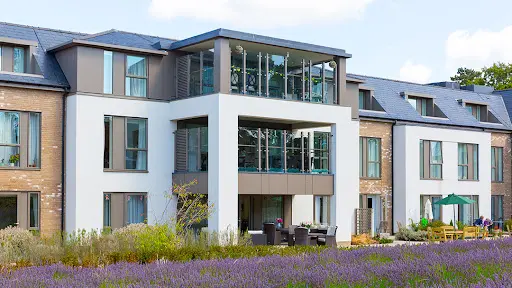
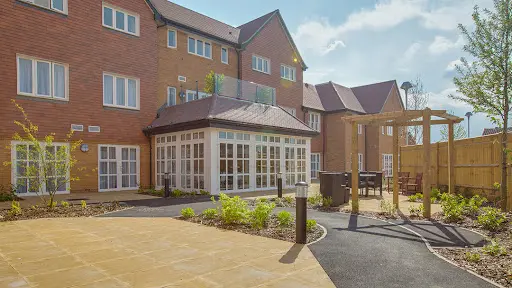
Willow Lodge Nursing Home in Sutton provides round-the-clock nursing care for people living with dementia and learning disabilities. The home has specialist equipment including hoists and adapted beds that help residents stay mobile and engaged. With a conservatory and accessible garden spaces, residents can enjoy time outside their rooms throughout the day.
Who they care for
The home specialises in dementia care and supporting people with learning disabilities. They have the equipment and nursing expertise needed for residents with complex mobility and health needs.
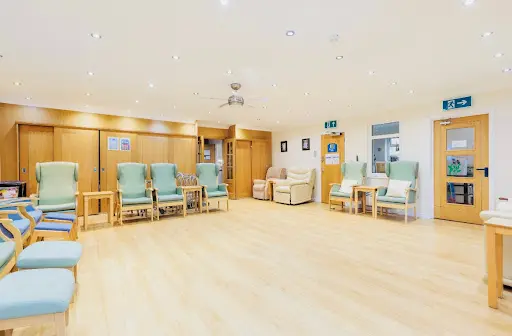
For residents living with dementia, the combination of therapeutic spaces and structured support appears particularly beneficial. The nursing team works to reduce distress and help residents maintain their interests where possible.
“If you're considering Willow Lodge, it's worth arranging a visit to discuss their approach to family communication and see how the facilities might suit your relative's needs.”
DCC does not edit or curate content in this tab. For independently curated information, see The Evidence and DCC Verdict.
The DCC Verdict
Our editorial view, built from the three lenses: what families tell us, what inspectors record, and how the home sits against good dementia-care practice.
DCC Family Score
Willow Lodge Nursing Home was rated Good across all five inspection domains, but the published report contains very limited specific detail, observations, or testimony to go beyond that headline. The score of 68 reflects a genuine Good rating with insufficient published evidence to confirm what that looks like day to day.
Homes in London typically score 68–82.The three-lens summary
What families tell us
Some families report their relatives have shown real improvements after moving in, with one person starting to read and do puzzles again after becoming more settled. The therapeutic spaces and mobility equipment seem to make a genuine difference to residents' daily experiences.
What inspectors have recorded
Qualified nurses are on duty 24 hours a day, with a GP visiting weekly to review residents' health needs. Recent feedback suggests the home's approach to family communication varies considerably, with some families reporting prompt updates while others have experienced delays in being informed about incidents.
How it sits against good practice
If you're considering Willow Lodge, it's worth arranging a visit to discuss their approach to family communication and see how the facilities might suit your relative's needs.
Worth a visit
Willow Lodge Nursing Home, at 59 Burdon Lane, Sutton, was rated Good across all five inspection domains following an inspection on 30 January 2020. A monitoring review carried out in July 2023 found no evidence that this rating needed to be reassessed. The home is registered to provide nursing and personal care for up to 28 people, with listed specialisms in dementia and learning disabilities. The main limitation here is that the published inspection report contains very little specific detail: no direct observations of care, no resident or relative quotes, and no evidence of what day-to-day life actually looks like. A Good rating is meaningful but it was awarded more than five years ago, and the July 2023 review was a desk-based check rather than a visit. Before deciding, visit in person, ask to see last week's actual staffing rota, spend time in a communal area watching how staff interact with residents, and ask the manager directly how the home supports someone with dementia who cannot join group activities.
The three questions to ask when you visitSave this home. Compare it against your shortlist.
Let our analysis show you how Willow Lodge Nursing Home measures up against the other homes you’re considering. Free account.
In Their Own Words
How Willow Lodge Nursing Home describes itself — collected from its own website. DCC has not edited or independently verified the content in this tab.
Specialist nursing support for dementia and learning disabilities in Sutton
Willow Lodge Nursing Home – Your Trusted nursing home
Willow Lodge Nursing Home in Sutton provides round-the-clock nursing care for people living with dementia and learning disabilities. The home has specialist equipment including hoists and adapted beds that help residents stay mobile and engaged. With a conservatory and accessible garden spaces, residents can enjoy time outside their rooms throughout the day.
Who they care for
The home specialises in dementia care and supporting people with learning disabilities. They have the equipment and nursing expertise needed for residents with complex mobility and health needs.
For residents living with dementia, the combination of therapeutic spaces and structured support appears particularly beneficial. The nursing team works to reduce distress and help residents maintain their interests where possible.
Management & ethos
Qualified nurses are on duty 24 hours a day, with a GP visiting weekly to review residents' health needs. Recent feedback suggests the home's approach to family communication varies considerably, with some families reporting prompt updates while others have experienced delays in being informed about incidents.
The home & environment
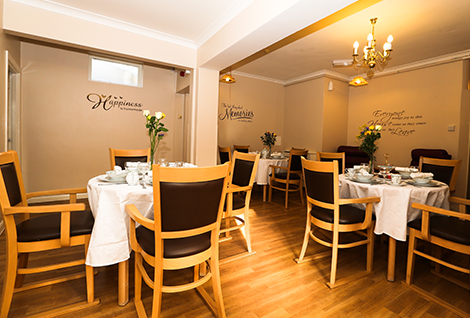
The kitchen team provides meals tailored to individual dietary requirements, with choice available at mealtimes. The conservatory and garden offer accessible outdoor spaces where residents can spend time when the weather permits.
“If you're considering Willow Lodge, it's worth arranging a visit to discuss their approach to family communication and see how the facilities might suit your relative's needs.”
DCC does not edit or curate content in this tab. For independently curated information, see The Evidence and DCC Verdict.