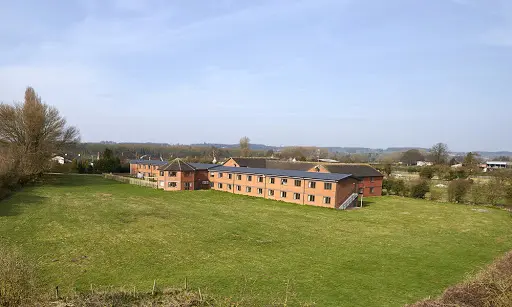
Wilbraham House Ltd

At a Glance
The information you need to decide whether this home warrants a closer look.
Residential homes
Staff warmth score
of reviewers answered yes
Good to know
- Registered beds35
- SpecialismsCaring for adults over 65 yrs, Caring for adults under 65 yrs, Dementia, Learning disabilities, Physical disabilities
- Last inspected2021-10-06
Save Wilbraham House Ltd to your shortlist
Keep a running list, add visit notes, and compare homes side-by-side. Free account — it takes a minute.
STAGE 4 — RESEARCHING CARE HOMES
Visit homes. Compare them side by side. Choose with confidence.
Most of us will view care homes the way we view houses, impression, atmosphere, the feeling in the corridor. We go home, try to remember what we saw, and make a permanent decision from a blurred memory.

The DCC shortlist gives every home you visit a structured record: the same twelve questions, answered the same way, every time. When you’re ready to choose, pull any two homes side by side and compare them directly. Same criteria, same evidence, your notes and your scores.
The Evidence
What the review data, the inspection reports, and the dementia-care evidence base tell us about this home.
What families say
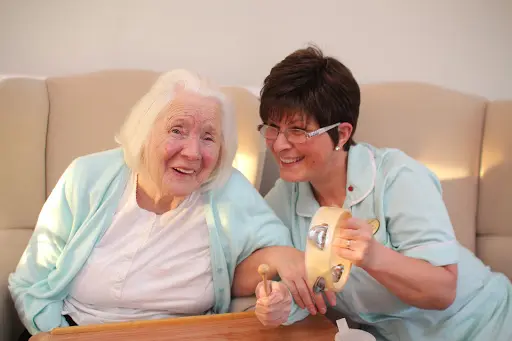
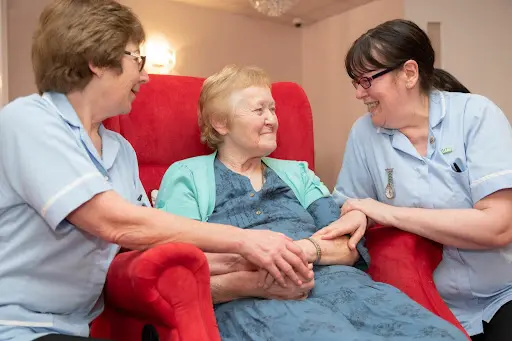
Families describe how staff here really notice what's happening with residents, catching the small changes that matter. There's a sense that people are genuinely looked after, with staff who stay alert to individual needs and keep families properly informed about their loved one's wellbeing.
The eight family priority themes
- Staff warmth72
- Compassion & dignity72
- Cleanliness70
- Activities & engagement60
- Food quality60
- Healthcare65
- Management & leadership75
- Resident happiness70
What inspectors found
Inspected 2021-10-06
Is this home safe?
Is the care effective?
The Effective domain was rated Good at the September 2021 inspection. This domain covers training, care planning, healthcare access, nutrition, and how well the home translates knowledge into practice. The published text does not include specific examples of care plan content, dementia training records, or how GP access is arranged. The Good rating indicates inspectors were satisfied with effectiveness overall, but no supporting detail is available in the published findings.Is this home caring?
The Caring domain was rated Good at the September 2021 inspection. This domain assesses staff warmth, dignity, respect, and whether people are supported to maintain their independence. The published report contains no direct quotes from residents or relatives and no specific inspector observations of staff interactions. The Good rating indicates inspectors did not identify concerns in this area, but the evidence base for this domain is thin in the published text.Is the home responsive?
The Responsive domain was rated Good at the September 2021 inspection. This domain covers activities, individuality, complaint handling, and end-of-life care. The published report does not include detail about the activities programme, one-to-one engagement, or how the home tailors its response to individual needs and preferences. The Good rating indicates inspectors were satisfied at the time of the visit, but no supporting specifics are available.Is the home well-led?
The Well-led domain was rated Good at the September 2021 inspection, following a previous Requires Improvement rating. The registered manager, Ms Tracy Hodgson, is also the nominated individual, which means she holds direct personal responsibility for the quality and safety of the home. The published text does not include detail about management culture, staff feedback mechanisms, or governance systems. The improvement from Requires Improvement to Good in this domain is a meaningful indicator of progress.
Source: CQC inspection report →
What the evidence base says
The home cares for adults both under and over 65 with a range of needs including physical disabilities and learning disabilities. They've shown flexibility in taking emergency respite residents when families are in crisis, maintaining consistent care standards even at short notice. Dementia care forms a key part of what they do here, with staff who understand how to support both residents and families through the progression of memory loss. The structured activity programme helps residents stay engaged while giving families chances to be involved in their loved one's daily life. All areas worth probing directly during a visit.
The DCC Verdict
Our editorial view, built from the three lenses: what families tell us, what inspectors record, and how the home sits against good dementia-care practice.
DCC Family Score
Wilbraham House has improved from Requires Improvement to Good across all five inspection domains, which is a meaningful and positive step. However, the published inspection text is limited in specific detail, so many scores reflect the rating itself rather than rich, observed evidence.
Homes in West Midlands typically score 68–82.The three-lens summary
What families tell us
Families describe how staff here really notice what's happening with residents, catching the small changes that matter. There's a sense that people are genuinely looked after, with staff who stay alert to individual needs and keep families properly informed about their loved one's wellbeing.
What inspectors have recorded
The management team has brought in positive changes recently that families have noticed and appreciated. What stands out is how staff handle the hardest times — several families have shared how supported they felt during end-of-life care, with staff showing real compassion when it mattered most.
How it sits against good practice
Sometimes you just need to know that a place will be there when things get tough — Wilbraham House seems to be that kind of home.
Worth a visit
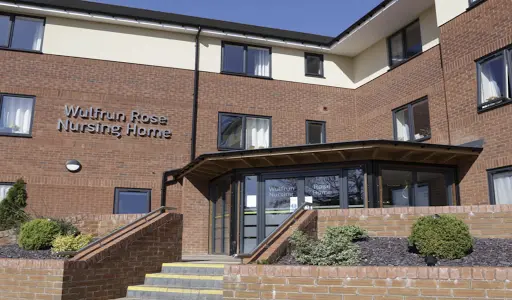
Wilbraham House on Church Street, Stoke-on-Trent, was rated Good across all five inspection domains at its September 2021 inspection. This is a significant improvement from a previous rating of Requires Improvement and indicates that inspectors found the home had made real progress across safety, care quality, management, and responsiveness. The home supports up to 35 people and holds specialisms in dementia, learning disabilities, and physical disabilities, meaning it caters for a broad and complex range of needs. The registered manager, Ms Tracy Hodgson, also holds the nominated individual role, which points to close personal accountability for how the home is run. The main uncertainty here is that the published inspection report contains very limited specific detail. There are no recorded quotes from residents or relatives, no inspector observations of daily life, and no figures for staffing ratios or activity provision. A Good rating tells you the home met the standard at the time of inspection, but it does not tell you what your parent's day-to-day experience will actually feel like. Before you decide, visit at a mealtime or during an activity session, ask to see last week's actual staffing rota (not just the template), and find out directly from the manager how they communicate with families when something changes.
The three questions to ask when you visitSave this home. Compare it against your shortlist.
Let our analysis show you how Wilbraham House Ltd measures up against the other homes you’re considering. Free account.
In Their Own Words
How Wilbraham House Ltd describes itself — collected from its own website. DCC has not edited or independently verified the content in this tab.
Where thoughtful care meets dignity through life's toughest moments
Dedicated residential home Support in Stoke On Trent
When families face difficult transitions, finding the right support matters deeply. Wilbraham House in Stoke On Trent brings together experienced staff who understand what residents and their loved ones really need. The home specialises in dementia care alongside support for physical and learning disabilities, creating a place where different care needs are met with genuine understanding.
Who they care for
The home cares for adults both under and over 65 with a range of needs including physical disabilities and learning disabilities. They've shown flexibility in taking emergency respite residents when families are in crisis, maintaining consistent care standards even at short notice.
Dementia care forms a key part of what they do here, with staff who understand how to support both residents and families through the progression of memory loss. The structured activity programme helps residents stay engaged while giving families chances to be involved in their loved one's daily life.
“Sometimes you just need to know that a place will be there when things get tough — Wilbraham House seems to be that kind of home.”
DCC does not edit or curate content in this tab. For independently curated information, see The Evidence and DCC Verdict.
The DCC Verdict
Our editorial view, built from the three lenses: what families tell us, what inspectors record, and how the home sits against good dementia-care practice.
DCC Family Score
Wilbraham House has improved from Requires Improvement to Good across all five inspection domains, which is a meaningful and positive step. However, the published inspection text is limited in specific detail, so many scores reflect the rating itself rather than rich, observed evidence.
Homes in West Midlands typically score 68–82.The three-lens summary
What families tell us
Families describe how staff here really notice what's happening with residents, catching the small changes that matter. There's a sense that people are genuinely looked after, with staff who stay alert to individual needs and keep families properly informed about their loved one's wellbeing.
What inspectors have recorded
The management team has brought in positive changes recently that families have noticed and appreciated. What stands out is how staff handle the hardest times — several families have shared how supported they felt during end-of-life care, with staff showing real compassion when it mattered most.
How it sits against good practice
Sometimes you just need to know that a place will be there when things get tough — Wilbraham House seems to be that kind of home.
Worth a visit
Wilbraham House on Church Street, Stoke-on-Trent, was rated Good across all five inspection domains at its September 2021 inspection. This is a significant improvement from a previous rating of Requires Improvement and indicates that inspectors found the home had made real progress across safety, care quality, management, and responsiveness. The home supports up to 35 people and holds specialisms in dementia, learning disabilities, and physical disabilities, meaning it caters for a broad and complex range of needs. The registered manager, Ms Tracy Hodgson, also holds the nominated individual role, which points to close personal accountability for how the home is run. The main uncertainty here is that the published inspection report contains very limited specific detail. There are no recorded quotes from residents or relatives, no inspector observations of daily life, and no figures for staffing ratios or activity provision. A Good rating tells you the home met the standard at the time of inspection, but it does not tell you what your parent's day-to-day experience will actually feel like. Before you decide, visit at a mealtime or during an activity session, ask to see last week's actual staffing rota (not just the template), and find out directly from the manager how they communicate with families when something changes.
The three questions to ask when you visitSave this home. Compare it against your shortlist.
Let our analysis show you how Wilbraham House Ltd measures up against the other homes you’re considering. Free account.
In Their Own Words
How Wilbraham House Ltd describes itself — collected from its own website. DCC has not edited or independently verified the content in this tab.
Where thoughtful care meets dignity through life's toughest moments
Dedicated residential home Support in Stoke On Trent
When families face difficult transitions, finding the right support matters deeply. Wilbraham House in Stoke On Trent brings together experienced staff who understand what residents and their loved ones really need. The home specialises in dementia care alongside support for physical and learning disabilities, creating a place where different care needs are met with genuine understanding.
Who they care for
The home cares for adults both under and over 65 with a range of needs including physical disabilities and learning disabilities. They've shown flexibility in taking emergency respite residents when families are in crisis, maintaining consistent care standards even at short notice.
Dementia care forms a key part of what they do here, with staff who understand how to support both residents and families through the progression of memory loss. The structured activity programme helps residents stay engaged while giving families chances to be involved in their loved one's daily life.
Management & ethos
The management team has brought in positive changes recently that families have noticed and appreciated. What stands out is how staff handle the hardest times — several families have shared how supported they felt during end-of-life care, with staff showing real compassion when it mattered most.
The home & environment
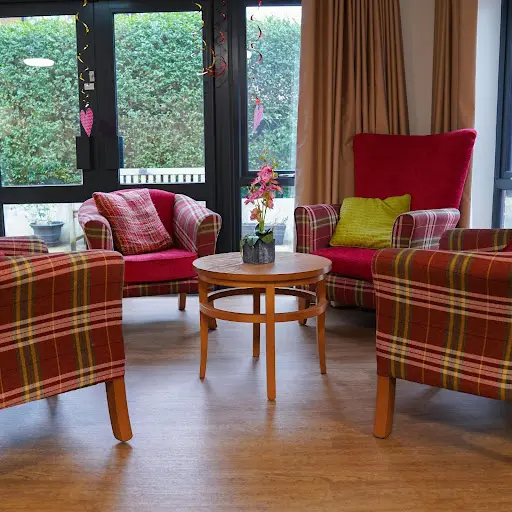
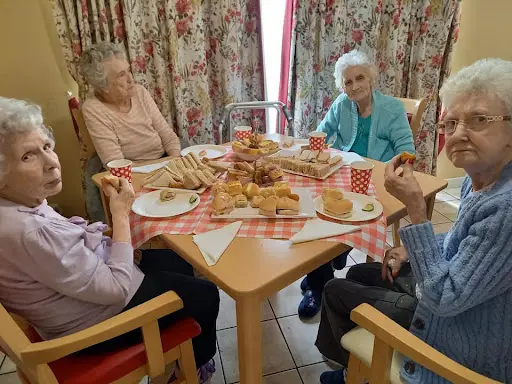
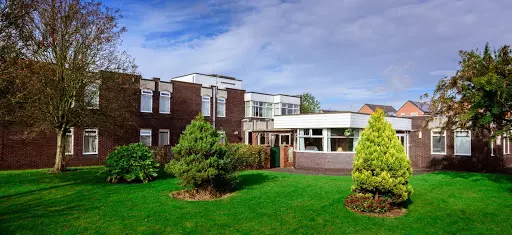
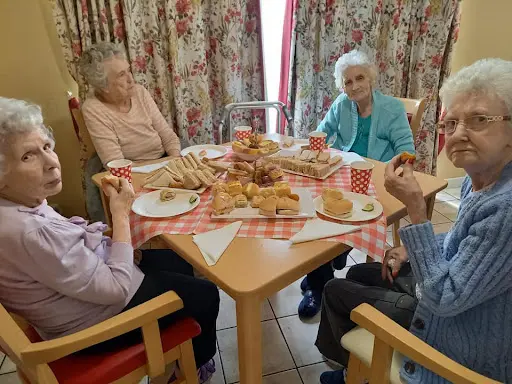
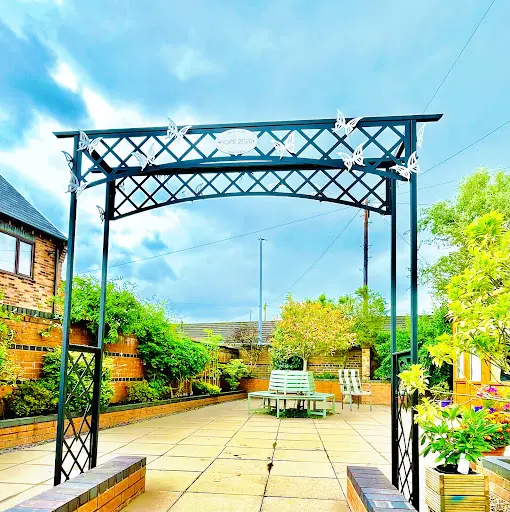
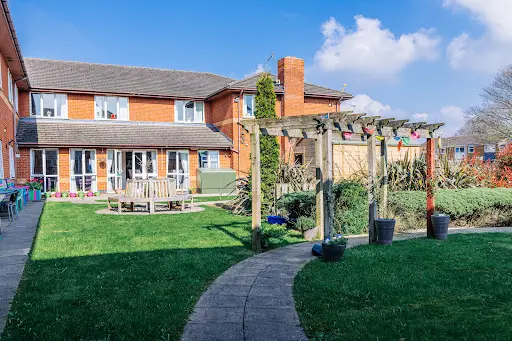
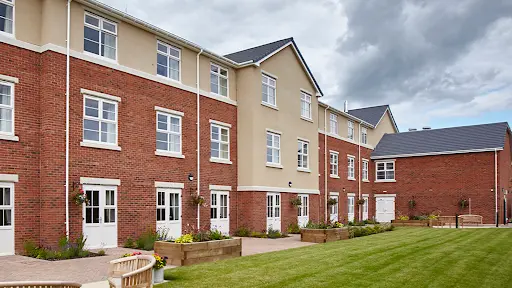
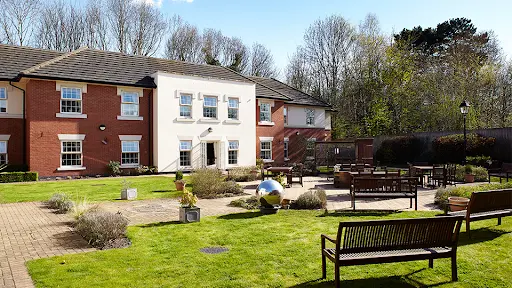
The food here gets particular praise from families who've been connected with the home for years. Recent refurbishment work has freshened up the environment, with residents actually being asked for their input on the changes — a nice touch that shows management thinking beyond just the practical side of things.
“Sometimes you just need to know that a place will be there when things get tough — Wilbraham House seems to be that kind of home.”
DCC does not edit or curate content in this tab. For independently curated information, see The Evidence and DCC Verdict.