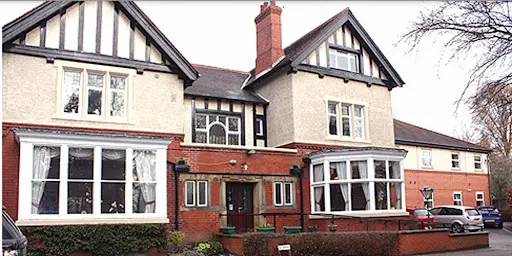
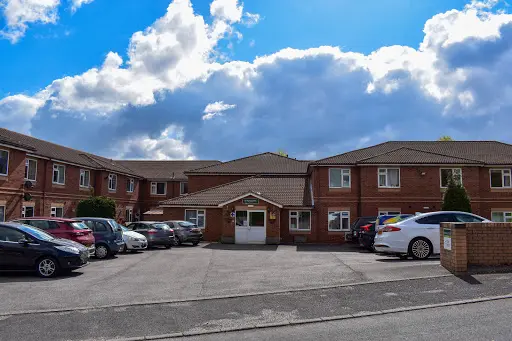
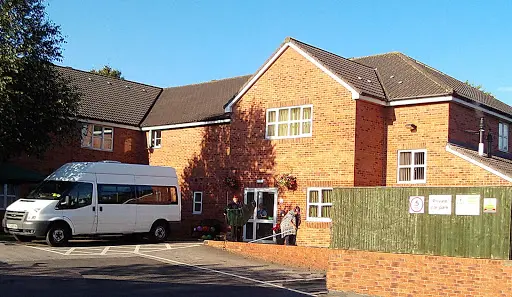
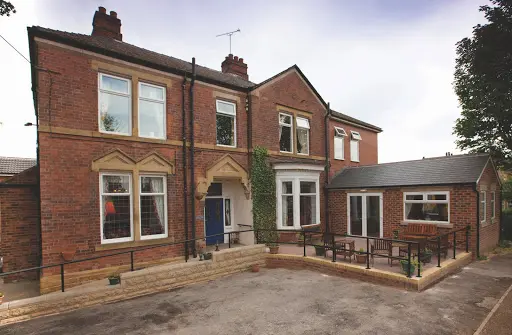
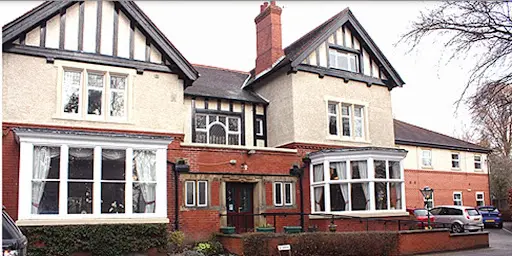
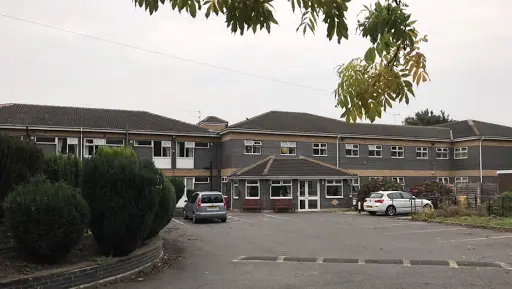
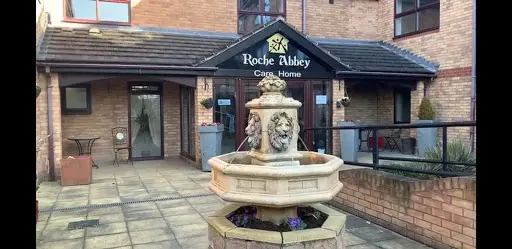
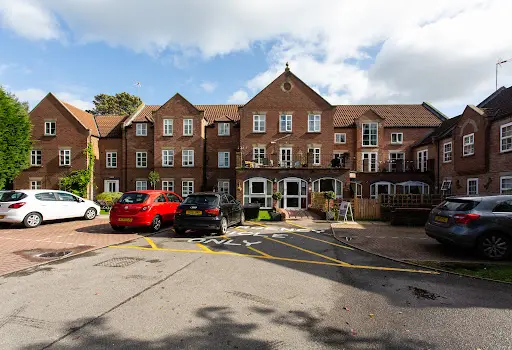
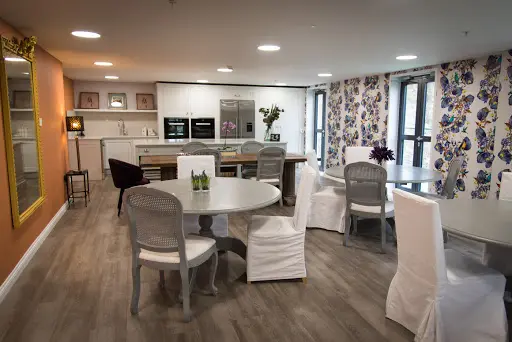
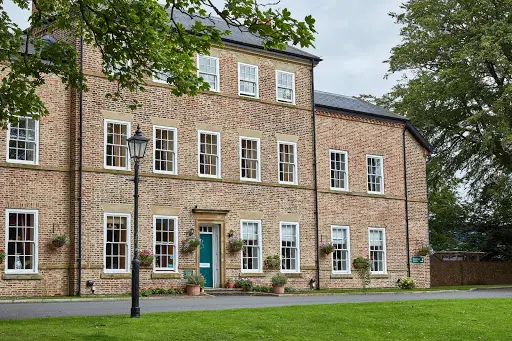
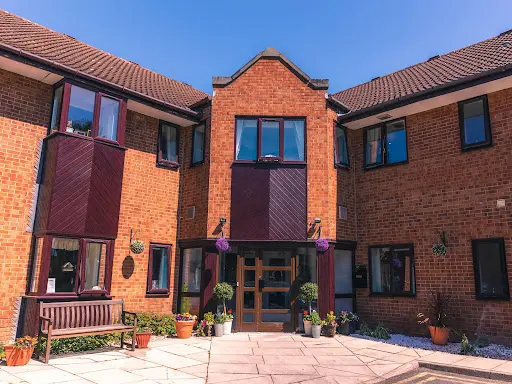
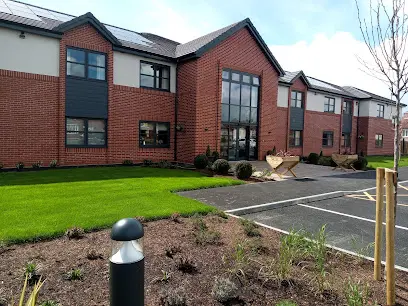
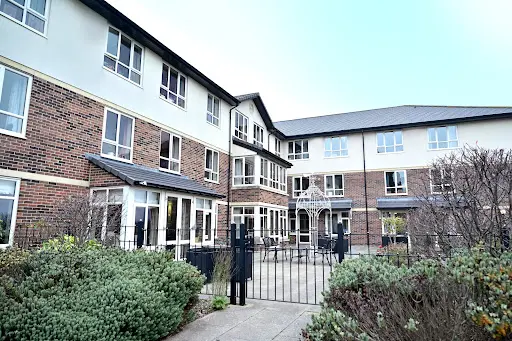
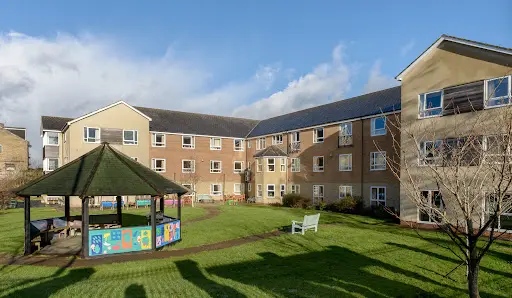
Whiston Hall Care Home
At a Glance
The information you need to decide whether this home warrants a closer look.
Residential homes
Staff warmth score
of reviewers answered yes
Good to know
- Registered beds48
- SpecialismsCaring for adults over 65 yrs, Caring for adults under 65 yrs, Dementia, Learning disabilities
- Last inspected2022-05-27
Save Whiston Hall Care Home to your shortlist
Keep a running list, add visit notes, and compare homes side-by-side. Free account — it takes a minute.
STAGE 4 — RESEARCHING CARE HOMES
Visit homes. Compare them side by side. Choose with confidence.
Most of us will view care homes the way we view houses, impression, atmosphere, the feeling in the corridor. We go home, try to remember what we saw, and make a permanent decision from a blurred memory.

The DCC shortlist gives every home you visit a structured record: the same twelve questions, answered the same way, every time. When you’re ready to choose, pull any two homes side by side and compare them directly. Same criteria, same evidence, your notes and your scores.
The Evidence
What the review data, the inspection reports, and the dementia-care evidence base tell us about this home.
What families say
Families describe staff who are approachable and friendly, taking time to help residents with personal touches before outings. The atmosphere feels welcoming, with activities that residents genuinely enjoy and remember fondly.
The eight family priority themes
- Staff warmth72
- Compassion & dignity72
- Cleanliness70
- Activities & engagement60
- Food quality60
- Healthcare68
- Management & leadership52
- Resident happiness68
What inspectors found
Inspected 2022-05-27
Is this home safe?
Is the care effective?
The Effective domain was rated Good at the April 2024 inspection, suggesting that care plans, staff training, healthcare access, and nutrition broadly meet expected standards. The home supports people with dementia and learning disabilities, where effective, personalised care planning is particularly important. The published inspection extract does not provide specific observations or examples to illustrate how effectiveness is demonstrated in practice. No detail is available on GP access frequency, dementia training content, or how care plans are reviewed and updated.Is this home caring?
The Caring domain was rated Good at the April 2024 inspection, indicating that inspectors were broadly satisfied with how staff treat the people who live at Whiston Hall. A Good Caring rating typically reflects observed warmth, dignity, and respect during the inspection. The published summary does not include specific inspector observations, resident quotes, or relative feedback to illustrate what good caring looks like in practice at this home. Without this detail, it is not possible to assess whether the rating reflects consistent, embedded practice or a positive snapshot on the day.Is the home responsive?
The Responsive domain was rated Good at the April 2024 inspection, suggesting the home is meeting people's individual needs in areas such as activities, engagement, and personalised care. The home caters for adults over and under 65, people living with dementia, and people with learning disabilities, which requires a genuinely varied and flexible approach to responsiveness. The published extract does not include specific activity examples, individual care stories, or detail on how the home supports people who cannot engage in group activities. No information is available on end-of-life planning or how the home handles complaints.Is the home well-led?
Well-led was rated Requires Improvement at the April 2024 inspection, making it the one domain that did not achieve a Good rating. This is notable because leadership quality underpins everything else in a care home, from how staff are recruited and supported to how quickly problems are identified and addressed. The registered manager is Mrs Jane Ridge, and the nominated individual is Mrs Mandy Vernon. The published extract does not detail what specific governance or leadership failures led to the Requires Improvement rating, which makes it difficult to assess how serious the concerns are or how far the home has progressed in addressing them.
Source: CQC inspection report →
What the evidence base says
The home welcomes younger adults under 65 alongside older residents, creating an age-diverse community. Their team has experience supporting people with learning disabilities and those living with dementia. Staff work with residents living with dementia, though specific approaches or programmes aren't detailed in recent feedback. All areas worth probing directly during a visit.
The DCC Verdict
Our editorial view, built from the three lenses: what families tell us, what inspectors record, and how the home sits against good dementia-care practice.
DCC Family Score
Whiston Hall scores 72 out of 100, reflecting a genuine improvement from its previous Requires Improvement rating, with four domains now rated Good. The management and leadership score is held back by a Requires Improvement rating in Well-led, which means Sarah should look closely at governance and oversight on any visit.
Homes in Yorkshire & Humberside typically score 68–82.The three-lens summary
What families tell us
Families describe staff who are approachable and friendly, taking time to help residents with personal touches before outings. The atmosphere feels welcoming, with activities that residents genuinely enjoy and remember fondly.
What inspectors have recorded
Communication with families appears generally responsive, though there have been concerning instances where the home was difficult to reach during emergencies. Most relatives find staff attentive to residents' day-to-day needs.
How it sits against good practice
Whiston Hall brings together residents of different ages and needs in a socially active environment. Worth exploring if you're looking for specialist support in the Rotherham area.
Worth a visit
Whiston Hall on Chaff Lane in Rotherham was assessed in April 2024 and rated Good overall, an improvement on its previous Requires Improvement rating. Four domains, covering safety, effective care, kindness of staff, and responsiveness to individual needs, all achieved Good ratings. This upward trend is a positive signal that the home has made meaningful changes since its last inspection. The one area that still requires attention is Well-led, which was rated Requires Improvement. This matters because leadership quality shapes everything else, from how staff are supported to how quickly problems are spotted and fixed. When you visit, ask to meet registered manager Mrs Jane Ridge, find out how long she has been in post, and ask what specific improvements the home is still working on. The published inspection extract does not include detailed findings, so you will need to ask direct questions to fill in the gaps around staffing levels, dementia training, night cover, and how the home communicates with families.
The three questions to ask when you visitSave this home. Compare it against your shortlist.
Let our analysis show you how Whiston Hall Care Home measures up against the other homes you’re considering. Free account.
In Their Own Words
How Whiston Hall Care Home describes itself — collected from its own website. DCC has not edited or independently verified the content in this tab.
Yorkshire care home blending social activities with specialist support
Residential home in Rotherham: True Peace of Mind
Finding the right care home often means balancing everyday comforts with specialist knowledge. Whiston Hall in Rotherham provides residential care for adults of all ages, including those living with dementia or learning disabilities. The home organises regular outings and social events that help residents stay connected to the wider community.
Who they care for
The home welcomes younger adults under 65 alongside older residents, creating an age-diverse community. Their team has experience supporting people with learning disabilities and those living with dementia.
Staff work with residents living with dementia, though specific approaches or programmes aren't detailed in recent feedback.
“Whiston Hall brings together residents of different ages and needs in a socially active environment. Worth exploring if you're looking for specialist support in the Rotherham area.”
DCC does not edit or curate content in this tab. For independently curated information, see The Evidence and DCC Verdict.
The DCC Verdict
Our editorial view, built from the three lenses: what families tell us, what inspectors record, and how the home sits against good dementia-care practice.
DCC Family Score
Whiston Hall scores 72 out of 100, reflecting a genuine improvement from its previous Requires Improvement rating, with four domains now rated Good. The management and leadership score is held back by a Requires Improvement rating in Well-led, which means Sarah should look closely at governance and oversight on any visit.
Homes in Yorkshire & Humberside typically score 68–82.The three-lens summary
What families tell us
Families describe staff who are approachable and friendly, taking time to help residents with personal touches before outings. The atmosphere feels welcoming, with activities that residents genuinely enjoy and remember fondly.
What inspectors have recorded
Communication with families appears generally responsive, though there have been concerning instances where the home was difficult to reach during emergencies. Most relatives find staff attentive to residents' day-to-day needs.
How it sits against good practice
Whiston Hall brings together residents of different ages and needs in a socially active environment. Worth exploring if you're looking for specialist support in the Rotherham area.
Worth a visit
Whiston Hall on Chaff Lane in Rotherham was assessed in April 2024 and rated Good overall, an improvement on its previous Requires Improvement rating. Four domains, covering safety, effective care, kindness of staff, and responsiveness to individual needs, all achieved Good ratings. This upward trend is a positive signal that the home has made meaningful changes since its last inspection. The one area that still requires attention is Well-led, which was rated Requires Improvement. This matters because leadership quality shapes everything else, from how staff are supported to how quickly problems are spotted and fixed. When you visit, ask to meet registered manager Mrs Jane Ridge, find out how long she has been in post, and ask what specific improvements the home is still working on. The published inspection extract does not include detailed findings, so you will need to ask direct questions to fill in the gaps around staffing levels, dementia training, night cover, and how the home communicates with families.
The three questions to ask when you visitSave this home. Compare it against your shortlist.
Let our analysis show you how Whiston Hall Care Home measures up against the other homes you’re considering. Free account.
In Their Own Words
How Whiston Hall Care Home describes itself — collected from its own website. DCC has not edited or independently verified the content in this tab.
Yorkshire care home blending social activities with specialist support
Residential home in Rotherham: True Peace of Mind
Finding the right care home often means balancing everyday comforts with specialist knowledge. Whiston Hall in Rotherham provides residential care for adults of all ages, including those living with dementia or learning disabilities. The home organises regular outings and social events that help residents stay connected to the wider community.
Who they care for
The home welcomes younger adults under 65 alongside older residents, creating an age-diverse community. Their team has experience supporting people with learning disabilities and those living with dementia.
Staff work with residents living with dementia, though specific approaches or programmes aren't detailed in recent feedback.
Management & ethos
Communication with families appears generally responsive, though there have been concerning instances where the home was difficult to reach during emergencies. Most relatives find staff attentive to residents' day-to-day needs.
“Whiston Hall brings together residents of different ages and needs in a socially active environment. Worth exploring if you're looking for specialist support in the Rotherham area.”
DCC does not edit or curate content in this tab. For independently curated information, see The Evidence and DCC Verdict.