The Meadows Residential Care Home
At a Glance
The information you need to decide whether this home warrants a closer look.
Residential homes
Staff warmth score
of reviewers answered yes
Good to know
- Registered beds29
- SpecialismsCaring for adults over 65 yrs, Dementia
- Last inspected2021-07-23
Save The Meadows Residential Care Home to your shortlist
Keep a running list, add visit notes, and compare homes side-by-side. Free account — it takes a minute.
STAGE 4 — RESEARCHING CARE HOMES
Visit homes. Compare them side by side. Choose with confidence.
Most of us will view care homes the way we view houses, impression, atmosphere, the feeling in the corridor. We go home, try to remember what we saw, and make a permanent decision from a blurred memory.

The DCC shortlist gives every home you visit a structured record: the same twelve questions, answered the same way, every time. When you’re ready to choose, pull any two homes side by side and compare them directly. Same criteria, same evidence, your notes and your scores.
The Evidence
What the review data, the inspection reports, and the dementia-care evidence base tell us about this home.
What families say
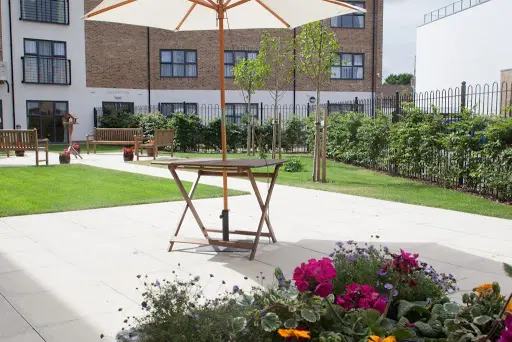
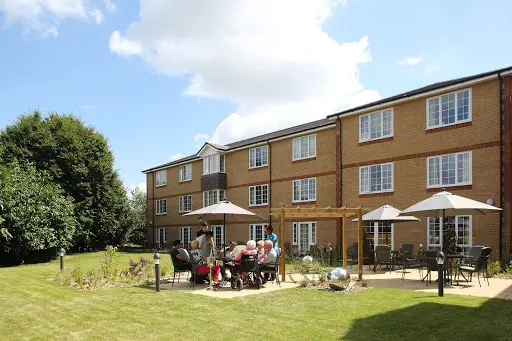
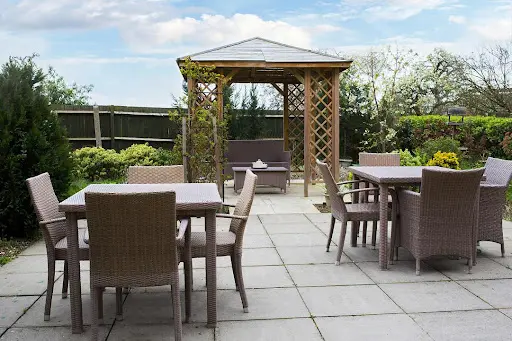
Families speak warmly about the genuine respect shown to every resident here. The structured activities give people purpose without pressure, while the outdoor spaces and peer friendships help residents stay engaged with life. What comes through most clearly is how staff understand the importance of treating each person as an individual, not just another resident.
The eight family priority themes
- Staff warmth65
- Compassion & dignity65
- Cleanliness65
- Activities & engagement55
- Food quality55
- Healthcare60
- Management & leadership70
- Resident happiness60
What inspectors found
Inspected 2021-07-23
Is this home safe?
Is the care effective?
The Effective domain was rated Good at the June 2021 inspection. This domain covers training, care planning, healthcare access, and food quality. The published report does not include any specific detail about dementia training content, how frequently care plans are reviewed, GP access arrangements, or the quality and variety of food served. The Good rating indicates inspectors were satisfied at the time of inspection, but no supporting evidence was published.Is this home caring?
The Caring domain was rated Good at the June 2021 inspection. This domain covers staff warmth, dignity, respect, and support for independence. The published report contains no specific inspector observations, no resident quotes, and no family testimony to illustrate what caring practice looks like at The Meadows. A Good rating in this domain requires inspectors to have found broadly positive staff interactions and evidence of dignity being upheld, but the detail behind that finding is not available in the published text.Is the home responsive?
The Responsive domain was rated Good at the June 2021 inspection. This domain covers activities, engagement, individuality, and end-of-life care. The published report provides no detail about what activities are available, how they are tailored to individual residents, or how the home supports people who cannot participate in group sessions. There is no information about how the home handles end-of-life care planning. The Good rating indicates inspectors were satisfied at the time, but no supporting evidence is available in the published text.Is the home well-led?
The Well-led domain was rated Good at the June 2021 inspection, having previously been rated Requires Improvement. This is an encouraging trajectory: leadership quality is consistently associated with overall home quality in inspection evidence. The published report names Mr Ian Somauroo as the nominated individual and identifies the provider as A and I Care Home Ltd. No specific observations about the manager's visibility, staff culture, governance arrangements, or complaint handling were included in the published text.
Source: CQC inspection report →
What the evidence base says
The Meadows specialises in dementia care and supporting adults over 65. Their approach combines professional expertise with practical support for the daily challenges these conditions bring. Staff here show real capability in managing the complex needs that come with dementia, treating each resident with patience and understanding. Families have noticed how this skilled approach helps their loved ones maintain stability and dignity through difficult transitions. All areas worth probing directly during a visit.
The DCC Verdict
Our editorial view, built from the three lenses: what families tell us, what inspectors record, and how the home sits against good dementia-care practice.
DCC Family Score
The Meadows Residential Care Home was rated Good across all five inspection domains in June 2021, an improvement from its previous Requires Improvement rating. However, the published report contains very little specific detail, so scores reflect the rating itself rather than observed evidence, and many areas will need direct investigation on a visit.
Homes in London typically score 68–82.The three-lens summary
What families tell us
Families speak warmly about the genuine respect shown to every resident here. The structured activities give people purpose without pressure, while the outdoor spaces and peer friendships help residents stay engaged with life. What comes through most clearly is how staff understand the importance of treating each person as an individual, not just another resident.
What inspectors have recorded
The management team stays visible and accessible, which families value when they need reassurance. Staff keep strong relationships with GPs to coordinate health needs properly, and families particularly appreciate the proactive communication during hospital stays or when concerns arise. This open approach helps everyone feel part of the care team.
How it sits against good practice
Finding the right care home often comes down to that feeling of relief when you know your loved one is genuinely well cared for.
Worth a visit
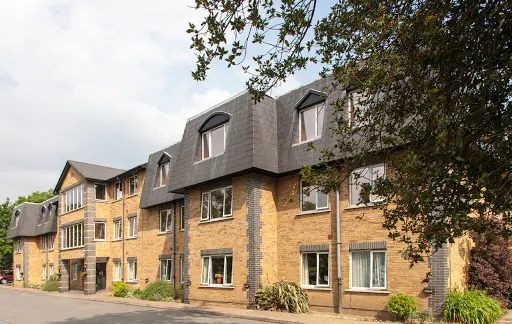
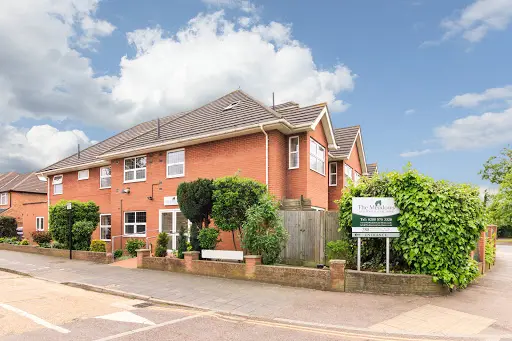
The Meadows Residential Care Home, at 288 Oldfield Lane North in Greenford, was rated Good across all five inspection domains at its last inspection in June 2021. This is a meaningful improvement from its previous Requires Improvement rating, and across 29 beds specialising in older adults and dementia care, achieving Good in every domain represents genuine progress. The published report, however, contains very little supporting detail: no inspector observations, no resident or family quotes, and no specific examples of practice were included in the text made available. This creates real uncertainty for families. The Good rating tells you the home met the required standard at that point in time, but it does not tell you what the home looks like day to day. The inspection also took place in June 2021, over three years ago, which means conditions may have changed. On a visit, prioritise observing how staff interact with residents in communal areas, ask to see the staffing rota for the past fortnight (including nights), and ask the manager directly what changed following the previous Requires Improvement rating. Those conversations will tell you far more than the published report can.
The three questions to ask when you visitSave this home. Compare it against your shortlist.
Let our analysis show you how The Meadows Residential Care Home measures up against the other homes you’re considering. Free account.
In Their Own Words
How The Meadows Residential Care Home describes itself — collected from its own website. DCC has not edited or independently verified the content in this tab.
Where skilled dementia care meets genuine family warmth
Residential home in Greenford: True Peace of Mind
When families describe feeling relief wash over them after finding the right care home, they're often talking about places like The Meadows Residential Care Home in Greenford. This London care home has built its reputation through consistent, professional dementia care that helps residents maintain their dignity while families stay closely connected to their loved one's journey.
Who they care for
The Meadows specialises in dementia care and supporting adults over 65. Their approach combines professional expertise with practical support for the daily challenges these conditions bring.
Staff here show real capability in managing the complex needs that come with dementia, treating each resident with patience and understanding. Families have noticed how this skilled approach helps their loved ones maintain stability and dignity through difficult transitions.
“Finding the right care home often comes down to that feeling of relief when you know your loved one is genuinely well cared for.”
DCC does not edit or curate content in this tab. For independently curated information, see The Evidence and DCC Verdict.
The DCC Verdict
Our editorial view, built from the three lenses: what families tell us, what inspectors record, and how the home sits against good dementia-care practice.
DCC Family Score
The Meadows Residential Care Home was rated Good across all five inspection domains in June 2021, an improvement from its previous Requires Improvement rating. However, the published report contains very little specific detail, so scores reflect the rating itself rather than observed evidence, and many areas will need direct investigation on a visit.
Homes in London typically score 68–82.The three-lens summary
What families tell us
Families speak warmly about the genuine respect shown to every resident here. The structured activities give people purpose without pressure, while the outdoor spaces and peer friendships help residents stay engaged with life. What comes through most clearly is how staff understand the importance of treating each person as an individual, not just another resident.
What inspectors have recorded
The management team stays visible and accessible, which families value when they need reassurance. Staff keep strong relationships with GPs to coordinate health needs properly, and families particularly appreciate the proactive communication during hospital stays or when concerns arise. This open approach helps everyone feel part of the care team.
How it sits against good practice
Finding the right care home often comes down to that feeling of relief when you know your loved one is genuinely well cared for.
Worth a visit
The Meadows Residential Care Home, at 288 Oldfield Lane North in Greenford, was rated Good across all five inspection domains at its last inspection in June 2021. This is a meaningful improvement from its previous Requires Improvement rating, and across 29 beds specialising in older adults and dementia care, achieving Good in every domain represents genuine progress. The published report, however, contains very little supporting detail: no inspector observations, no resident or family quotes, and no specific examples of practice were included in the text made available. This creates real uncertainty for families. The Good rating tells you the home met the required standard at that point in time, but it does not tell you what the home looks like day to day. The inspection also took place in June 2021, over three years ago, which means conditions may have changed. On a visit, prioritise observing how staff interact with residents in communal areas, ask to see the staffing rota for the past fortnight (including nights), and ask the manager directly what changed following the previous Requires Improvement rating. Those conversations will tell you far more than the published report can.
The three questions to ask when you visitSave this home. Compare it against your shortlist.
Let our analysis show you how The Meadows Residential Care Home measures up against the other homes you’re considering. Free account.
In Their Own Words
How The Meadows Residential Care Home describes itself — collected from its own website. DCC has not edited or independently verified the content in this tab.
Where skilled dementia care meets genuine family warmth
Residential home in Greenford: True Peace of Mind
When families describe feeling relief wash over them after finding the right care home, they're often talking about places like The Meadows Residential Care Home in Greenford. This London care home has built its reputation through consistent, professional dementia care that helps residents maintain their dignity while families stay closely connected to their loved one's journey.
Who they care for
The Meadows specialises in dementia care and supporting adults over 65. Their approach combines professional expertise with practical support for the daily challenges these conditions bring.
Staff here show real capability in managing the complex needs that come with dementia, treating each resident with patience and understanding. Families have noticed how this skilled approach helps their loved ones maintain stability and dignity through difficult transitions.
Management & ethos
The management team stays visible and accessible, which families value when they need reassurance. Staff keep strong relationships with GPs to coordinate health needs properly, and families particularly appreciate the proactive communication during hospital stays or when concerns arise. This open approach helps everyone feel part of the care team.
The home & environment
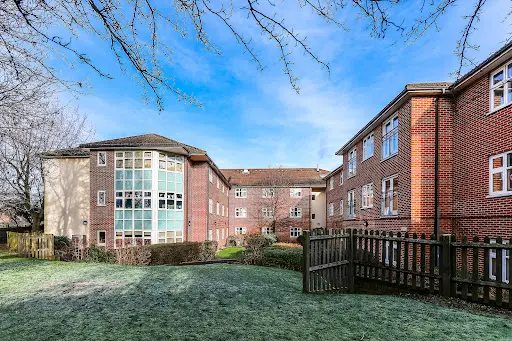
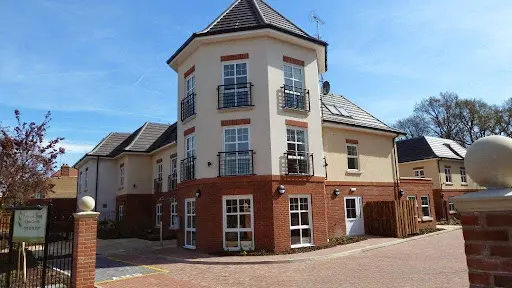
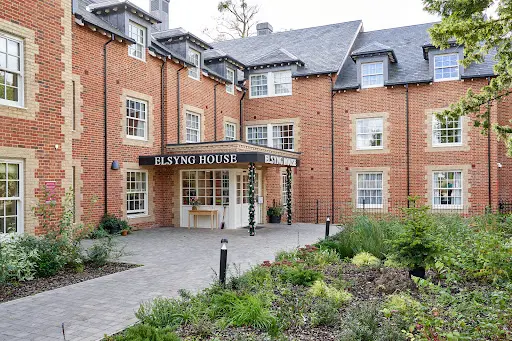
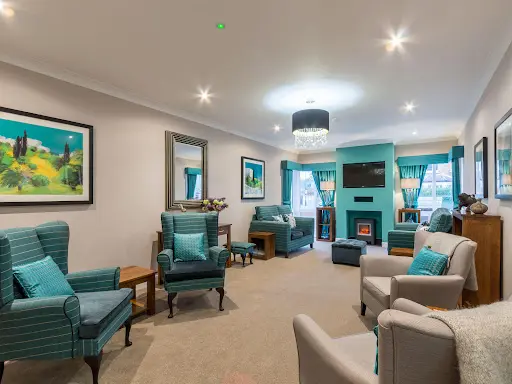
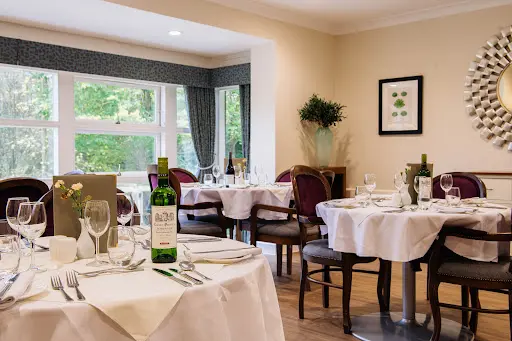
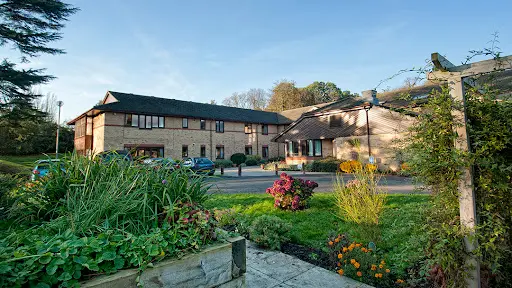
The bright, spotless rooms with en-suite facilities create a comfortable environment that families appreciate. Good quality, varied meals have made a real difference to residents' health, with several families noticing improved weight and wellbeing. The recent refurbishment has created spaces that feel welcoming and familiar rather than institutional.
“Finding the right care home often comes down to that feeling of relief when you know your loved one is genuinely well cared for.”
DCC does not edit or curate content in this tab. For independently curated information, see The Evidence and DCC Verdict.