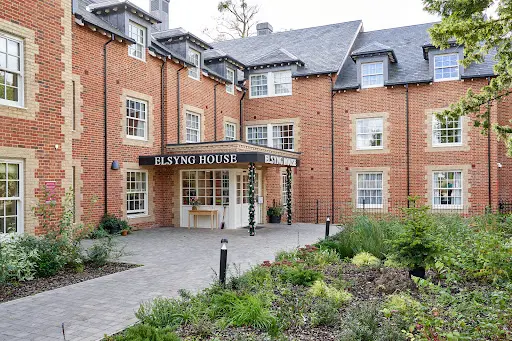
Elm Lodge Care Home – Minster Care Group
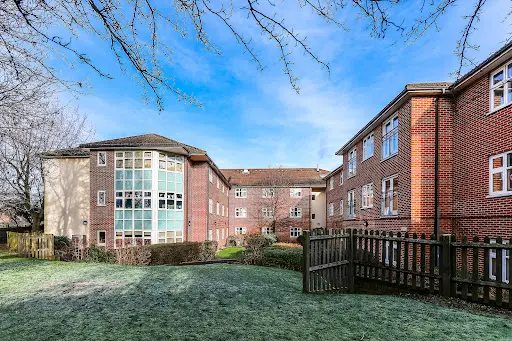
At a Glance
The information you need to decide whether this home warrants a closer look.
Nursing homes
Staff warmth score
of reviewers answered yes
Good to know
- Registered beds75
- SpecialismsCaring for adults over 65 yrs, Caring for adults under 65 yrs, Dementia, Physical disabilities
- Last inspected2023-02-24
Save Elm Lodge Care Home – Minster Care Group to your shortlist
Keep a running list, add visit notes, and compare homes side-by-side. Free account — it takes a minute.
STAGE 4 — RESEARCHING CARE HOMES
Visit homes. Compare them side by side. Choose with confidence.
Most of us will view care homes the way we view houses, impression, atmosphere, the feeling in the corridor. We go home, try to remember what we saw, and make a permanent decision from a blurred memory.

The DCC shortlist gives every home you visit a structured record: the same twelve questions, answered the same way, every time. When you’re ready to choose, pull any two homes side by side and compare them directly. Same criteria, same evidence, your notes and your scores.
The Evidence
What the review data, the inspection reports, and the dementia-care evidence base tell us about this home.
What families say
Families describe how their loved ones build strong connections here, with residents actually wanting to return after hospital visits. The atmosphere seems to foster real relationships between carers and residents, creating a sense of belonging that goes beyond basic care needs.
The eight family priority themes
- Staff warmth70
- Compassion & dignity70
- Cleanliness70
- Activities & engagement60
- Food quality60
- Healthcare70
- Management & leadership72
- Resident happiness68
What inspectors found
Inspected 2023-02-24
Is this home safe?
Is the care effective?
Effectiveness was rated Good at the January 2024 inspection. This domain covers training, care planning, healthcare access, and nutrition. The published report does not describe the content of dementia training, how frequently care plans are reviewed, how GP access is arranged, or how the home manages nutrition for residents with swallowing difficulties or complex dietary needs. Elm Lodge cares for people with dementia and physical disabilities, which requires specific, evidenced training rather than generic care skills.Is this home caring?
Caring was rated Good at the January 2024 inspection. This domain covers staff warmth, dignity, respect, and how staff support residents to maintain independence. No direct observations of staff interactions, resident testimony, or family quotes appear in the published report text. The Good rating indicates that inspectors were satisfied with what they observed, but the specific evidence behind that judgement is not described.Is the home responsive?
Responsiveness was rated Good at the January 2024 inspection. This domain covers activities and engagement, how the home meets individual preferences, complaint handling, and end-of-life care. The published report gives no description of the activity programme, no mention of how the home supports people at more advanced stages of dementia who cannot join group activities, and no detail on how individual preferences are recorded or acted on. Elm Lodge has 75 beds and cares for people with both dementia and physical disabilities, a mix that typically requires varied, adaptable programming.Is the home well-led?
Leadership was rated Good at the January 2024 inspection. Miss Foluke Tella is the registered manager and Mr Colin William Farebrother is the nominated individual for the provider, Minster Care Management Limited. The published report does not describe how visible the manager is on the floor, whether staff feel supported to raise concerns, or how the home handles governance, audits, and learning from incidents. The improvement from Requires Improvement to Good suggests the management team has made meaningful changes since the earlier inspection.
Source: CQC inspection report →
What the evidence base says
The home caters to adults both under and over 65, including those living with dementia or physical disabilities. This broad expertise means they're equipped to support residents through changing needs. For residents living with dementia, the home's emphasis on personal connections and emotional support provides essential continuity. The strong bonds that develop between residents and carers can be particularly meaningful for those navigating memory challenges. All areas worth probing directly during a visit.
The DCC Verdict
Our editorial view, built from the three lenses: what families tell us, what inspectors record, and how the home sits against good dementia-care practice.
DCC Family Score
Elm Lodge has moved from Requires Improvement to a Good rating across all five domains, which is a meaningful step forward. However, the published inspection report contains very little specific detail, so most scores sit in the 60-72 range rather than higher, reflecting confirmed improvement without granular evidence of how that improvement looks day to day.
Homes in London typically score 68–82.The three-lens summary
What families tell us
Families describe how their loved ones build strong connections here, with residents actually wanting to return after hospital visits. The atmosphere seems to foster real relationships between carers and residents, creating a sense of belonging that goes beyond basic care needs.
What inspectors have recorded
The management team appears to set a caring tone that flows through the home. Several families credit the leadership with creating an environment where compassionate care becomes the norm. Though one person with inside knowledge noted that recruitment standards could be more consistent, the overall management approach seems focused on emotional wellbeing.
How it sits against good practice
At its heart, Elm Lodge seems to understand that care is about more than meeting physical needs — it's about honouring the whole person, especially in life's most vulnerable moments.
Worth a visit
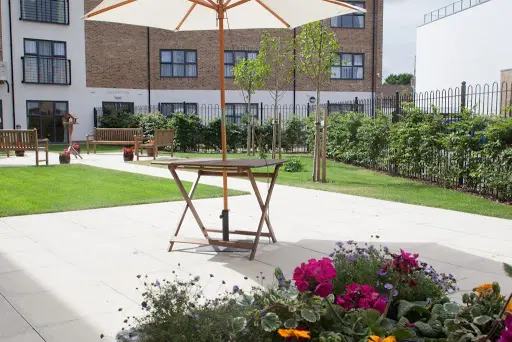
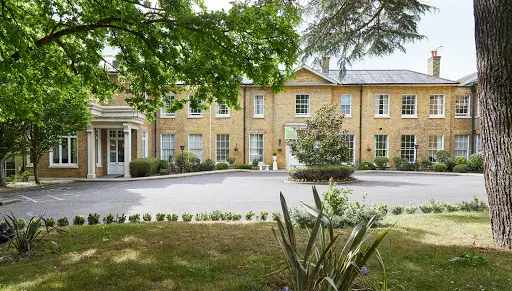
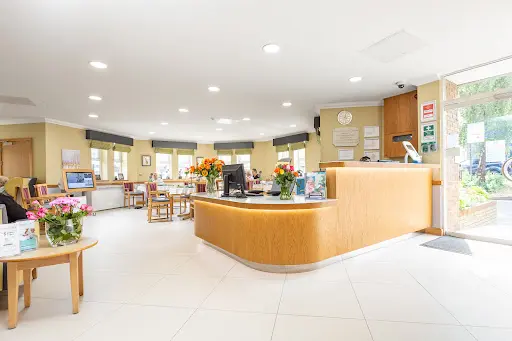
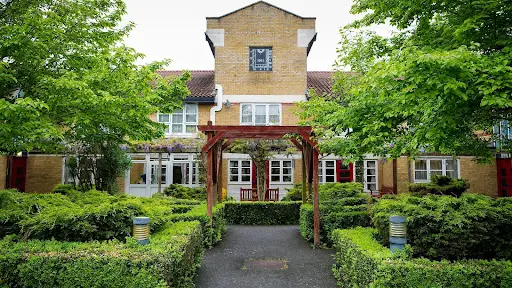
Elm Lodge in Greenford was assessed on 30 January 2024 and rated Good across all five inspection domains, an improvement on its previous Requires Improvement rating. The home is a 75-bed nursing home registered to care for adults over and under 65, including people living with dementia and physical disabilities. A named registered manager, Miss Foluke Tella, is in post, and all five domains, covering safety, effectiveness, caring, responsiveness, and leadership, were judged to meet the Good standard. The main uncertainty here is that the published inspection report contains very little specific detail about what Good looks like inside Elm Lodge on a normal day. There are no direct observations of staff interactions, no resident or family quotes, no staffing ratios, and no description of activities or the physical environment. The Good rating is real and meaningful, but you should treat a visit as essential before making any decision. Ask to see the staffing rota for the past week, speak to the registered manager about what prompted the previous Requires Improvement rating and what changed, and if at all possible visit at a mealtime to see how staff interact with the people who live there.
The three questions to ask when you visitSave this home. Compare it against your shortlist.
Let our analysis show you how Elm Lodge Care Home – Minster Care Group measures up against the other homes you’re considering. Free account.
In Their Own Words
How Elm Lodge Care Home – Minster Care Group describes itself — collected from its own website. DCC has not edited or independently verified the content in this tab.
Where tenderness meets life's most precious moments
Nursing home in Greenford: True Peace of Mind
When families talk about Elm Lodge in Greenford, they speak of something deeper than care routines. This London home has built its reputation on the kind of emotional support that matters most when life becomes fragile. It's a place where residents form real bonds with their carers, and where difficult transitions are met with genuine compassion.
Who they care for
The home caters to adults both under and over 65, including those living with dementia or physical disabilities. This broad expertise means they're equipped to support residents through changing needs.
For residents living with dementia, the home's emphasis on personal connections and emotional support provides essential continuity. The strong bonds that develop between residents and carers can be particularly meaningful for those navigating memory challenges.
“At its heart, Elm Lodge seems to understand that care is about more than meeting physical needs — it's about honouring the whole person, especially in life's most vulnerable moments.”
DCC does not edit or curate content in this tab. For independently curated information, see The Evidence and DCC Verdict.
The DCC Verdict
Our editorial view, built from the three lenses: what families tell us, what inspectors record, and how the home sits against good dementia-care practice.
DCC Family Score
Elm Lodge has moved from Requires Improvement to a Good rating across all five domains, which is a meaningful step forward. However, the published inspection report contains very little specific detail, so most scores sit in the 60-72 range rather than higher, reflecting confirmed improvement without granular evidence of how that improvement looks day to day.
Homes in London typically score 68–82.The three-lens summary
What families tell us
Families describe how their loved ones build strong connections here, with residents actually wanting to return after hospital visits. The atmosphere seems to foster real relationships between carers and residents, creating a sense of belonging that goes beyond basic care needs.
What inspectors have recorded
The management team appears to set a caring tone that flows through the home. Several families credit the leadership with creating an environment where compassionate care becomes the norm. Though one person with inside knowledge noted that recruitment standards could be more consistent, the overall management approach seems focused on emotional wellbeing.
How it sits against good practice
At its heart, Elm Lodge seems to understand that care is about more than meeting physical needs — it's about honouring the whole person, especially in life's most vulnerable moments.
Worth a visit
Elm Lodge in Greenford was assessed on 30 January 2024 and rated Good across all five inspection domains, an improvement on its previous Requires Improvement rating. The home is a 75-bed nursing home registered to care for adults over and under 65, including people living with dementia and physical disabilities. A named registered manager, Miss Foluke Tella, is in post, and all five domains, covering safety, effectiveness, caring, responsiveness, and leadership, were judged to meet the Good standard. The main uncertainty here is that the published inspection report contains very little specific detail about what Good looks like inside Elm Lodge on a normal day. There are no direct observations of staff interactions, no resident or family quotes, no staffing ratios, and no description of activities or the physical environment. The Good rating is real and meaningful, but you should treat a visit as essential before making any decision. Ask to see the staffing rota for the past week, speak to the registered manager about what prompted the previous Requires Improvement rating and what changed, and if at all possible visit at a mealtime to see how staff interact with the people who live there.
The three questions to ask when you visitSave this home. Compare it against your shortlist.
Let our analysis show you how Elm Lodge Care Home – Minster Care Group measures up against the other homes you’re considering. Free account.
In Their Own Words
How Elm Lodge Care Home – Minster Care Group describes itself — collected from its own website. DCC has not edited or independently verified the content in this tab.
Where tenderness meets life's most precious moments
Nursing home in Greenford: True Peace of Mind
When families talk about Elm Lodge in Greenford, they speak of something deeper than care routines. This London home has built its reputation on the kind of emotional support that matters most when life becomes fragile. It's a place where residents form real bonds with their carers, and where difficult transitions are met with genuine compassion.
Who they care for
The home caters to adults both under and over 65, including those living with dementia or physical disabilities. This broad expertise means they're equipped to support residents through changing needs.
For residents living with dementia, the home's emphasis on personal connections and emotional support provides essential continuity. The strong bonds that develop between residents and carers can be particularly meaningful for those navigating memory challenges.
Management & ethos
The management team appears to set a caring tone that flows through the home. Several families credit the leadership with creating an environment where compassionate care becomes the norm. Though one person with inside knowledge noted that recruitment standards could be more consistent, the overall management approach seems focused on emotional wellbeing.
“At its heart, Elm Lodge seems to understand that care is about more than meeting physical needs — it's about honouring the whole person, especially in life's most vulnerable moments.”
DCC does not edit or curate content in this tab. For independently curated information, see The Evidence and DCC Verdict.