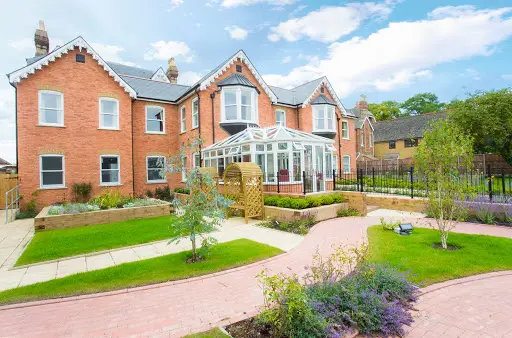
OSJCT The Heights
At a Glance
The information you need to decide whether this home warrants a closer look.
Nursing homes
Staff warmth score
of reviewers answered yes
Good to know
- Registered beds90
- SpecialismsCaring for adults over 65 yrs, Caring for adults under 65 yrs, Dementia, Learning disabilities, Physical disabilities
- Last inspected2019-02-05
Save OSJCT The Heights to your shortlist
Keep a running list, add visit notes, and compare homes side-by-side. Free account — it takes a minute.
STAGE 4 — RESEARCHING CARE HOMES
Visit homes. Compare them side by side. Choose with confidence.
Most of us will view care homes the way we view houses, impression, atmosphere, the feeling in the corridor. We go home, try to remember what we saw, and make a permanent decision from a blurred memory.

The DCC shortlist gives every home you visit a structured record: the same twelve questions, answered the same way, every time. When you’re ready to choose, pull any two homes side by side and compare them directly. Same criteria, same evidence, your notes and your scores.
The Evidence
What the review data, the inspection reports, and the dementia-care evidence base tell us about this home.
What families say
Visitors often mention how staff take time to really engage with residents, not just complete tasks. There's talk of patience when communication becomes difficult, and a willingness to learn what makes each person tick. Families describe seeing their relatives more settled and engaged than they'd been in months.
The eight family priority themes
- Staff warmth72
- Compassion & dignity72
- Cleanliness70
- Activities & engagement70
- Food quality65
- Healthcare82
- Management & leadership88
- Resident happiness72
What inspectors found
Inspected 2019-02-05
Is this home safe?
Is the care effective?
The Effective domain was rated Outstanding at the November 2018 inspection. This is the highest possible rating and indicates inspectors found strong evidence that staff know what they are doing, care plans are detailed and personalised, and healthcare needs are consistently met. An Outstanding Effective rating in a home supporting people with dementia and learning disabilities requires inspectors to see evidence of specialist training in practice, not just on paper. GP access, health monitoring, and nutritional care would all have been assessed as part of this domain. This is a genuine strength of the home as assessed at the time.Is this home caring?
The Caring domain was rated Good at the November 2018 inspection. This indicates inspectors were satisfied that staff treated residents with warmth, dignity, and respect during the visit. A Good Caring rating in a home supporting people with dementia, learning disabilities, and physical disabilities means inspectors saw evidence of person-led, respectful interactions. The published summary does not reproduce specific inspector observations or resident and family quotes for this domain. The absence of an Outstanding rating here may simply reflect that inspectors found consistent good practice without the exceptional, embedded culture needed to reach that higher level.Is the home responsive?
The Responsive domain was rated Good at the November 2018 inspection. This covers whether care is tailored to individuals, whether activities are meaningful and varied, and whether the home responds well to changing needs including end-of-life care. A Good rating here means inspectors found the home was meeting these requirements adequately. No specific activity programmes, individual engagement examples, or end-of-life care details are reproduced in the available text. For a home supporting people with dementia, learning disabilities, and physical disabilities, the range of individual need is significant.Is the home well-led?
The Well-led domain was rated Outstanding at the November 2018 inspection. This is the highest possible rating and indicates inspectors found strong, visible, and accountable leadership in place. The Fremantle Trust runs the home, with a registered manager and a nominated individual recorded at the time of inspection. An Outstanding Well-led rating requires inspectors to find evidence of a positive staff culture, robust governance, learning from incidents, and transparent communication with residents, families, and staff. This is genuinely one of the stronger signals a home can send about its quality trajectory.
Source: CQC inspection report →
What the evidence base says
The Heights specialises in dementia care, learning disabilities, and caring for adults over 65. They seem particularly experienced in supporting people whose dementia affects their communication or behaviour. The team shows practical understanding of how dementia affects daily life — recognising when someone needs extra reassurance, adapting their approach to each person's changing abilities. Families report seeing real improvements in their relatives' mood and willingness to participate in daily life. All areas worth probing directly during a visit.
The DCC Verdict
Our editorial view, built from the three lenses: what families tell us, what inspectors record, and how the home sits against good dementia-care practice.
DCC Family Score
The Heights earned an Outstanding overall rating, driven by particularly strong inspection findings in how it is led and how effectively it delivers care. Scores in warmth, activities, and food are conservative because the published inspection text does not contain the specific observations and testimony needed to rate those areas with confidence.
Homes in South East typically score 68–82.The three-lens summary
What families tell us
Visitors often mention how staff take time to really engage with residents, not just complete tasks. There's talk of patience when communication becomes difficult, and a willingness to learn what makes each person tick. Families describe seeing their relatives more settled and engaged than they'd been in months.
What inspectors have recorded
Staff come across as approachable and genuinely invested in residents' wellbeing. Families mention feeling heard when they raise concerns or share insights about their loved one's preferences. There's a sense that the team works together well, creating an atmosphere where good care feels consistent rather than dependent on who's on shift.
How it sits against good practice
If you're weighing up options in High Wycombe, The Heights might be worth adding to your shortlist, particularly if dementia-aware care is your priority.
Worth a visit
The Heights at 5 Langley Close, High Wycombe received an Outstanding overall rating at its last inspection in November 2018, with Outstanding awarded specifically for how effectively it delivers care and how well it is led. The Safe, Caring, and Responsive domains were all rated Good. The home is registered for 90 beds and supports people living with dementia, learning disabilities, and physical disabilities, as well as adults of all ages. The Fremantle Trust runs the service, and a registered manager was in post at the time of inspection. The main limitation here is that the full inspection text was not available for this report, which means the scores and domain summaries are based on the domain ratings rather than on specific inspector observations, resident quotes, or family testimony. The Outstanding ratings for Effective and Well-led are significant and genuinely meaningful, but you should visit in person and ask directly about night staffing ratios, how agency staff are managed, how often care plans are reviewed, and what one-to-one activities are offered to residents who cannot join group sessions. The inspection took place in 2018, which is now several years ago, so speak to the current manager about what has changed since then.
The three questions to ask when you visitSave this home. Compare it against your shortlist.
Let our analysis show you how OSJCT The Heights measures up against the other homes you’re considering. Free account.
In Their Own Words
How OSJCT The Heights describes itself — collected from its own website. DCC has not edited or independently verified the content in this tab.
Where understanding meets genuine warmth in dementia care
Compassionate Care in High Wycombe at The Heights
Families searching for dementia care in High Wycombe often worry whether staff will truly understand their loved one's needs. The Heights appears to offer something reassuring — a team who grasp not just the practical side of dementia care, but the importance of preserving dignity and sparking moments of joy. This purpose-built home combines professional expertise with the kind of warmth that helps residents feel genuinely valued.
Who they care for
The Heights specialises in dementia care, learning disabilities, and caring for adults over 65. They seem particularly experienced in supporting people whose dementia affects their communication or behaviour.
The team shows practical understanding of how dementia affects daily life — recognising when someone needs extra reassurance, adapting their approach to each person's changing abilities. Families report seeing real improvements in their relatives' mood and willingness to participate in daily life.
“If you're weighing up options in High Wycombe, The Heights might be worth adding to your shortlist, particularly if dementia-aware care is your priority.”
DCC does not edit or curate content in this tab. For independently curated information, see The Evidence and DCC Verdict.
The DCC Verdict
Our editorial view, built from the three lenses: what families tell us, what inspectors record, and how the home sits against good dementia-care practice.
DCC Family Score
The Heights earned an Outstanding overall rating, driven by particularly strong inspection findings in how it is led and how effectively it delivers care. Scores in warmth, activities, and food are conservative because the published inspection text does not contain the specific observations and testimony needed to rate those areas with confidence.
Homes in South East typically score 68–82.The three-lens summary
What families tell us
Visitors often mention how staff take time to really engage with residents, not just complete tasks. There's talk of patience when communication becomes difficult, and a willingness to learn what makes each person tick. Families describe seeing their relatives more settled and engaged than they'd been in months.
What inspectors have recorded
Staff come across as approachable and genuinely invested in residents' wellbeing. Families mention feeling heard when they raise concerns or share insights about their loved one's preferences. There's a sense that the team works together well, creating an atmosphere where good care feels consistent rather than dependent on who's on shift.
How it sits against good practice
If you're weighing up options in High Wycombe, The Heights might be worth adding to your shortlist, particularly if dementia-aware care is your priority.
Worth a visit
The Heights at 5 Langley Close, High Wycombe received an Outstanding overall rating at its last inspection in November 2018, with Outstanding awarded specifically for how effectively it delivers care and how well it is led. The Safe, Caring, and Responsive domains were all rated Good. The home is registered for 90 beds and supports people living with dementia, learning disabilities, and physical disabilities, as well as adults of all ages. The Fremantle Trust runs the service, and a registered manager was in post at the time of inspection. The main limitation here is that the full inspection text was not available for this report, which means the scores and domain summaries are based on the domain ratings rather than on specific inspector observations, resident quotes, or family testimony. The Outstanding ratings for Effective and Well-led are significant and genuinely meaningful, but you should visit in person and ask directly about night staffing ratios, how agency staff are managed, how often care plans are reviewed, and what one-to-one activities are offered to residents who cannot join group sessions. The inspection took place in 2018, which is now several years ago, so speak to the current manager about what has changed since then.
The three questions to ask when you visitSave this home. Compare it against your shortlist.
Let our analysis show you how OSJCT The Heights measures up against the other homes you’re considering. Free account.
In Their Own Words
How OSJCT The Heights describes itself — collected from its own website. DCC has not edited or independently verified the content in this tab.
Where understanding meets genuine warmth in dementia care
Compassionate Care in High Wycombe at The Heights
Families searching for dementia care in High Wycombe often worry whether staff will truly understand their loved one's needs. The Heights appears to offer something reassuring — a team who grasp not just the practical side of dementia care, but the importance of preserving dignity and sparking moments of joy. This purpose-built home combines professional expertise with the kind of warmth that helps residents feel genuinely valued.
Who they care for
The Heights specialises in dementia care, learning disabilities, and caring for adults over 65. They seem particularly experienced in supporting people whose dementia affects their communication or behaviour.
The team shows practical understanding of how dementia affects daily life — recognising when someone needs extra reassurance, adapting their approach to each person's changing abilities. Families report seeing real improvements in their relatives' mood and willingness to participate in daily life.
Management & ethos
Staff come across as approachable and genuinely invested in residents' wellbeing. Families mention feeling heard when they raise concerns or share insights about their loved one's preferences. There's a sense that the team works together well, creating an atmosphere where good care feels consistent rather than dependent on who's on shift.
The home & environment
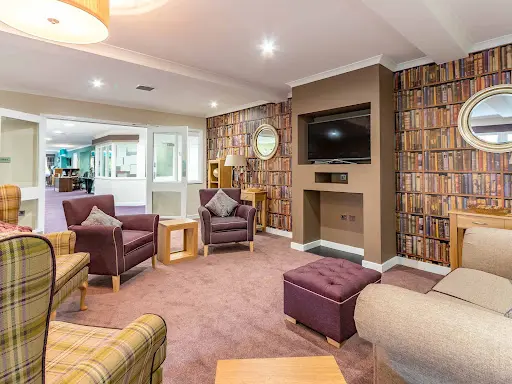
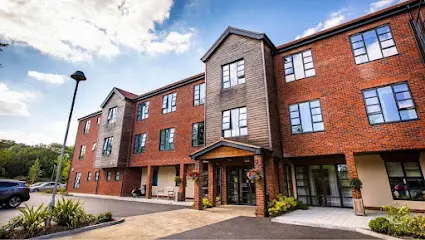
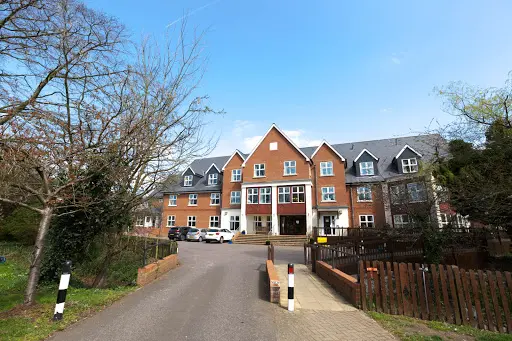
The building itself gets consistent praise for being clean, bright and thoughtfully designed. Outdoor spaces provide welcome variety, while inside there's a programme of activities that seems to hit the right note — sing-alongs, quizzes and entertainment that residents actually want to join. Food presentation and quality appear to be priorities too.
“If you're weighing up options in High Wycombe, The Heights might be worth adding to your shortlist, particularly if dementia-aware care is your priority.”
DCC does not edit or curate content in this tab. For independently curated information, see The Evidence and DCC Verdict.