The Dales Nursing Home

At a Glance
The information you need to decide whether this home warrants a closer look.
Nursing homes
Staff warmth score
of reviewers answered yes
Good to know
- Registered beds31
- SpecialismsCaring for adults over 65 yrs, Dementia, Physical disabilities
- Last inspected2020-01-10
Save The Dales Nursing Home to your shortlist
Keep a running list, add visit notes, and compare homes side-by-side. Free account — it takes a minute.
STAGE 4 — RESEARCHING CARE HOMES
Visit homes. Compare them side by side. Choose with confidence.
Most of us will view care homes the way we view houses, impression, atmosphere, the feeling in the corridor. We go home, try to remember what we saw, and make a permanent decision from a blurred memory.

The DCC shortlist gives every home you visit a structured record: the same twelve questions, answered the same way, every time. When you’re ready to choose, pull any two homes side by side and compare them directly. Same criteria, same evidence, your notes and your scores.
The Evidence
What the review data, the inspection reports, and the dementia-care evidence base tell us about this home.
What families say
Families describe the nursing team's approach as consistently patient and respectful, particularly when residents face challenging health conditions. The home has built a reputation for helping residents feel settled and maintain their wellbeing over extended stays.
The eight family priority themes
- Staff warmth55
- Compassion & dignity60
- Cleanliness55
- Activities & engagement50
- Food quality50
- Healthcare50
- Management & leadership65
- Resident happiness55
What inspectors found
Inspected 2020-01-10
Is this home safe?
Is the care effective?
The Effective domain was rated Good at the October 2019 inspection. This domain covers care planning, staff training, healthcare access, and nutrition. The published summary does not include specific observations, quotes, or examples from this domain. The home cares for people over 65, people with dementia, and people with physical disabilities, so effective practice across those three groups requires distinct knowledge and approaches. No information is available on how frequently care plans are reviewed or how families are involved.Is this home caring?
The Caring domain was rated Good at the October 2019 inspection. This domain covers staff warmth, dignity, respect, and support for independence. The published summary contains no specific inspector observations, resident quotes, or relative feedback from this domain. The home's specialism in dementia care means that caring practice should include non-verbal communication and person-led approaches tailored to individuals who may not be able to express their preferences verbally. No evidence of this is available in the published findings.Is the home responsive?
The Responsive domain was rated Good at the October 2019 inspection. This domain covers how well the home tailors care to individual needs, the activity programme, complaints handling, and end-of-life care. The published summary does not include specific examples of activities, individual adjustments, or end-of-life planning. The home's 31 beds and three specialisms suggest a relatively small, mixed-needs environment where truly individual responsiveness requires deliberate effort.Is the home well-led?
The Well-led domain was rated Good at the October 2019 inspection. The home is registered with a named manager and a nominated individual, indicating a formal governance structure. The published summary does not include specific observations about management visibility, staff culture, or how the home handles complaints and learning from incidents. The home has only one recorded inspection, so there is no pattern of consistent Well-led ratings to draw on.
Source: CQC inspection report →
What the evidence base says
The Dales provides specialist care for people over 65 with dementia and physical disabilities. Their nursing team has developed particular expertise in end-of-life care. The home accepts residents living with dementia as part of their wider care provision for older adults with complex health needs. All areas worth probing directly during a visit.
The DCC Verdict
Our editorial view, built from the three lenses: what families tell us, what inspectors record, and how the home sits against good dementia-care practice.
DCC Family Score
The Dales Nursing Home scored 62 out of 100, reflecting a Good overall rating with four domains rated Good, but held back by a Requires Improvement in Safe and very limited specific detail in the published inspection report across most areas that families care about most.
Homes in South West typically score 68–82.The three-lens summary
What families tell us
Families describe the nursing team's approach as consistently patient and respectful, particularly when residents face challenging health conditions. The home has built a reputation for helping residents feel settled and maintain their wellbeing over extended stays.
What inspectors have recorded
The nursing staff demonstrate particular skill in palliative care, with families feeling well-informed and supported throughout their loved ones' care journey. However, the home faces challenges with staffing levels that can affect response times to daily care needs.
How it sits against good practice
For families seeking compassionate end-of-life care in Exeter, The Dales offers experienced nursing support during life's most difficult moments.
Worth a visit
The Dales Nursing Home at 19-20 Howell Road, Exeter was rated Good overall at its inspection in October 2019, with Good ratings in Effective, Caring, Responsive, and Well-led. The Safe domain was rated Requires Improvement at that inspection. A review of available data in July 2023 did not prompt a reassessment of the rating, meaning the Good overall rating remains current, but the published findings contain very limited specific detail about what daily life looks like for your parent. The Requires Improvement in Safe is the most important thing to explore before making a decision. The published report does not explain exactly what the inspectors found concerning in that domain, so you will need to ask the home directly. Specifically, ask the manager what the Safe rating related to, what has changed since October 2019, and whether the home has had a full re-inspection. The home has only one recorded inspection, which means there is no trend data to reassure you that things have consistently improved. Visit in person, ideally unannounced or at a quiet time such as early evening, and observe whether staff appear calm, unhurried, and responsive to residents.
The three questions to ask when you visitSave this home. Compare it against your shortlist.
Let our analysis show you how The Dales Nursing Home measures up against the other homes you’re considering. Free account.
In Their Own Words
How The Dales Nursing Home describes itself — collected from its own website. DCC has not edited or independently verified the content in this tab.
Where kindness meets families through life's final chapters
Compassionate Care in Exeter at The Dales Nursing Home
When families face the heart-wrenching journey of end-of-life care, finding genuine compassion matters more than anything else. The Dales Nursing Home in Exeter brings together experienced nursing staff who understand how to support both residents and their loved ones through difficult transitions. This care home specialises in supporting older adults with complex needs, including dementia and physical disabilities.
Who they care for
The Dales provides specialist care for people over 65 with dementia and physical disabilities. Their nursing team has developed particular expertise in end-of-life care.
The home accepts residents living with dementia as part of their wider care provision for older adults with complex health needs.
“For families seeking compassionate end-of-life care in Exeter, The Dales offers experienced nursing support during life's most difficult moments.”
DCC does not edit or curate content in this tab. For independently curated information, see The Evidence and DCC Verdict.
The DCC Verdict
Our editorial view, built from the three lenses: what families tell us, what inspectors record, and how the home sits against good dementia-care practice.
DCC Family Score
The Dales Nursing Home scored 62 out of 100, reflecting a Good overall rating with four domains rated Good, but held back by a Requires Improvement in Safe and very limited specific detail in the published inspection report across most areas that families care about most.
Homes in South West typically score 68–82.The three-lens summary
What families tell us
Families describe the nursing team's approach as consistently patient and respectful, particularly when residents face challenging health conditions. The home has built a reputation for helping residents feel settled and maintain their wellbeing over extended stays.
What inspectors have recorded
The nursing staff demonstrate particular skill in palliative care, with families feeling well-informed and supported throughout their loved ones' care journey. However, the home faces challenges with staffing levels that can affect response times to daily care needs.
How it sits against good practice
For families seeking compassionate end-of-life care in Exeter, The Dales offers experienced nursing support during life's most difficult moments.
Worth a visit
The Dales Nursing Home at 19-20 Howell Road, Exeter was rated Good overall at its inspection in October 2019, with Good ratings in Effective, Caring, Responsive, and Well-led. The Safe domain was rated Requires Improvement at that inspection. A review of available data in July 2023 did not prompt a reassessment of the rating, meaning the Good overall rating remains current, but the published findings contain very limited specific detail about what daily life looks like for your parent. The Requires Improvement in Safe is the most important thing to explore before making a decision. The published report does not explain exactly what the inspectors found concerning in that domain, so you will need to ask the home directly. Specifically, ask the manager what the Safe rating related to, what has changed since October 2019, and whether the home has had a full re-inspection. The home has only one recorded inspection, which means there is no trend data to reassure you that things have consistently improved. Visit in person, ideally unannounced or at a quiet time such as early evening, and observe whether staff appear calm, unhurried, and responsive to residents.
The three questions to ask when you visitSave this home. Compare it against your shortlist.
Let our analysis show you how The Dales Nursing Home measures up against the other homes you’re considering. Free account.
In Their Own Words
How The Dales Nursing Home describes itself — collected from its own website. DCC has not edited or independently verified the content in this tab.
Where kindness meets families through life's final chapters
Compassionate Care in Exeter at The Dales Nursing Home
When families face the heart-wrenching journey of end-of-life care, finding genuine compassion matters more than anything else. The Dales Nursing Home in Exeter brings together experienced nursing staff who understand how to support both residents and their loved ones through difficult transitions. This care home specialises in supporting older adults with complex needs, including dementia and physical disabilities.
Who they care for
The Dales provides specialist care for people over 65 with dementia and physical disabilities. Their nursing team has developed particular expertise in end-of-life care.
The home accepts residents living with dementia as part of their wider care provision for older adults with complex health needs.
Management & ethos
The nursing staff demonstrate particular skill in palliative care, with families feeling well-informed and supported throughout their loved ones' care journey. However, the home faces challenges with staffing levels that can affect response times to daily care needs.
The home & environment
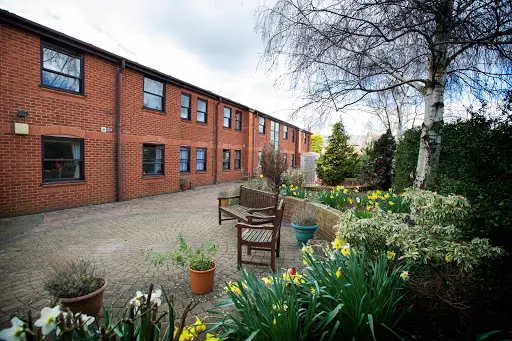
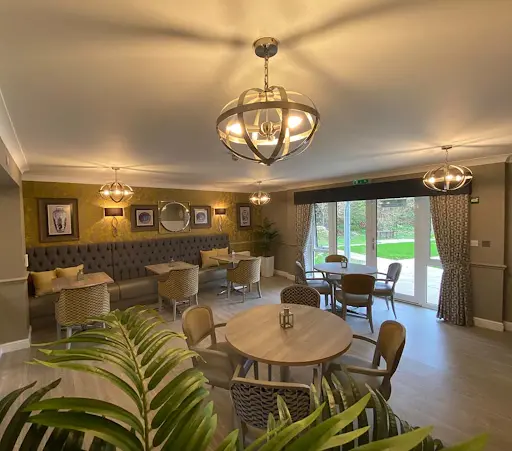
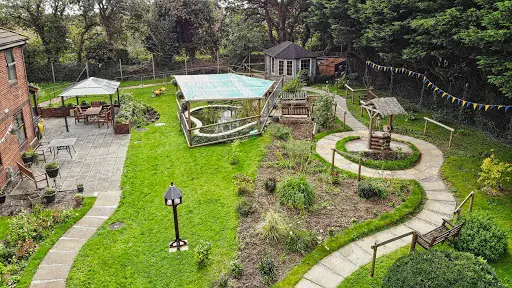
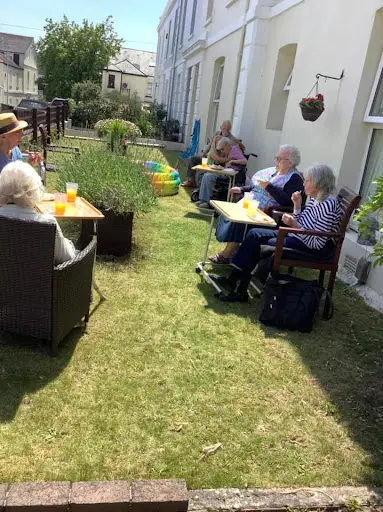
The home prepares breakfast and lunch meals on-site, though evening meal arrangements have been noted as more basic. Care teams work to keep residents engaged despite complex health needs.
“For families seeking compassionate end-of-life care in Exeter, The Dales offers experienced nursing support during life's most difficult moments.”
DCC does not edit or curate content in this tab. For independently curated information, see The Evidence and DCC Verdict.