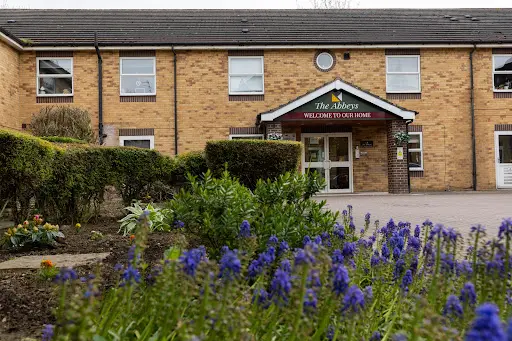
The Abbeys Care Home
At a Glance
The information you need to decide whether this home warrants a closer look.
Residential homes
Staff warmth score
of reviewers answered yes
Good to know
- Registered beds80
- SpecialismsCaring for adults over 65 yrs, Caring for adults under 65 yrs, Dementia, Physical disabilities
- Last inspected2018-11-16
Save The Abbeys Care Home to your shortlist
Keep a running list, add visit notes, and compare homes side-by-side. Free account — it takes a minute.
STAGE 4 — RESEARCHING CARE HOMES
Visit homes. Compare them side by side. Choose with confidence.
Most of us will view care homes the way we view houses, impression, atmosphere, the feeling in the corridor. We go home, try to remember what we saw, and make a permanent decision from a blurred memory.

The DCC shortlist gives every home you visit a structured record: the same twelve questions, answered the same way, every time. When you’re ready to choose, pull any two homes side by side and compare them directly. Same criteria, same evidence, your notes and your scores.
The Evidence
What the review data, the inspection reports, and the dementia-care evidence base tell us about this home.
What families say
People talk about the warmth they feel here — not just in how staff greet visitors, but in the way they connect with residents throughout the day. Family members mention seeing their loved ones participating in activities, with photos on notice boards showing real moments of enjoyment.
The eight family priority themes
- Staff warmth72
- Compassion & dignity72
- Cleanliness70
- Activities & engagement65
- Food quality65
- Healthcare70
- Management & leadership75
- Resident happiness70
What inspectors found
Inspected 2018-11-16
Is this home safe?
Is the care effective?
The Effective domain was rated Good at the February 2024 inspection. This domain covers staff training, care planning, healthcare access, and nutrition. The published text does not describe what dementia training staff have received, how frequently care plans are reviewed, or how GP access is arranged. Dementia is listed as a specialism, which means inspectors will have considered whether the home has the skills and systems to support people living with dementia.Is this home caring?
The Caring domain was rated Good at the February 2024 inspection. This domain covers staff warmth, dignity, privacy, and how well staff know the people they care for. The published summary does not include any inspector observations on how staff interacted with residents, whether people were addressed by preferred names, or whether care felt unhurried. No resident or family quotes are available from the published text.Is the home responsive?
The Responsive domain was rated Good at the February 2024 inspection. This domain covers activities, individual engagement, and end-of-life care. The published text does not describe what activities are available, how often they run, whether one-to-one engagement is available for people who cannot join groups, or how end-of-life wishes are recorded. The home supports people with dementia and physical disabilities, both of whom may have limited ability to participate in standard group activities.Is the home well-led?
The Well-led domain was rated Good at the February 2024 inspection. Named leadership is in place, with a Registered Manager and a Nominated Individual recorded on the inspection register. The improvement from Requires Improvement to Good across all domains suggests that management has been able to identify problems and address them, which is itself a positive signal. The published text does not describe governance processes, staff culture, quality assurance systems, or how the manager is experienced by staff and residents day to day.
Source: CQC inspection report →
What the evidence base says
The Abbeys provides care for adults both over and under 65, including those living with dementia or physical disabilities. For residents with dementia, the home offers specialized support within their broader care approach. The variety of activities and staff attentiveness helps create structure and engagement throughout the day. All areas worth probing directly during a visit.
The DCC Verdict
Our editorial view, built from the three lenses: what families tell us, what inspectors record, and how the home sits against good dementia-care practice.
DCC Family Score
The Abbeys has improved from Requires Improvement to a Good rating across all five domains, which is a meaningful step forward. However, the published inspection report contains very limited specific detail, so most scores reflect the overall rating rather than direct observations or testimony.
Homes in Yorkshire & Humberside typically score 68–82.The three-lens summary
What families tell us
People talk about the warmth they feel here — not just in how staff greet visitors, but in the way they connect with residents throughout the day. Family members mention seeing their loved ones participating in activities, with photos on notice boards showing real moments of enjoyment.
What inspectors have recorded
The manager here is hands-on and visible, working closely with staff and residents alike. Families appreciate this presence, noting how it creates a sense of leadership that flows through the whole team. Communication feels natural and open.
How it sits against good practice
If you're considering respite care, families have found the team here particularly supportive in helping navigate that transition.
Worth a visit
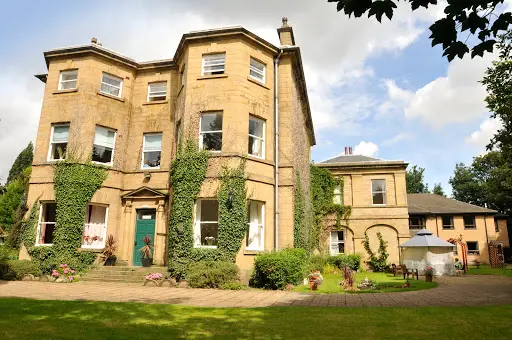
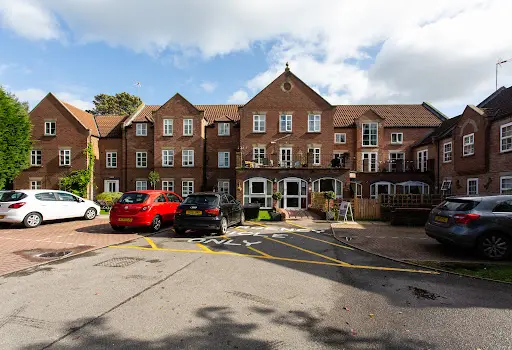
The Abbeys, on High Street in Rotherham, was assessed in February 2024 and rated Good across all five domains, including safety, effectiveness, caring, responsiveness, and leadership. This is a genuine improvement from a previous Requires Improvement rating, which matters because a home that has demonstrated it can improve is showing the kind of management accountability that predicts ongoing quality. The home has 80 beds and lists dementia, physical disabilities, and care for adults of all ages as specialisms. The important caveat for you as a visitor is that the published inspection report is a brief summary, and very little specific detail is available: no direct observations from inspectors, no resident or family quotes, and no description of day-to-day life are included in the text available. A Good rating is reassuring, but it cannot tell you whether your mum or dad will be treated with warmth, whether the food suits their tastes, or whether someone will sit with them one to one on a difficult afternoon. Before committing, ask to see the full inspection report, visit at different times of day, and speak to the manager directly about dementia-specific staffing and night cover for a home this size.
The three questions to ask when you visitSave this home. Compare it against your shortlist.
Let our analysis show you how The Abbeys Care Home measures up against the other homes you’re considering. Free account.
In Their Own Words
How The Abbeys Care Home describes itself — collected from its own website. DCC has not edited or independently verified the content in this tab.
Where swimming and bike rides bring everyday joy to residents
Compassionate Care in Rotherham at The Abbeys
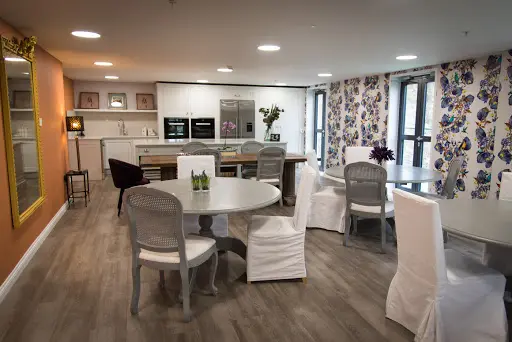
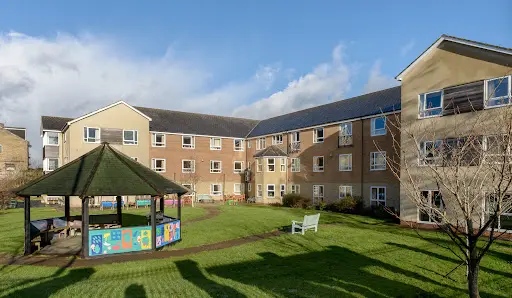
The Abbeys in Rotherham brings a refreshing energy to care, where residents head out for bike rides and swimming trips alongside quieter pleasures like visiting singers and coffee mornings. Families describe walking into bright, airy spaces that feel genuinely welcoming from the first moment.
Who they care for
The Abbeys provides care for adults both over and under 65, including those living with dementia or physical disabilities.
For residents with dementia, the home offers specialized support within their broader care approach. The variety of activities and staff attentiveness helps create structure and engagement throughout the day.
“If you're considering respite care, families have found the team here particularly supportive in helping navigate that transition.”
DCC does not edit or curate content in this tab. For independently curated information, see The Evidence and DCC Verdict.
The DCC Verdict
Our editorial view, built from the three lenses: what families tell us, what inspectors record, and how the home sits against good dementia-care practice.
DCC Family Score
The Abbeys has improved from Requires Improvement to a Good rating across all five domains, which is a meaningful step forward. However, the published inspection report contains very limited specific detail, so most scores reflect the overall rating rather than direct observations or testimony.
Homes in Yorkshire & Humberside typically score 68–82.The three-lens summary
What families tell us
People talk about the warmth they feel here — not just in how staff greet visitors, but in the way they connect with residents throughout the day. Family members mention seeing their loved ones participating in activities, with photos on notice boards showing real moments of enjoyment.
What inspectors have recorded
The manager here is hands-on and visible, working closely with staff and residents alike. Families appreciate this presence, noting how it creates a sense of leadership that flows through the whole team. Communication feels natural and open.
How it sits against good practice
If you're considering respite care, families have found the team here particularly supportive in helping navigate that transition.
Worth a visit
The Abbeys, on High Street in Rotherham, was assessed in February 2024 and rated Good across all five domains, including safety, effectiveness, caring, responsiveness, and leadership. This is a genuine improvement from a previous Requires Improvement rating, which matters because a home that has demonstrated it can improve is showing the kind of management accountability that predicts ongoing quality. The home has 80 beds and lists dementia, physical disabilities, and care for adults of all ages as specialisms. The important caveat for you as a visitor is that the published inspection report is a brief summary, and very little specific detail is available: no direct observations from inspectors, no resident or family quotes, and no description of day-to-day life are included in the text available. A Good rating is reassuring, but it cannot tell you whether your mum or dad will be treated with warmth, whether the food suits their tastes, or whether someone will sit with them one to one on a difficult afternoon. Before committing, ask to see the full inspection report, visit at different times of day, and speak to the manager directly about dementia-specific staffing and night cover for a home this size.
The three questions to ask when you visitSave this home. Compare it against your shortlist.
Let our analysis show you how The Abbeys Care Home measures up against the other homes you’re considering. Free account.
In Their Own Words
How The Abbeys Care Home describes itself — collected from its own website. DCC has not edited or independently verified the content in this tab.
Where swimming and bike rides bring everyday joy to residents
Compassionate Care in Rotherham at The Abbeys
The Abbeys in Rotherham brings a refreshing energy to care, where residents head out for bike rides and swimming trips alongside quieter pleasures like visiting singers and coffee mornings. Families describe walking into bright, airy spaces that feel genuinely welcoming from the first moment.
Who they care for
The Abbeys provides care for adults both over and under 65, including those living with dementia or physical disabilities.
For residents with dementia, the home offers specialized support within their broader care approach. The variety of activities and staff attentiveness helps create structure and engagement throughout the day.
Management & ethos
The manager here is hands-on and visible, working closely with staff and residents alike. Families appreciate this presence, noting how it creates a sense of leadership that flows through the whole team. Communication feels natural and open.
The home & environment
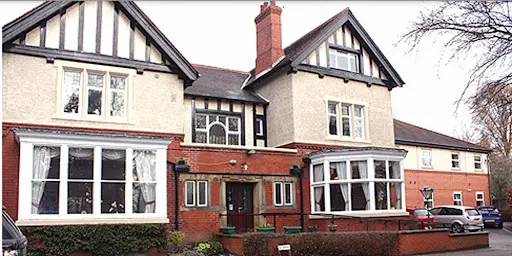
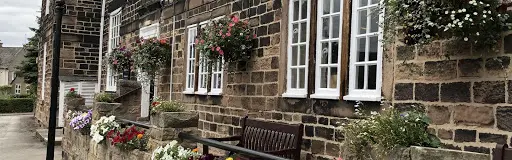
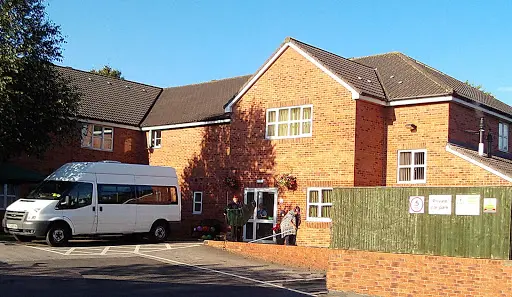
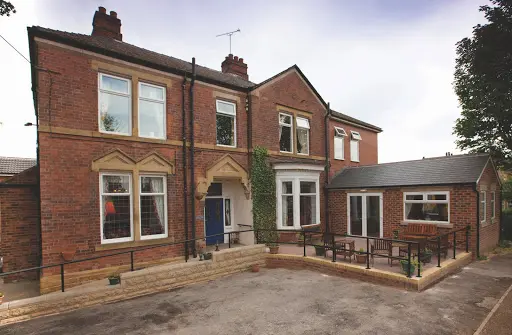
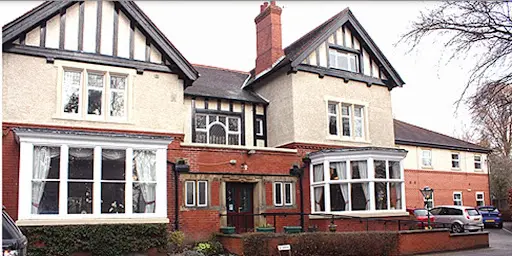
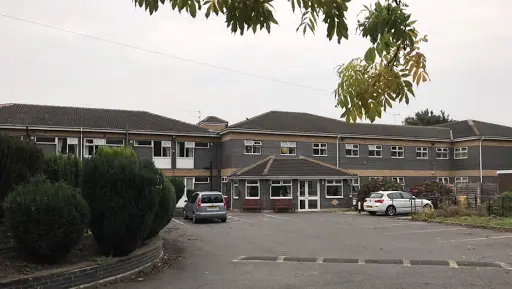
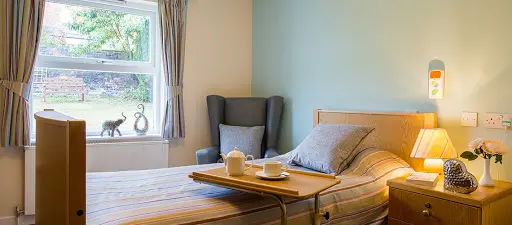
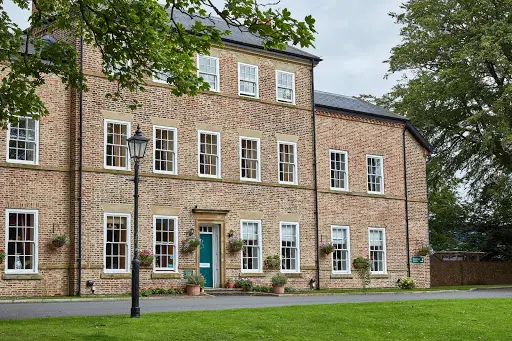
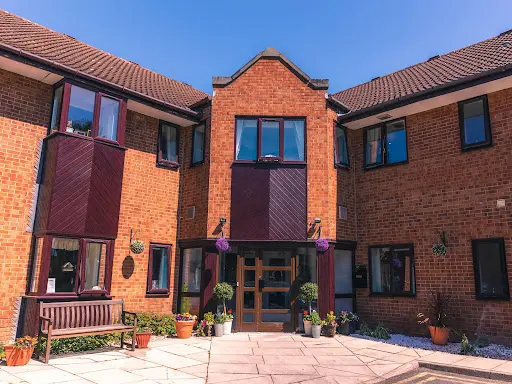
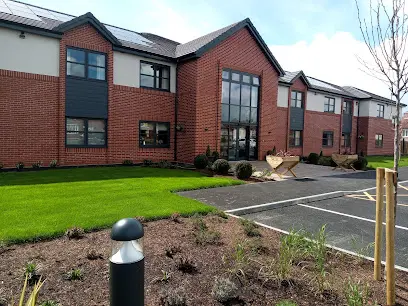
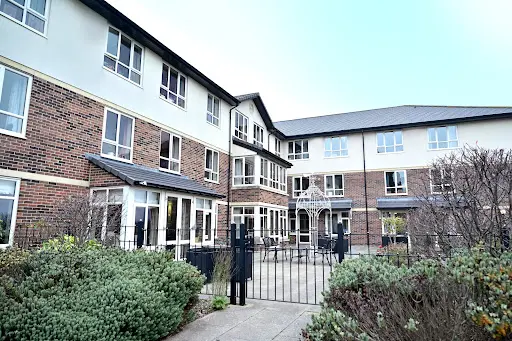
The home feels fresh and well-kept, with rooms that families describe as light and airy. There's a pleasant atmosphere throughout, and the range of activities — from swimming trips to coffee mornings — gives residents genuine choices about how they spend their days.
“If you're considering respite care, families have found the team here particularly supportive in helping navigate that transition.”
DCC does not edit or curate content in this tab. For independently curated information, see The Evidence and DCC Verdict.