Springbank Nursing Home
At a Glance
The information you need to decide whether this home warrants a closer look.
Nursing homes
Staff warmth score
of reviewers answered yes
Good to know
- Registered beds42
- SpecialismsCaring for adults over 65 yrs, Dementia, Physical disabilities
- Last inspected2019-11-22
Save Springbank Nursing Home to your shortlist
Keep a running list, add visit notes, and compare homes side-by-side. Free account — it takes a minute.
STAGE 4 — RESEARCHING CARE HOMES
Visit homes. Compare them side by side. Choose with confidence.
Most of us will view care homes the way we view houses, impression, atmosphere, the feeling in the corridor. We go home, try to remember what we saw, and make a permanent decision from a blurred memory.

The DCC shortlist gives every home you visit a structured record: the same twelve questions, answered the same way, every time. When you’re ready to choose, pull any two homes side by side and compare them directly. Same criteria, same evidence, your notes and your scores.
The Evidence
What the review data, the inspection reports, and the dementia-care evidence base tell us about this home.
What families say
People talk about feeling genuinely included in their loved one's care here. Relatives mention being able to visit whenever they want, including evenings and weekends, and say they're kept informed about changes or concerns. Several families have shared how supported they felt during difficult end-of-life journeys.
The eight family priority themes
- Staff warmth55
- Compassion & dignity55
- Cleanliness55
- Activities & engagement50
- Food quality50
- Healthcare55
- Management & leadership65
- Resident happiness55
What inspectors found
Inspected 2019-11-22
Is this home safe?
Is the care effective?
The home was rated Good for effectiveness at its last inspection. Dementia is listed as a specialism and the home also treats disease and disorder beyond basic personal care, indicating a clinical function. The published inspection text does not describe training programmes, care plan quality, GP access arrangements, or how dietary needs are managed. No concerns about effectiveness were recorded.Is this home caring?
The home was rated Good for caring at its last inspection. No inspector observations about staff interactions, use of preferred names, response to distress, or pace of care are included in the published text. There are no quotes from residents or relatives in the available report. The Good rating indicates inspectors did not observe poor practice, but the published findings do not describe what good practice looked like in this home specifically.Is the home responsive?
The home was rated Good for responsiveness at its last inspection. Activities, individual engagement, and end-of-life care planning are not described in the published text. The home lists dementia as a specialism, which implies some tailoring of care to individual need, but no specific examples are provided. No concerns about responsiveness were recorded.Is the home well-led?
The home was rated Good for leadership at its last inspection. Mrs Lyn Mataranyika is named as the registered manager and Mr Hassan Tharani as the nominated individual, indicating an identifiable leadership structure. The home improved from Requires Improvement to Good, which suggests the management team was able to identify problems and address them. The published text does not describe the manager's tenure, visibility, or how the home involves staff and families in quality improvement.
Source: CQC inspection report →
What the evidence base says
The home cares for adults over 65 with dementia, physical disabilities and complex nursing needs. Their dual registration means residents can move between residential and nursing care without having to relocate. The home's manager holds specialist dementia qualifications, bringing particular expertise to supporting residents with memory loss. This specialist knowledge shapes the approach to care throughout the home. All areas worth probing directly during a visit.
The DCC Verdict
Our editorial view, built from the three lenses: what families tell us, what inspectors record, and how the home sits against good dementia-care practice.
DCC Family Score
Springbank Nursing Home holds a Good rating across all five inspection domains, which is a meaningful achievement given it previously required improvement. However, the published inspection text contains very limited specific detail, so scores reflect the rating itself rather than observed evidence of what daily life looks like for your parent.
Homes in West Midlands typically score 68–82.The three-lens summary
What families tell us
People talk about feeling genuinely included in their loved one's care here. Relatives mention being able to visit whenever they want, including evenings and weekends, and say they're kept informed about changes or concerns. Several families have shared how supported they felt during difficult end-of-life journeys.
What inspectors have recorded
The management team includes dementia specialists who families say are notably dedicated to their work. Staff are described as present and accessible across all shifts, including nights and bank holidays, with managers who respond to concerns even outside regular office hours.
How it sits against good practice
If you'd like to understand more about how Springbank supports families through changing care needs, arranging a visit could help you get a feel for their approach.
Worth a visit
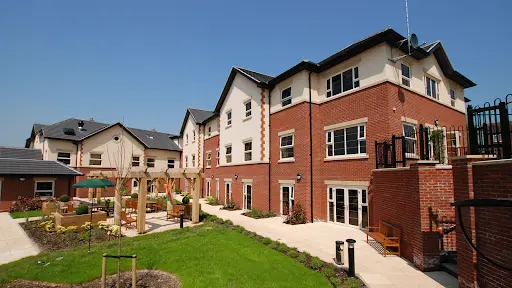
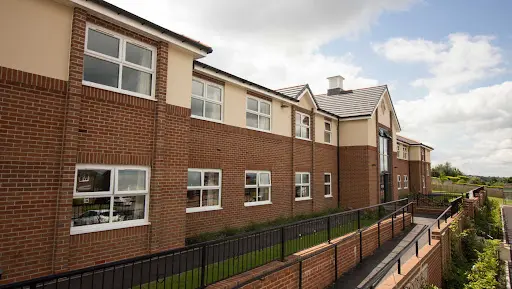
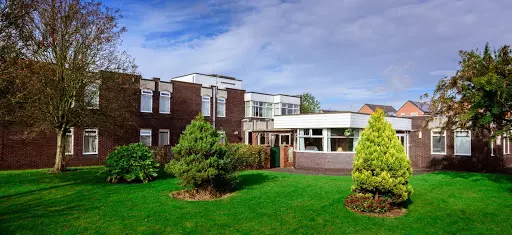
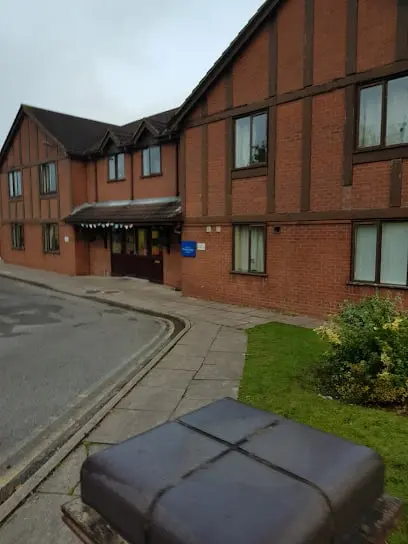
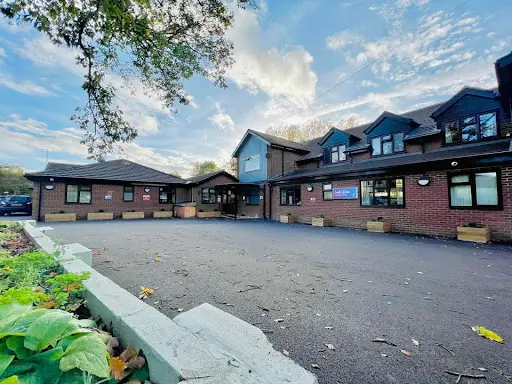
Springbank Nursing Home, on Mill Hayes Road in Stoke-on-Trent, was rated Good across all five inspection domains at its last inspection, published in January 2022. This is a genuinely positive result, particularly because the home previously held a Requires Improvement rating, meaning the leadership team identified what was not working and fixed it. The home provides nursing care for up to 42 people, with specialisms in dementia and physical disabilities, and has a named registered manager in post. The main limitation of this report is how little specific detail the published inspection text contains. There are no inspector observations about daily life, no quotes from residents or relatives, and no descriptions of food, activities, staffing ratios, or the physical environment. A Good rating tells you the home met the required standard at the time of inspection, but it does not tell you what it feels like to live there. When you visit, ask to see the staffing rota for last week (including nights), ask what a typical Tuesday looks like for someone with dementia who does not join group activities, and walk through the unit unannounced if you can. The inspection finding of improvement is encouraging; your job on a visit is to see whether that improvement is visible in day-to-day life.
The three questions to ask when you visitSave this home. Compare it against your shortlist.
Let our analysis show you how Springbank Nursing Home measures up against the other homes you’re considering. Free account.
In Their Own Words
How Springbank Nursing Home describes itself — collected from its own website. DCC has not edited or independently verified the content in this tab.
Where families stay close through every stage of care
Springbank Nursing Home – Your Trusted nursing home
When you're looking for nursing care that keeps families genuinely involved, Springbank Nursing Home in Stoke On Trent understands what matters. This dual-registered home supports both residential and nursing needs, which means residents can stay in familiar surroundings even when their care needs change. Families describe a place where they're welcomed any time of day or night.
Who they care for
The home cares for adults over 65 with dementia, physical disabilities and complex nursing needs. Their dual registration means residents can move between residential and nursing care without having to relocate.
The home's manager holds specialist dementia qualifications, bringing particular expertise to supporting residents with memory loss. This specialist knowledge shapes the approach to care throughout the home.
“If you'd like to understand more about how Springbank supports families through changing care needs, arranging a visit could help you get a feel for their approach.”
DCC does not edit or curate content in this tab. For independently curated information, see The Evidence and DCC Verdict.
The DCC Verdict
Our editorial view, built from the three lenses: what families tell us, what inspectors record, and how the home sits against good dementia-care practice.
DCC Family Score
Springbank Nursing Home holds a Good rating across all five inspection domains, which is a meaningful achievement given it previously required improvement. However, the published inspection text contains very limited specific detail, so scores reflect the rating itself rather than observed evidence of what daily life looks like for your parent.
Homes in West Midlands typically score 68–82.The three-lens summary
What families tell us
People talk about feeling genuinely included in their loved one's care here. Relatives mention being able to visit whenever they want, including evenings and weekends, and say they're kept informed about changes or concerns. Several families have shared how supported they felt during difficult end-of-life journeys.
What inspectors have recorded
The management team includes dementia specialists who families say are notably dedicated to their work. Staff are described as present and accessible across all shifts, including nights and bank holidays, with managers who respond to concerns even outside regular office hours.
How it sits against good practice
If you'd like to understand more about how Springbank supports families through changing care needs, arranging a visit could help you get a feel for their approach.
Worth a visit
Springbank Nursing Home, on Mill Hayes Road in Stoke-on-Trent, was rated Good across all five inspection domains at its last inspection, published in January 2022. This is a genuinely positive result, particularly because the home previously held a Requires Improvement rating, meaning the leadership team identified what was not working and fixed it. The home provides nursing care for up to 42 people, with specialisms in dementia and physical disabilities, and has a named registered manager in post. The main limitation of this report is how little specific detail the published inspection text contains. There are no inspector observations about daily life, no quotes from residents or relatives, and no descriptions of food, activities, staffing ratios, or the physical environment. A Good rating tells you the home met the required standard at the time of inspection, but it does not tell you what it feels like to live there. When you visit, ask to see the staffing rota for last week (including nights), ask what a typical Tuesday looks like for someone with dementia who does not join group activities, and walk through the unit unannounced if you can. The inspection finding of improvement is encouraging; your job on a visit is to see whether that improvement is visible in day-to-day life.
The three questions to ask when you visitSave this home. Compare it against your shortlist.
Let our analysis show you how Springbank Nursing Home measures up against the other homes you’re considering. Free account.
In Their Own Words
How Springbank Nursing Home describes itself — collected from its own website. DCC has not edited or independently verified the content in this tab.
Where families stay close through every stage of care
Springbank Nursing Home – Your Trusted nursing home
When you're looking for nursing care that keeps families genuinely involved, Springbank Nursing Home in Stoke On Trent understands what matters. This dual-registered home supports both residential and nursing needs, which means residents can stay in familiar surroundings even when their care needs change. Families describe a place where they're welcomed any time of day or night.
Who they care for
The home cares for adults over 65 with dementia, physical disabilities and complex nursing needs. Their dual registration means residents can move between residential and nursing care without having to relocate.
The home's manager holds specialist dementia qualifications, bringing particular expertise to supporting residents with memory loss. This specialist knowledge shapes the approach to care throughout the home.
Management & ethos
The management team includes dementia specialists who families say are notably dedicated to their work. Staff are described as present and accessible across all shifts, including nights and bank holidays, with managers who respond to concerns even outside regular office hours.
The home & environment
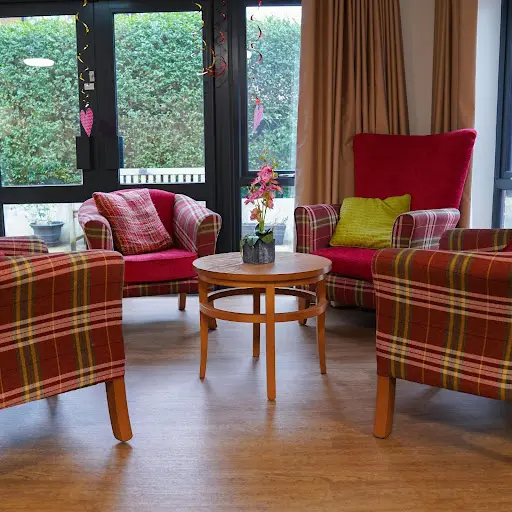
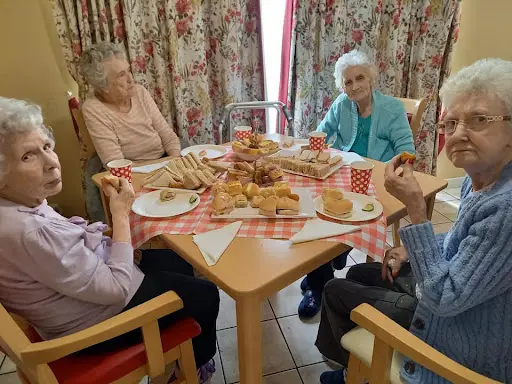
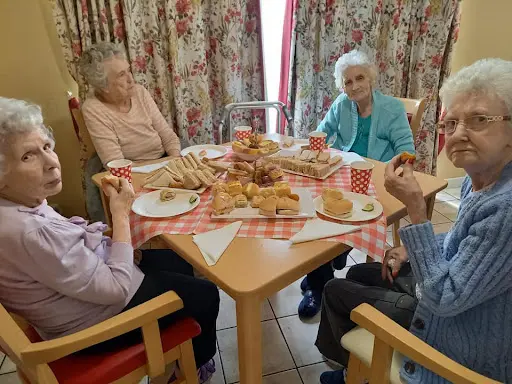
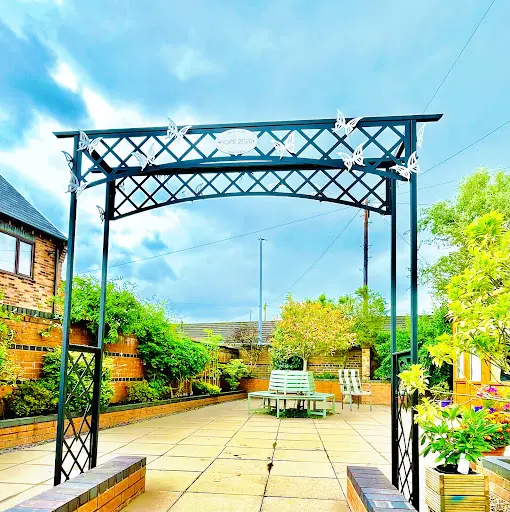
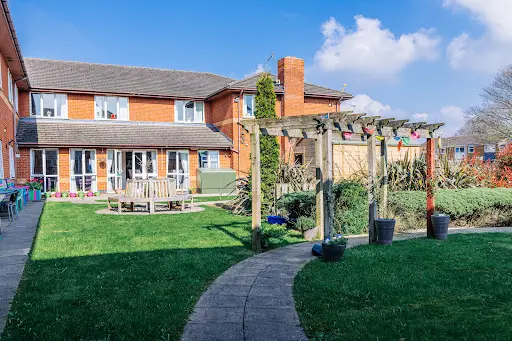
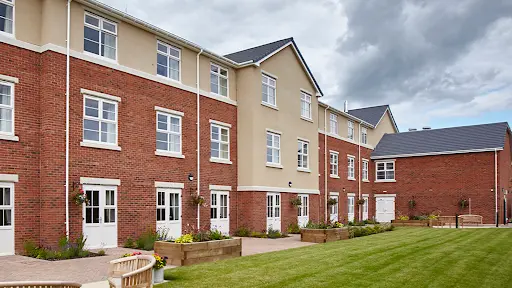
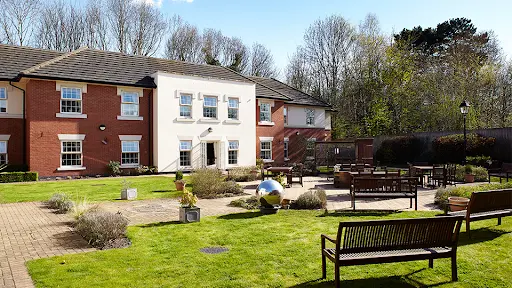
The home offers different spaces for activities, with families mentioning everything from live entertainment to quieter board games and bingo sessions. People describe the environment as clean and well-maintained, with food that looks and tastes good.
“If you'd like to understand more about how Springbank supports families through changing care needs, arranging a visit could help you get a feel for their approach.”
DCC does not edit or curate content in this tab. For independently curated information, see The Evidence and DCC Verdict.