Parkland House
At a Glance
The information you need to decide whether this home warrants a closer look.
Residential homes
Staff warmth score
of reviewers answered yes
Good to know
- Registered beds52
- SpecialismsCaring for adults over 65 yrs, Dementia, Physical disabilities
- Last inspected2019-06-01
Save Parkland House to your shortlist
Keep a running list, add visit notes, and compare homes side-by-side. Free account — it takes a minute.
STAGE 4 — RESEARCHING CARE HOMES
Visit homes. Compare them side by side. Choose with confidence.
Most of us will view care homes the way we view houses, impression, atmosphere, the feeling in the corridor. We go home, try to remember what we saw, and make a permanent decision from a blurred memory.

The DCC shortlist gives every home you visit a structured record: the same twelve questions, answered the same way, every time. When you’re ready to choose, pull any two homes side by side and compare them directly. Same criteria, same evidence, your notes and your scores.
The Evidence
What the review data, the inspection reports, and the dementia-care evidence base tell us about this home.
What families say
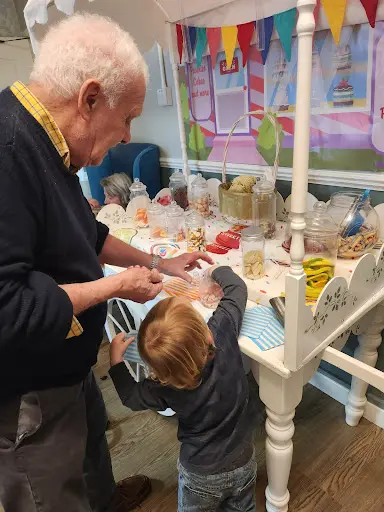
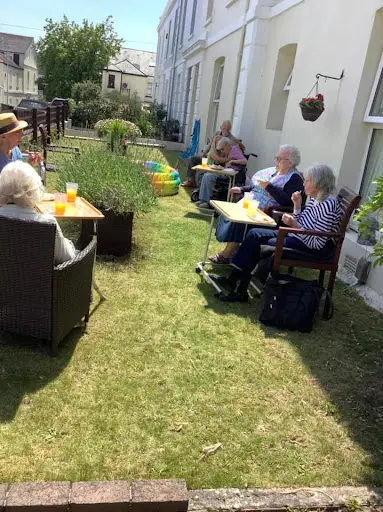
Visitors notice how staff maintain their cheerful, caring approach even after years of service. Residents appear well-presented and comfortable, with plenty of structured activities keeping everyone occupied. The calm, happy atmosphere seems to put both residents and their families at ease.
The eight family priority themes
- Staff warmth92
- Compassion & dignity92
- Cleanliness80
- Activities & engagement85
- Food quality78
- Healthcare88
- Management & leadership92
- Resident happiness85
What inspectors found
Inspected 2019-06-01
Is this home safe?
Is the care effective?
Effective was rated Outstanding at the March 2019 inspection. This domain covers whether staff have the right skills and knowledge, whether care plans are detailed and used in practice, whether residents' health needs are well managed, and whether food and nutrition are properly addressed. Outstanding in this domain means inspectors found specific evidence of skilled practice, not just compliance with minimum standards. Dementia is a registered specialism at Parkland House, so inspectors would have assessed whether staff demonstrated specialist knowledge in this area. The published summary does not include specific detail about training content, GP access frequency, or care plan review processes.Is this home caring?
Caring was rated Outstanding at the March 2019 inspection. This is the domain that most directly reflects what families experience day-to-day: whether staff are genuinely warm, whether your parent is treated with dignity, whether their independence is supported rather than managed away, and whether their emotional wellbeing is noticed and responded to. Outstanding requires inspectors to observe consistent, specific evidence of kind and respectful care across the whole service, not just in the best moments. The published summary confirms the rating but does not include direct quotes from residents or relatives recorded during the inspection.Is the home responsive?
Responsive was rated Outstanding at the March 2019 inspection. This domain covers whether the home tailors its care to each individual, whether activities are meaningful and accessible (including for people who cannot join group sessions), whether the home responds well to complaints, and whether end-of-life care is planned and delivered with sensitivity. Outstanding in Responsive means inspectors found genuine individualisation rather than a one-size approach. Dementia and physical disabilities are both listed as specialisms, so inspectors would have assessed whether the home meets the specific needs of people in both groups.Is the home well-led?
Well-led was rated Outstanding at the March 2019 inspection, and the home's overall rating improved from Good to Outstanding at this assessment, suggesting meaningful progress under current leadership. This domain covers whether management is visible and stable, whether staff feel supported and able to raise concerns, whether governance systems are effective, and whether the home has a culture of continuous improvement. The registered manager at inspection was Mrs Donna Marie Selway, with Miss Louise Arnold listed as nominated individual. Outstanding in Well-led requires inspectors to find leadership that actively drives quality rather than simply maintaining it.
Source: CQC inspection report →
What the evidence base says
The home cares for adults over 65, including those with physical disabilities. They also provide specialist dementia support. Staff here understand how to create the right environment for residents with dementia, maintaining consistent routines and a calm atmosphere that helps people feel secure. All areas worth probing directly during a visit.
The DCC Verdict
Our editorial view, built from the three lenses: what families tell us, what inspectors record, and how the home sits against good dementia-care practice.
DCC Family Score
Parkland House earned Outstanding ratings across four of five inspection domains, with only Safe rated Good, producing a family score that places it firmly among the stronger homes in our dataset. The rating reflects specific inspector observations rather than general compliance statements, which gives it more weight.
Homes in South West typically score 68–82.The three-lens summary
What families tell us
Visitors notice how staff maintain their cheerful, caring approach even after years of service. Residents appear well-presented and comfortable, with plenty of structured activities keeping everyone occupied. The calm, happy atmosphere seems to put both residents and their families at ease.
What inspectors have recorded
The leadership team runs an effective operation that supports both staff and residents well. Families appreciate the flexibility around visiting and outings, finding the management accommodating when they want to spend time with their loved ones.
How it sits against good practice
If you're considering Parkland House, it's worth visiting to see their approach to care firsthand and discussing any specific needs around meals or mobility.
Worth a visit
Parkland House on Barley Lane in Exeter holds an Outstanding overall rating from its last inspection in March 2019, having improved from a previous rating of Good. Four of five domains, Effective, Caring, Responsive, and Well-led, were each rated Outstanding, with only Safe rated Good. This places Parkland House in the top tier of care homes nationally, as fewer than five per cent of registered homes achieve an Outstanding overall rating. The main caution is that this inspection took place in March 2019, which means the findings are now over five years old. Staff, management, and ownership can all change significantly in that time, and the picture you would find today may differ. Before visiting, call the home and ask whether Donna Marie Selway is still the registered manager, how the staffing team has changed since 2019, and whether a more recent inspection has been scheduled. On your visit, pay close attention to how staff interact with residents in corridors and communal areas, particularly whether those interactions feel unhurried and personal. That will tell you more than any document.
The three questions to ask when you visitSave this home. Compare it against your shortlist.
Let our analysis show you how Parkland House measures up against the other homes you’re considering. Free account.
In Their Own Words
How Parkland House describes itself — collected from its own website. DCC has not edited or independently verified the content in this tab.
Where cheerful staff create a calm, dignified environment for older residents
Dedicated residential home Support in Exeter
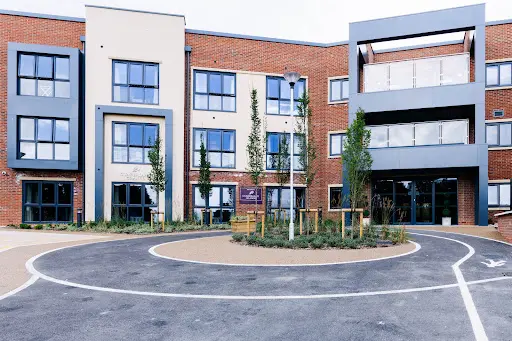
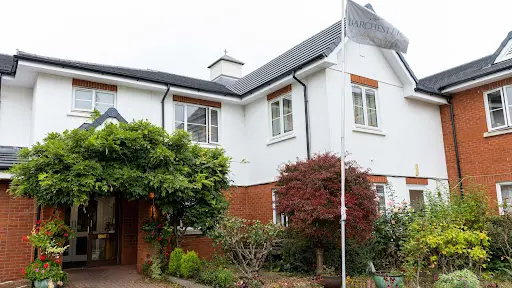
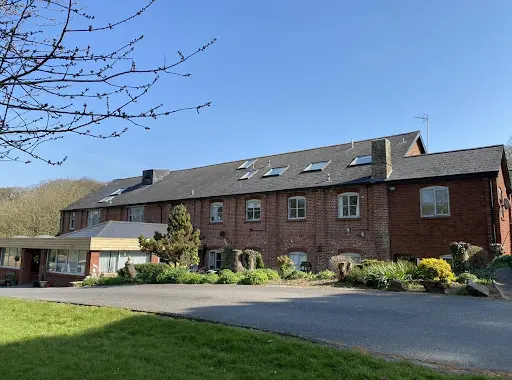
At Parkland House in Exeter, families often comment on the consistently warm atmosphere that greets them. This care home specialises in supporting older adults, including those living with dementia and physical disabilities. The bright, spotless environment and settled atmosphere help residents feel comfortable and engaged throughout their day.
Who they care for
The home cares for adults over 65, including those with physical disabilities. They also provide specialist dementia support.
Staff here understand how to create the right environment for residents with dementia, maintaining consistent routines and a calm atmosphere that helps people feel secure.
“If you're considering Parkland House, it's worth visiting to see their approach to care firsthand and discussing any specific needs around meals or mobility.”
DCC does not edit or curate content in this tab. For independently curated information, see The Evidence and DCC Verdict.
The DCC Verdict
Our editorial view, built from the three lenses: what families tell us, what inspectors record, and how the home sits against good dementia-care practice.
DCC Family Score
Parkland House earned Outstanding ratings across four of five inspection domains, with only Safe rated Good, producing a family score that places it firmly among the stronger homes in our dataset. The rating reflects specific inspector observations rather than general compliance statements, which gives it more weight.
Homes in South West typically score 68–82.The three-lens summary
What families tell us
Visitors notice how staff maintain their cheerful, caring approach even after years of service. Residents appear well-presented and comfortable, with plenty of structured activities keeping everyone occupied. The calm, happy atmosphere seems to put both residents and their families at ease.
What inspectors have recorded
The leadership team runs an effective operation that supports both staff and residents well. Families appreciate the flexibility around visiting and outings, finding the management accommodating when they want to spend time with their loved ones.
How it sits against good practice
If you're considering Parkland House, it's worth visiting to see their approach to care firsthand and discussing any specific needs around meals or mobility.
Worth a visit
Parkland House on Barley Lane in Exeter holds an Outstanding overall rating from its last inspection in March 2019, having improved from a previous rating of Good. Four of five domains, Effective, Caring, Responsive, and Well-led, were each rated Outstanding, with only Safe rated Good. This places Parkland House in the top tier of care homes nationally, as fewer than five per cent of registered homes achieve an Outstanding overall rating. The main caution is that this inspection took place in March 2019, which means the findings are now over five years old. Staff, management, and ownership can all change significantly in that time, and the picture you would find today may differ. Before visiting, call the home and ask whether Donna Marie Selway is still the registered manager, how the staffing team has changed since 2019, and whether a more recent inspection has been scheduled. On your visit, pay close attention to how staff interact with residents in corridors and communal areas, particularly whether those interactions feel unhurried and personal. That will tell you more than any document.
The three questions to ask when you visitSave this home. Compare it against your shortlist.
Let our analysis show you how Parkland House measures up against the other homes you’re considering. Free account.
In Their Own Words
How Parkland House describes itself — collected from its own website. DCC has not edited or independently verified the content in this tab.
Where cheerful staff create a calm, dignified environment for older residents
Dedicated residential home Support in Exeter
At Parkland House in Exeter, families often comment on the consistently warm atmosphere that greets them. This care home specialises in supporting older adults, including those living with dementia and physical disabilities. The bright, spotless environment and settled atmosphere help residents feel comfortable and engaged throughout their day.
Who they care for
The home cares for adults over 65, including those with physical disabilities. They also provide specialist dementia support.
Staff here understand how to create the right environment for residents with dementia, maintaining consistent routines and a calm atmosphere that helps people feel secure.
Management & ethos
The leadership team runs an effective operation that supports both staff and residents well. Families appreciate the flexibility around visiting and outings, finding the management accommodating when they want to spend time with their loved ones.
The home & environment
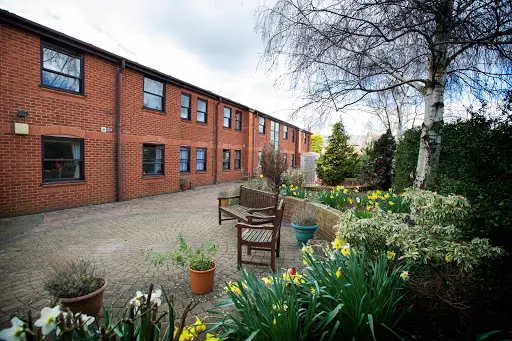
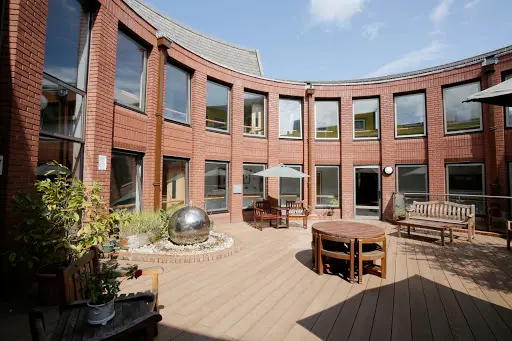
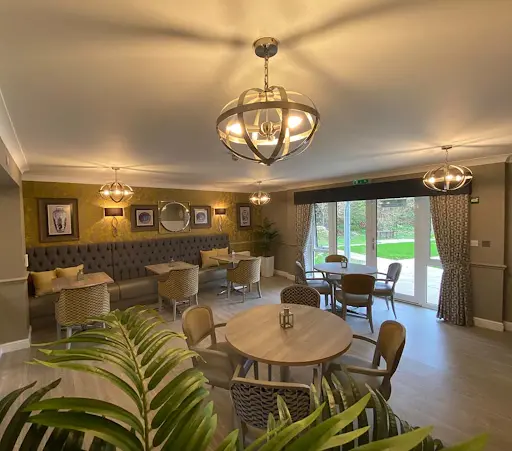
The home keeps everything spotless and bright, creating a pleasant living environment. While the cleanliness and upkeep receive consistent praise, some families have mentioned that meals could better suit residents who struggle with chewing or swallowing — something worth discussing if your loved one has specific dietary needs.
“If you're considering Parkland House, it's worth visiting to see their approach to care firsthand and discussing any specific needs around meals or mobility.”
DCC does not edit or curate content in this tab. For independently curated information, see The Evidence and DCC Verdict.