Osbourne Court

At a Glance
The information you need to decide whether this home warrants a closer look.
Residential homes
Staff warmth score
of reviewers answered yes
Good to know
- Registered beds58
- SpecialismsCaring for adults over 65 yrs, Dementia
- Last inspected2022-05-19
Save Osbourne Court to your shortlist
Keep a running list, add visit notes, and compare homes side-by-side. Free account — it takes a minute.
STAGE 4 — RESEARCHING CARE HOMES
Visit homes. Compare them side by side. Choose with confidence.
Most of us will view care homes the way we view houses, impression, atmosphere, the feeling in the corridor. We go home, try to remember what we saw, and make a permanent decision from a blurred memory.

The DCC shortlist gives every home you visit a structured record: the same twelve questions, answered the same way, every time. When you’re ready to choose, pull any two homes side by side and compare them directly. Same criteria, same evidence, your notes and your scores.
The Evidence
What the review data, the inspection reports, and the dementia-care evidence base tell us about this home.
What families say
Families talk about how responsive the carers are here, noticing when someone wants a cup of tea or fancies something different for lunch. Residents join in with regular church services, enjoy visits from therapy animals, and take part in entertainment activities that bring real joy to their days.
The eight family priority themes
- Staff warmth72
- Compassion & dignity72
- Cleanliness70
- Activities & engagement60
- Food quality60
- Healthcare68
- Management & leadership75
- Resident happiness68
What inspectors found
Inspected 2022-05-19
Is this home safe?
Is the care effective?
The home received a Good rating for effectiveness at its April 2022 inspection. This domain covers whether staff have the right training, whether care plans are detailed and up to date, whether residents get appropriate healthcare, and whether nutrition and food are well managed. Dementia is listed as a registered specialism, which implies some structured approach to dementia-specific training and care. The published report does not include specific detail on any of these areas.Is this home caring?
Osbourne Court received a Good rating for caring at its April 2022 inspection. This domain is the one most directly concerned with whether staff are kind, whether your parent's dignity is protected, and whether individuals are treated as people rather than tasks. The published inspection text does not include specific observations such as how staff address residents, whether they knock before entering rooms, or how they respond when someone with dementia is distressed.Is the home responsive?
Osbourne Court received a Good rating for responsiveness at its April 2022 inspection. This domain covers whether your parent will have a life here: meaningful activities, individual engagement, and care that adapts to changing needs including at the end of life. The home is registered as a dementia specialism, which implies some tailoring of activities and environment. No specific detail on activities programmes, individual engagement, or end-of-life planning is recorded in the published text.Is the home well-led?
Osbourne Court received a Good rating for well-led at its April 2022 inspection, improving from a previous Requires Improvement. The home has two registered managers named in the inspection record, alongside a nominated individual. This structured management arrangement suggests oversight is in place. The improvement across all five domains from a previous weaker rating is the strongest evidence of effective leadership available in the published text, though no specific detail on governance, audit cycles, or staff culture is recorded.
Source: CQC inspection report →
What the evidence base says
Osbourne Court provides residential care for people over 65, including those living with dementia. The home welcomes residents with dementia, creating an environment where people can maintain their preferences and daily rhythms. The team works to ensure residents feel heard and respected in their choices. All areas worth probing directly during a visit.
The DCC Verdict
Our editorial view, built from the three lenses: what families tell us, what inspectors record, and how the home sits against good dementia-care practice.
DCC Family Score
Osbourne Court scores 72 out of 100, reflecting a confirmed Good rating across all five inspection domains and a meaningful improvement from a previous Requires Improvement. The score sits in the positive-but-general band because the published inspection text contains limited specific observations, quotes, or direct evidence to support the higher confidence range.
Homes in South West typically score 68–82.The three-lens summary
What families tell us
Families talk about how responsive the carers are here, noticing when someone wants a cup of tea or fancies something different for lunch. Residents join in with regular church services, enjoy visits from therapy animals, and take part in entertainment activities that bring real joy to their days.
What inspectors have recorded
How it sits against good practice
If you're looking for a care home in Bristol where flexibility and resident choice seem genuinely valued, Osbourne Court might be worth exploring.
Worth a visit
Osbourne Court, on North Road in Bristol, was rated Good at its inspection in April 2022, with Good ratings across all five domains: safe, effective, caring, responsive, and well-led. Importantly, this is an improvement from a previous Requires Improvement rating, which tells you that the leadership team identified problems and fixed them. The home cares for up to 58 adults, including people with dementia, and is run by Windmill Care Limited with a named management structure in place. The main limitation of this report is that the published inspection text is brief and contains very little specific observation, resident testimony, or direct evidence beyond the domain ratings themselves. That means you should treat the Good rating as a starting point, not a full picture. On your visit, pay particular attention to the dementia unit environment, ask how many permanent staff are on each shift including nights, and observe whether staff are unhurried and use your parent's preferred name without being prompted.
The three questions to ask when you visitSave this home. Compare it against your shortlist.
Let our analysis show you how Osbourne Court measures up against the other homes you’re considering. Free account.
In Their Own Words
How Osbourne Court describes itself — collected from its own website. DCC has not edited or independently verified the content in this tab.
Where residents choose their own rhythm in Bristol
Osbourne Court – Your Trusted residential home
At Osbourne Court in Bristol, families describe a care home where residents keep their independence while getting the support they need. The team here seems to understand that small freedoms — like choosing when to eat or where to spend time — matter just as much as the bigger aspects of care.
Who they care for
Osbourne Court provides residential care for people over 65, including those living with dementia.
The home welcomes residents with dementia, creating an environment where people can maintain their preferences and daily rhythms. The team works to ensure residents feel heard and respected in their choices.
“If you're looking for a care home in Bristol where flexibility and resident choice seem genuinely valued, Osbourne Court might be worth exploring.”
DCC does not edit or curate content in this tab. For independently curated information, see The Evidence and DCC Verdict.
The DCC Verdict
Our editorial view, built from the three lenses: what families tell us, what inspectors record, and how the home sits against good dementia-care practice.
DCC Family Score
Osbourne Court scores 72 out of 100, reflecting a confirmed Good rating across all five inspection domains and a meaningful improvement from a previous Requires Improvement. The score sits in the positive-but-general band because the published inspection text contains limited specific observations, quotes, or direct evidence to support the higher confidence range.
Homes in South West typically score 68–82.The three-lens summary
What families tell us
Families talk about how responsive the carers are here, noticing when someone wants a cup of tea or fancies something different for lunch. Residents join in with regular church services, enjoy visits from therapy animals, and take part in entertainment activities that bring real joy to their days.
What inspectors have recorded
How it sits against good practice
If you're looking for a care home in Bristol where flexibility and resident choice seem genuinely valued, Osbourne Court might be worth exploring.
Worth a visit
Osbourne Court, on North Road in Bristol, was rated Good at its inspection in April 2022, with Good ratings across all five domains: safe, effective, caring, responsive, and well-led. Importantly, this is an improvement from a previous Requires Improvement rating, which tells you that the leadership team identified problems and fixed them. The home cares for up to 58 adults, including people with dementia, and is run by Windmill Care Limited with a named management structure in place. The main limitation of this report is that the published inspection text is brief and contains very little specific observation, resident testimony, or direct evidence beyond the domain ratings themselves. That means you should treat the Good rating as a starting point, not a full picture. On your visit, pay particular attention to the dementia unit environment, ask how many permanent staff are on each shift including nights, and observe whether staff are unhurried and use your parent's preferred name without being prompted.
The three questions to ask when you visitSave this home. Compare it against your shortlist.
Let our analysis show you how Osbourne Court measures up against the other homes you’re considering. Free account.
In Their Own Words
How Osbourne Court describes itself — collected from its own website. DCC has not edited or independently verified the content in this tab.
Where residents choose their own rhythm in Bristol
Osbourne Court – Your Trusted residential home
At Osbourne Court in Bristol, families describe a care home where residents keep their independence while getting the support they need. The team here seems to understand that small freedoms — like choosing when to eat or where to spend time — matter just as much as the bigger aspects of care.
Who they care for
Osbourne Court provides residential care for people over 65, including those living with dementia.
The home welcomes residents with dementia, creating an environment where people can maintain their preferences and daily rhythms. The team works to ensure residents feel heard and respected in their choices.
The home & environment
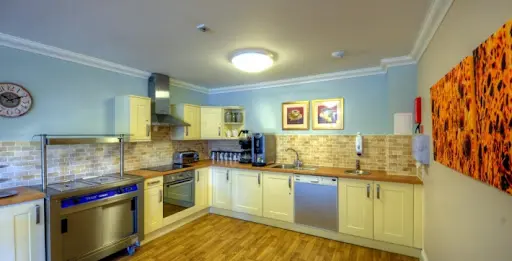
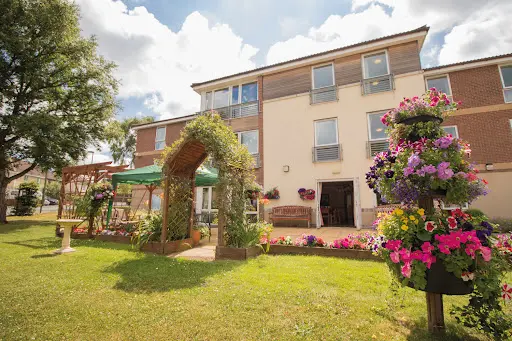
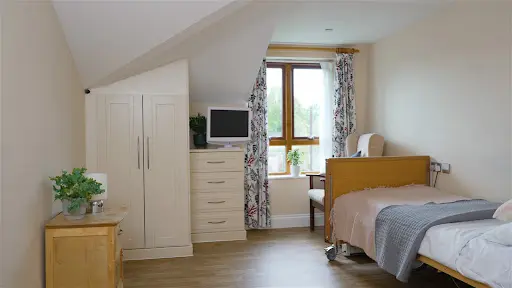
The home offers flexible meal times so residents can eat when they're hungry rather than by the clock. Rooms are thoughtfully positioned so people can watch the comings and goings if they want to, staying connected to life around them without feeling overwhelmed.
“If you're looking for a care home in Bristol where flexibility and resident choice seem genuinely valued, Osbourne Court might be worth exploring.”
DCC does not edit or curate content in this tab. For independently curated information, see The Evidence and DCC Verdict.