Orangery Care Home
At a Glance
The information you need to decide whether this home warrants a closer look.
Nursing homes
Staff warmth score
of reviewers answered yes
Good to know
- Registered beds60
- SpecialismsCaring for adults over 65 yrs, Caring for adults under 65 yrs, Dementia
- Last inspected2018-05-05
Save Orangery Care Home to your shortlist
Keep a running list, add visit notes, and compare homes side-by-side. Free account — it takes a minute.
STAGE 4 — RESEARCHING CARE HOMES
Visit homes. Compare them side by side. Choose with confidence.
Most of us will view care homes the way we view houses, impression, atmosphere, the feeling in the corridor. We go home, try to remember what we saw, and make a permanent decision from a blurred memory.

The DCC shortlist gives every home you visit a structured record: the same twelve questions, answered the same way, every time. When you’re ready to choose, pull any two homes side by side and compare them directly. Same criteria, same evidence, your notes and your scores.
The Evidence
What the review data, the inspection reports, and the dementia-care evidence base tell us about this home.
What families say
Relatives describe seeing their loved ones come alive again here, taking part in activities they'd previously avoided. The team shows real compassion during difficult times, creating meaningful moments that families treasure.
The eight family priority themes
- Staff warmth55
- Compassion & dignity55
- Cleanliness55
- Activities & engagement50
- Food quality50
- Healthcare55
- Management & leadership65
- Resident happiness55
What inspectors found
Inspected 2018-05-05
Is this home safe?
Is the care effective?
The effective domain was rated Good at the April 2018 inspection. The published text does not include specific information about care plan quality, GP access arrangements, dementia training content, food provision, or how staff skills are assessed. The home is registered as a nursing home with a dementia specialism, which means qualified nurses should be present around the clock, but the inspection provides no detail to confirm this in practice.Is this home caring?
The caring domain was rated Good at the April 2018 inspection. The published text contains no specific observations of staff interactions, no quotes from residents or relatives about how they feel treated, and no detail about how dignity and privacy are maintained in practice. Staff warmth and compassion are the two most important themes in our family review data, accounting for 57.3% and 55.2% of positive reviews respectively, but the inspection gives us nothing specific to assess here.Is the home responsive?
The responsive domain was rated Good at the April 2018 inspection. The published text contains no specific information about the activities programme, how the home tailors engagement to individual residents, how complaints are handled, or what end-of-life care looks like. There is no mention of whether one-to-one activities are available for residents who cannot join group sessions, which is a particular concern for people in the later stages of dementia.Is the home well-led?
The well-led domain was rated Good at the April 2018 inspection. A registered manager, Mrs Dafinka Valcheva Aleksandrova, was named in the inspection record, alongside a nominated individual, Mr Swarup Singh Khadka. The home is operated by Jasmine Care Holdings Limited. The published text provides no further detail about management visibility, staff culture, governance systems, or how the home responds to complaints and incidents. The improvement from Requires Improvement suggests that leadership addressed earlier concerns effectively.
Source: CQC inspection report →
What the evidence base says
The home cares for adults both under and over 65, with dementia listed as a key specialism. For those living with dementia, the team focuses on maintaining connections and encouraging participation in daily life, from seasonal celebrations to simple social moments. All areas worth probing directly during a visit.
The DCC Verdict
Our editorial view, built from the three lenses: what families tell us, what inspectors record, and how the home sits against good dementia-care practice.
DCC Family Score
Orangery Care Home improved from Requires Improvement to Good across all five inspection domains, which is a meaningful step forward. However, the published inspection text contains very little specific detail, so the score reflects confirmed direction of travel rather than rich, observed evidence.
Homes in South East typically score 68–82.The three-lens summary
What families tell us
Relatives describe seeing their loved ones come alive again here, taking part in activities they'd previously avoided. The team shows real compassion during difficult times, creating meaningful moments that families treasure.
What inspectors have recorded
The team works hard to meet individual dietary needs, with residents noting how their specific requirements are carefully managed. Families find the admission process straightforward, with management responsive to different circumstances.
How it sits against good practice
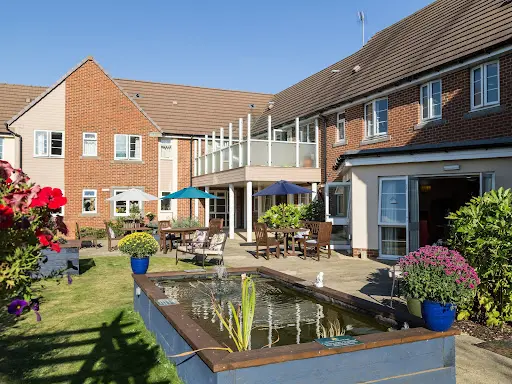
The garden spaces and variety of activities here seem to help residents reconnect with life's smaller pleasures.
Worth a visit
Orangery Care Home, at 116 Church Lane East in Aldershot, was rated Good across all five inspection domains following an inspection in April 2018. This represents a significant improvement from its previous rating of Requires Improvement, and the rating was reviewed again in July 2023 with no evidence found to suggest it had declined. The home is registered for 60 beds and is set up to care for people with dementia, as well as adults of all ages who need nursing or personal care. The main limitation of this report is that the published inspection text contains very little specific detail about what inspectors actually saw, heard, or read. There are no quotes from your parent's potential neighbours, no observations of staff interactions, and no specifics about meals, activities, medicines, or night-time cover. A Good rating from 2018 is a positive starting point, but it is now several years old. Before making a decision, visit the home and ask to see the most recent staffing rotas, the activity records from last week, and the falls log from the past three months. These three pieces of information will tell you far more than the published findings can.
The three questions to ask when you visitSave this home. Compare it against your shortlist.
Let our analysis show you how Orangery Care Home measures up against the other homes you’re considering. Free account.
In Their Own Words
How Orangery Care Home describes itself — collected from its own website. DCC has not edited or independently verified the content in this tab.
Where residents rediscover daily joy through activities and garden moments
Nursing home in Aldershot: True Peace of Mind
Families visiting Orangery Care Home in Aldershot often notice something special — residents who once kept to themselves now joining in with Halloween celebrations, Diwali events, and afternoon chats in the garden. The home supports adults over and under 65, with particular experience in dementia care.
Who they care for
The home cares for adults both under and over 65, with dementia listed as a key specialism.
For those living with dementia, the team focuses on maintaining connections and encouraging participation in daily life, from seasonal celebrations to simple social moments.
“The garden spaces and variety of activities here seem to help residents reconnect with life's smaller pleasures.”
DCC does not edit or curate content in this tab. For independently curated information, see The Evidence and DCC Verdict.
The DCC Verdict
Our editorial view, built from the three lenses: what families tell us, what inspectors record, and how the home sits against good dementia-care practice.
DCC Family Score
Orangery Care Home improved from Requires Improvement to Good across all five inspection domains, which is a meaningful step forward. However, the published inspection text contains very little specific detail, so the score reflects confirmed direction of travel rather than rich, observed evidence.
Homes in South East typically score 68–82.The three-lens summary
What families tell us
Relatives describe seeing their loved ones come alive again here, taking part in activities they'd previously avoided. The team shows real compassion during difficult times, creating meaningful moments that families treasure.
What inspectors have recorded
The team works hard to meet individual dietary needs, with residents noting how their specific requirements are carefully managed. Families find the admission process straightforward, with management responsive to different circumstances.
How it sits against good practice
The garden spaces and variety of activities here seem to help residents reconnect with life's smaller pleasures.
Worth a visit
Orangery Care Home, at 116 Church Lane East in Aldershot, was rated Good across all five inspection domains following an inspection in April 2018. This represents a significant improvement from its previous rating of Requires Improvement, and the rating was reviewed again in July 2023 with no evidence found to suggest it had declined. The home is registered for 60 beds and is set up to care for people with dementia, as well as adults of all ages who need nursing or personal care. The main limitation of this report is that the published inspection text contains very little specific detail about what inspectors actually saw, heard, or read. There are no quotes from your parent's potential neighbours, no observations of staff interactions, and no specifics about meals, activities, medicines, or night-time cover. A Good rating from 2018 is a positive starting point, but it is now several years old. Before making a decision, visit the home and ask to see the most recent staffing rotas, the activity records from last week, and the falls log from the past three months. These three pieces of information will tell you far more than the published findings can.
The three questions to ask when you visitSave this home. Compare it against your shortlist.
Let our analysis show you how Orangery Care Home measures up against the other homes you’re considering. Free account.
In Their Own Words
How Orangery Care Home describes itself — collected from its own website. DCC has not edited or independently verified the content in this tab.
Where residents rediscover daily joy through activities and garden moments
Nursing home in Aldershot: True Peace of Mind
Families visiting Orangery Care Home in Aldershot often notice something special — residents who once kept to themselves now joining in with Halloween celebrations, Diwali events, and afternoon chats in the garden. The home supports adults over and under 65, with particular experience in dementia care.
Who they care for
The home cares for adults both under and over 65, with dementia listed as a key specialism.
For those living with dementia, the team focuses on maintaining connections and encouraging participation in daily life, from seasonal celebrations to simple social moments.
Management & ethos
The team works hard to meet individual dietary needs, with residents noting how their specific requirements are carefully managed. Families find the admission process straightforward, with management responsive to different circumstances.
The home & environment
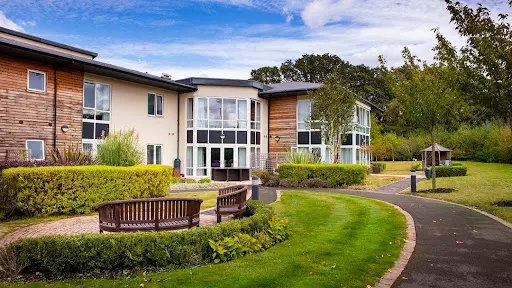
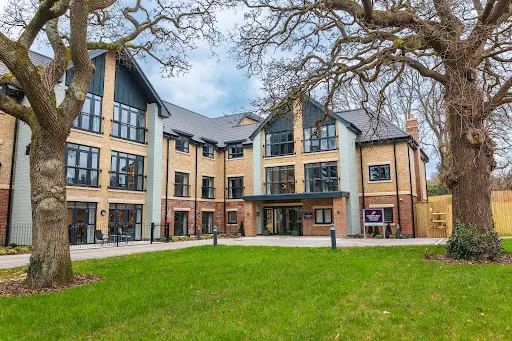
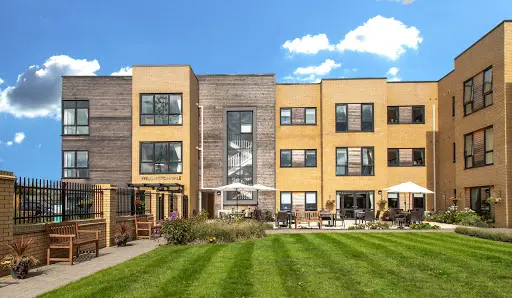
The gardens provide a peaceful retreat with comfortable seating areas where residents and visitors spend time together. Inside, the home stays fresh and clean — something visitors with care experience particularly appreciate.
“The garden spaces and variety of activities here seem to help residents reconnect with life's smaller pleasures.”
DCC does not edit or curate content in this tab. For independently curated information, see The Evidence and DCC Verdict.