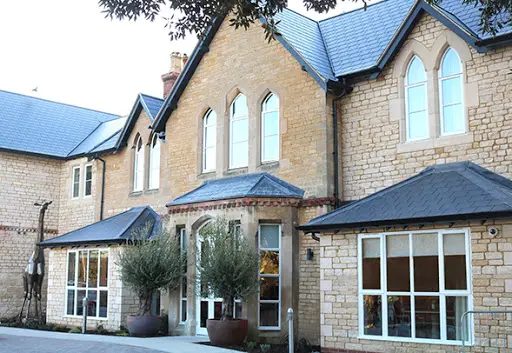
North Lincolnshire Council Intermediate Care Centre
At a Glance
The information you need to decide whether this home warrants a closer look.
Residential homes
Staff warmth score
of reviewers answered yes
Good to know
- Registered beds30
- SpecialismsCaring for adults over 65 yrs, Dementia, Physical disabilities
- Last inspected2018-11-22
Save North Lincolnshire Council Intermediate Care Centre to your shortlist
Keep a running list, add visit notes, and compare homes side-by-side. Free account — it takes a minute.
STAGE 4 — RESEARCHING CARE HOMES
Visit homes. Compare them side by side. Choose with confidence.
Most of us will view care homes the way we view houses, impression, atmosphere, the feeling in the corridor. We go home, try to remember what we saw, and make a permanent decision from a blurred memory.

The DCC shortlist gives every home you visit a structured record: the same twelve questions, answered the same way, every time. When you’re ready to choose, pull any two homes side by side and compare them directly. Same criteria, same evidence, your notes and your scores.
The Evidence
What the review data, the inspection reports, and the dementia-care evidence base tell us about this home.
What families say
The staff here seem to understand what each resident needs to feel comfortable. Families mention how quickly their relatives settle in, with staff taking time to learn individual preferences and routines.
The eight family priority themes
- Staff warmth55
- Compassion & dignity60
- Cleanliness60
- Activities & engagement50
- Food quality50
- Healthcare60
- Management & leadership40
- Resident happiness55
What inspectors found
Inspected 2018-11-22
Is this home safe?
Is the care effective?
The Effective domain was rated Good at the September 2018 inspection. This domain covers care planning, staff training, healthcare access, and food quality. The home lists dementia as a specialism, which implies a level of targeted training, but no detail about training content, GP access arrangements, medication reviews, or care plan quality is published in the summary. The inspection monitoring review in July 2023 found no evidence to change this rating.Is this home caring?
The Caring domain was rated Good at the September 2018 inspection. This domain covers staff warmth, dignity, respect, privacy, and support for independence. No specific observations, quotes from residents or relatives, or examples of practice are recorded in the published summary. The rating indicates inspectors were satisfied, but the absence of detail means it is not possible to identify what specific behaviours or interactions led to that conclusion.Is the home responsive?
The Responsive domain was rated Good at the September 2018 inspection. This domain covers activities, individual engagement, response to complaints, and end-of-life care. No specific detail about the activities programme, one-to-one engagement, or how the home responds to individual preferences is recorded in the published summary. The home cares for people with dementia, which means a group-only activity offer is likely to be insufficient for residents with more advanced needs.Is the home well-led?
The Well-led domain was rated Requires Improvement at the September 2018 inspection. This is the only domain below Good and is the most significant concern in this report. A registered manager, Mrs June Frances Elvin, was named at the time of inspection, and John Love is listed as the nominated individual for North Lincolnshire Council. The published summary does not describe what specific failings led to the Requires Improvement rating, which makes it impossible to assess from the published text how serious those failings were or whether they have since been addressed. The monitoring review in July 2023 found no reason to change the overall rating, but that review was not a fresh inspection visit.
Source: CQC inspection report →
What the evidence base says
The home cares for older adults, including those living with dementia or physical disabilities. They work to help residents maintain or regain their independence where possible. For residents with dementia, the team focuses on creating familiar routines and responding to individual needs as they change. Staff work to understand each person's preferences and adapt their approach accordingly. All areas worth probing directly during a visit.
The DCC Verdict
Our editorial view, built from the three lenses: what families tell us, what inspectors record, and how the home sits against good dementia-care practice.
DCC Family Score
This home scored 62 out of 100. Four domains were rated Good at inspection, but the Well-led domain was rated Requires Improvement, and the inspection report contains very little specific observational detail to build confidence across any area.
Homes in Yorkshire & Humberside typically score 68–82.The three-lens summary
What families tell us
The staff here seem to understand what each resident needs to feel comfortable. Families mention how quickly their relatives settle in, with staff taking time to learn individual preferences and routines.
What inspectors have recorded
What stands out is how responsive the team is when families raise concerns or questions. Staff members maintain a friendly, approachable manner while staying focused on each resident's care needs.
How it sits against good practice
Many families describe feeling relieved to see their relatives thriving here after difficult transitions.
Worth a visit
North Lincolnshire Council Home First Residential, a 30-bed home in Scunthorpe specialising in dementia care, older adults, and physical disabilities, received an overall Good rating at its last inspection in September 2018. Four of the five domains, Safe, Effective, Caring, and Responsive, were rated Good. The home is run by North Lincolnshire Council and had a named registered manager at the time of inspection. The most important thing to know is that the Well-led domain was rated Requires Improvement, and the published inspection summary contains almost no specific detail about what inspectors actually observed. The last inspection is now more than six years old, which means the picture it paints may not reflect today's reality. A monitoring review in July 2023 found no reason to change the rating, but that review was based on data and information rather than a fresh visit. Before making a decision, visit in person, ask the manager directly about what has changed since 2018, and use the checklist questions below to fill the gaps that the published findings do not address.
The three questions to ask when you visitSave this home. Compare it against your shortlist.
Let our analysis show you how North Lincolnshire Council Intermediate Care Centre measures up against the other homes you’re considering. Free account.
In Their Own Words
How North Lincolnshire Council Intermediate Care Centre describes itself — collected from its own website. DCC has not edited or independently verified the content in this tab.
Where care helps residents rediscover their independence
Dedicated residential home Support in Scunthorpe
Families visiting North Lincolnshire Council Home First Residential in Scunthorpe often describe watching their loved ones regain abilities they'd thought were lost. This council-run home focuses on helping residents maintain their independence, whether they're recovering from a fall or adjusting to life with dementia.
Who they care for
The home cares for older adults, including those living with dementia or physical disabilities. They work to help residents maintain or regain their independence where possible.
For residents with dementia, the team focuses on creating familiar routines and responding to individual needs as they change. Staff work to understand each person's preferences and adapt their approach accordingly.
“Many families describe feeling relieved to see their relatives thriving here after difficult transitions.”
DCC does not edit or curate content in this tab. For independently curated information, see The Evidence and DCC Verdict.
The DCC Verdict
Our editorial view, built from the three lenses: what families tell us, what inspectors record, and how the home sits against good dementia-care practice.
DCC Family Score
This home scored 62 out of 100. Four domains were rated Good at inspection, but the Well-led domain was rated Requires Improvement, and the inspection report contains very little specific observational detail to build confidence across any area.
Homes in Yorkshire & Humberside typically score 68–82.The three-lens summary
What families tell us
The staff here seem to understand what each resident needs to feel comfortable. Families mention how quickly their relatives settle in, with staff taking time to learn individual preferences and routines.
What inspectors have recorded
What stands out is how responsive the team is when families raise concerns or questions. Staff members maintain a friendly, approachable manner while staying focused on each resident's care needs.
How it sits against good practice
Many families describe feeling relieved to see their relatives thriving here after difficult transitions.
Worth a visit
North Lincolnshire Council Home First Residential, a 30-bed home in Scunthorpe specialising in dementia care, older adults, and physical disabilities, received an overall Good rating at its last inspection in September 2018. Four of the five domains, Safe, Effective, Caring, and Responsive, were rated Good. The home is run by North Lincolnshire Council and had a named registered manager at the time of inspection. The most important thing to know is that the Well-led domain was rated Requires Improvement, and the published inspection summary contains almost no specific detail about what inspectors actually observed. The last inspection is now more than six years old, which means the picture it paints may not reflect today's reality. A monitoring review in July 2023 found no reason to change the rating, but that review was based on data and information rather than a fresh visit. Before making a decision, visit in person, ask the manager directly about what has changed since 2018, and use the checklist questions below to fill the gaps that the published findings do not address.
The three questions to ask when you visitSave this home. Compare it against your shortlist.
Let our analysis show you how North Lincolnshire Council Intermediate Care Centre measures up against the other homes you’re considering. Free account.
In Their Own Words
How North Lincolnshire Council Intermediate Care Centre describes itself — collected from its own website. DCC has not edited or independently verified the content in this tab.
Where care helps residents rediscover their independence
Dedicated residential home Support in Scunthorpe
Families visiting North Lincolnshire Council Home First Residential in Scunthorpe often describe watching their loved ones regain abilities they'd thought were lost. This council-run home focuses on helping residents maintain their independence, whether they're recovering from a fall or adjusting to life with dementia.
Who they care for
The home cares for older adults, including those living with dementia or physical disabilities. They work to help residents maintain or regain their independence where possible.
For residents with dementia, the team focuses on creating familiar routines and responding to individual needs as they change. Staff work to understand each person's preferences and adapt their approach accordingly.
Management & ethos
What stands out is how responsive the team is when families raise concerns or questions. Staff members maintain a friendly, approachable manner while staying focused on each resident's care needs.
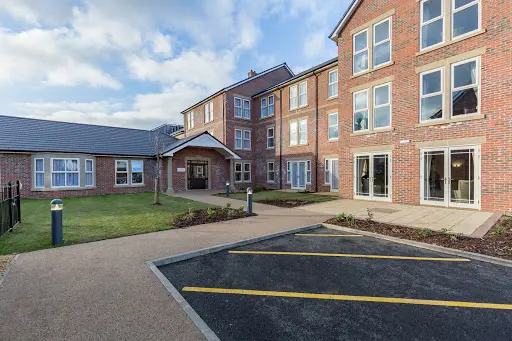
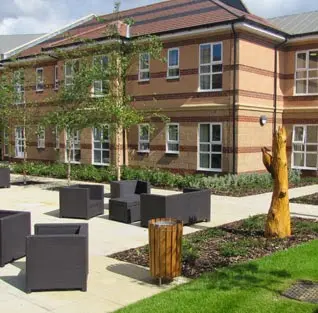
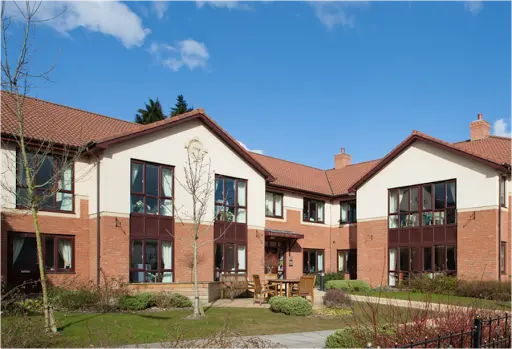
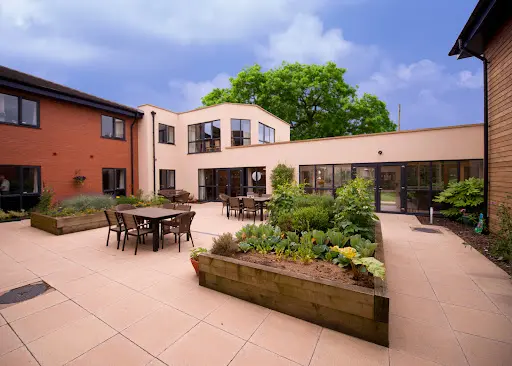
The home & environment
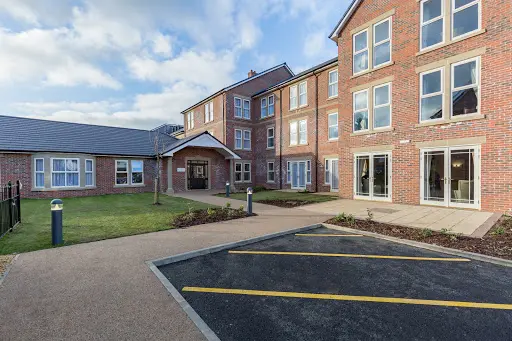
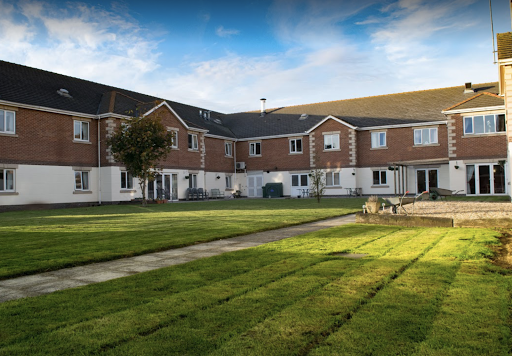
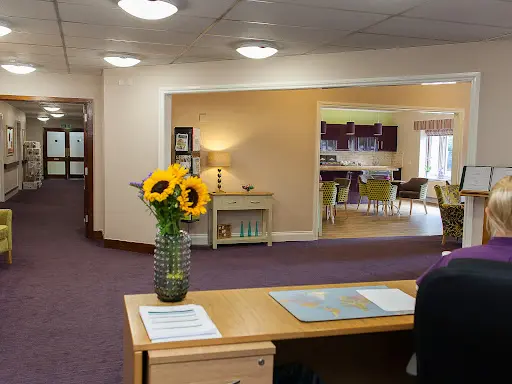
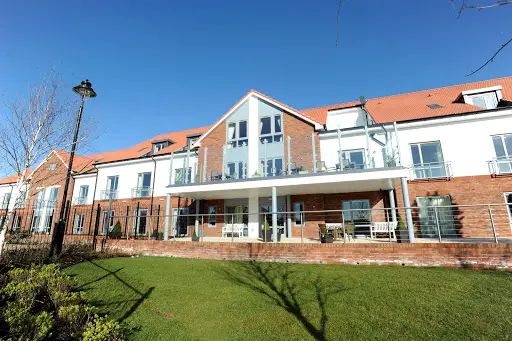
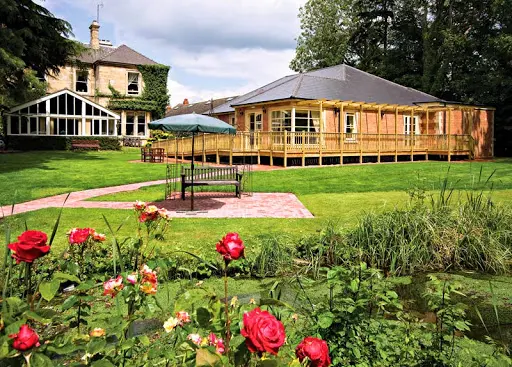
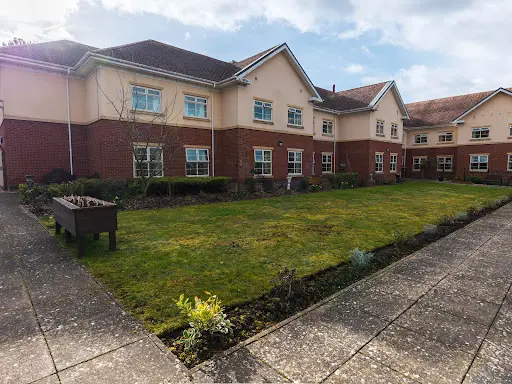
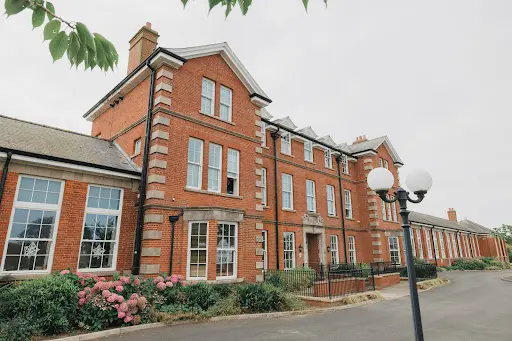
The home keeps everything clean and well-maintained, from bedrooms to communal areas. Residents and families speak positively about the food, finding it both tasty and suitable for different dietary needs.
“Many families describe feeling relieved to see their relatives thriving here after difficult transitions.”
DCC does not edit or curate content in this tab. For independently curated information, see The Evidence and DCC Verdict.