New Milton House Care Home – Minster Care Group
At a Glance
The information you need to decide whether this home warrants a closer look.
Residential homes
Staff warmth score
of reviewers answered yes
Good to know
- Registered beds39
- SpecialismsCaring for adults over 65 yrs, Caring for adults under 65 yrs, Dementia
- Last inspected2023-05-20
Save New Milton House Care Home – Minster Care Group to your shortlist
Keep a running list, add visit notes, and compare homes side-by-side. Free account — it takes a minute.
STAGE 4 — RESEARCHING CARE HOMES
Visit homes. Compare them side by side. Choose with confidence.
Most of us will view care homes the way we view houses, impression, atmosphere, the feeling in the corridor. We go home, try to remember what we saw, and make a permanent decision from a blurred memory.

The DCC shortlist gives every home you visit a structured record: the same twelve questions, answered the same way, every time. When you’re ready to choose, pull any two homes side by side and compare them directly. Same criteria, same evidence, your notes and your scores.
The Evidence
What the review data, the inspection reports, and the dementia-care evidence base tell us about this home.
What families say
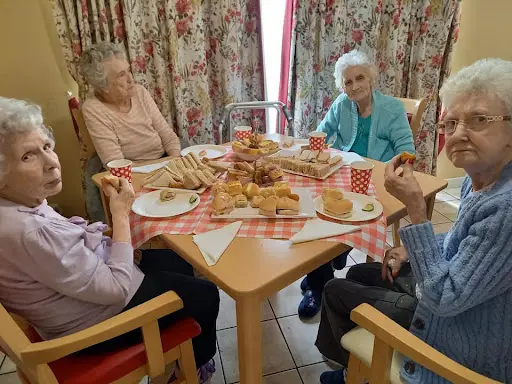
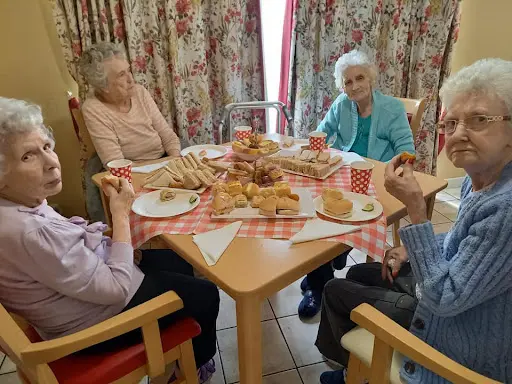
Families have mentioned how content their relatives seem here, with one daughter sharing that her mum speaks fondly about the home. The team organises birthday celebrations for residents, keeping those important moments feeling special.
The eight family priority themes
- Staff warmth72
- Compassion & dignity72
- Cleanliness70
- Activities & engagement65
- Food quality65
- Healthcare68
- Management & leadership75
- Resident happiness70
What inspectors found
Inspected 2023-05-20
Is this home safe?
Is the care effective?
The Effective domain is rated Good, covering how well the home translates knowledge into good outcomes for your parent. This includes staff training, care planning, nutrition and hydration, and access to healthcare professionals such as GPs and community nurses. The home lists dementia as a specialism, which means inspectors will have looked at whether staff understand dementia-specific needs. The published summary does not detail specific training programmes, care plan content, or examples of healthcare coordination.Is this home caring?
The Caring domain is rated Good, covering the warmth, dignity, and respect with which staff treat your parent. This is the domain most closely aligned with what families tell us matters most: in our review data, staff warmth and compassion together account for over half of all positive feedback. The Good rating indicates inspectors observed or heard evidence of kind, respectful interactions. However, the published report text does not include direct quotes from residents or relatives, and no specific incidents of compassionate care are described.Is the home responsive?
The Responsive domain is rated Good, covering whether the home treats your parent as an individual, provides meaningful activities, responds to changing needs, and plans appropriately for end of life. Dementia is listed as a specialism, so inspectors will have considered whether activities and daily routines are adapted for people with cognitive impairment. The published text does not describe specific activities, individual engagement approaches, or how the home handles requests or complaints.Is the home well-led?
The Well-led domain is rated Good, and this is particularly significant given the home's history of Requires Improvement. A named registered manager (Mrs Charlotte Sarah Malpas) and a nominated individual from the provider (Mr Paul Nicholls) are both recorded. Achieving Good in Well-led after a previous lower rating suggests that governance structures, oversight, and staff culture have been meaningfully strengthened. The published text does not detail specific quality monitoring processes, staff feedback mechanisms, or how the management team communicates with families.
Source: CQC inspection report →
What the evidence base says
The home cares for adults both under and over 65, providing support for people at different life stages. They have experience supporting residents living with dementia. For residents living with dementia, the home provides specialist care alongside their general residential services. The team works with families to support residents through their dementia journey. All areas worth probing directly during a visit.
The DCC Verdict
Our editorial view, built from the three lenses: what families tell us, what inspectors record, and how the home sits against good dementia-care practice.
DCC Family Score
New Milton House scores solidly across all eight family themes, reflecting a home that has genuinely improved from Requires Improvement to Good across every domain. The score is held back from the higher range because the published inspection report contains very limited specific observations, direct quotes, or named examples that would let us confirm the detail behind each rating.
Homes in North West typically score 68–82.The three-lens summary
What families tell us
Families have mentioned how content their relatives seem here, with one daughter sharing that her mum speaks fondly about the home. The team organises birthday celebrations for residents, keeping those important moments feeling special.
What inspectors have recorded
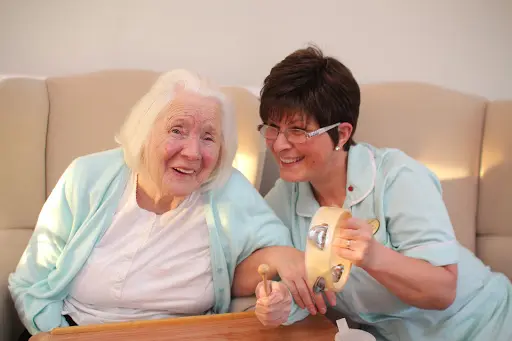
Some concerns have been raised about staff conduct that families considering the home should be aware of. The team who families do meet have been described as pleasant and approachable.
How it sits against good practice
Visiting New Milton House yourself will give you the clearest picture of whether it feels right for your family.
Worth a visit
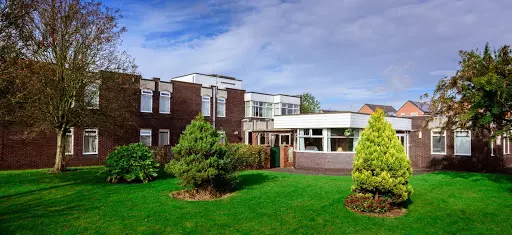
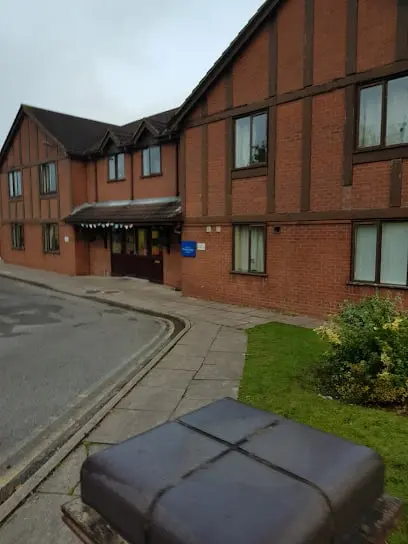
New Milton House Residential Care Home on Station Road, Stoke-on-Trent was inspected in April 2023 and rated Good across all five domains, with the full report published in May 2023. This is a meaningful improvement: the home was previously rated Requires Improvement, and achieving Good in every area, including Safe, Caring, and Well-led, shows the management team has addressed earlier concerns. The home is registered to care for up to 39 people, including those living with dementia, and operates under a named registered manager supported by a nominated individual from the provider organisation. The main uncertainty here is that the published inspection summary is brief and contains very few specific observations, direct quotes from residents or relatives, or named examples of good practice. A Good rating tells you the standard was met; it does not tell you what daily life actually feels like for your parent. When you visit, pay attention to how staff speak to residents in corridors and communal areas, whether the atmosphere feels calm and unhurried, and how the home caters specifically for people living with dementia. Use the checklist questions above, particularly around night staffing, agency cover, and one-to-one engagement, to fill the gaps the inspection text leaves open.
The three questions to ask when you visitSave this home. Compare it against your shortlist.
Let our analysis show you how New Milton House Care Home – Minster Care Group measures up against the other homes you’re considering. Free account.
In Their Own Words
How New Milton House Care Home – Minster Care Group describes itself — collected from its own website. DCC has not edited or independently verified the content in this tab.
Stoke care home where birthdays still feel special
Residential home in Stoke On Trent: True Peace of Mind
When families need residential care in Stoke-on-Trent, they're often looking for somewhere that keeps life's small celebrations alive. New Milton House Residential Care Home provides care for adults over 65, including those living with dementia, as well as supporting younger adults who need residential care.
Who they care for
The home cares for adults both under and over 65, providing support for people at different life stages. They have experience supporting residents living with dementia.
For residents living with dementia, the home provides specialist care alongside their general residential services. The team works with families to support residents through their dementia journey.
“Visiting New Milton House yourself will give you the clearest picture of whether it feels right for your family.”
DCC does not edit or curate content in this tab. For independently curated information, see The Evidence and DCC Verdict.
The DCC Verdict
Our editorial view, built from the three lenses: what families tell us, what inspectors record, and how the home sits against good dementia-care practice.
DCC Family Score
New Milton House scores solidly across all eight family themes, reflecting a home that has genuinely improved from Requires Improvement to Good across every domain. The score is held back from the higher range because the published inspection report contains very limited specific observations, direct quotes, or named examples that would let us confirm the detail behind each rating.
Homes in North West typically score 68–82.The three-lens summary
What families tell us
Families have mentioned how content their relatives seem here, with one daughter sharing that her mum speaks fondly about the home. The team organises birthday celebrations for residents, keeping those important moments feeling special.
What inspectors have recorded
Some concerns have been raised about staff conduct that families considering the home should be aware of. The team who families do meet have been described as pleasant and approachable.
How it sits against good practice
Visiting New Milton House yourself will give you the clearest picture of whether it feels right for your family.
Worth a visit
New Milton House Residential Care Home on Station Road, Stoke-on-Trent was inspected in April 2023 and rated Good across all five domains, with the full report published in May 2023. This is a meaningful improvement: the home was previously rated Requires Improvement, and achieving Good in every area, including Safe, Caring, and Well-led, shows the management team has addressed earlier concerns. The home is registered to care for up to 39 people, including those living with dementia, and operates under a named registered manager supported by a nominated individual from the provider organisation. The main uncertainty here is that the published inspection summary is brief and contains very few specific observations, direct quotes from residents or relatives, or named examples of good practice. A Good rating tells you the standard was met; it does not tell you what daily life actually feels like for your parent. When you visit, pay attention to how staff speak to residents in corridors and communal areas, whether the atmosphere feels calm and unhurried, and how the home caters specifically for people living with dementia. Use the checklist questions above, particularly around night staffing, agency cover, and one-to-one engagement, to fill the gaps the inspection text leaves open.
The three questions to ask when you visitSave this home. Compare it against your shortlist.
Let our analysis show you how New Milton House Care Home – Minster Care Group measures up against the other homes you’re considering. Free account.
In Their Own Words
How New Milton House Care Home – Minster Care Group describes itself — collected from its own website. DCC has not edited or independently verified the content in this tab.
Stoke care home where birthdays still feel special
Residential home in Stoke On Trent: True Peace of Mind
When families need residential care in Stoke-on-Trent, they're often looking for somewhere that keeps life's small celebrations alive. New Milton House Residential Care Home provides care for adults over 65, including those living with dementia, as well as supporting younger adults who need residential care.
Who they care for
The home cares for adults both under and over 65, providing support for people at different life stages. They have experience supporting residents living with dementia.
For residents living with dementia, the home provides specialist care alongside their general residential services. The team works with families to support residents through their dementia journey.
Management & ethos
Some concerns have been raised about staff conduct that families considering the home should be aware of. The team who families do meet have been described as pleasant and approachable.
“Visiting New Milton House yourself will give you the clearest picture of whether it feels right for your family.”
DCC does not edit or curate content in this tab. For independently curated information, see The Evidence and DCC Verdict.