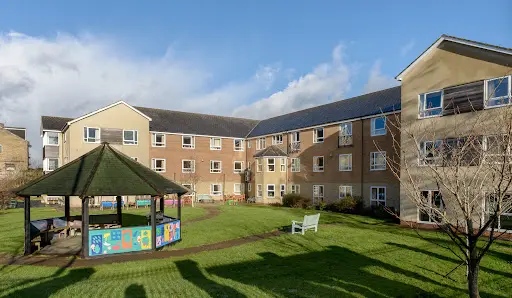
Moorgate Care Village

At a Glance
The information you need to decide whether this home warrants a closer look.
Residential homes
Staff warmth score
of reviewers answered yes
Good to know
- Registered beds31
- SpecialismsCaring for adults over 65 yrs, Caring for adults under 65 yrs, Dementia
- Last inspected2020-02-11
Save Moorgate Care Village to your shortlist
Keep a running list, add visit notes, and compare homes side-by-side. Free account — it takes a minute.
STAGE 4 — RESEARCHING CARE HOMES
Visit homes. Compare them side by side. Choose with confidence.
Most of us will view care homes the way we view houses, impression, atmosphere, the feeling in the corridor. We go home, try to remember what we saw, and make a permanent decision from a blurred memory.

The DCC shortlist gives every home you visit a structured record: the same twelve questions, answered the same way, every time. When you’re ready to choose, pull any two homes side by side and compare them directly. Same criteria, same evidence, your notes and your scores.
The Evidence
What the review data, the inspection reports, and the dementia-care evidence base tell us about this home.
What families say
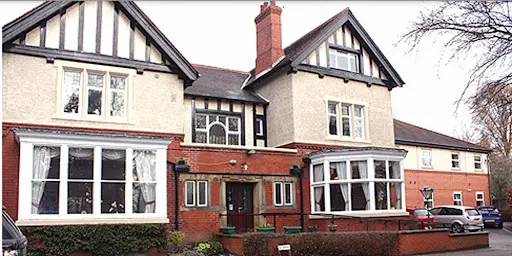
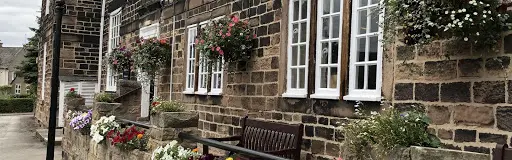
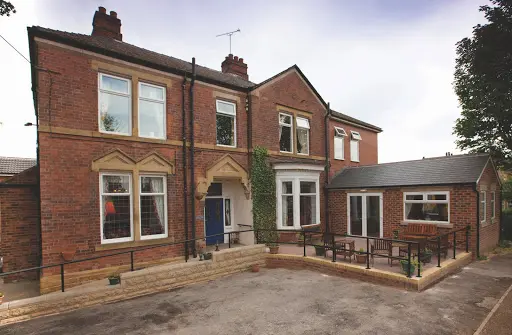
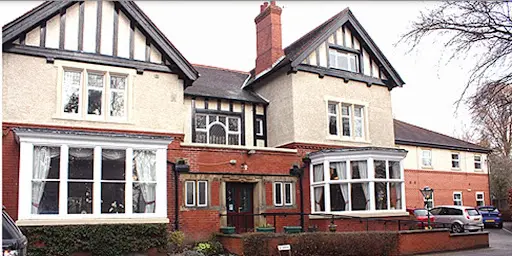
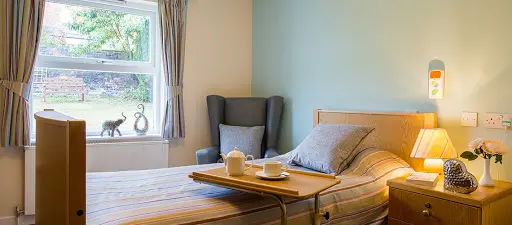
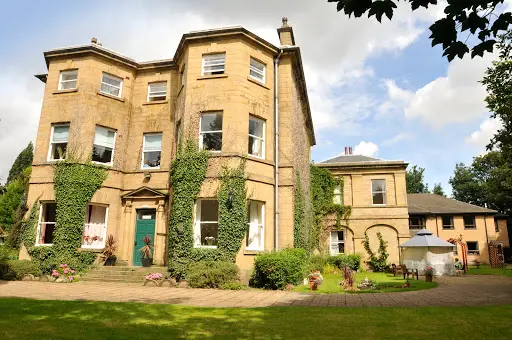
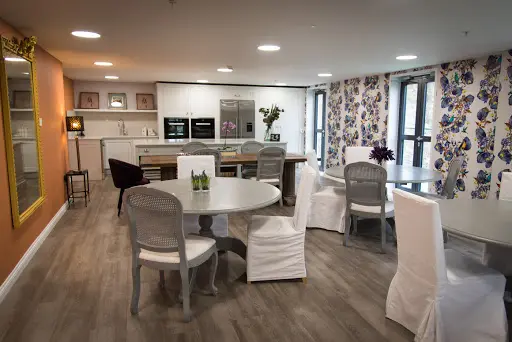
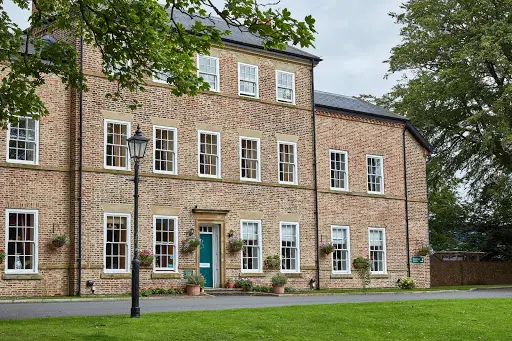
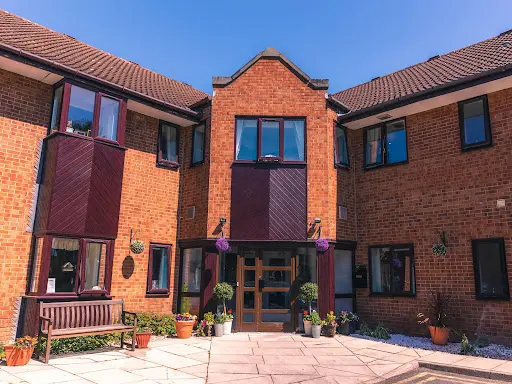
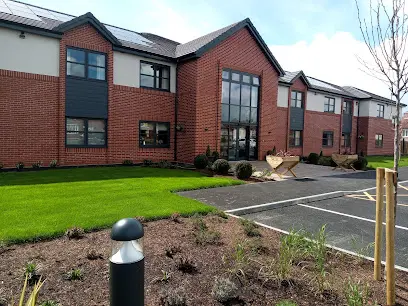
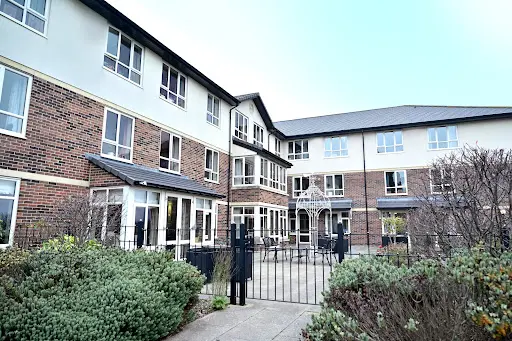
Visitors often comment on the thoughtful interior design and pleasant décor throughout the building. The grounds provide additional space for residents to enjoy fresh air and natural surroundings. There's a genuine effort to create spaces where people want to spend time, whether that's joining group activities or finding a quiet corner to relax.
The eight family priority themes
- Staff warmth85
- Compassion & dignity85
- Cleanliness75
- Activities & engagement90
- Food quality70
- Healthcare75
- Management & leadership90
- Resident happiness80
What inspectors found
Inspected 2020-02-11
Is this home safe?
Is the care effective?
The home received a Good rating for effectiveness at its January 2025 assessment. This domain covers training, care planning, nutrition, and access to healthcare. The home specialises in dementia care, which means inspectors will have assessed whether staff have appropriate dementia-specific training. However, the published summary does not detail what training is provided, how frequently care plans are reviewed, or how the home monitors residents' health and escalates concerns to GPs or specialists.Is this home caring?
Moorgate Croft received a Good rating for caring at its January 2025 assessment. This domain covers staff warmth, dignity, respect, and how well the home supports residents' independence. A Good caring rating requires inspectors to have found positive evidence in all these areas. The published summary does not include specific observations, such as whether staff knocked before entering rooms, used preferred names, or took an unhurried approach. No concerns were raised.Is the home responsive?
Moorgate Croft received an Outstanding rating for responsiveness at its January 2025 assessment. This is the highest possible rating and means inspectors found specific, strong evidence that the home tailors its approach to individual residents rather than applying standard routines uniformly. Outstanding responsiveness typically includes evidence of meaningful, personalised activities, robust end-of-life care planning, and a genuine effort to understand and act on each resident's preferences and history. The published summary confirms this rating but does not reproduce the detailed evidence inspectors used to reach it.Is the home well-led?
Moorgate Croft received an Outstanding rating for leadership at its January 2025 assessment. The home is operated by Moorgate Care Village Limited and has two registered managers, Miss Lauren Louise Davies and Mrs Sheilagh Sweeney, alongside a nominated individual, Mr Andrew Shepherd. An Outstanding well-led rating requires inspectors to find robust governance, a positive and open culture, and evidence that the home learns from feedback and incidents. The published summary confirms the rating but does not detail the specific governance mechanisms or how staff are supported to raise concerns.
Source: CQC inspection report →
What the evidence base says
The home provides residential care for adults under 65, those over 65, and people living with dementia. Daily activities include music sessions, movement exercises, and social gatherings designed to keep residents engaged and connected. While dementia care is offered here, families considering this option might want to ask about specific memory support approaches during their visit. All areas worth probing directly during a visit.
The DCC Verdict
Our editorial view, built from the three lenses: what families tell us, what inspectors record, and how the home sits against good dementia-care practice.
DCC Family Score
Moorgate Croft scores well above average, driven by Outstanding ratings in responsiveness and leadership, and Good ratings across safety, effectiveness, and care. The score reflects strong evidence of individualised activity and visible management, tempered by limited specific detail on food, cleanliness, and healthcare in the published findings.
Homes in Yorkshire & Humberside typically score 68–82.The three-lens summary
What families tell us
Visitors often comment on the thoughtful interior design and pleasant décor throughout the building. The grounds provide additional space for residents to enjoy fresh air and natural surroundings. There's a genuine effort to create spaces where people want to spend time, whether that's joining group activities or finding a quiet corner to relax.
What inspectors have recorded
Families describe staff who notice the small things — when someone needs extra support or when they're ready to try something new. This attentiveness seems to make a real difference, with one family sharing how their relative arrived needing end-of-life care but improved remarkably over the following year.
How it sits against good practice
The combination of thoughtful surroundings and attentive care seems to help residents find their spark again.
Worth a visit
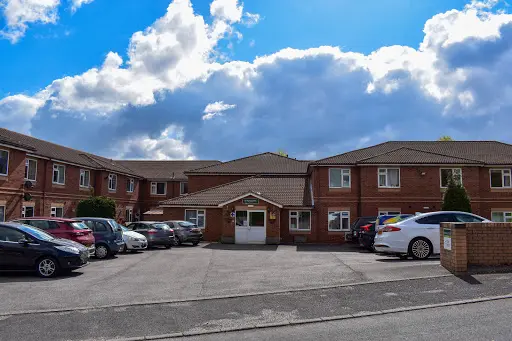
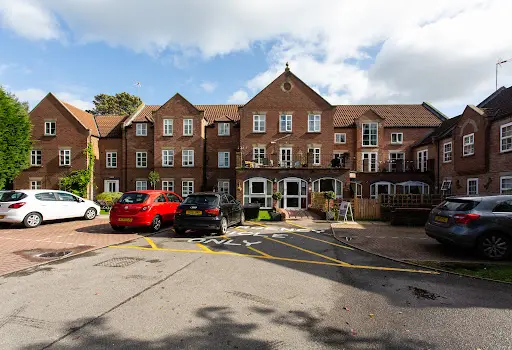
Moorgate Croft, on Nightingale Close in Rotherham, was assessed in January 2025 and rated Good overall, with two domains, Responsive and Well-led, rated Outstanding. This is a strong result. An Outstanding responsive rating means inspectors found specific evidence that the home tailors its approach to individual residents rather than applying a one-size approach, particularly important when your parent has dementia. An Outstanding well-led rating means inspectors were satisfied that management is visible, accountable, and driving a culture of continuous improvement. The home is registered to support up to 31 people, including adults living with dementia, and is run by a named leadership team including two registered managers. The main caution is that the published inspection summary is brief, and many of the details families care most about, such as night staffing numbers, agency staff reliance, food quality, and how the environment is designed for dementia, are not recorded in the available text. The ratings are genuinely encouraging, but they do not answer every question. When you visit, ask the manager to show you last week's actual staffing rota (not the template), and spend time in a communal area at a mealtime to see how staff interact with residents who may be confused or unsettled. Those fifteen minutes will tell you more than any rating.
The three questions to ask when you visitSave this home. Compare it against your shortlist.
Let our analysis show you how Moorgate Care Village measures up against the other homes you’re considering. Free account.
In Their Own Words
How Moorgate Care Village describes itself — collected from its own website. DCC has not edited or independently verified the content in this tab.
Where residents rediscover joy through music, movement and companionship
Residential home in Rotherham: True Peace of Mind
Sometimes the right environment makes all the difference. At Moorgate Croft in Rotherham, families describe watching their loved ones flourish in surroundings designed to feel welcoming rather than institutional. The home's approach centres on keeping residents engaged through varied activities while responding thoughtfully to individual care needs.
Who they care for
The home provides residential care for adults under 65, those over 65, and people living with dementia. Daily activities include music sessions, movement exercises, and social gatherings designed to keep residents engaged and connected.
While dementia care is offered here, families considering this option might want to ask about specific memory support approaches during their visit.
“The combination of thoughtful surroundings and attentive care seems to help residents find their spark again.”
DCC does not edit or curate content in this tab. For independently curated information, see The Evidence and DCC Verdict.
The DCC Verdict
Our editorial view, built from the three lenses: what families tell us, what inspectors record, and how the home sits against good dementia-care practice.
DCC Family Score
Moorgate Croft scores well above average, driven by Outstanding ratings in responsiveness and leadership, and Good ratings across safety, effectiveness, and care. The score reflects strong evidence of individualised activity and visible management, tempered by limited specific detail on food, cleanliness, and healthcare in the published findings.
Homes in Yorkshire & Humberside typically score 68–82.The three-lens summary
What families tell us
Visitors often comment on the thoughtful interior design and pleasant décor throughout the building. The grounds provide additional space for residents to enjoy fresh air and natural surroundings. There's a genuine effort to create spaces where people want to spend time, whether that's joining group activities or finding a quiet corner to relax.
What inspectors have recorded
Families describe staff who notice the small things — when someone needs extra support or when they're ready to try something new. This attentiveness seems to make a real difference, with one family sharing how their relative arrived needing end-of-life care but improved remarkably over the following year.
How it sits against good practice
The combination of thoughtful surroundings and attentive care seems to help residents find their spark again.
Worth a visit
Moorgate Croft, on Nightingale Close in Rotherham, was assessed in January 2025 and rated Good overall, with two domains, Responsive and Well-led, rated Outstanding. This is a strong result. An Outstanding responsive rating means inspectors found specific evidence that the home tailors its approach to individual residents rather than applying a one-size approach, particularly important when your parent has dementia. An Outstanding well-led rating means inspectors were satisfied that management is visible, accountable, and driving a culture of continuous improvement. The home is registered to support up to 31 people, including adults living with dementia, and is run by a named leadership team including two registered managers. The main caution is that the published inspection summary is brief, and many of the details families care most about, such as night staffing numbers, agency staff reliance, food quality, and how the environment is designed for dementia, are not recorded in the available text. The ratings are genuinely encouraging, but they do not answer every question. When you visit, ask the manager to show you last week's actual staffing rota (not the template), and spend time in a communal area at a mealtime to see how staff interact with residents who may be confused or unsettled. Those fifteen minutes will tell you more than any rating.
The three questions to ask when you visitSave this home. Compare it against your shortlist.
Let our analysis show you how Moorgate Care Village measures up against the other homes you’re considering. Free account.
In Their Own Words
How Moorgate Care Village describes itself — collected from its own website. DCC has not edited or independently verified the content in this tab.
Where residents rediscover joy through music, movement and companionship
Residential home in Rotherham: True Peace of Mind
Sometimes the right environment makes all the difference. At Moorgate Croft in Rotherham, families describe watching their loved ones flourish in surroundings designed to feel welcoming rather than institutional. The home's approach centres on keeping residents engaged through varied activities while responding thoughtfully to individual care needs.
Who they care for
The home provides residential care for adults under 65, those over 65, and people living with dementia. Daily activities include music sessions, movement exercises, and social gatherings designed to keep residents engaged and connected.
While dementia care is offered here, families considering this option might want to ask about specific memory support approaches during their visit.
Management & ethos
Families describe staff who notice the small things — when someone needs extra support or when they're ready to try something new. This attentiveness seems to make a real difference, with one family sharing how their relative arrived needing end-of-life care but improved remarkably over the following year.
“The combination of thoughtful surroundings and attentive care seems to help residents find their spark again.”
DCC does not edit or curate content in this tab. For independently curated information, see The Evidence and DCC Verdict.