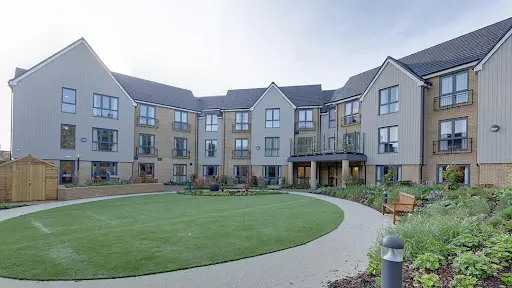
Mayflower Care Home

At a Glance
The information you need to decide whether this home warrants a closer look.
Nursing homes
Staff warmth score
of reviewers answered yes
Good to know
- Registered beds76
- SpecialismsCaring for adults over 65 yrs, Caring for adults under 65 yrs, Dementia, Physical disabilities, Sensory impairment
- Last inspected2021-11-05
Save Mayflower Care Home to your shortlist
Keep a running list, add visit notes, and compare homes side-by-side. Free account — it takes a minute.
STAGE 4 — RESEARCHING CARE HOMES
Visit homes. Compare them side by side. Choose with confidence.
Most of us will view care homes the way we view houses, impression, atmosphere, the feeling in the corridor. We go home, try to remember what we saw, and make a permanent decision from a blurred memory.

The DCC shortlist gives every home you visit a structured record: the same twelve questions, answered the same way, every time. When you’re ready to choose, pull any two homes side by side and compare them directly. Same criteria, same evidence, your notes and your scores.
The Evidence
What the review data, the inspection reports, and the dementia-care evidence base tell us about this home.
What families say
Families describe finding their relatives engaged in activities throughout the day, with staff who remember individual preferences and needs. The atmosphere feels active rather than institutional, with residents participating in various programmes.
The eight family priority themes
- Staff warmth55
- Compassion & dignity60
- Cleanliness55
- Activities & engagement55
- Food quality55
- Healthcare60
- Management & leadership45
- Resident happiness55
What inspectors found
Inspected 2021-11-05
Is this home safe?
Is the care effective?
Effective was rated Good at the October 2025 inspection. This domain covers training, care planning, healthcare access, and how well the home meets residents' clinical and nutritional needs. A Good rating indicates inspectors were satisfied with how the home delivers these functions. The published report does not include specific observations or examples to describe what this looked like in practice. The home supports people with dementia, physical disabilities, and sensory impairments, which requires a broad range of staff skills and tailored care approaches.Is this home caring?
Caring was rated Good at the October 2025 inspection. This domain covers how staff treat the people who live in the home, including warmth, dignity, respect, and supporting independence. A Good rating here is meaningful because staff warmth and compassion are the themes families care most about in our review data. The published report does not include specific observations or quotes from residents or relatives to illustrate what good caring looked like in practice. Without that detail, the rating tells you the standard was met but not what to look for or expect.Is the home responsive?
Responsive was rated Good at the October 2025 inspection. This domain covers whether the home adapts its care to meet individual needs, including activities, engagement, and end-of-life care. A Good rating indicates inspectors were satisfied with how the home responds to residents as individuals. The published report does not include specific examples of activities, individual engagement approaches, or end-of-life planning arrangements. The home supports people with a wide range of needs, including dementia and sensory impairments, which means the approach to responsiveness needs to be genuinely tailored rather than one-size-fits-all.Is the home well-led?
Well-led was rated Requires Improvement at the October 2025 inspection. This domain covers management quality, governance, culture, and accountability. A Requires Improvement rating here is significant because leadership quality shapes everything else in a care home. The published report does not provide specific detail about what inspectors found, so the precise shortfalls are not publicly described. The home previously had an overall Requires Improvement rating and has improved in most domains, but a continuing Requires Improvement in Well-led suggests that the management and governance issues identified previously have not been fully resolved.
Source: CQC inspection report →
What the evidence base says
The home cares for adults both under and over 65, including those with dementia, physical disabilities and sensory impairments. For residents with dementia, the structured activity programme helps provide routine and engagement throughout the day. All areas worth probing directly during a visit.
The DCC Verdict
Our editorial view, built from the three lenses: what families tell us, what inspectors record, and how the home sits against good dementia-care practice.
DCC Family Score
Mayflower Care Home scores 62 out of 100, reflecting a mixed picture: Effective, Caring, and Responsive domains were rated Good at the most recent inspection, but Safe and Well-led both Require Improvement, which pulls the overall score down. The inspection report published in March 2026 does not include enough specific observations, resident quotes, or detailed evidence to push scores higher in any theme.
Homes in South East typically score 68–82.The three-lens summary
What families tell us
Families describe finding their relatives engaged in activities throughout the day, with staff who remember individual preferences and needs. The atmosphere feels active rather than institutional, with residents participating in various programmes.
What inspectors have recorded
Staff make themselves available when families call, and relatives say they can easily reach someone who knows how their loved one is doing. While recent concerns have been raised about care standards that families should discuss directly with the home, many describe staff working professionally in what can be a demanding environment.
How it sits against good practice
If you're considering Mayflower, speaking directly with the management team about their care approach and recent improvements would be worthwhile.
Worth a visit
Mayflower Care Home in Gravesend was assessed in October 2025, with the report published in March 2026. The inspection found the home to be Good in three domains: Effective, Caring, and Responsive. That is a meaningful improvement from a previous Requires Improvement overall rating, and it suggests the home has made real progress in how it delivers and organises care for the people who live there. However, two domains, Safe and Well-led, were both rated Requires Improvement at this inspection. That combination matters because leadership quality shapes everything else in a care home, and safety shortfalls have a direct impact on your parent's day-to-day life. The published report does not provide enough specific detail to tell you exactly what was found in each area, so a visit and a direct conversation with the manager are essential before you make a decision. Ask specifically what actions have been taken since October 2025 to address the Requires Improvement ratings in Safe and Well-led, and ask to see the most recent action plan.
The three questions to ask when you visitSave this home. Compare it against your shortlist.
Let our analysis show you how Mayflower Care Home measures up against the other homes you’re considering. Free account.
In Their Own Words
How Mayflower Care Home describes itself — collected from its own website. DCC has not edited or independently verified the content in this tab.
Structured activities and home cooking in busy Gravesend care setting
Dedicated nursing home Support in Gravesend
When you're looking for care that balances everyday comforts with professional support, Mayflower Care Home in Gravesend offers structured daily activities alongside freshly prepared meals. This care home supports residents with various needs, from physical disabilities to dementia care, while maintaining regular communication with families.
Who they care for
The home cares for adults both under and over 65, including those with dementia, physical disabilities and sensory impairments.
For residents with dementia, the structured activity programme helps provide routine and engagement throughout the day.
“If you're considering Mayflower, speaking directly with the management team about their care approach and recent improvements would be worthwhile.”
DCC does not edit or curate content in this tab. For independently curated information, see The Evidence and DCC Verdict.
The DCC Verdict
Our editorial view, built from the three lenses: what families tell us, what inspectors record, and how the home sits against good dementia-care practice.
DCC Family Score
Mayflower Care Home scores 62 out of 100, reflecting a mixed picture: Effective, Caring, and Responsive domains were rated Good at the most recent inspection, but Safe and Well-led both Require Improvement, which pulls the overall score down. The inspection report published in March 2026 does not include enough specific observations, resident quotes, or detailed evidence to push scores higher in any theme.
Homes in South East typically score 68–82.The three-lens summary
What families tell us
Families describe finding their relatives engaged in activities throughout the day, with staff who remember individual preferences and needs. The atmosphere feels active rather than institutional, with residents participating in various programmes.
What inspectors have recorded
Staff make themselves available when families call, and relatives say they can easily reach someone who knows how their loved one is doing. While recent concerns have been raised about care standards that families should discuss directly with the home, many describe staff working professionally in what can be a demanding environment.
How it sits against good practice
If you're considering Mayflower, speaking directly with the management team about their care approach and recent improvements would be worthwhile.
Worth a visit
Mayflower Care Home in Gravesend was assessed in October 2025, with the report published in March 2026. The inspection found the home to be Good in three domains: Effective, Caring, and Responsive. That is a meaningful improvement from a previous Requires Improvement overall rating, and it suggests the home has made real progress in how it delivers and organises care for the people who live there. However, two domains, Safe and Well-led, were both rated Requires Improvement at this inspection. That combination matters because leadership quality shapes everything else in a care home, and safety shortfalls have a direct impact on your parent's day-to-day life. The published report does not provide enough specific detail to tell you exactly what was found in each area, so a visit and a direct conversation with the manager are essential before you make a decision. Ask specifically what actions have been taken since October 2025 to address the Requires Improvement ratings in Safe and Well-led, and ask to see the most recent action plan.
The three questions to ask when you visitSave this home. Compare it against your shortlist.
Let our analysis show you how Mayflower Care Home measures up against the other homes you’re considering. Free account.
In Their Own Words
How Mayflower Care Home describes itself — collected from its own website. DCC has not edited or independently verified the content in this tab.
Structured activities and home cooking in busy Gravesend care setting
Dedicated nursing home Support in Gravesend
When you're looking for care that balances everyday comforts with professional support, Mayflower Care Home in Gravesend offers structured daily activities alongside freshly prepared meals. This care home supports residents with various needs, from physical disabilities to dementia care, while maintaining regular communication with families.
Who they care for
The home cares for adults both under and over 65, including those with dementia, physical disabilities and sensory impairments.
For residents with dementia, the structured activity programme helps provide routine and engagement throughout the day.
Management & ethos
Staff make themselves available when families call, and relatives say they can easily reach someone who knows how their loved one is doing. While recent concerns have been raised about care standards that families should discuss directly with the home, many describe staff working professionally in what can be a demanding environment.
The home & environment
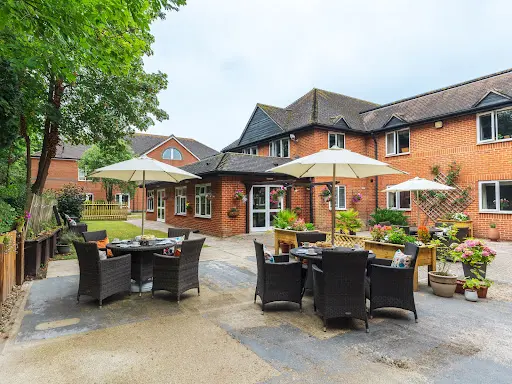
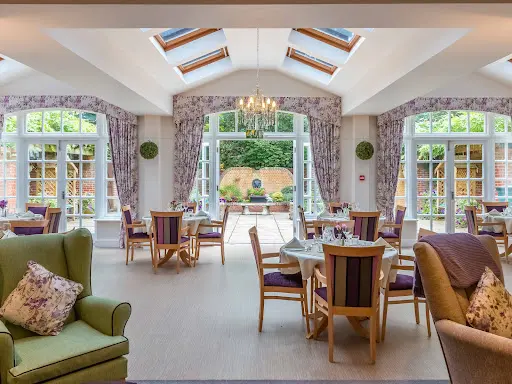
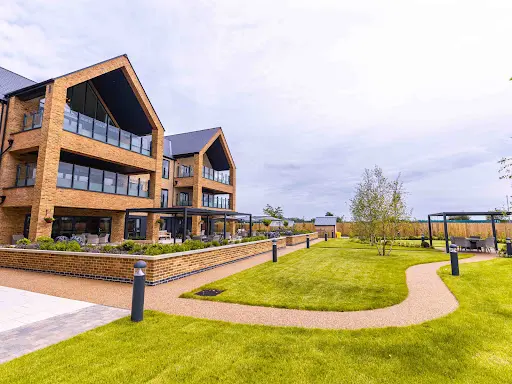
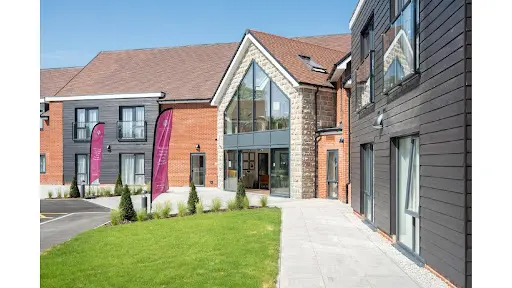
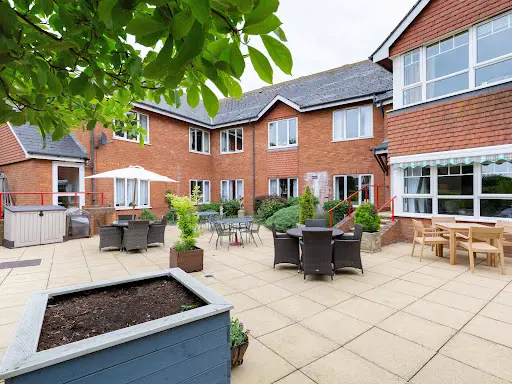
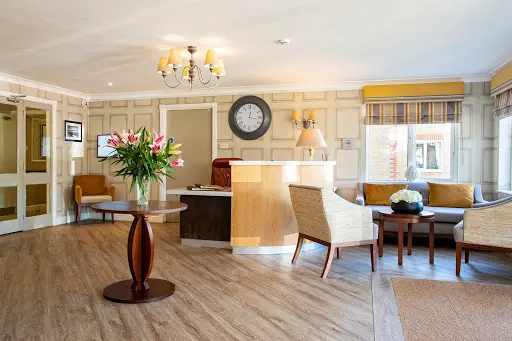
The kitchen serves home-cooked meals that families say their relatives genuinely enjoy — proper food that's fresh and satisfying. The home maintains clean, well-kept spaces throughout.
“If you're considering Mayflower, speaking directly with the management team about their care approach and recent improvements would be worthwhile.”
DCC does not edit or curate content in this tab. For independently curated information, see The Evidence and DCC Verdict.