Wombwell Hall Care Home – Belmont Healthcare
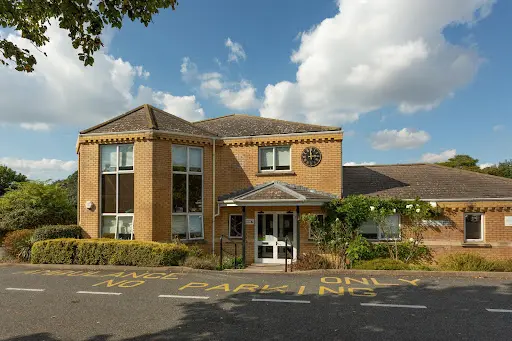
At a Glance
The information you need to decide whether this home warrants a closer look.
Nursing homes
Staff warmth score
of reviewers answered yes
Good to know
- Registered beds120
- SpecialismsCaring for adults over 65 yrs, Caring for adults under 65 yrs, Dementia
- Last inspected2022-02-08
Save Wombwell Hall Care Home – Belmont Healthcare to your shortlist
Keep a running list, add visit notes, and compare homes side-by-side. Free account — it takes a minute.
STAGE 4 — RESEARCHING CARE HOMES
Visit homes. Compare them side by side. Choose with confidence.
Most of us will view care homes the way we view houses, impression, atmosphere, the feeling in the corridor. We go home, try to remember what we saw, and make a permanent decision from a blurred memory.

The DCC shortlist gives every home you visit a structured record: the same twelve questions, answered the same way, every time. When you’re ready to choose, pull any two homes side by side and compare them directly. Same criteria, same evidence, your notes and your scores.
The Evidence
What the review data, the inspection reports, and the dementia-care evidence base tell us about this home.
What families say
Families describe feeling genuinely supported here, especially during their loved ones' final days. Staff are noted for creating space for extended family visits and helping relatives navigate difficult emotions. During respite stays, people often comment on how well staff get to know individual residents' needs and preferences.
The eight family priority themes
- Staff warmth72
- Compassion & dignity72
- Cleanliness70
- Activities & engagement65
- Food quality65
- Healthcare70
- Management & leadership72
- Resident happiness70
What inspectors found
Inspected 2022-02-08
Is this home safe?
Is the care effective?
The April 2025 inspection rated Effective as Good. The home declares dementia as a specialism, which implies a commitment to training and care planning above a standard nursing home baseline. The published report does not describe the content or frequency of dementia training, whether care plans are regularly reviewed with families, or how the home manages GP access and clinical oversight for 120 residents. Nursing care is within the home's registered scope, which means qualified nurses should be on duty and able to monitor health changes.Is this home caring?
The April 2025 inspection rated Caring as Good. Staff warmth and compassion are the single most important factors in family satisfaction, accounting for 57.3% and 55.2% of positive reviews in our data respectively. The published inspection text does not include any direct observations of staff interactions, quotes from residents or relatives, or descriptions of how dignity and privacy are maintained. A Good rating in this domain means inspectors were satisfied, but it does not tell you what that looked like in practice.Is the home responsive?
The April 2025 inspection rated Responsive as Good. The home cares for both older adults and adults under 65 with dementia, which requires a range of activities and approaches across different ages and stages. The published report does not describe the activities programme, how individual preferences are captured and acted upon, or how the home responds when a resident's needs change. End-of-life care is within scope at a nursing home and is an important question for families to raise directly.Is the home well-led?
The April 2025 inspection rated Well-led as Good. A named registered manager, Adam Nicholas Hutchison, is in post, and Richard Thomas Lawson is recorded as the nominated individual for the operating organisation, Belmont Healthcare (Wombwell) Limited. The home has been inspected six times and has improved from a previous Requires Improvement rating to Good, suggesting that leadership has driven change. The published report does not describe the manager's visibility, how the culture is described by staff, or what governance systems are in place.
Source: CQC inspection report →
What the evidence base says
The home cares for adults under 65, those over 65, and people living with dementia. Their experience with end-of-life care stands out as a particular strength. People with dementia are part of the community here, though specific dementia care approaches aren't detailed in family feedback. The home accepts residents with varying stages and types of dementia. All areas worth probing directly during a visit.
The DCC Verdict
Our editorial view, built from the three lenses: what families tell us, what inspectors record, and how the home sits against good dementia-care practice.
DCC Family Score
Wombwell Hall has improved from Requires Improvement to a Good rating across all five domains at its most recent assessment in April 2025, which is an encouraging upward trend. However, the published inspection report contains very limited specific detail, so scores reflect the official rating rather than verified observations, quotes, or direct evidence.
Homes in South East typically score 68–82.The three-lens summary
What families tell us
Families describe feeling genuinely supported here, especially during their loved ones' final days. Staff are noted for creating space for extended family visits and helping relatives navigate difficult emotions. During respite stays, people often comment on how well staff get to know individual residents' needs and preferences.
What inspectors have recorded
Staff show real compassion, particularly in end-of-life care where their respectful, dignified approach brings comfort to families. Communication with relatives during these times is notably thoughtful. However, some families have experienced concerning decisions about discharge procedures and inconsistent responses to day-to-day care needs.
How it sits against good practice
Every family's experience shapes our understanding of care quality — if you're considering Wombwell Hall, visiting and asking your own questions will help you decide if it's the right fit.
Worth a visit
Wombwell Hall in Gravesend was assessed as Good across all five domains at its most recent inspection in April 2025, with the report published in July 2025. This is a positive finding, and it represents an improvement from a previous Requires Improvement rating, which suggests the home has addressed earlier concerns. The home provides nursing care and has dementia as a declared specialism, operating across 120 beds for both older adults and adults under 65. The honest limitation here is that the published inspection report contains very little specific detail: no direct observations of care, no quotes from residents or families, and no description of what changed since the previous rating. A Good rating is meaningful, but it tells you the inspection outcome rather than what daily life looks and feels like for your parent. Before you make a decision, visit at a mealtime, ask to see last month's staffing rota (including night shifts and agency cover), and ask the registered manager, Adam Hutchison, to describe what was wrong at the previous inspection and exactly what the home did to improve.
The three questions to ask when you visitSave this home. Compare it against your shortlist.
Let our analysis show you how Wombwell Hall Care Home – Belmont Healthcare measures up against the other homes you’re considering. Free account.
In Their Own Words
How Wombwell Hall Care Home – Belmont Healthcare describes itself — collected from its own website. DCC has not edited or independently verified the content in this tab.
Where dignity matters most during life's hardest moments
Wombwell Hall – Expert Care in Gravesend
When families face end-of-life care decisions, they need somewhere that understands both the practical and emotional weight of these days. Wombwell Hall in Gravesend provides residential care with a particular focus on supporting families through terminal care and respite stays. The home welcomes adults of all ages, including those living with dementia.
Who they care for
The home cares for adults under 65, those over 65, and people living with dementia. Their experience with end-of-life care stands out as a particular strength.
People with dementia are part of the community here, though specific dementia care approaches aren't detailed in family feedback. The home accepts residents with varying stages and types of dementia.
“Every family's experience shapes our understanding of care quality — if you're considering Wombwell Hall, visiting and asking your own questions will help you decide if it's the right fit.”
DCC does not edit or curate content in this tab. For independently curated information, see The Evidence and DCC Verdict.
The DCC Verdict
Our editorial view, built from the three lenses: what families tell us, what inspectors record, and how the home sits against good dementia-care practice.
DCC Family Score
Wombwell Hall has improved from Requires Improvement to a Good rating across all five domains at its most recent assessment in April 2025, which is an encouraging upward trend. However, the published inspection report contains very limited specific detail, so scores reflect the official rating rather than verified observations, quotes, or direct evidence.
Homes in South East typically score 68–82.The three-lens summary
What families tell us
Families describe feeling genuinely supported here, especially during their loved ones' final days. Staff are noted for creating space for extended family visits and helping relatives navigate difficult emotions. During respite stays, people often comment on how well staff get to know individual residents' needs and preferences.
What inspectors have recorded
Staff show real compassion, particularly in end-of-life care where their respectful, dignified approach brings comfort to families. Communication with relatives during these times is notably thoughtful. However, some families have experienced concerning decisions about discharge procedures and inconsistent responses to day-to-day care needs.
How it sits against good practice
Every family's experience shapes our understanding of care quality — if you're considering Wombwell Hall, visiting and asking your own questions will help you decide if it's the right fit.
Worth a visit
Wombwell Hall in Gravesend was assessed as Good across all five domains at its most recent inspection in April 2025, with the report published in July 2025. This is a positive finding, and it represents an improvement from a previous Requires Improvement rating, which suggests the home has addressed earlier concerns. The home provides nursing care and has dementia as a declared specialism, operating across 120 beds for both older adults and adults under 65. The honest limitation here is that the published inspection report contains very little specific detail: no direct observations of care, no quotes from residents or families, and no description of what changed since the previous rating. A Good rating is meaningful, but it tells you the inspection outcome rather than what daily life looks and feels like for your parent. Before you make a decision, visit at a mealtime, ask to see last month's staffing rota (including night shifts and agency cover), and ask the registered manager, Adam Hutchison, to describe what was wrong at the previous inspection and exactly what the home did to improve.
The three questions to ask when you visitSave this home. Compare it against your shortlist.
Let our analysis show you how Wombwell Hall Care Home – Belmont Healthcare measures up against the other homes you’re considering. Free account.
In Their Own Words
How Wombwell Hall Care Home – Belmont Healthcare describes itself — collected from its own website. DCC has not edited or independently verified the content in this tab.
Where dignity matters most during life's hardest moments
Wombwell Hall – Expert Care in Gravesend
When families face end-of-life care decisions, they need somewhere that understands both the practical and emotional weight of these days. Wombwell Hall in Gravesend provides residential care with a particular focus on supporting families through terminal care and respite stays. The home welcomes adults of all ages, including those living with dementia.
Who they care for
The home cares for adults under 65, those over 65, and people living with dementia. Their experience with end-of-life care stands out as a particular strength.
People with dementia are part of the community here, though specific dementia care approaches aren't detailed in family feedback. The home accepts residents with varying stages and types of dementia.
Management & ethos
Staff show real compassion, particularly in end-of-life care where their respectful, dignified approach brings comfort to families. Communication with relatives during these times is notably thoughtful. However, some families have experienced concerning decisions about discharge procedures and inconsistent responses to day-to-day care needs.
The home & environment
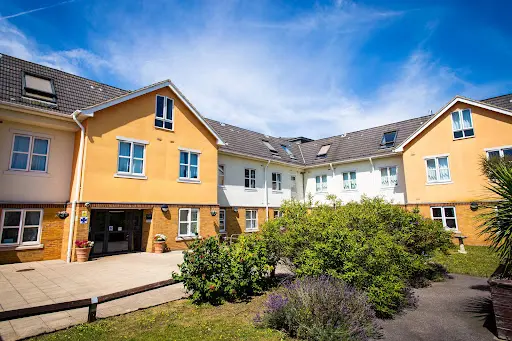
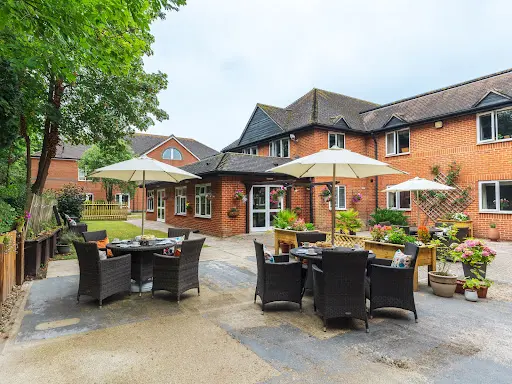
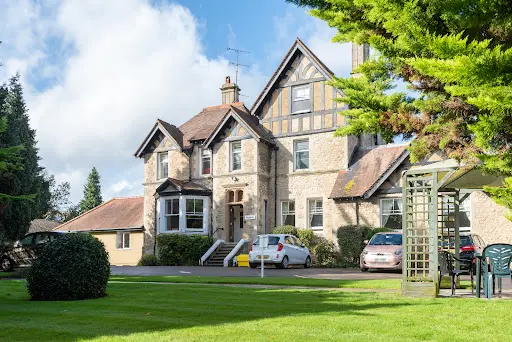
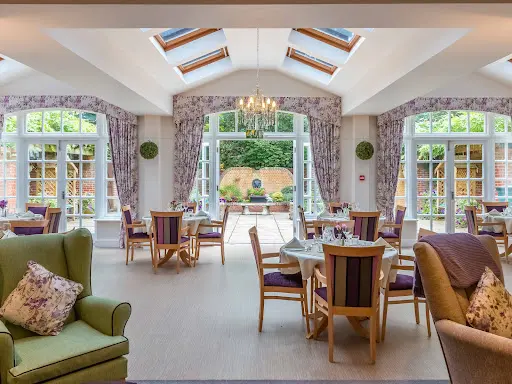
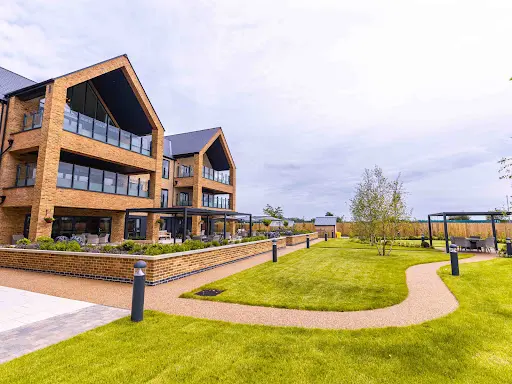
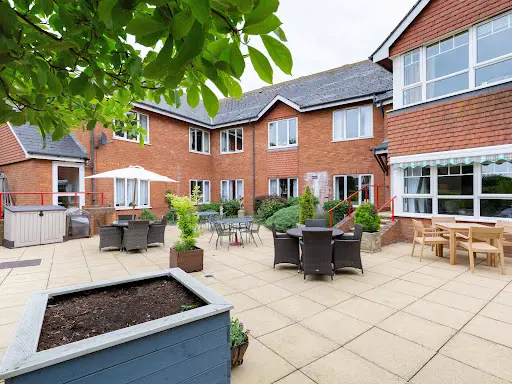
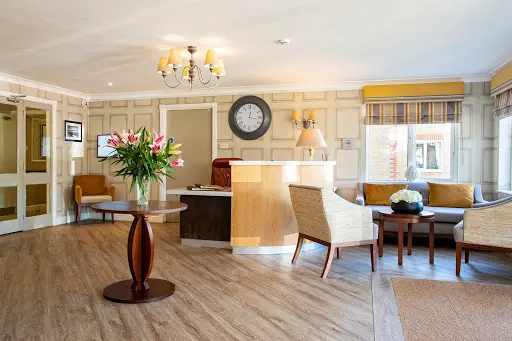
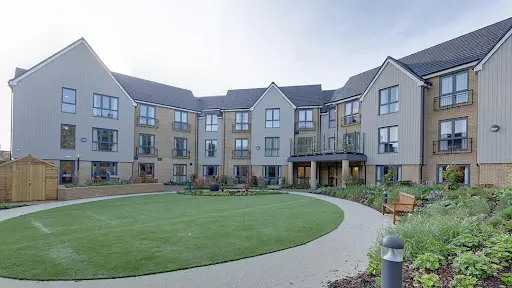
The food gets positive mentions for being plentiful and fresh, though experiences seem to vary. Activities bring life to the days here — residents enjoy everything from karaoke sessions to feeding birds in the garden. The building itself could use some updating, which management acknowledges they're working on.
“Every family's experience shapes our understanding of care quality — if you're considering Wombwell Hall, visiting and asking your own questions will help you decide if it's the right fit.”
DCC does not edit or curate content in this tab. For independently curated information, see The Evidence and DCC Verdict.