Hepworth House Care Home
At a Glance
The information you need to decide whether this home warrants a closer look.
Residential homes
Staff warmth score
of reviewers answered yes
Good to know
- Registered beds66
- SpecialismsCaring for adults over 65 yrs, Dementia, Mental health conditions, Sensory impairment
- Last inspected2022-11-29
Save Hepworth House Care Home to your shortlist
Keep a running list, add visit notes, and compare homes side-by-side. Free account — it takes a minute.
STAGE 4 — RESEARCHING CARE HOMES
Visit homes. Compare them side by side. Choose with confidence.
Most of us will view care homes the way we view houses, impression, atmosphere, the feeling in the corridor. We go home, try to remember what we saw, and make a permanent decision from a blurred memory.

The DCC shortlist gives every home you visit a structured record: the same twelve questions, answered the same way, every time. When you’re ready to choose, pull any two homes side by side and compare them directly. Same criteria, same evidence, your notes and your scores.
The Evidence
What the review data, the inspection reports, and the dementia-care evidence base tell us about this home.
What families say
What strikes families most is seeing previously withdrawn residents start participating again — joining activities, chatting with other residents, even looking forward to meals. The structured programme of events and outings gives shape to each day, while staff take time to understand what makes each person tick.
The eight family priority themes
- Staff warmth95
- Compassion & dignity95
- Cleanliness88
- Activities & engagement88
- Food quality85
- Healthcare90
- Management & leadership95
- Resident happiness90
What inspectors found
Inspected 2022-11-29
Is this home safe?
Is the care effective?
Hepworth House was rated Outstanding for effectiveness at its October 2022 inspection. The detailed evidence is not available in the published summary. An Outstanding effective rating for a home registered for dementia care typically reflects strong care planning, regular GP access, dementia-specific staff training, and positive outcomes around nutrition and hydration. The home's registration for dementia, mental health conditions, and sensory impairments suggests a broad clinical remit that inspectors judged was being met to the highest standard.Is this home caring?
Hepworth House was rated Outstanding for caring at its October 2022 inspection. This domain covers staff warmth, dignity and respect, and whether people who live at the home are treated as individuals rather than as a group. The full evidence behind this rating is not available in the published summary. An Outstanding caring rating in a home supporting people with dementia is particularly significant because it requires inspectors to see evidence of non-verbal communication, unhurried interactions, and genuine knowledge of each person's history and preferences.Is the home responsive?
Hepworth House was rated Outstanding for responsiveness at its October 2022 inspection. This domain covers whether people have a life at the home, including access to varied and meaningful activities, individualised engagement, and responsive end-of-life care. The detailed evidence is not available in the published summary. For a home registered for dementia care, an Outstanding responsive rating typically means inspectors found individual activities for people who cannot join groups, not just a programme of group events, and evidence that end-of-life wishes were documented and honoured.Is the home well-led?
Hepworth House was rated Outstanding for well-led at its October 2022 inspection. A named registered manager, Miss Debbie Manley, is recorded, along with a nominated individual, Ms Anna Gretchen Selby, from the provider organisation Ideal Carehomes Limited. The detailed evidence behind the Outstanding rating is not available in the published summary. An Outstanding well-led rating typically reflects a visible and stable manager, a culture where staff feel able to raise concerns, robust governance systems, and evidence that learning from incidents drives improvement.
Source: CQC inspection report →
What the evidence base says
The home provides specialist support for sensory impairments, dementia, and mental health conditions, focusing on adults over 65. For residents with dementia, the structured activities and consistent staff presence help create reassuring routines. The modern environment includes features that support orientation and wellbeing. All areas worth probing directly during a visit.
The DCC Verdict
Our editorial view, built from the three lenses: what families tell us, what inspectors record, and how the home sits against good dementia-care practice.
DCC Family Score
Hepworth House received Outstanding ratings across all five inspection domains, which is rare: fewer than 4% of care homes in England achieve this. The score reflects that strength, though the inspection is now over two years old, so some details need confirming directly with the home.
Homes in Yorkshire & Humberside typically score 68–82.The three-lens summary
What families tell us
What strikes families most is seeing previously withdrawn residents start participating again — joining activities, chatting with other residents, even looking forward to meals. The structured programme of events and outings gives shape to each day, while staff take time to understand what makes each person tick.
What inspectors have recorded
Staff here seem to understand that good care means more than just physical needs. They listen when residents need to talk, respond quickly to health concerns (including arranging weekend doctor visits), and maintain dignity through every stage of care. Though one family did struggle to get responses to initial enquiries, the day-to-day communication once residents move in appears much stronger.
How it sits against good practice
Sometimes the right environment can help someone rediscover parts of themselves that seemed lost.
Worth a visit
Hepworth House in Wakefield was rated Outstanding at its last inspection in October 2022, with Outstanding awarded in every single domain: safe, effective, caring, responsive, and well led. This is a genuinely rare achievement. A monitoring review in July 2023 found no evidence to change the rating. The home, run by Ideal Carehomes Limited, has 66 beds and is registered to support people living with dementia, mental health conditions, and sensory impairments, as well as older adults generally. The main uncertainty is that the full inspection report was not available for this analysis, so the specific evidence behind those Outstanding ratings, what inspectors actually saw, heard, and recorded, cannot be described in detail here. The rating itself is highly reassuring, but it is now more than two years old. When you visit, ask the manager what has changed since October 2022, request to see the most recent staffing rota, and if possible arrive at a mealtime to observe how staff interact with the people who live there.
The three questions to ask when you visitSave this home. Compare it against your shortlist.
Let our analysis show you how Hepworth House Care Home measures up against the other homes you’re considering. Free account.
In Their Own Words
How Hepworth House Care Home describes itself — collected from its own website. DCC has not edited or independently verified the content in this tab.
Where withdrawn residents rediscover their spark in Wakefield
Dedicated residential home Support in Wakefield
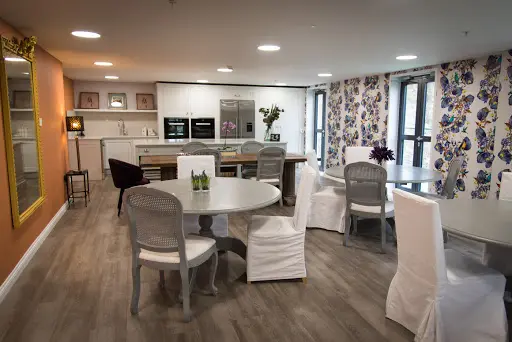
Families watching loved ones withdraw from life might find real hope at Hepworth House in Wakefield. This modern care home has become known for helping residents reconnect with activities they'd stopped enjoying, from social events to simple pleasures like mealtimes. The combination of attentive staff and thoughtfully designed spaces seems to make a genuine difference.
Who they care for
The home provides specialist support for sensory impairments, dementia, and mental health conditions, focusing on adults over 65.
For residents with dementia, the structured activities and consistent staff presence help create reassuring routines. The modern environment includes features that support orientation and wellbeing.
“Sometimes the right environment can help someone rediscover parts of themselves that seemed lost.”
DCC does not edit or curate content in this tab. For independently curated information, see The Evidence and DCC Verdict.
The DCC Verdict
Our editorial view, built from the three lenses: what families tell us, what inspectors record, and how the home sits against good dementia-care practice.
DCC Family Score
Hepworth House received Outstanding ratings across all five inspection domains, which is rare: fewer than 4% of care homes in England achieve this. The score reflects that strength, though the inspection is now over two years old, so some details need confirming directly with the home.
Homes in Yorkshire & Humberside typically score 68–82.The three-lens summary
What families tell us
What strikes families most is seeing previously withdrawn residents start participating again — joining activities, chatting with other residents, even looking forward to meals. The structured programme of events and outings gives shape to each day, while staff take time to understand what makes each person tick.
What inspectors have recorded
Staff here seem to understand that good care means more than just physical needs. They listen when residents need to talk, respond quickly to health concerns (including arranging weekend doctor visits), and maintain dignity through every stage of care. Though one family did struggle to get responses to initial enquiries, the day-to-day communication once residents move in appears much stronger.
How it sits against good practice
Sometimes the right environment can help someone rediscover parts of themselves that seemed lost.
Worth a visit
Hepworth House in Wakefield was rated Outstanding at its last inspection in October 2022, with Outstanding awarded in every single domain: safe, effective, caring, responsive, and well led. This is a genuinely rare achievement. A monitoring review in July 2023 found no evidence to change the rating. The home, run by Ideal Carehomes Limited, has 66 beds and is registered to support people living with dementia, mental health conditions, and sensory impairments, as well as older adults generally. The main uncertainty is that the full inspection report was not available for this analysis, so the specific evidence behind those Outstanding ratings, what inspectors actually saw, heard, and recorded, cannot be described in detail here. The rating itself is highly reassuring, but it is now more than two years old. When you visit, ask the manager what has changed since October 2022, request to see the most recent staffing rota, and if possible arrive at a mealtime to observe how staff interact with the people who live there.
The three questions to ask when you visitSave this home. Compare it against your shortlist.
Let our analysis show you how Hepworth House Care Home measures up against the other homes you’re considering. Free account.
In Their Own Words
How Hepworth House Care Home describes itself — collected from its own website. DCC has not edited or independently verified the content in this tab.
Where withdrawn residents rediscover their spark in Wakefield
Dedicated residential home Support in Wakefield
Families watching loved ones withdraw from life might find real hope at Hepworth House in Wakefield. This modern care home has become known for helping residents reconnect with activities they'd stopped enjoying, from social events to simple pleasures like mealtimes. The combination of attentive staff and thoughtfully designed spaces seems to make a genuine difference.
Who they care for
The home provides specialist support for sensory impairments, dementia, and mental health conditions, focusing on adults over 65.
For residents with dementia, the structured activities and consistent staff presence help create reassuring routines. The modern environment includes features that support orientation and wellbeing.
Management & ethos
Staff here seem to understand that good care means more than just physical needs. They listen when residents need to talk, respond quickly to health concerns (including arranging weekend doctor visits), and maintain dignity through every stage of care. Though one family did struggle to get responses to initial enquiries, the day-to-day communication once residents move in appears much stronger.
The home & environment
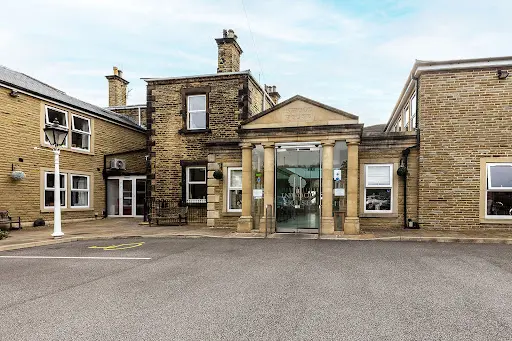
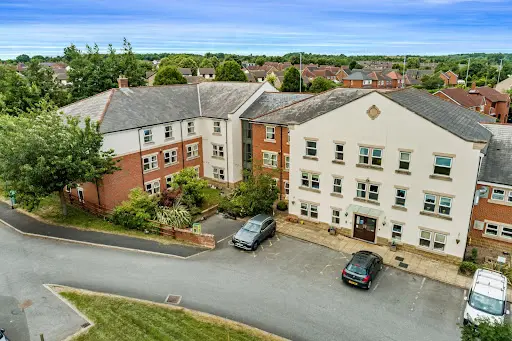
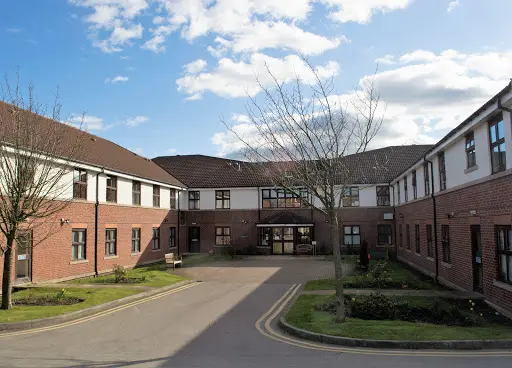
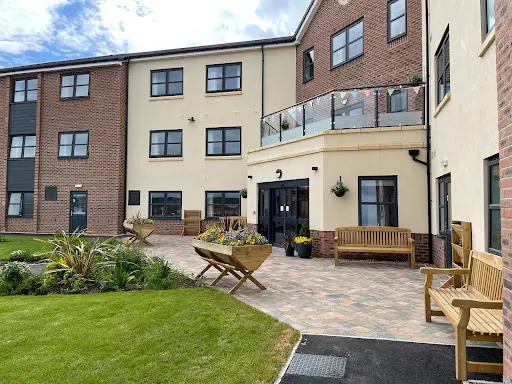
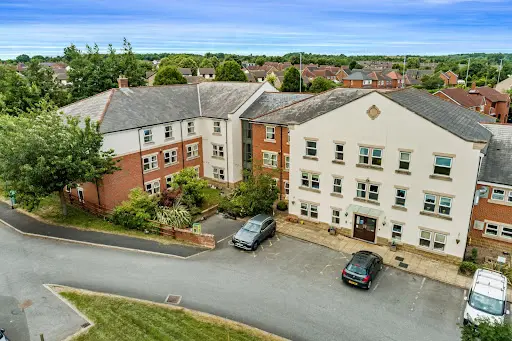
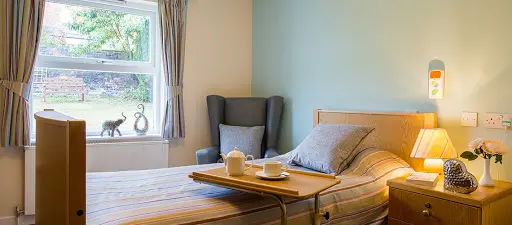
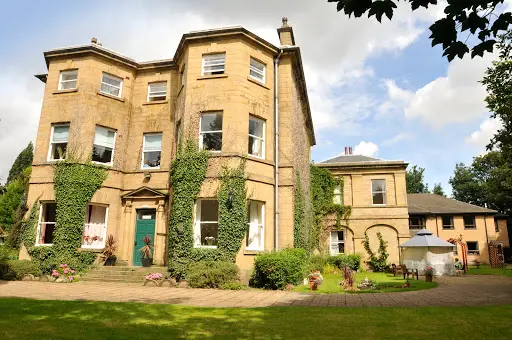
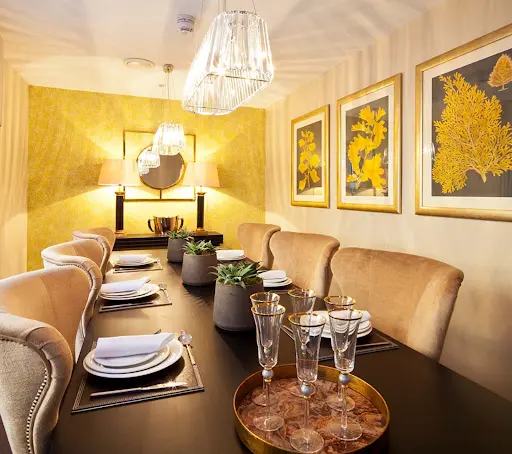
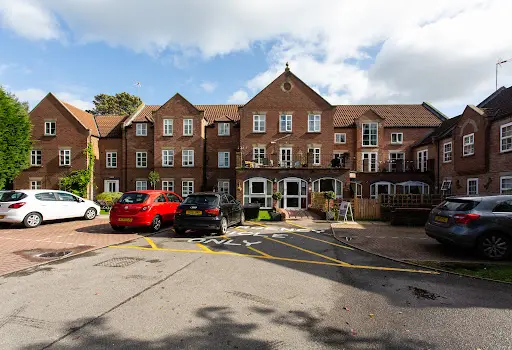
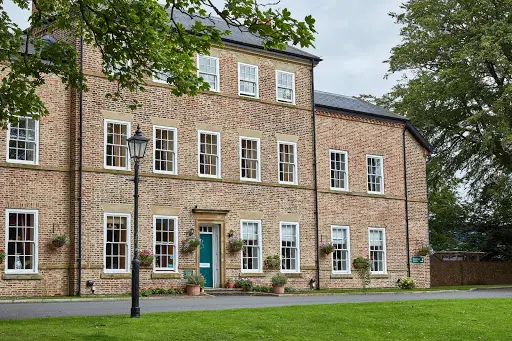
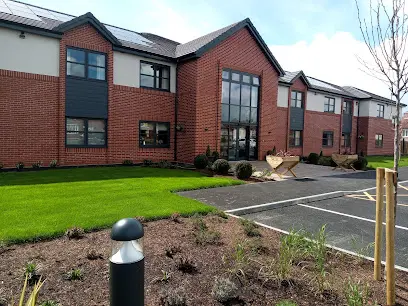
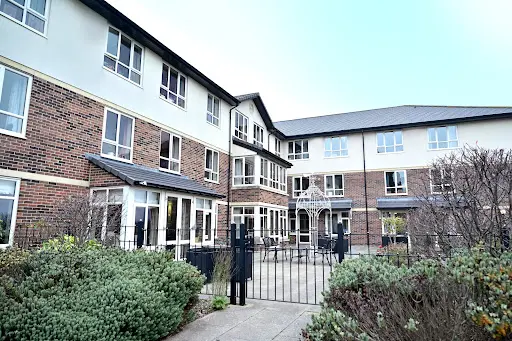
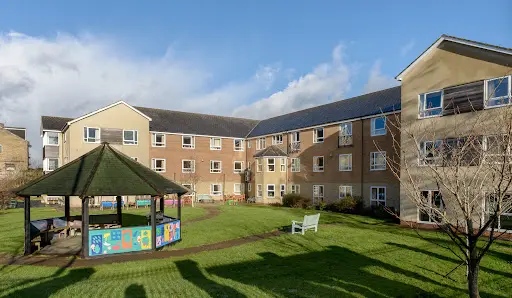
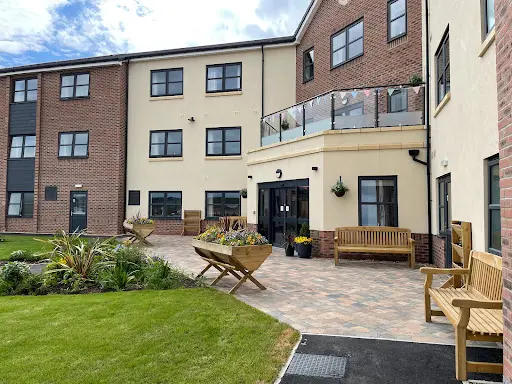
The home feels properly modern, with spaces designed for different moods and activities. There's a cinema for film afternoons, a salon for keeping up appearances, and a tea room where residents gather. The bar area creates a social hub, and everything's kept spotlessly clean.
“Sometimes the right environment can help someone rediscover parts of themselves that seemed lost.”
DCC does not edit or curate content in this tab. For independently curated information, see The Evidence and DCC Verdict.