Hanford Manor

At a Glance
The information you need to decide whether this home warrants a closer look.
Residential homes
Staff warmth score
of reviewers answered yes
Good to know
- Registered beds33
- SpecialismsCaring for adults over 65 yrs, Dementia, Mental health conditions, Physical disabilities, Sensory impairment
- Last inspected2020-02-06
Save Hanford Manor to your shortlist
Keep a running list, add visit notes, and compare homes side-by-side. Free account — it takes a minute.
STAGE 4 — RESEARCHING CARE HOMES
Visit homes. Compare them side by side. Choose with confidence.
Most of us will view care homes the way we view houses, impression, atmosphere, the feeling in the corridor. We go home, try to remember what we saw, and make a permanent decision from a blurred memory.

The DCC shortlist gives every home you visit a structured record: the same twelve questions, answered the same way, every time. When you’re ready to choose, pull any two homes side by side and compare them directly. Same criteria, same evidence, your notes and your scores.
The Evidence
What the review data, the inspection reports, and the dementia-care evidence base tell us about this home.
What families say
Visitors notice the welcoming atmosphere when they arrive, with staff described as approachable and professional in their manner. Families appreciate being included in care discussions and receiving updates about activities their relatives enjoy.
The eight family priority themes
- Staff warmth72
- Compassion & dignity72
- Cleanliness65
- Activities & engagement60
- Food quality60
- Healthcare65
- Management & leadership42
- Resident happiness65
What inspectors found
Inspected 2020-02-06
Is this home safe?
Is the care effective?
The inspection rated Effective as Good. This domain covers whether staff have the right training, whether care plans genuinely reflect each person's needs and history, and whether healthcare access, including GP visits and medication management, is well organised. The home's registered specialisms include dementia and mental health conditions, which means specialist knowledge in these areas should be in evidence. The published summary provides no specific detail about training content, care plan quality, or healthcare pathways.Is this home caring?
The inspection rated Caring as Good. This is the domain most directly linked to how staff treat your parent day to day, covering warmth, dignity, respect, and whether your parent's independence is supported rather than undermined. A Good rating here is a positive signal. However, the published summary does not include specific inspector observations, resident quotes, or examples of how staff demonstrated kindness and respect in practice.Is the home responsive?
The inspection rated Responsive as Good. This domain covers whether your parent will have a meaningful life at the home, including access to activities that suit them as an individual, whether their preferences are listened to, and how the home handles complaints and end-of-life planning. The home supports people with dementia, mental health conditions, and sensory impairments, which means responsive care should include adapted activities and one-to-one engagement for those who cannot participate in group sessions. The published summary contains no specific detail about the activities programme, complaint outcomes, or end-of-life arrangements.Is the home well-led?
The inspection rated Well-led as Requires Improvement, the only domain not rated Good. This is the most significant finding from the January 2020 inspection. It means inspectors identified something meaningful that was not working well in how the home is managed, governed, or overseen. The home is run by Hanford Manor Limited, with Miss Courtney Adele Roberts as registered manager and Mr Paul Richard Roberts as nominated individual. A monitoring review conducted in July 2023 concluded that no reassessment was needed at that point, but no full re-inspection has been published since the original 2020 visit.
Source: CQC inspection report →
What the evidence base says
The home cares for people over 65 with various support needs including physical disabilities and sensory impairments. They also provide specialist care for residents living with dementia or mental health conditions. For residents with dementia, the team creates individualized care plans that families report are regularly reviewed and updated. Staff work to include relatives in understanding how their loved one's needs change over time. All areas worth probing directly during a visit.
The DCC Verdict
Our editorial view, built from the three lenses: what families tell us, what inspectors record, and how the home sits against good dementia-care practice.
DCC Family Score
Hanford Manor scores reasonably well across the care and staffing themes, where inspectors rated four domains Good, but the Requires Improvement in leadership pulls the overall score down and means there are unresolved questions about accountability and governance that you should explore directly with the home.
Homes in West Midlands typically score 68–82.The three-lens summary
What families tell us
Visitors notice the welcoming atmosphere when they arrive, with staff described as approachable and professional in their manner. Families appreciate being included in care discussions and receiving updates about activities their relatives enjoy.
What inspectors have recorded
How it sits against good practice
If you're considering Hanford Manor, it's worth visiting to see the facilities and meet the team yourself.
Worth a visit
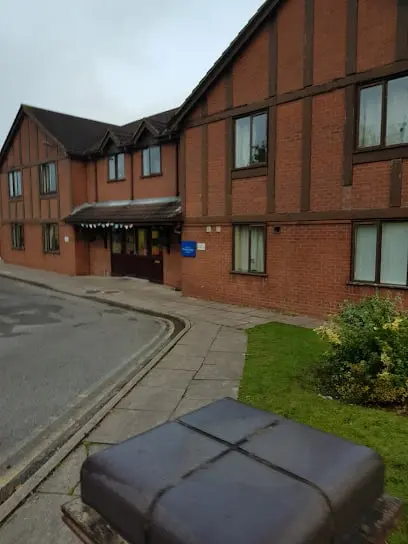
Hanford Manor at 85 Church Lane, Stoke-on-Trent is a 33-bed residential home registered to care for older adults, including people living with dementia, mental health conditions, physical disabilities, and sensory impairment. At its only published inspection in January 2020, the home was rated Good overall, with Good ratings in Safe, Effective, Caring, and Responsive. That result indicates that, at the time of the inspection, staff were broadly doing the right things for the people in their care. The single area of concern is Well-led, which was rated Requires Improvement. This rating means inspectors found something meaningful was missing in how the home is managed, overseen, or held accountable, though the published summary does not spell out what specifically was wrong. A monitoring review in July 2023 did not trigger a reassessment, so no fresh inspection has taken place in over five years. That gap means you are working with limited and dated information. When you visit, ask the manager directly what the Well-led concerns were, what was changed in response, and whether a formal re-inspection has been requested or is scheduled. Also ask to see the most recent quality audit and any findings from the local authority or NHS.
The three questions to ask when you visitSave this home. Compare it against your shortlist.
Let our analysis show you how Hanford Manor measures up against the other homes you’re considering. Free account.
In Their Own Words
How Hanford Manor describes itself — collected from its own website. DCC has not edited or independently verified the content in this tab.
Well-maintained care home with organized activities and family involvement
Hanford Manor – Your Trusted residential home
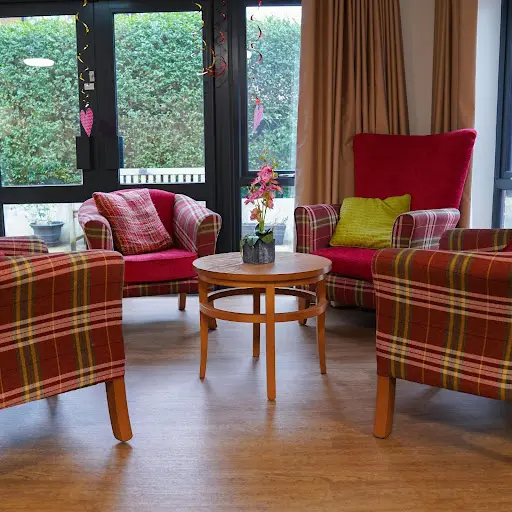
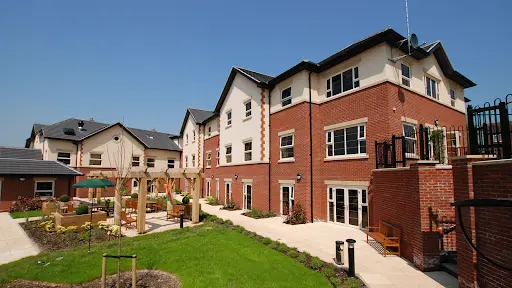
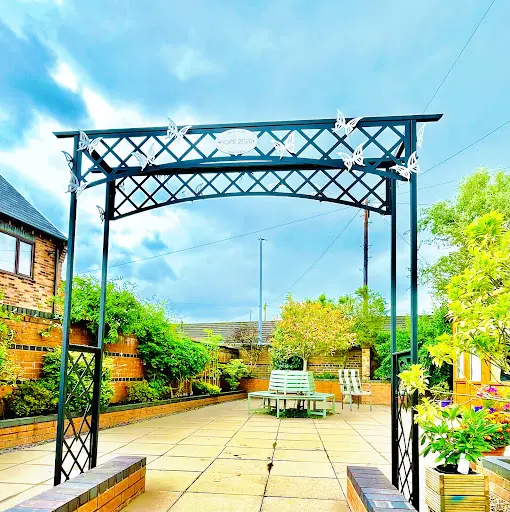
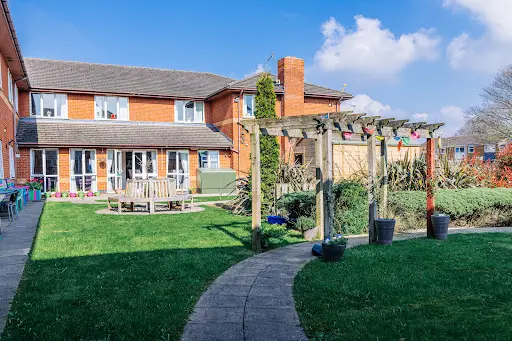
Hanford Manor in Stoke On Trent provides residential care in bright, clean surroundings with outdoor spaces. The care home supports residents with various needs including dementia, mental health conditions, physical disabilities and sensory impairments. Families describe friendly staff who keep them involved in their loved one's care through regular updates and photo sharing.
Who they care for
The home cares for people over 65 with various support needs including physical disabilities and sensory impairments. They also provide specialist care for residents living with dementia or mental health conditions.
For residents with dementia, the team creates individualized care plans that families report are regularly reviewed and updated. Staff work to include relatives in understanding how their loved one's needs change over time.
“If you're considering Hanford Manor, it's worth visiting to see the facilities and meet the team yourself.”
DCC does not edit or curate content in this tab. For independently curated information, see The Evidence and DCC Verdict.
The DCC Verdict
Our editorial view, built from the three lenses: what families tell us, what inspectors record, and how the home sits against good dementia-care practice.
DCC Family Score
Hanford Manor scores reasonably well across the care and staffing themes, where inspectors rated four domains Good, but the Requires Improvement in leadership pulls the overall score down and means there are unresolved questions about accountability and governance that you should explore directly with the home.
Homes in West Midlands typically score 68–82.The three-lens summary
What families tell us
Visitors notice the welcoming atmosphere when they arrive, with staff described as approachable and professional in their manner. Families appreciate being included in care discussions and receiving updates about activities their relatives enjoy.
What inspectors have recorded
How it sits against good practice
If you're considering Hanford Manor, it's worth visiting to see the facilities and meet the team yourself.
Worth a visit
Hanford Manor at 85 Church Lane, Stoke-on-Trent is a 33-bed residential home registered to care for older adults, including people living with dementia, mental health conditions, physical disabilities, and sensory impairment. At its only published inspection in January 2020, the home was rated Good overall, with Good ratings in Safe, Effective, Caring, and Responsive. That result indicates that, at the time of the inspection, staff were broadly doing the right things for the people in their care. The single area of concern is Well-led, which was rated Requires Improvement. This rating means inspectors found something meaningful was missing in how the home is managed, overseen, or held accountable, though the published summary does not spell out what specifically was wrong. A monitoring review in July 2023 did not trigger a reassessment, so no fresh inspection has taken place in over five years. That gap means you are working with limited and dated information. When you visit, ask the manager directly what the Well-led concerns were, what was changed in response, and whether a formal re-inspection has been requested or is scheduled. Also ask to see the most recent quality audit and any findings from the local authority or NHS.
The three questions to ask when you visitSave this home. Compare it against your shortlist.
Let our analysis show you how Hanford Manor measures up against the other homes you’re considering. Free account.
In Their Own Words
How Hanford Manor describes itself — collected from its own website. DCC has not edited or independently verified the content in this tab.
Well-maintained care home with organized activities and family involvement
Hanford Manor – Your Trusted residential home
Hanford Manor in Stoke On Trent provides residential care in bright, clean surroundings with outdoor spaces. The care home supports residents with various needs including dementia, mental health conditions, physical disabilities and sensory impairments. Families describe friendly staff who keep them involved in their loved one's care through regular updates and photo sharing.
Who they care for
The home cares for people over 65 with various support needs including physical disabilities and sensory impairments. They also provide specialist care for residents living with dementia or mental health conditions.
For residents with dementia, the team creates individualized care plans that families report are regularly reviewed and updated. Staff work to include relatives in understanding how their loved one's needs change over time.
The home & environment
The home maintains clean, bright living spaces that families find reassuring. There's an organized activity programme with staff sharing photos of residents taking part, helping relatives stay connected even when they can't visit.
“If you're considering Hanford Manor, it's worth visiting to see the facilities and meet the team yourself.”
DCC does not edit or curate content in this tab. For independently curated information, see The Evidence and DCC Verdict.