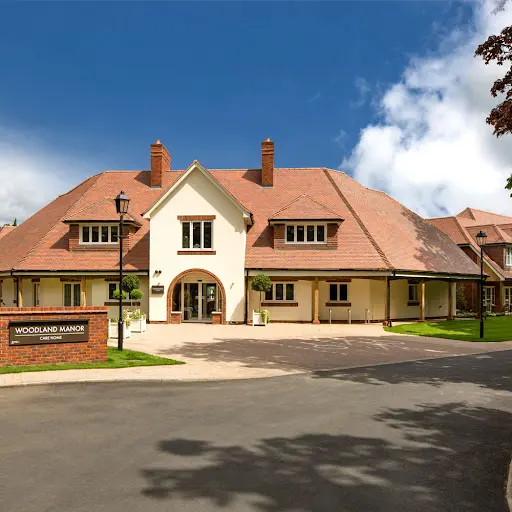
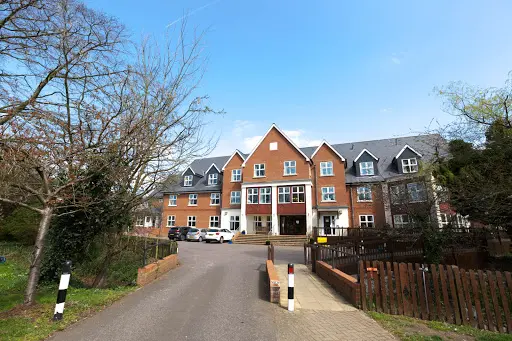
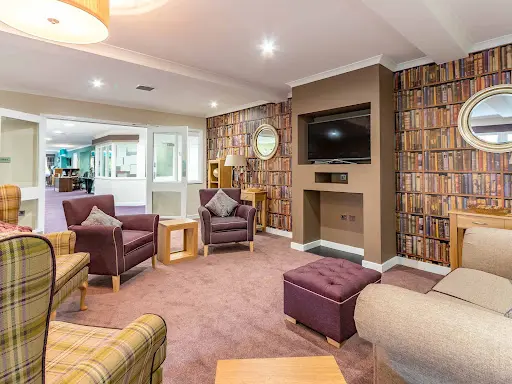
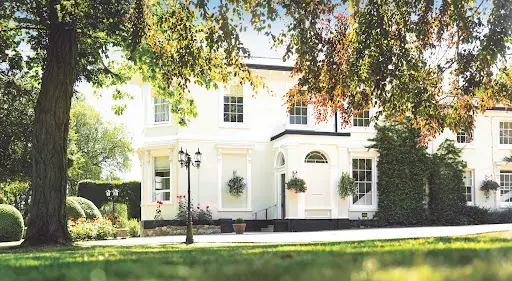
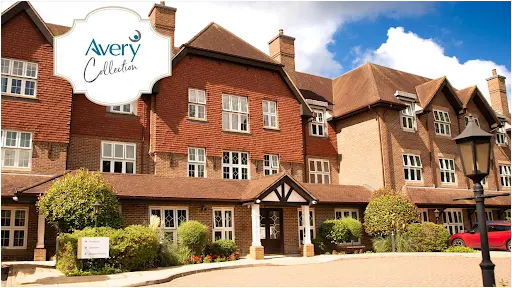
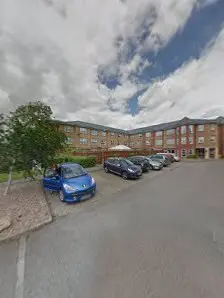
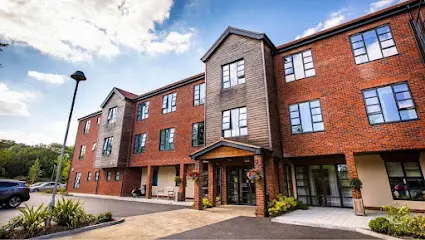
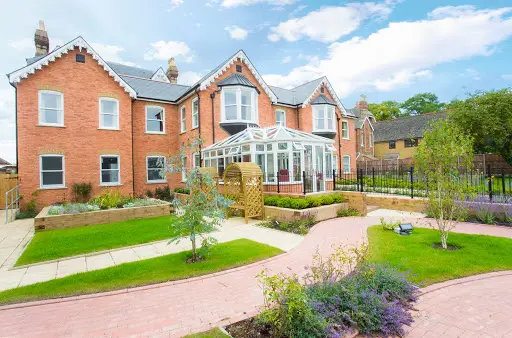
OSJCT Farnham Common House
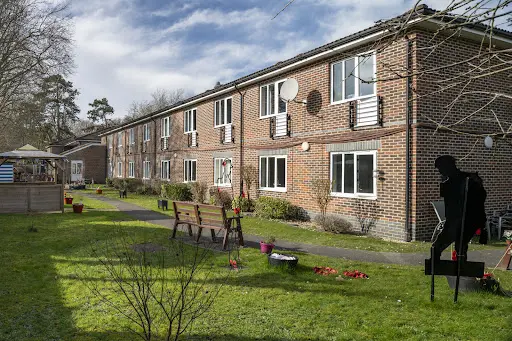
At a Glance
The information you need to decide whether this home warrants a closer look.
Residential homes
Staff warmth score
of reviewers answered yes
Good to know
- Registered beds50
- SpecialismsCaring for adults over 65 yrs, Dementia
- Last inspected2019-03-06
Save OSJCT Farnham Common House to your shortlist
Keep a running list, add visit notes, and compare homes side-by-side. Free account — it takes a minute.
STAGE 4 — RESEARCHING CARE HOMES
Visit homes. Compare them side by side. Choose with confidence.
Most of us will view care homes the way we view houses, impression, atmosphere, the feeling in the corridor. We go home, try to remember what we saw, and make a permanent decision from a blurred memory.

The DCC shortlist gives every home you visit a structured record: the same twelve questions, answered the same way, every time. When you’re ready to choose, pull any two homes side by side and compare them directly. Same criteria, same evidence, your notes and your scores.
The Evidence
What the review data, the inspection reports, and the dementia-care evidence base tell us about this home.
What families say
Families often mention the approachable nature of the care team here. Visitors say they feel welcomed when they arrive, and the home encourages family involvement in their loved ones' daily lives.
The eight family priority themes
- Staff warmth72
- Compassion & dignity72
- Cleanliness70
- Activities & engagement65
- Food quality65
- Healthcare70
- Management & leadership72
- Resident happiness70
What inspectors found
Inspected 2019-03-06
Is this home safe?
Is the care effective?
The Effective domain was rated Good at the February 2019 inspection. This domain covers care planning, staff training, healthcare access, and nutrition. No specific observations about the content of care plans, the frequency of GP visits, the detail of dementia training, or the quality of food were published in the available summary. The July 2023 review did not prompt reassessment.Is this home caring?
The Caring domain was rated Good at the February 2019 inspection. This domain covers staff warmth, dignity, respect, privacy, and support for independence. No specific inspector observations, such as whether staff knocked before entering rooms, used preferred names, or moved without rushing residents, were published in the available summary. The July 2023 review found no evidence requiring a change.Is the home responsive?
The Responsive domain was rated Good at the February 2019 inspection. This domain covers activities, individual engagement, responsiveness to preferences, and end-of-life care planning. No specific detail about the activity programme, one-to-one engagement, or how care is tailored to individual interests was published in the available summary. The July 2023 review did not require reassessment.Is the home well-led?
The Well-led domain was rated Good at the February 2019 inspection. This domain covers management visibility, governance, staff culture, learning from incidents, and accountability. The home is run by The Fremantle Trust. No specific observations about the manager's presence, staff ability to raise concerns, or examples of improvements made following incidents were published in the available summary.
Source: CQC inspection report →
What the evidence base says
The home focuses on caring for adults over 65, with particular experience in dementia support. For those living with dementia, the team provides specialised care tailored to individual needs. The home's approach to dementia care forms a central part of their service. All areas worth probing directly during a visit.
The DCC Verdict
Our editorial view, built from the three lenses: what families tell us, what inspectors record, and how the home sits against good dementia-care practice.
DCC Family Score
Farnham Common House was rated Good across all five inspection domains, which is a positive baseline. However, the inspection took place in February 2019, more than six years ago, and the published findings contain very little specific detail, so most scores reflect a general Good rating rather than verified, observable evidence.
Homes in South East typically score 68–82.The three-lens summary
What families tell us
Families often mention the approachable nature of the care team here. Visitors say they feel welcomed when they arrive, and the home encourages family involvement in their loved ones' daily lives.
What inspectors have recorded
How it sits against good practice
Every family's experience shapes their view of care, which is why visiting and asking the right questions matters so much.
Worth a visit
Farnham Common House, on Beaconsfield Road in Farnham Common, was rated Good across all five inspection domains when it was last assessed in February 2019. The home is registered to care for adults over 65 and specialises in dementia care, with capacity for up to 50 residents. It is run by The Fremantle Trust. A review of available information was carried out in July 2023 and found no evidence requiring a reassessment of the rating at that stage. The significant limitation here is that the last full inspection took place more than six years ago, and the published report contains very little specific detail about what inspectors actually observed. A Good rating in 2019 is a positive baseline, but it tells you little about what life is like for your parent today. Before making any decision, visit in person and ask the manager directly about current staffing ratios, agency use on night shifts, dementia training content for all care staff, and how families are kept informed when something changes. The rating is the starting point, not the answer.
The three questions to ask when you visitSave this home. Compare it against your shortlist.
Let our analysis show you how OSJCT Farnham Common House measures up against the other homes you’re considering. Free account.
In Their Own Words
How OSJCT Farnham Common House describes itself — collected from its own website. DCC has not edited or independently verified the content in this tab.
Where families find welcoming staff in Farnham Common
Compassionate Care in Farnham Common at Farnham Common House
Choosing care for someone you love means weighing every detail, especially when experiences vary. Farnham Common House in South East England specialises in dementia care for adults over 65. While some families describe friendly staff who welcome regular visits, others have shared concerns about care standards that deserve careful consideration.
Who they care for
The home focuses on caring for adults over 65, with particular experience in dementia support.
For those living with dementia, the team provides specialised care tailored to individual needs. The home's approach to dementia care forms a central part of their service.
“Every family's experience shapes their view of care, which is why visiting and asking the right questions matters so much.”
DCC does not edit or curate content in this tab. For independently curated information, see The Evidence and DCC Verdict.
The DCC Verdict
Our editorial view, built from the three lenses: what families tell us, what inspectors record, and how the home sits against good dementia-care practice.
DCC Family Score
Farnham Common House was rated Good across all five inspection domains, which is a positive baseline. However, the inspection took place in February 2019, more than six years ago, and the published findings contain very little specific detail, so most scores reflect a general Good rating rather than verified, observable evidence.
Homes in South East typically score 68–82.The three-lens summary
What families tell us
Families often mention the approachable nature of the care team here. Visitors say they feel welcomed when they arrive, and the home encourages family involvement in their loved ones' daily lives.
What inspectors have recorded
How it sits against good practice
Every family's experience shapes their view of care, which is why visiting and asking the right questions matters so much.
Worth a visit
Farnham Common House, on Beaconsfield Road in Farnham Common, was rated Good across all five inspection domains when it was last assessed in February 2019. The home is registered to care for adults over 65 and specialises in dementia care, with capacity for up to 50 residents. It is run by The Fremantle Trust. A review of available information was carried out in July 2023 and found no evidence requiring a reassessment of the rating at that stage. The significant limitation here is that the last full inspection took place more than six years ago, and the published report contains very little specific detail about what inspectors actually observed. A Good rating in 2019 is a positive baseline, but it tells you little about what life is like for your parent today. Before making any decision, visit in person and ask the manager directly about current staffing ratios, agency use on night shifts, dementia training content for all care staff, and how families are kept informed when something changes. The rating is the starting point, not the answer.
The three questions to ask when you visitSave this home. Compare it against your shortlist.
Let our analysis show you how OSJCT Farnham Common House measures up against the other homes you’re considering. Free account.
In Their Own Words
How OSJCT Farnham Common House describes itself — collected from its own website. DCC has not edited or independently verified the content in this tab.
Where families find welcoming staff in Farnham Common
Compassionate Care in Farnham Common at Farnham Common House
Choosing care for someone you love means weighing every detail, especially when experiences vary. Farnham Common House in South East England specialises in dementia care for adults over 65. While some families describe friendly staff who welcome regular visits, others have shared concerns about care standards that deserve careful consideration.
Who they care for
The home focuses on caring for adults over 65, with particular experience in dementia support.
For those living with dementia, the team provides specialised care tailored to individual needs. The home's approach to dementia care forms a central part of their service.
“Every family's experience shapes their view of care, which is why visiting and asking the right questions matters so much.”
DCC does not edit or curate content in this tab. For independently curated information, see The Evidence and DCC Verdict.