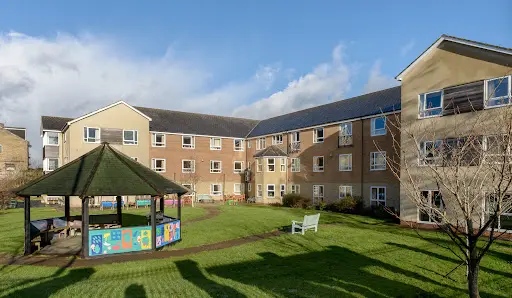
Elm Lodge
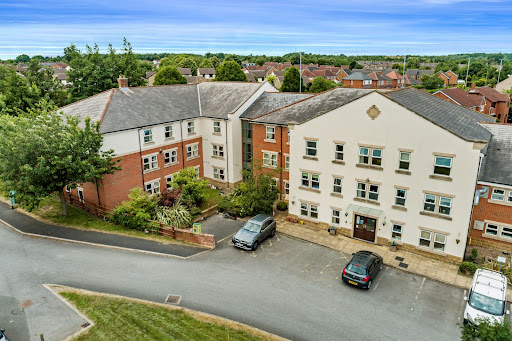
At a Glance
The information you need to decide whether this home warrants a closer look.
Residential homes
Staff warmth score
of reviewers answered yes
Good to know
- Registered beds17
- SpecialismsCaring for adults over 65 yrs, Dementia
- Last inspected2022-06-15
Save Elm Lodge to your shortlist
Keep a running list, add visit notes, and compare homes side-by-side. Free account — it takes a minute.
STAGE 4 — RESEARCHING CARE HOMES
Visit homes. Compare them side by side. Choose with confidence.
Most of us will view care homes the way we view houses, impression, atmosphere, the feeling in the corridor. We go home, try to remember what we saw, and make a permanent decision from a blurred memory.

The DCC shortlist gives every home you visit a structured record: the same twelve questions, answered the same way, every time. When you’re ready to choose, pull any two homes side by side and compare them directly. Same criteria, same evidence, your notes and your scores.
The Evidence
What the review data, the inspection reports, and the dementia-care evidence base tell us about this home.
What families say
The team here comes across as genuinely approachable. Families have found staff friendly and easy to talk to, whether you're visiting or moving in as a resident.
The eight family priority themes
- Staff warmth55
- Compassion & dignity60
- Cleanliness60
- Activities & engagement50
- Food quality45
- Healthcare45
- Management & leadership65
- Resident happiness55
What inspectors found
Inspected 2022-06-15
Is this home safe?
Is the care effective?
The Effective domain was rated Requires Improvement at the March 2022 inspection. This is the most significant concern in an otherwise Good-rated home. Requires Improvement in this domain typically means inspectors found weaknesses in areas such as staff training, care plan quality, healthcare coordination, or nutrition and hydration. The published summary does not specify which aspects fell short, which makes it harder for families to assess the risk. A subsequent monitoring review in July 2023 did not trigger a reassessment, suggesting no urgent concerns had emerged by that point.Is this home caring?
The Caring domain was rated Good at the March 2022 inspection. This covers staff warmth, dignity, respect, and independence. A Good rating means inspectors were satisfied with the quality of interactions between staff and the people who live here. The published summary does not include specific observations, such as whether staff used preferred names, knocked before entering rooms, or moved at an unhurried pace. No resident or relative quotes appear in the published summary.Is the home responsive?
The Responsive domain was rated Good at the March 2022 inspection. This domain covers whether the home tailors its care to individual needs, provides meaningful activities, and plans appropriately for end of life. A Good rating indicates inspectors were satisfied that residents' individual needs were being considered. However, the published summary provides no specific detail about the activities programme, one-to-one engagement, or how the home supports residents who can no longer join group activities.Is the home well-led?
The Well-led domain was rated Good at the March 2022 inspection. This covers the quality of leadership, the culture of the home, governance arrangements, and whether the home learns from concerns and incidents. A Good rating here is significant because Elm Lodge previously held a Requires Improvement rating overall, suggesting the leadership has driven improvement. The home is operated by Alhambra Care Limited. The published summary does not include specific detail about manager tenure, staff morale, or how the home involves families in its governance.
Source: CQC inspection report →
What the evidence base says
The home provides residential care for people over 65, with particular experience in dementia support. While Elm Lodge lists dementia as a specialism, specific approaches and activities for residents with dementia would be something to ask about when you visit. All areas worth probing directly during a visit.
The DCC Verdict
Our editorial view, built from the three lenses: what families tell us, what inspectors record, and how the home sits against good dementia-care practice.
DCC Family Score
Elm Lodge scores 68 out of 100, reflecting a home that has made real progress from a previous Requires Improvement rating, but where the inspection text provides limited specific detail to reassure families on food, healthcare, and activities. The Effective domain remains rated Requires Improvement, which is the most significant caution.
Homes in Yorkshire & Humberside typically score 68–82.The three-lens summary
What families tell us
The team here comes across as genuinely approachable. Families have found staff friendly and easy to talk to, whether you're visiting or moving in as a resident.
What inspectors have recorded
What matters most is how staff handle the day-to-day challenges of complex care. The team has demonstrated they can manage demanding care responsibilities well, giving families confidence in their abilities.
How it sits against good practice
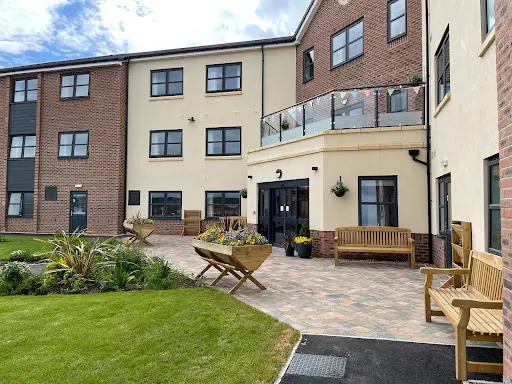
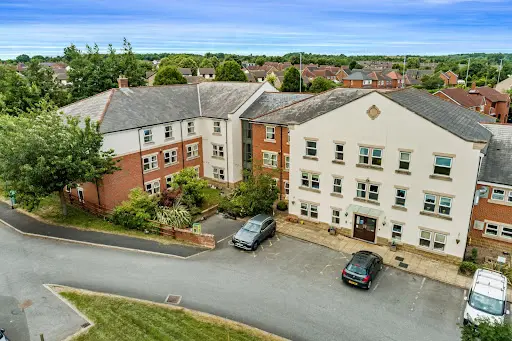
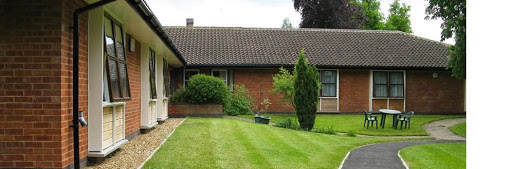
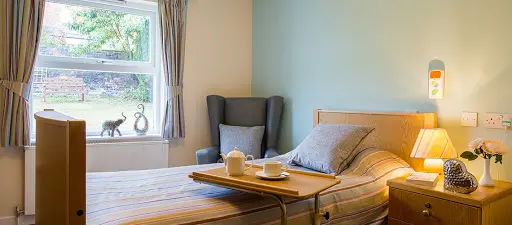
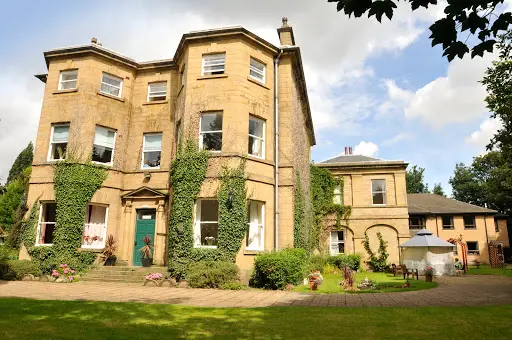
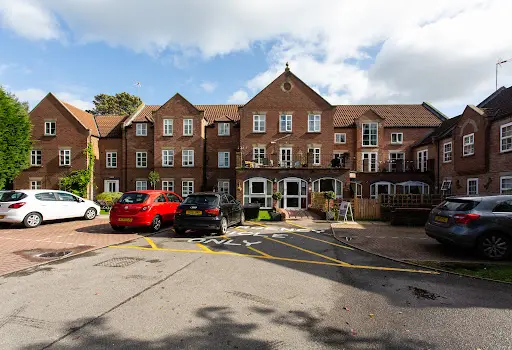
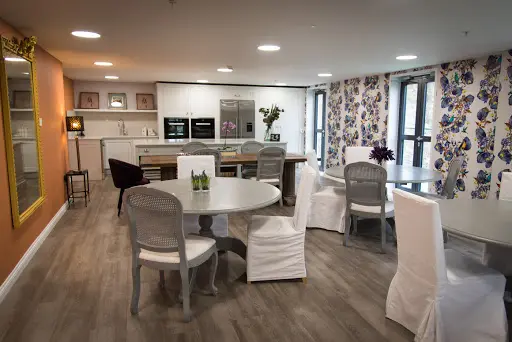
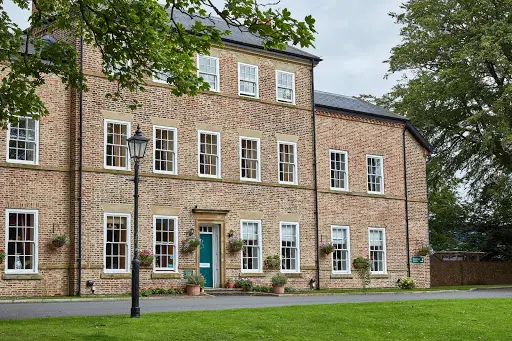
The building may be getting some updates, but it's the capable, approachable staff that families remember.
Worth a visit
Elm Lodge Residential Care Home, on Cluntergate in Wakefield, was rated Good overall at its most recent inspection in March 2022, an improvement from a previous Requires Improvement rating. Inspectors judged the home to be Good in Safe, Caring, Responsive, and Well-led. The home is small, with 17 beds, and specialises in care for older adults and people living with dementia. The main caution is that the Effective domain remains rated Requires Improvement, which covers training, care planning, healthcare access, and food. This is the area where families of people living with dementia most need reassurance, and the published inspection summary does not include enough specific detail to fill that gap. On your visit, ask to see the staff training matrix for dementia care, ask how care plans are reviewed and updated, and request to look at the current week's menu. The inspection was carried out in 2022, so ask the manager what has changed since then.
The three questions to ask when you visitSave this home. Compare it against your shortlist.
Let our analysis show you how Elm Lodge measures up against the other homes you’re considering. Free account.
In Their Own Words
How Elm Lodge describes itself — collected from its own website. DCC has not edited or independently verified the content in this tab.
Friendly staff who know their way around complex care needs
Elm Lodge Residential Care Home – Your Trusted residential home
When you're looking for residential care, you want to know the team can handle whatever comes their way. Elm Lodge in Wakefield has staff who've shown they can manage demanding care situations with real competence. This care home for adults over 65 specialises in dementia support, though the building itself is getting some updates.
Who they care for
The home provides residential care for people over 65, with particular experience in dementia support.
While Elm Lodge lists dementia as a specialism, specific approaches and activities for residents with dementia would be something to ask about when you visit.
“The building may be getting some updates, but it's the capable, approachable staff that families remember.”
DCC does not edit or curate content in this tab. For independently curated information, see The Evidence and DCC Verdict.
The DCC Verdict
Our editorial view, built from the three lenses: what families tell us, what inspectors record, and how the home sits against good dementia-care practice.
DCC Family Score
Elm Lodge scores 68 out of 100, reflecting a home that has made real progress from a previous Requires Improvement rating, but where the inspection text provides limited specific detail to reassure families on food, healthcare, and activities. The Effective domain remains rated Requires Improvement, which is the most significant caution.
Homes in Yorkshire & Humberside typically score 68–82.The three-lens summary
What families tell us
The team here comes across as genuinely approachable. Families have found staff friendly and easy to talk to, whether you're visiting or moving in as a resident.
What inspectors have recorded
What matters most is how staff handle the day-to-day challenges of complex care. The team has demonstrated they can manage demanding care responsibilities well, giving families confidence in their abilities.
How it sits against good practice
The building may be getting some updates, but it's the capable, approachable staff that families remember.
Worth a visit
Elm Lodge Residential Care Home, on Cluntergate in Wakefield, was rated Good overall at its most recent inspection in March 2022, an improvement from a previous Requires Improvement rating. Inspectors judged the home to be Good in Safe, Caring, Responsive, and Well-led. The home is small, with 17 beds, and specialises in care for older adults and people living with dementia. The main caution is that the Effective domain remains rated Requires Improvement, which covers training, care planning, healthcare access, and food. This is the area where families of people living with dementia most need reassurance, and the published inspection summary does not include enough specific detail to fill that gap. On your visit, ask to see the staff training matrix for dementia care, ask how care plans are reviewed and updated, and request to look at the current week's menu. The inspection was carried out in 2022, so ask the manager what has changed since then.
The three questions to ask when you visitSave this home. Compare it against your shortlist.
Let our analysis show you how Elm Lodge measures up against the other homes you’re considering. Free account.
In Their Own Words
How Elm Lodge describes itself — collected from its own website. DCC has not edited or independently verified the content in this tab.
Friendly staff who know their way around complex care needs
Elm Lodge Residential Care Home – Your Trusted residential home
When you're looking for residential care, you want to know the team can handle whatever comes their way. Elm Lodge in Wakefield has staff who've shown they can manage demanding care situations with real competence. This care home for adults over 65 specialises in dementia support, though the building itself is getting some updates.
Who they care for
The home provides residential care for people over 65, with particular experience in dementia support.
While Elm Lodge lists dementia as a specialism, specific approaches and activities for residents with dementia would be something to ask about when you visit.
Management & ethos
What matters most is how staff handle the day-to-day challenges of complex care. The team has demonstrated they can manage demanding care responsibilities well, giving families confidence in their abilities.
“The building may be getting some updates, but it's the capable, approachable staff that families remember.”
DCC does not edit or curate content in this tab. For independently curated information, see The Evidence and DCC Verdict.