Ellesmere House Care Home – Care UK

At a Glance
The information you need to decide whether this home warrants a closer look.
Nursing homes
Staff warmth score
of reviewers answered yes
Good to know
- Registered beds70
- SpecialismsCaring for adults over 65 yrs, Dementia, Learning disabilities, Mental health conditions, Physical disabilities
- Last inspected2020-09-08
Save Ellesmere House Care Home – Care UK to your shortlist
Keep a running list, add visit notes, and compare homes side-by-side. Free account — it takes a minute.
STAGE 4 — RESEARCHING CARE HOMES
Visit homes. Compare them side by side. Choose with confidence.
Most of us will view care homes the way we view houses, impression, atmosphere, the feeling in the corridor. We go home, try to remember what we saw, and make a permanent decision from a blurred memory.

The DCC shortlist gives every home you visit a structured record: the same twelve questions, answered the same way, every time. When you’re ready to choose, pull any two homes side by side and compare them directly. Same criteria, same evidence, your notes and your scores.
The Evidence
What the review data, the inspection reports, and the dementia-care evidence base tell us about this home.
What families say
Visitors often mention feeling welcomed from the moment they arrive, with staff across every department showing genuine warmth towards residents and families. The home maintains a bright, positive energy that comes through in how caregivers interact with residents throughout the day. People particularly notice how staff take time to engage with each resident as an individual, showing patience and respect whether helping with mobility or simply sharing a conversation.
The eight family priority themes
- Staff warmth72
- Compassion & dignity72
- Cleanliness70
- Activities & engagement65
- Food quality65
- Healthcare70
- Management & leadership75
- Resident happiness70
What inspectors found
Inspected 2020-09-08
Is this home safe?
Is the care effective?
The Effective domain was rated Good, covering training, care planning, healthcare access, nutrition, and the use of assessments to guide care. Dementia is listed as a specialism of the home, which means inspectors would have considered whether staff training and care planning reflect the specific needs of people living with dementia. The published summary does not describe the content or frequency of dementia training, the detail held in individual care plans, or how GP and specialist healthcare access is arranged. No concerns about effectiveness were recorded.Is this home caring?
The Caring domain was rated Good, covering staff warmth, dignity, respect, and support for independence. This is the domain most directly connected to how your parent would experience daily life at Ellesmere House. The published inspection summary does not include any direct quotes from residents or relatives, and does not describe specific interactions observed by inspectors. No concerns about caring practice were recorded.Is the home responsive?
The Responsive domain was rated Good, covering activities, individual engagement, end-of-life planning, and how the home handles complaints. This is the domain that reflects whether your parent would have a meaningful life at Ellesmere House, not just safe and dignified physical care. The published inspection summary does not describe what activities are offered, how they are tailored to individuals, or whether people who cannot join group activities receive one-to-one engagement. No concerns about responsiveness were recorded.Is the home well-led?
The Well-led domain was rated Good, and the home has a named registered manager, Mr Chad Bain, with a nominated individual also identified. This represents an improvement from the previous inspection cycle, suggesting that leadership instability or governance gaps identified previously had been addressed by August 2020. The published summary does not describe the manager's tenure, the culture among the staff team, or how the home involves residents and families in its governance. No leadership concerns were recorded.
Source: CQC inspection report →
What the evidence base says
The home provides specialist support for people living with dementia, learning disabilities, mental health conditions and physical disabilities, welcoming adults over 65. This breadth of expertise means residents with complex or overlapping needs can receive appropriate care without having to move elsewhere as their requirements change. For residents living with dementia, the home's approach centres on maintaining dignity and connection. Staff show particular patience with communication challenges and work to keep residents engaged through suitable activities and gentle encouragement. All areas worth probing directly during a visit.
The DCC Verdict
Our editorial view, built from the three lenses: what families tell us, what inspectors record, and how the home sits against good dementia-care practice.
DCC Family Score
Ellesmere House scores 74 out of 100, reflecting a genuine and encouraging improvement from a previous Requires Improvement rating to Good across all five inspection domains. The score is held back by the limited specific detail in the published inspection text, which makes it difficult to verify the quality of individual care elements such as activities, food, and night staffing.
Homes in London typically score 68–82.The three-lens summary
What families tell us
Visitors often mention feeling welcomed from the moment they arrive, with staff across every department showing genuine warmth towards residents and families. The home maintains a bright, positive energy that comes through in how caregivers interact with residents throughout the day. People particularly notice how staff take time to engage with each resident as an individual, showing patience and respect whether helping with mobility or simply sharing a conversation.
What inspectors have recorded
The care team shows consistent attentiveness to individual needs, with families noting how staff remain patient and engaged even during challenging moments. While one visitor raised concerns about witnessed incidents that troubled them, the broader pattern suggests caregivers who genuinely connect with residents and maintain professional standards. Communication with families generally works well, though occasionally reaching the home by phone has proven difficult for some.
How it sits against good practice
Getting a real feel for any care home means seeing it for yourself — how the staff interact, how the atmosphere feels, and whether it could become somewhere your loved one truly settles.
Worth a visit
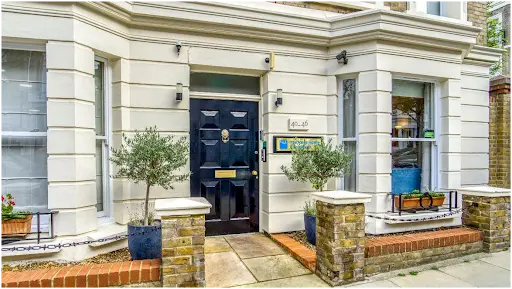
Ellesmere House, at 9 Nightingale Place in Chelsea, was inspected in August 2020 and rated Good across all five domains, an improvement on its previous Requires Improvement rating. The home is run by Care UK Community Partnerships Ltd and has a named registered manager. With 70 beds and specialisms covering dementia, mental health conditions, learning disabilities, and physical disabilities, this is a broad-remit nursing home serving a complex mix of needs. The main limitation of this report is that the published inspection text contains very little specific detail about day-to-day care: no resident or family quotes, no staffing ratios, no description of how activities or mealtimes run. An improved rating is genuinely encouraging and should not be dismissed, but it tells you the home met the bar, not how far above it staff reach in practice. When you visit, ask the manager to walk you through what changed since the previous Requires Improvement rating, and observe how staff greet and speak to residents in corridors and communal areas. That interaction, unhurried and by name, is the clearest signal of the culture inside.
The three questions to ask when you visitSave this home. Compare it against your shortlist.
Let our analysis show you how Ellesmere House Care Home – Care UK measures up against the other homes you’re considering. Free account.
In Their Own Words
How Ellesmere House Care Home – Care UK describes itself — collected from its own website. DCC has not edited or independently verified the content in this tab.
Where warmth and dignity meet specialist support in North London
Ellesmere House – Your Trusted nursing home
Finding the right specialist care can feel overwhelming, especially when your loved one needs support for dementia, learning disabilities or mental health conditions. Ellesmere House in London brings together experienced caregivers who understand these complex needs with a genuinely welcoming atmosphere that puts families at ease. The home's location near acute hospital services adds practical reassurance for those times when quick medical support matters.
Who they care for
The home provides specialist support for people living with dementia, learning disabilities, mental health conditions and physical disabilities, welcoming adults over 65. This breadth of expertise means residents with complex or overlapping needs can receive appropriate care without having to move elsewhere as their requirements change.
For residents living with dementia, the home's approach centres on maintaining dignity and connection. Staff show particular patience with communication challenges and work to keep residents engaged through suitable activities and gentle encouragement.
“Getting a real feel for any care home means seeing it for yourself — how the staff interact, how the atmosphere feels, and whether it could become somewhere your loved one truly settles.”
DCC does not edit or curate content in this tab. For independently curated information, see The Evidence and DCC Verdict.
The DCC Verdict
Our editorial view, built from the three lenses: what families tell us, what inspectors record, and how the home sits against good dementia-care practice.
DCC Family Score
Ellesmere House scores 74 out of 100, reflecting a genuine and encouraging improvement from a previous Requires Improvement rating to Good across all five inspection domains. The score is held back by the limited specific detail in the published inspection text, which makes it difficult to verify the quality of individual care elements such as activities, food, and night staffing.
Homes in London typically score 68–82.The three-lens summary
What families tell us
Visitors often mention feeling welcomed from the moment they arrive, with staff across every department showing genuine warmth towards residents and families. The home maintains a bright, positive energy that comes through in how caregivers interact with residents throughout the day. People particularly notice how staff take time to engage with each resident as an individual, showing patience and respect whether helping with mobility or simply sharing a conversation.
What inspectors have recorded
The care team shows consistent attentiveness to individual needs, with families noting how staff remain patient and engaged even during challenging moments. While one visitor raised concerns about witnessed incidents that troubled them, the broader pattern suggests caregivers who genuinely connect with residents and maintain professional standards. Communication with families generally works well, though occasionally reaching the home by phone has proven difficult for some.
How it sits against good practice
Getting a real feel for any care home means seeing it for yourself — how the staff interact, how the atmosphere feels, and whether it could become somewhere your loved one truly settles.
Worth a visit
Ellesmere House, at 9 Nightingale Place in Chelsea, was inspected in August 2020 and rated Good across all five domains, an improvement on its previous Requires Improvement rating. The home is run by Care UK Community Partnerships Ltd and has a named registered manager. With 70 beds and specialisms covering dementia, mental health conditions, learning disabilities, and physical disabilities, this is a broad-remit nursing home serving a complex mix of needs. The main limitation of this report is that the published inspection text contains very little specific detail about day-to-day care: no resident or family quotes, no staffing ratios, no description of how activities or mealtimes run. An improved rating is genuinely encouraging and should not be dismissed, but it tells you the home met the bar, not how far above it staff reach in practice. When you visit, ask the manager to walk you through what changed since the previous Requires Improvement rating, and observe how staff greet and speak to residents in corridors and communal areas. That interaction, unhurried and by name, is the clearest signal of the culture inside.
The three questions to ask when you visitSave this home. Compare it against your shortlist.
Let our analysis show you how Ellesmere House Care Home – Care UK measures up against the other homes you’re considering. Free account.
In Their Own Words
How Ellesmere House Care Home – Care UK describes itself — collected from its own website. DCC has not edited or independently verified the content in this tab.
Where warmth and dignity meet specialist support in North London
Ellesmere House – Your Trusted nursing home
Finding the right specialist care can feel overwhelming, especially when your loved one needs support for dementia, learning disabilities or mental health conditions. Ellesmere House in London brings together experienced caregivers who understand these complex needs with a genuinely welcoming atmosphere that puts families at ease. The home's location near acute hospital services adds practical reassurance for those times when quick medical support matters.
Who they care for
The home provides specialist support for people living with dementia, learning disabilities, mental health conditions and physical disabilities, welcoming adults over 65. This breadth of expertise means residents with complex or overlapping needs can receive appropriate care without having to move elsewhere as their requirements change.
For residents living with dementia, the home's approach centres on maintaining dignity and connection. Staff show particular patience with communication challenges and work to keep residents engaged through suitable activities and gentle encouragement.
Management & ethos
The care team shows consistent attentiveness to individual needs, with families noting how staff remain patient and engaged even during challenging moments. While one visitor raised concerns about witnessed incidents that troubled them, the broader pattern suggests caregivers who genuinely connect with residents and maintain professional standards. Communication with families generally works well, though occasionally reaching the home by phone has proven difficult for some.
The home & environment
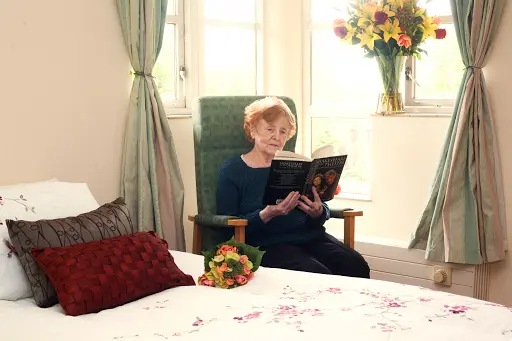
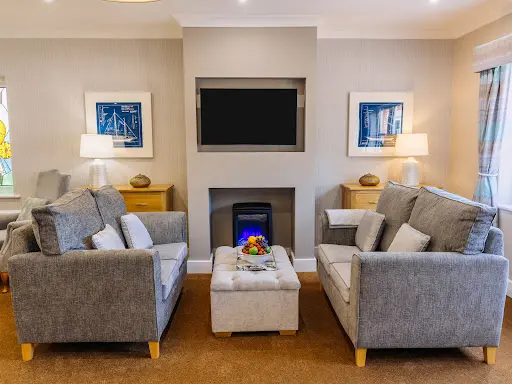
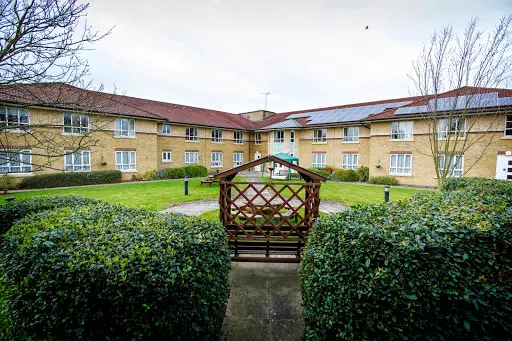
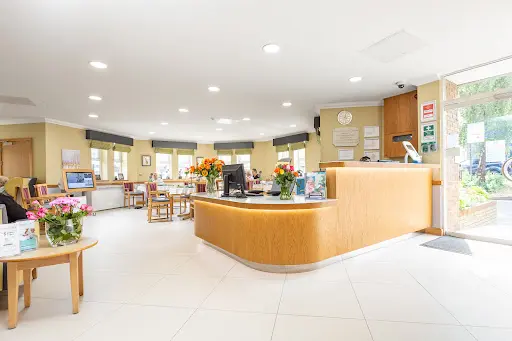
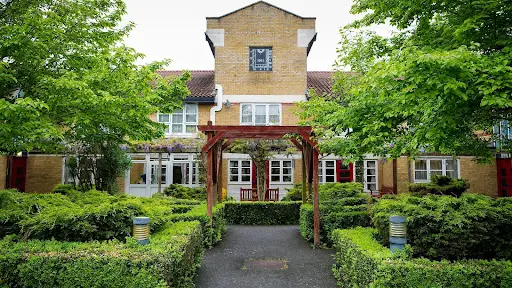
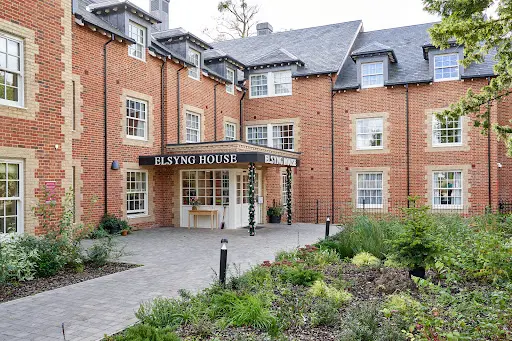
The home keeps its spaces spotless and well-maintained, with bright decoration creating a cheerful environment. Residents enjoy access to pleasant garden areas alongside indoor spaces for different activities. There's real variety in the daily programme too — from gentle exercise sessions to art therapy and entertainment, giving everyone options that suit their interests and abilities.
“Getting a real feel for any care home means seeing it for yourself — how the staff interact, how the atmosphere feels, and whether it could become somewhere your loved one truly settles.”
DCC does not edit or curate content in this tab. For independently curated information, see The Evidence and DCC Verdict.