Brantwood Hall Care Home
At a Glance
The information you need to decide whether this home warrants a closer look.
Residential homes
Staff warmth score
of reviewers answered yes
Good to know
- Registered beds29
- SpecialismsCaring for adults over 65 yrs, Caring for adults under 65 yrs, Dementia
- Last inspected2018-08-15
Save Brantwood Hall Care Home to your shortlist
Keep a running list, add visit notes, and compare homes side-by-side. Free account — it takes a minute.
STAGE 4 — RESEARCHING CARE HOMES
Visit homes. Compare them side by side. Choose with confidence.
Most of us will view care homes the way we view houses, impression, atmosphere, the feeling in the corridor. We go home, try to remember what we saw, and make a permanent decision from a blurred memory.

The DCC shortlist gives every home you visit a structured record: the same twelve questions, answered the same way, every time. When you’re ready to choose, pull any two homes side by side and compare them directly. Same criteria, same evidence, your notes and your scores.
The Evidence
What the review data, the inspection reports, and the dementia-care evidence base tell us about this home.
What families say
Visitors consistently remark on how happy residents seem here, whether they're chatting with staff or enjoying activities together. The atmosphere feels relaxed and cheerful, with staff taking time to connect with each resident as an individual.
The eight family priority themes
- Staff warmth55
- Compassion & dignity55
- Cleanliness55
- Activities & engagement50
- Food quality50
- Healthcare55
- Management & leadership60
- Resident happiness55
What inspectors found
Inspected 2018-08-15
Is this home safe?
Is the care effective?
The home was rated Good for effectiveness at its most recent inspection, having previously been rated Requires Improvement. The published text does not describe what inspectors found in terms of care planning, dementia training, healthcare access, or food quality. The home is registered for dementia care, which requires staff to understand how to communicate with and support people whose needs change over time. No specific observations, quotes, or records are described in the published summary.Is this home caring?
The home was rated Good for caring at its most recent inspection. The published report does not include any direct observations of staff interactions, resident quotes, or descriptions of how dignity and privacy are protected in daily routines. There is no mention of how staff address residents or respond to distress. The home had previously been rated Requires Improvement, and the improvement to Good in this domain suggests that specific concerns were identified and acted upon.Is the home responsive?
The home was rated Good for responsiveness at its most recent inspection, improving from Requires Improvement. The published text provides no description of the activities programme, how the home responds to individual preferences, or what provision exists for residents who cannot join group activities. There is no mention of how end-of-life care is approached or how the home responds to changes in residents' needs over time.Is the home well-led?
The home was rated Good for well-led at its most recent inspection, having previously been rated Requires Improvement. Mrs Jean Thomas is named as the Nominated Individual, indicating a named person holds accountability at organisational level. The published report does not describe the manager's visibility on the floor, the culture among staff, or how the home handles complaints, incidents, or feedback from families. The provider is Roseberry Care Centres Wakefield Limited.
Source: CQC inspection report →
What the evidence base says
Brantwood Hall provides residential care for adults over 65, with specialist support for those living with dementia. The home also welcomes younger adults who need care support. For residents with dementia, the team's patient, friendly approach helps create a sense of security and routine. Staff understand how to support each person's individual needs while maintaining their dignity and independence. All areas worth probing directly during a visit.
The DCC Verdict
Our editorial view, built from the three lenses: what families tell us, what inspectors record, and how the home sits against good dementia-care practice.
DCC Family Score
Brantwood Hall Care Home holds a Good rating across all five inspection domains, having improved from Requires Improvement, which is a meaningful step forward. However, the published inspection text contains very little specific detail about day-to-day life at the home, so many scores reflect the rating grade rather than direct inspector observations.
Homes in Yorkshire & Humberside typically score 68–82.The three-lens summary
What families tell us
Visitors consistently remark on how happy residents seem here, whether they're chatting with staff or enjoying activities together. The atmosphere feels relaxed and cheerful, with staff taking time to connect with each resident as an individual.
What inspectors have recorded
Staff here combine professional care with genuine friendliness that families find reassuring. When residents need something different, like continuing with day services after a respite stay, the team works flexibly to make it happen.
How it sits against good practice
Sometimes the best care homes are those where happiness seems to come naturally — where clean, comfortable surroundings and genuinely caring staff create an environment that just feels right.
Worth a visit
Brantwood Hall Care Home, at 10-14 North Avenue, Wakefield, was rated Good across all five inspection domains at its most recent inspection in November 2020, having previously been rated Requires Improvement. That improvement across every domain is a genuinely positive sign, suggesting the home identified what was not working and addressed it. The home cares for up to 29 people, including those living with dementia, and is run by Roseberry Care Centres Wakefield Limited. The key uncertainty here is that the published inspection text contains almost no specific detail about day-to-day life: no direct observations of staff interactions, no resident or family quotes, and no description of activities, food, or the physical environment. The Good rating is real and meaningful, but it is based on findings from 2020, which is now several years ago. Before making a decision, visit the home in person, ask to see actual staffing rotas, request to look at a sample care plan, and spend time observing how staff interact with residents in communal areas. The checklist above sets out the specific questions worth asking.
The three questions to ask when you visitSave this home. Compare it against your shortlist.
Let our analysis show you how Brantwood Hall Care Home measures up against the other homes you’re considering. Free account.
In Their Own Words
How Brantwood Hall Care Home describes itself — collected from its own website. DCC has not edited or independently verified the content in this tab.
Where warm smiles and genuine care create daily happiness
Residential home in Wakefield: True Peace of Mind
Walking into Brantwood Hall Care Home in Wakefield, families often notice something special — the relaxed contentment on residents' faces and the easy warmth between staff and those they care for. This Yorkshire home has built its reputation on simple foundations: friendly staff who genuinely enjoy their work and spotless surroundings that feel welcoming rather than clinical.
Who they care for
Brantwood Hall provides residential care for adults over 65, with specialist support for those living with dementia. The home also welcomes younger adults who need care support.
For residents with dementia, the team's patient, friendly approach helps create a sense of security and routine. Staff understand how to support each person's individual needs while maintaining their dignity and independence.
“Sometimes the best care homes are those where happiness seems to come naturally — where clean, comfortable surroundings and genuinely caring staff create an environment that just feels right.”
DCC does not edit or curate content in this tab. For independently curated information, see The Evidence and DCC Verdict.
The DCC Verdict
Our editorial view, built from the three lenses: what families tell us, what inspectors record, and how the home sits against good dementia-care practice.
DCC Family Score
Brantwood Hall Care Home holds a Good rating across all five inspection domains, having improved from Requires Improvement, which is a meaningful step forward. However, the published inspection text contains very little specific detail about day-to-day life at the home, so many scores reflect the rating grade rather than direct inspector observations.
Homes in Yorkshire & Humberside typically score 68–82.The three-lens summary
What families tell us
Visitors consistently remark on how happy residents seem here, whether they're chatting with staff or enjoying activities together. The atmosphere feels relaxed and cheerful, with staff taking time to connect with each resident as an individual.
What inspectors have recorded
Staff here combine professional care with genuine friendliness that families find reassuring. When residents need something different, like continuing with day services after a respite stay, the team works flexibly to make it happen.
How it sits against good practice
Sometimes the best care homes are those where happiness seems to come naturally — where clean, comfortable surroundings and genuinely caring staff create an environment that just feels right.
Worth a visit
Brantwood Hall Care Home, at 10-14 North Avenue, Wakefield, was rated Good across all five inspection domains at its most recent inspection in November 2020, having previously been rated Requires Improvement. That improvement across every domain is a genuinely positive sign, suggesting the home identified what was not working and addressed it. The home cares for up to 29 people, including those living with dementia, and is run by Roseberry Care Centres Wakefield Limited. The key uncertainty here is that the published inspection text contains almost no specific detail about day-to-day life: no direct observations of staff interactions, no resident or family quotes, and no description of activities, food, or the physical environment. The Good rating is real and meaningful, but it is based on findings from 2020, which is now several years ago. Before making a decision, visit the home in person, ask to see actual staffing rotas, request to look at a sample care plan, and spend time observing how staff interact with residents in communal areas. The checklist above sets out the specific questions worth asking.
The three questions to ask when you visitSave this home. Compare it against your shortlist.
Let our analysis show you how Brantwood Hall Care Home measures up against the other homes you’re considering. Free account.
In Their Own Words
How Brantwood Hall Care Home describes itself — collected from its own website. DCC has not edited or independently verified the content in this tab.
Where warm smiles and genuine care create daily happiness
Residential home in Wakefield: True Peace of Mind
Walking into Brantwood Hall Care Home in Wakefield, families often notice something special — the relaxed contentment on residents' faces and the easy warmth between staff and those they care for. This Yorkshire home has built its reputation on simple foundations: friendly staff who genuinely enjoy their work and spotless surroundings that feel welcoming rather than clinical.
Who they care for
Brantwood Hall provides residential care for adults over 65, with specialist support for those living with dementia. The home also welcomes younger adults who need care support.
For residents with dementia, the team's patient, friendly approach helps create a sense of security and routine. Staff understand how to support each person's individual needs while maintaining their dignity and independence.
Management & ethos
Staff here combine professional care with genuine friendliness that families find reassuring. When residents need something different, like continuing with day services after a respite stay, the team works flexibly to make it happen.
The home & environment
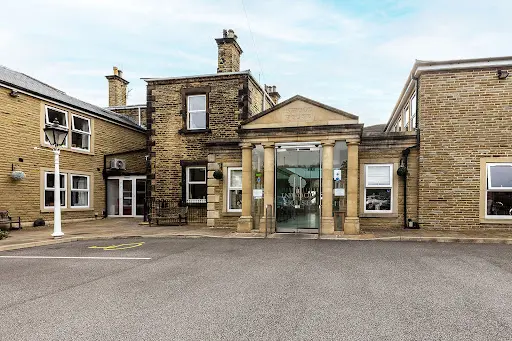
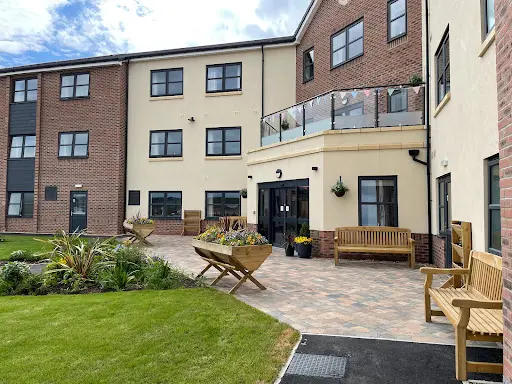
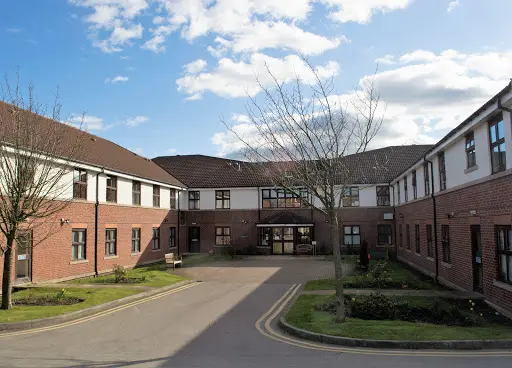
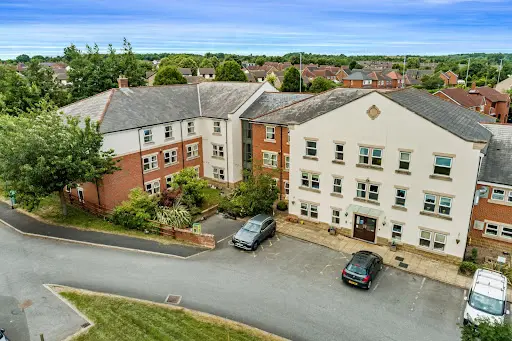
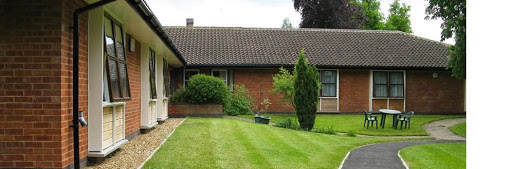
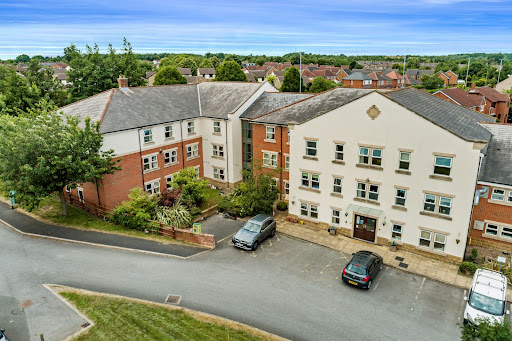
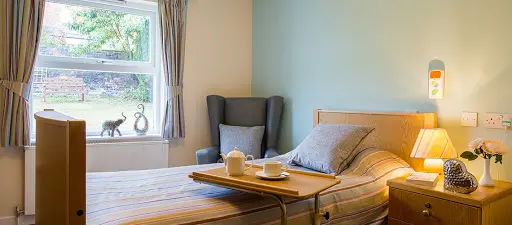
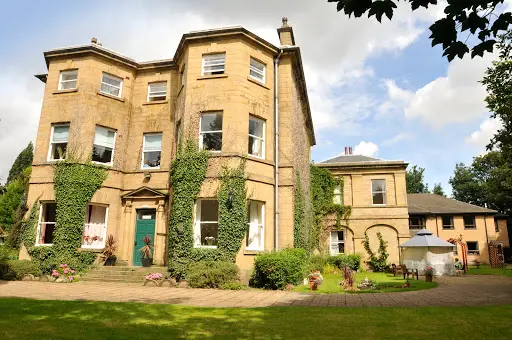
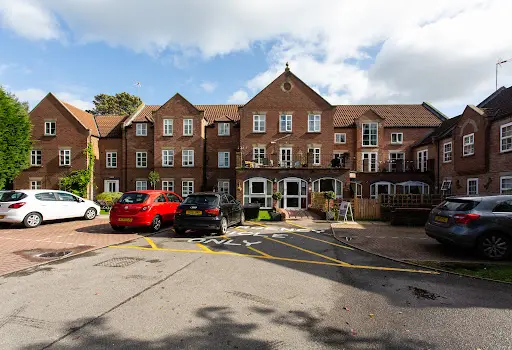
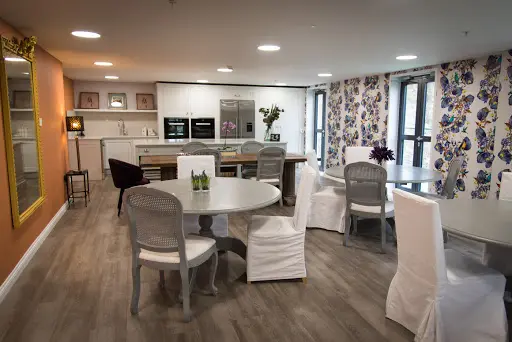
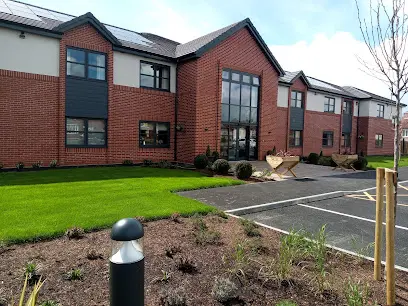
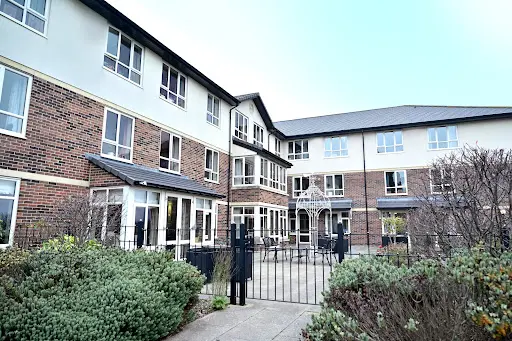
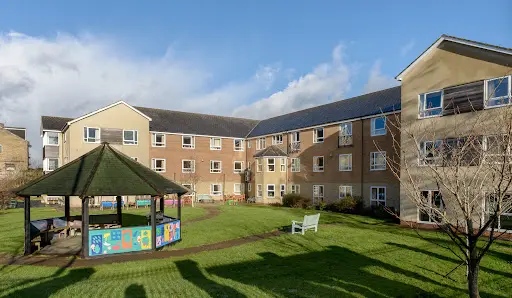
The home maintains impressively clean spaces throughout — something families notice and appreciate from their very first visit. These well-kept surroundings provide a fresh, comfortable backdrop for daily life.
“Sometimes the best care homes are those where happiness seems to come naturally — where clean, comfortable surroundings and genuinely caring staff create an environment that just feels right.”
DCC does not edit or curate content in this tab. For independently curated information, see The Evidence and DCC Verdict.