Barchester – Cheverton Lodge Care Home
At a Glance
The information you need to decide whether this home warrants a closer look.
Nursing homes
Staff warmth score
of reviewers answered yes
Good to know
- Registered beds52
- SpecialismsCaring for adults over 65 yrs, Caring for adults under 65 yrs, Dementia, Physical disabilities
- Last inspected2019-12-31
Save Barchester – Cheverton Lodge Care Home to your shortlist
Keep a running list, add visit notes, and compare homes side-by-side. Free account — it takes a minute.
STAGE 4 — RESEARCHING CARE HOMES
Visit homes. Compare them side by side. Choose with confidence.
Most of us will view care homes the way we view houses, impression, atmosphere, the feeling in the corridor. We go home, try to remember what we saw, and make a permanent decision from a blurred memory.

The DCC shortlist gives every home you visit a structured record: the same twelve questions, answered the same way, every time. When you’re ready to choose, pull any two homes side by side and compare them directly. Same criteria, same evidence, your notes and your scores.
The Evidence
What the review data, the inspection reports, and the dementia-care evidence base tell us about this home.
What families say
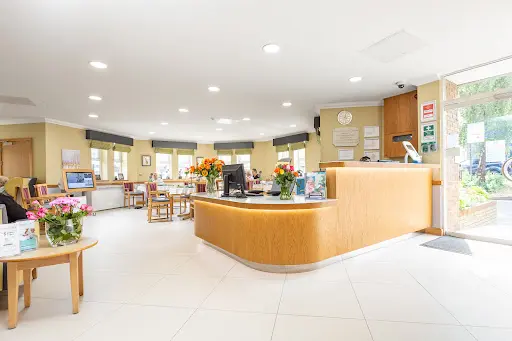
Families describe walking into a bright, settled atmosphere where staff greet visitors with genuine warmth. The home has built its approach around bringing families into daily life — whether that's joining in with music sessions or simply feeling welcomed during visits. Relatives mention how staff learn what works for each resident, adapting their approach when someone's having a difficult day.
The eight family priority themes
- Staff warmth72
- Compassion & dignity72
- Cleanliness68
- Activities & engagement55
- Food quality55
- Healthcare68
- Management & leadership75
- Resident happiness68
What inspectors found
Inspected 2019-12-31
Is this home safe?
Is the care effective?
The Effective domain was rated Good, covering training, care planning, healthcare access, and nutrition. The home lists dementia as a registered specialism, which means it should have staff trained specifically in dementia care. No information about the content or frequency of dementia training, GP visit arrangements, or how care plans are written and reviewed is included in the published text.Is this home caring?
The Caring domain was rated Good. This domain covers how staff treat the people they look after, including whether residents are spoken to respectfully, whether their privacy is maintained, and whether they are supported to make their own choices where possible. No inspector observations, resident quotes, or relative feedback are included in the published summary for this home.Is the home responsive?
The Responsive domain was rated Good, covering activities, individual engagement, and how the home responds to complaints and changing needs. The home supports people with dementia and physical disabilities, both of whom may have significantly different activity needs from each other and from one person to the next. No detail about the activities programme, individual engagement plans, or complaint handling is included in the published text.Is the home well-led?
The Well-led domain was rated Good. The home has a named registered manager, Ms Ritu Kuruti, and a nominated individual, Mr Dominic Jude Kay. The fact that the home improved from Requires Improvement to Good across all domains suggests the management team took the previous findings seriously and made changes. No detail about management culture, staff feedback mechanisms, or quality monitoring processes is available in the published text.
Source: CQC inspection report →
What the evidence base says
Cheverton Lodge supports adults both under and over 65 with dementia and physical disabilities. The home has developed particular experience in dementia care, with staff who understand how to work with behaviour changes and individual needs. Families dealing with dementia mention the staff's ability to stay calm and patient through challenging behaviours. The team works out what helps each resident feel more settled, adjusting their approach as needs change over time. All areas worth probing directly during a visit.
The DCC Verdict
Our editorial view, built from the three lenses: what families tell us, what inspectors record, and how the home sits against good dementia-care practice.
DCC Family Score
Cheverton Lodge achieved a Good rating across all five inspection domains, having improved from Requires Improvement previously, which is a meaningful positive trend. However, the published inspection text contains limited specific detail, so scores reflect the overall rating rather than rich direct evidence.
Homes in London typically score 68–82.The three-lens summary
What families tell us
Families describe walking into a bright, settled atmosphere where staff greet visitors with genuine warmth. The home has built its approach around bringing families into daily life — whether that's joining in with music sessions or simply feeling welcomed during visits. Relatives mention how staff learn what works for each resident, adapting their approach when someone's having a difficult day.
What inspectors have recorded
Staff here seem to understand that caring for someone with dementia means caring for their whole family too. When residents go through behaviour changes or difficult patches, the team responds with patience rather than frustration. Several families have mentioned how supported they felt during end-of-life care, with staff maintaining dignity and providing emotional reassurance when it mattered most.
How it sits against good practice
Sometimes the right care home is the one where staff still smile at the end of a long shift.
Worth a visit
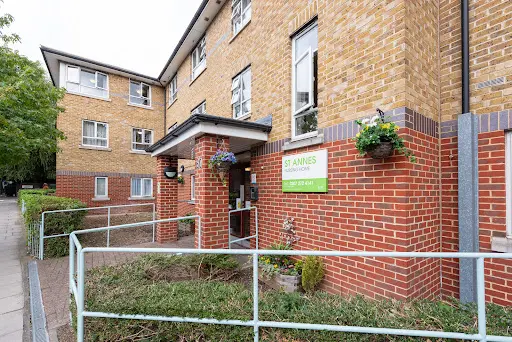
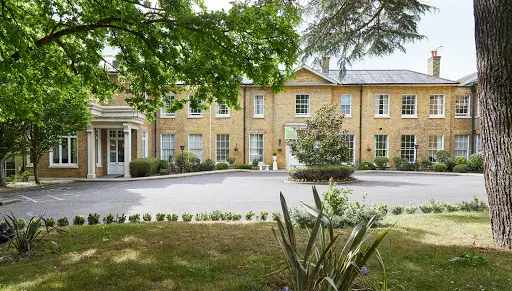
Cheverton Lodge, a 52-bed nursing home on Cheverton Road in north London run by Barchester Healthcare, was rated Good at its last inspection in October 2020, with Good ratings across all five domains: safe, effective, caring, responsive, and well-led. Importantly, this was an improvement from a previous Requires Improvement rating, which tells you the home recognised its shortcomings and took steps to address them. The home supports people with dementia, physical disabilities, and adults both over and under 65. The main limitation of this report is that the published inspection text contains very little specific detail. You know the overall rating is Good and that it has improved, but you do not have inspector observations about what mealtimes look like, how staff speak to your parent on the corridor, or how many people are on duty at night. The inspection also took place in October 2020, making it over four years old at the time of the most recent regulatory review in July 2023. The regulator found no reason to change the rating at that review, which is reassuring, but a visit and a direct conversation with the manager are essential before making a decision. Ask specifically about night staffing numbers, agency use, and how the home keeps families informed about changes in their parent's condition.
The three questions to ask when you visitSave this home. Compare it against your shortlist.
Let our analysis show you how Barchester – Cheverton Lodge Care Home measures up against the other homes you’re considering. Free account.
In Their Own Words
How Barchester – Cheverton Lodge Care Home describes itself — collected from its own website. DCC has not edited or independently verified the content in this tab.
Where smiles and patience help families through life's hardest moments
Dedicated nursing home Support in London
When dementia changes everything familiar, families visiting Cheverton Lodge in London often find something unexpected — staff who genuinely seem to enjoy what they do. It shows in the small things: how they adjust routines to match each resident's rhythms, how they welcome relatives into activities, and how they handle difficult moments with real patience.
Who they care for
Cheverton Lodge supports adults both under and over 65 with dementia and physical disabilities. The home has developed particular experience in dementia care, with staff who understand how to work with behaviour changes and individual needs.
Families dealing with dementia mention the staff's ability to stay calm and patient through challenging behaviours. The team works out what helps each resident feel more settled, adjusting their approach as needs change over time.
“Sometimes the right care home is the one where staff still smile at the end of a long shift.”
DCC does not edit or curate content in this tab. For independently curated information, see The Evidence and DCC Verdict.
The DCC Verdict
Our editorial view, built from the three lenses: what families tell us, what inspectors record, and how the home sits against good dementia-care practice.
DCC Family Score
Cheverton Lodge achieved a Good rating across all five inspection domains, having improved from Requires Improvement previously, which is a meaningful positive trend. However, the published inspection text contains limited specific detail, so scores reflect the overall rating rather than rich direct evidence.
Homes in London typically score 68–82.The three-lens summary
What families tell us
Families describe walking into a bright, settled atmosphere where staff greet visitors with genuine warmth. The home has built its approach around bringing families into daily life — whether that's joining in with music sessions or simply feeling welcomed during visits. Relatives mention how staff learn what works for each resident, adapting their approach when someone's having a difficult day.
What inspectors have recorded
Staff here seem to understand that caring for someone with dementia means caring for their whole family too. When residents go through behaviour changes or difficult patches, the team responds with patience rather than frustration. Several families have mentioned how supported they felt during end-of-life care, with staff maintaining dignity and providing emotional reassurance when it mattered most.
How it sits against good practice
Sometimes the right care home is the one where staff still smile at the end of a long shift.
Worth a visit
Cheverton Lodge, a 52-bed nursing home on Cheverton Road in north London run by Barchester Healthcare, was rated Good at its last inspection in October 2020, with Good ratings across all five domains: safe, effective, caring, responsive, and well-led. Importantly, this was an improvement from a previous Requires Improvement rating, which tells you the home recognised its shortcomings and took steps to address them. The home supports people with dementia, physical disabilities, and adults both over and under 65. The main limitation of this report is that the published inspection text contains very little specific detail. You know the overall rating is Good and that it has improved, but you do not have inspector observations about what mealtimes look like, how staff speak to your parent on the corridor, or how many people are on duty at night. The inspection also took place in October 2020, making it over four years old at the time of the most recent regulatory review in July 2023. The regulator found no reason to change the rating at that review, which is reassuring, but a visit and a direct conversation with the manager are essential before making a decision. Ask specifically about night staffing numbers, agency use, and how the home keeps families informed about changes in their parent's condition.
The three questions to ask when you visitSave this home. Compare it against your shortlist.
Let our analysis show you how Barchester – Cheverton Lodge Care Home measures up against the other homes you’re considering. Free account.
In Their Own Words
How Barchester – Cheverton Lodge Care Home describes itself — collected from its own website. DCC has not edited or independently verified the content in this tab.
Where smiles and patience help families through life's hardest moments
Dedicated nursing home Support in London
When dementia changes everything familiar, families visiting Cheverton Lodge in London often find something unexpected — staff who genuinely seem to enjoy what they do. It shows in the small things: how they adjust routines to match each resident's rhythms, how they welcome relatives into activities, and how they handle difficult moments with real patience.
Who they care for
Cheverton Lodge supports adults both under and over 65 with dementia and physical disabilities. The home has developed particular experience in dementia care, with staff who understand how to work with behaviour changes and individual needs.
Families dealing with dementia mention the staff's ability to stay calm and patient through challenging behaviours. The team works out what helps each resident feel more settled, adjusting their approach as needs change over time.
Management & ethos
Staff here seem to understand that caring for someone with dementia means caring for their whole family too. When residents go through behaviour changes or difficult patches, the team responds with patience rather than frustration. Several families have mentioned how supported they felt during end-of-life care, with staff maintaining dignity and providing emotional reassurance when it mattered most.
The home & environment
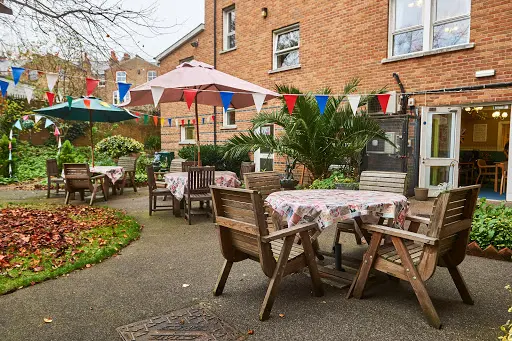
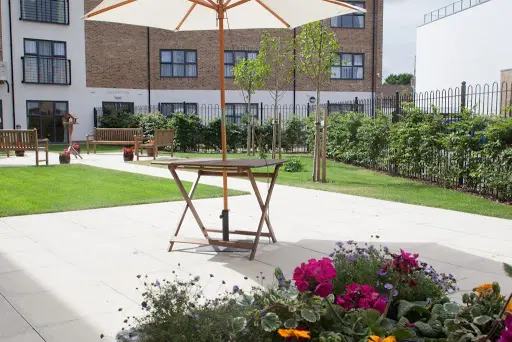
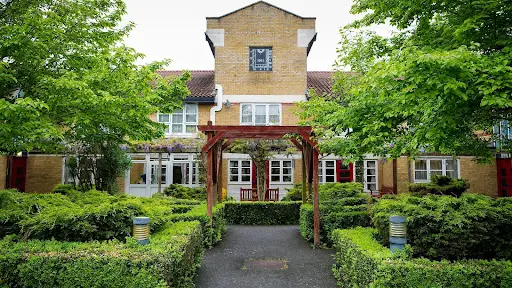
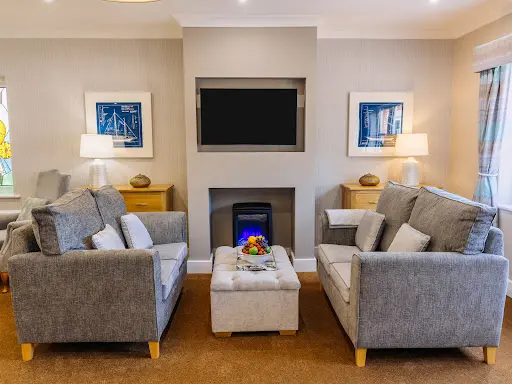
The home keeps things tidy and well-lit, creating spaces where residents feel comfortable. Regular activities bring structure to the days — dance sessions, games, holiday celebrations that get everyone involved. Families notice how these activities aren't just scheduled events but chances for real connection between residents.
“Sometimes the right care home is the one where staff still smile at the end of a long shift.”
DCC does not edit or curate content in this tab. For independently curated information, see The Evidence and DCC Verdict.