Highbury New Park – Care UK
At a Glance
The information you need to decide whether this home warrants a closer look.
Nursing homes
Staff warmth score
of reviewers answered yes
Good to know
- Registered beds53
- SpecialismsCaring for adults over 65 yrs, Dementia, Learning disabilities, Mental health conditions, Physical disabilities
- Last inspected2019-12-28
Save Highbury New Park – Care UK to your shortlist
Keep a running list, add visit notes, and compare homes side-by-side. Free account — it takes a minute.
STAGE 4 — RESEARCHING CARE HOMES
Visit homes. Compare them side by side. Choose with confidence.
Most of us will view care homes the way we view houses, impression, atmosphere, the feeling in the corridor. We go home, try to remember what we saw, and make a permanent decision from a blurred memory.

The DCC shortlist gives every home you visit a structured record: the same twelve questions, answered the same way, every time. When you’re ready to choose, pull any two homes side by side and compare them directly. Same criteria, same evidence, your notes and your scores.
The Evidence
What the review data, the inspection reports, and the dementia-care evidence base tell us about this home.
What families say
The emotional changes families witness can be striking. People talk about seeing their relatives thriving again, expressing happiness in ways that seemed lost. There's something reassuring about watching someone you care about find their feet in a new environment, especially when the transition felt daunting.
The eight family priority themes
- Staff warmth72
- Compassion & dignity72
- Cleanliness70
- Activities & engagement65
- Food quality65
- Healthcare70
- Management & leadership72
- Resident happiness68
What inspectors found
Inspected 2019-12-28
Is this home safe?
Is the care effective?
The home received a Good rating for effectiveness at the August 2020 inspection. This domain covers training, care planning, healthcare access, and nutritional care. The published summary does not include specific observations about dementia training content, care plan review frequency, GP access arrangements, or food quality. The monitoring review in July 2023 found no reason to change the rating. The home's specialism in dementia means that the quality of staff training in this area is particularly relevant.Is this home caring?
The home was rated Good for caring at the August 2020 inspection. This domain covers how staff treat the people who live there, including warmth, dignity, respect, and support for independence. The published summary does not include direct inspector observations of staff interactions, testimony from residents, or accounts from relatives. No concerns were identified. The monitoring review in July 2023 found nothing to suggest the rating needed to change.Is the home responsive?
The home received a Good rating for responsiveness at the August 2020 inspection. This domain covers how well the home tailors its care to individual needs, including activities, engagement, and end-of-life planning. The published summary does not describe the activity programme, one-to-one engagement provision, or how the home responds to changing individual needs. The monitoring review in July 2023 found no evidence of concern. The home's range of specialisms suggests it is expected to respond to a diverse group of needs.Is the home well-led?
The home was rated Good for leadership at the August 2020 inspection. Mrs Lia Smochina is named as the registered manager, and Ms Rachel Louise Harvey is listed as the nominated individual for Care UK Community Partnerships Ltd. The published summary does not include detail about the manager's tenure, staff culture, governance processes, or how the home handles complaints and incidents. The monitoring review in July 2023 found no evidence requiring a change to the rating.
Source: CQC inspection report →
What the evidence base says
The home supports adults over 65 with dementia, learning disabilities, mental health conditions and physical disabilities. This blend of specialisms means staff work with varied and often overlapping needs. For those living with dementia, the structured routines and individual attention seem particularly valuable. Staff show patience in learning what works for each person, adapting their approach as needs change. All areas worth probing directly during a visit.
The DCC Verdict
Our editorial view, built from the three lenses: what families tell us, what inspectors record, and how the home sits against good dementia-care practice.
DCC Family Score
Highbury New Park holds a Good rating across all five inspection domains, but the published report contains limited specific detail, so scores reflect confirmed ratings rather than rich observational evidence. Families should use a visit to fill the gaps this report leaves open.
Homes in London typically score 68–82.The three-lens summary
What families tell us
The emotional changes families witness can be striking. People talk about seeing their relatives thriving again, expressing happiness in ways that seemed lost. There's something reassuring about watching someone you care about find their feet in a new environment, especially when the transition felt daunting.
What inspectors have recorded
Staff take time to learn each person's routines and preferences, with families noting how available and approachable the team remains. Communication flows both ways — families feel heard and kept informed, while staff show genuine interest in understanding what makes each resident comfortable.
How it sits against good practice
Sometimes the hardest decisions lead to the most relief when you see them working out.
Worth a visit
Highbury New Park, at 127 Highbury New Park in London, holds a Good rating across all five inspection domains. The last full inspection took place in August 2020, and a monitoring review completed in July 2023 found no evidence that the rating needed to change. The home is run by Care UK Community Partnerships Ltd and has a named registered manager in post. With 53 beds and specialisms covering dementia, mental health conditions, learning disabilities, and physical disabilities, it serves a broad range of needs. The main limitation here is the age of the published evidence. The last full inspection was in August 2020, which is now over four years ago, and the 2023 review was a desk-based exercise rather than an in-person visit. That means there is very little specific detail available about how staff actually interact with the people who live there, what the food is like, how activities are run, or what night staffing looks like. A Good rating is a meaningful starting point, but before making a decision, visit the home yourself, ask to see last week's actual staffing rota (particularly overnight), and arrange to arrive at a mealtime so you can observe the pace and warmth of care directly.
The three questions to ask when you visitSave this home. Compare it against your shortlist.
Let our analysis show you how Highbury New Park – Care UK measures up against the other homes you’re considering. Free account.
In Their Own Words
How Highbury New Park – Care UK describes itself — collected from its own website. DCC has not edited or independently verified the content in this tab.
Where difficult transitions become fresh starts for complex care needs
Compassionate Care in London at Highbury New Park
When someone you love needs specialist support for dementia, mental health conditions or learning disabilities, finding the right environment matters deeply. Highbury New Park in London brings together experienced staff who understand these complex needs. Families describe watching their relatives settle in and rediscover contentment, often after challenging times.
Who they care for
The home supports adults over 65 with dementia, learning disabilities, mental health conditions and physical disabilities. This blend of specialisms means staff work with varied and often overlapping needs.
For those living with dementia, the structured routines and individual attention seem particularly valuable. Staff show patience in learning what works for each person, adapting their approach as needs change.
“Sometimes the hardest decisions lead to the most relief when you see them working out.”
DCC does not edit or curate content in this tab. For independently curated information, see The Evidence and DCC Verdict.
The DCC Verdict
Our editorial view, built from the three lenses: what families tell us, what inspectors record, and how the home sits against good dementia-care practice.
DCC Family Score
Highbury New Park holds a Good rating across all five inspection domains, but the published report contains limited specific detail, so scores reflect confirmed ratings rather than rich observational evidence. Families should use a visit to fill the gaps this report leaves open.
Homes in London typically score 68–82.The three-lens summary
What families tell us
The emotional changes families witness can be striking. People talk about seeing their relatives thriving again, expressing happiness in ways that seemed lost. There's something reassuring about watching someone you care about find their feet in a new environment, especially when the transition felt daunting.
What inspectors have recorded
Staff take time to learn each person's routines and preferences, with families noting how available and approachable the team remains. Communication flows both ways — families feel heard and kept informed, while staff show genuine interest in understanding what makes each resident comfortable.
How it sits against good practice
Sometimes the hardest decisions lead to the most relief when you see them working out.
Worth a visit
Highbury New Park, at 127 Highbury New Park in London, holds a Good rating across all five inspection domains. The last full inspection took place in August 2020, and a monitoring review completed in July 2023 found no evidence that the rating needed to change. The home is run by Care UK Community Partnerships Ltd and has a named registered manager in post. With 53 beds and specialisms covering dementia, mental health conditions, learning disabilities, and physical disabilities, it serves a broad range of needs. The main limitation here is the age of the published evidence. The last full inspection was in August 2020, which is now over four years ago, and the 2023 review was a desk-based exercise rather than an in-person visit. That means there is very little specific detail available about how staff actually interact with the people who live there, what the food is like, how activities are run, or what night staffing looks like. A Good rating is a meaningful starting point, but before making a decision, visit the home yourself, ask to see last week's actual staffing rota (particularly overnight), and arrange to arrive at a mealtime so you can observe the pace and warmth of care directly.
The three questions to ask when you visitSave this home. Compare it against your shortlist.
Let our analysis show you how Highbury New Park – Care UK measures up against the other homes you’re considering. Free account.
In Their Own Words
How Highbury New Park – Care UK describes itself — collected from its own website. DCC has not edited or independently verified the content in this tab.
Where difficult transitions become fresh starts for complex care needs
Compassionate Care in London at Highbury New Park
When someone you love needs specialist support for dementia, mental health conditions or learning disabilities, finding the right environment matters deeply. Highbury New Park in London brings together experienced staff who understand these complex needs. Families describe watching their relatives settle in and rediscover contentment, often after challenging times.
Who they care for
The home supports adults over 65 with dementia, learning disabilities, mental health conditions and physical disabilities. This blend of specialisms means staff work with varied and often overlapping needs.
For those living with dementia, the structured routines and individual attention seem particularly valuable. Staff show patience in learning what works for each person, adapting their approach as needs change.
Management & ethos
Staff take time to learn each person's routines and preferences, with families noting how available and approachable the team remains. Communication flows both ways — families feel heard and kept informed, while staff show genuine interest in understanding what makes each resident comfortable.
The home & environment
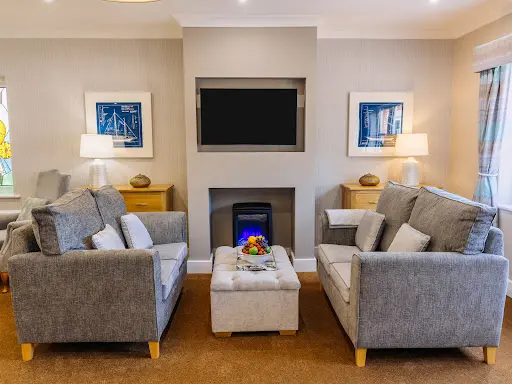
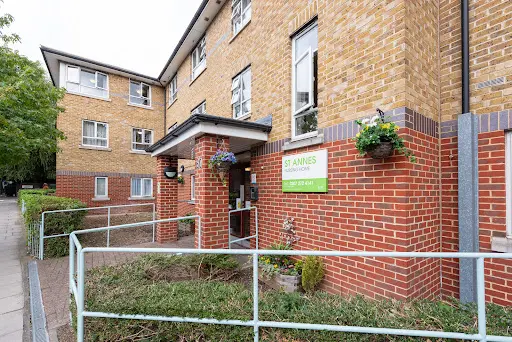
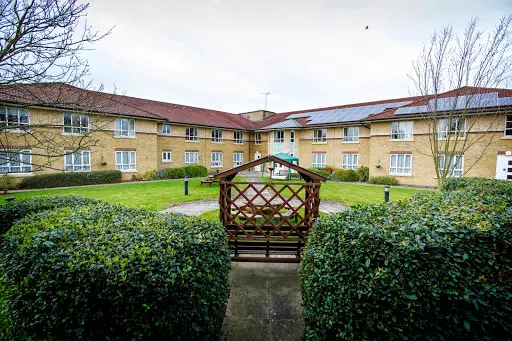
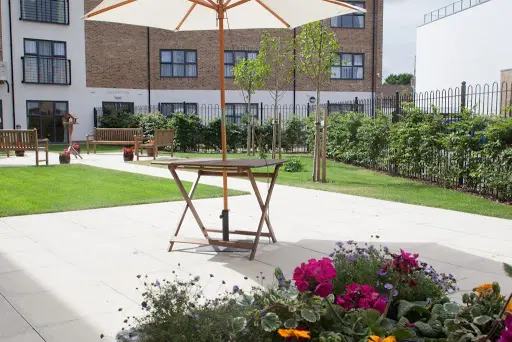
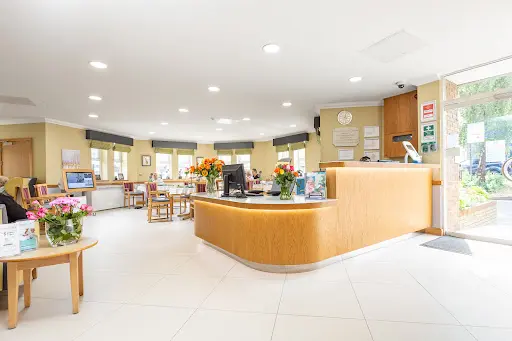
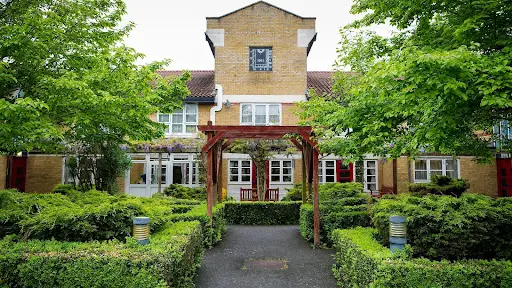
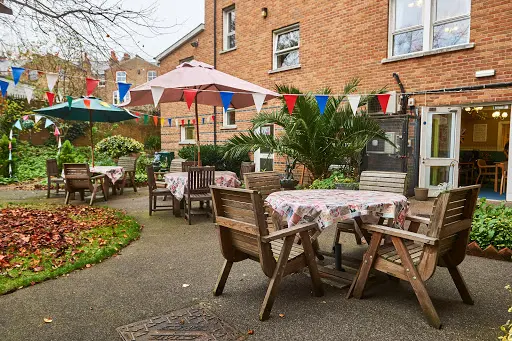
The home maintains clean, well-kept spaces throughout, with outdoor areas where residents can spend time when the weather allows. Families mention the general upkeep and attention to the physical environment, creating spaces that feel cared for rather than institutional.
“Sometimes the hardest decisions lead to the most relief when you see them working out.”
DCC does not edit or curate content in this tab. For independently curated information, see The Evidence and DCC Verdict.