Lennox House – Care UK
At a Glance
The information you need to decide whether this home warrants a closer look.
Nursing homes
Staff warmth score
of reviewers answered yes
Good to know
- Registered beds87
- SpecialismsCaring for adults over 65 yrs, Dementia, Learning disabilities, Mental health conditions, Physical disabilities
- Last inspected2021-03-09
Save Lennox House – Care UK to your shortlist
Keep a running list, add visit notes, and compare homes side-by-side. Free account — it takes a minute.
STAGE 4 — RESEARCHING CARE HOMES
Visit homes. Compare them side by side. Choose with confidence.
Most of us will view care homes the way we view houses, impression, atmosphere, the feeling in the corridor. We go home, try to remember what we saw, and make a permanent decision from a blurred memory.

The DCC shortlist gives every home you visit a structured record: the same twelve questions, answered the same way, every time. When you’re ready to choose, pull any two homes side by side and compare them directly. Same criteria, same evidence, your notes and your scores.
The Evidence
What the review data, the inspection reports, and the dementia-care evidence base tell us about this home.
What families say
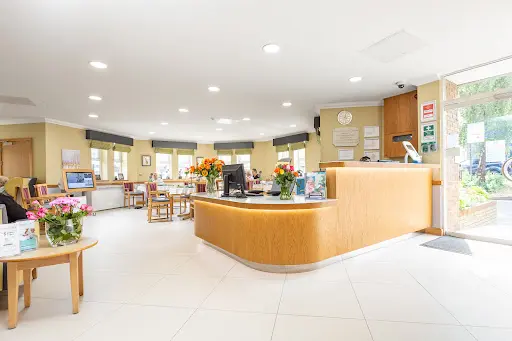
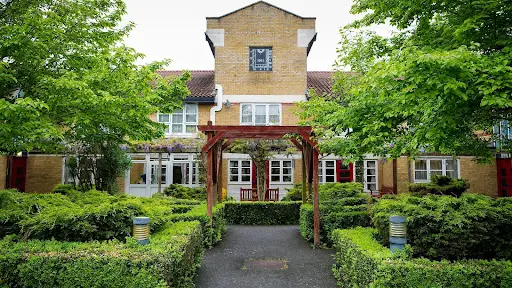
The home maintains clean, well-presented surroundings that visitors often comment on. Staff at reception tend to be welcoming and polite during initial visits. Entertainment sessions bring moments of joy, with residents responding well to music and arts activities when external providers visit.
The eight family priority themes
- Staff warmth72
- Compassion & dignity72
- Cleanliness70
- Activities & engagement65
- Food quality65
- Healthcare70
- Management & leadership72
- Resident happiness68
What inspectors found
Inspected 2021-03-09
Is this home safe?
Is the care effective?
The Effective domain was rated Good at the June 2024 assessment. This covers training, care planning, access to healthcare professionals, nutrition, and how well the home translates knowledge into day-to-day practice. The published report does not provide specific examples of care plan quality, GP access arrangements, dementia training content, or how food choices and dietary needs are managed. No concerns were raised in the published findings.Is this home caring?
The Caring domain was rated Good at the June 2024 assessment. Inspectors judged that staff interactions, dignity, and respect for residents met the Good standard. The published report does not include direct observations of staff behaviour, resident or relative quotes, or specific examples of how privacy and dignity are protected in practice. No concerns were raised in the published findings.Is the home responsive?
The Responsive domain was rated Good at the June 2024 assessment. This domain covers whether the home responds to your parent as an individual, including activities, complaints handling, and end-of-life care. The published report does not detail the activity programme, one-to-one engagement practices, or how the home handles complaints and requests. No concerns were raised in the published findings.Is the home well-led?
The Well-led domain was rated Good at the June 2024 assessment, following a previous period when the home held an Inadequate rating overall. A named registered manager, Mrs Adriana Stefania Bernschutz, is recorded as in post, and a nominated individual, Ms Rachel Louise Harvey, is also named. The published report does not detail the manager's tenure, governance systems, staff culture, or how the home acted on the findings from its Inadequate period. No concerns were raised in the published findings.
Source: CQC inspection report →
What the evidence base says
The home accepts residents with dementia, learning disabilities, mental health conditions and physical disabilities. They provide both long-term residential care and temporary respite placements. Dementia care forms part of the service here, though families note the environment may suit some residents better than others. Those considering dementia care should discuss specific approaches and staffing arrangements during their visit. All areas worth probing directly during a visit.
The DCC Verdict
Our editorial view, built from the three lenses: what families tell us, what inspectors record, and how the home sits against good dementia-care practice.
DCC Family Score
Lennox House has moved from Inadequate to Good across all five domains at its most recent assessment in June 2024, which is a meaningful improvement. However, because the published inspection report contains very limited specific detail, observations, or direct testimony, the scores reflect positive but general findings rather than rich, specific evidence.
Homes in London typically score 68–82.The three-lens summary
What families tell us
The home maintains clean, well-presented surroundings that visitors often comment on. Staff at reception tend to be welcoming and polite during initial visits. Entertainment sessions bring moments of joy, with residents responding well to music and arts activities when external providers visit.
What inspectors have recorded
Experiences here vary considerably between short respite stays and longer-term care. Some families report concerns about communication and care standards that differ from first impressions. The home currently operates under regulatory oversight, so families should ask detailed questions about care protocols and family involvement.
How it sits against good practice
Take time to visit at different times of day and speak with several families about their experiences before making your decision.
Worth a visit
Lennox House, at 75 Durham Road, London, was assessed in June 2024 and rated Good across all five domains: Safe, Effective, Caring, Responsive, and Well-led. This is a genuinely significant improvement from a previous Inadequate rating, and it tells you that inspectors found real, substantive progress in how the home is run. The home is registered with Care UK Community Partnerships Ltd and has a named registered manager in post, which provides a clear line of accountability. The main limitation for families is that the published inspection summary contains very little specific detail: no direct observations, no resident or relative quotes, and no named practices or examples. A Good rating is encouraging, but it does not on its own answer the questions that matter most to you, such as how many staff are on the dementia unit at night, how often care plans are reviewed with families, or what dementia-specific training staff have received. Use the checklist above as your visit guide, and ask the manager to walk you through the changes made since the Inadequate period so you can judge the improvement for yourself.
The three questions to ask when you visitSave this home. Compare it against your shortlist.
Let our analysis show you how Lennox House – Care UK measures up against the other homes you’re considering. Free account.
In Their Own Words
How Lennox House – Care UK describes itself — collected from its own website. DCC has not edited or independently verified the content in this tab.
Respite stays and specialised support in North London
Dedicated nursing home Support in London
Lennox House in London provides care for older adults with complex needs, including dementia, learning disabilities and mental health conditions. The home offers both permanent residency and shorter respite placements. Families considering this home will want to visit and speak directly with current residents' relatives to understand the full picture of care.
Who they care for
The home accepts residents with dementia, learning disabilities, mental health conditions and physical disabilities. They provide both long-term residential care and temporary respite placements.
Dementia care forms part of the service here, though families note the environment may suit some residents better than others. Those considering dementia care should discuss specific approaches and staffing arrangements during their visit.
“Take time to visit at different times of day and speak with several families about their experiences before making your decision.”
DCC does not edit or curate content in this tab. For independently curated information, see The Evidence and DCC Verdict.
The DCC Verdict
Our editorial view, built from the three lenses: what families tell us, what inspectors record, and how the home sits against good dementia-care practice.
DCC Family Score
Lennox House has moved from Inadequate to Good across all five domains at its most recent assessment in June 2024, which is a meaningful improvement. However, because the published inspection report contains very limited specific detail, observations, or direct testimony, the scores reflect positive but general findings rather than rich, specific evidence.
Homes in London typically score 68–82.The three-lens summary
What families tell us
The home maintains clean, well-presented surroundings that visitors often comment on. Staff at reception tend to be welcoming and polite during initial visits. Entertainment sessions bring moments of joy, with residents responding well to music and arts activities when external providers visit.
What inspectors have recorded
Experiences here vary considerably between short respite stays and longer-term care. Some families report concerns about communication and care standards that differ from first impressions. The home currently operates under regulatory oversight, so families should ask detailed questions about care protocols and family involvement.
How it sits against good practice
Take time to visit at different times of day and speak with several families about their experiences before making your decision.
Worth a visit
Lennox House, at 75 Durham Road, London, was assessed in June 2024 and rated Good across all five domains: Safe, Effective, Caring, Responsive, and Well-led. This is a genuinely significant improvement from a previous Inadequate rating, and it tells you that inspectors found real, substantive progress in how the home is run. The home is registered with Care UK Community Partnerships Ltd and has a named registered manager in post, which provides a clear line of accountability. The main limitation for families is that the published inspection summary contains very little specific detail: no direct observations, no resident or relative quotes, and no named practices or examples. A Good rating is encouraging, but it does not on its own answer the questions that matter most to you, such as how many staff are on the dementia unit at night, how often care plans are reviewed with families, or what dementia-specific training staff have received. Use the checklist above as your visit guide, and ask the manager to walk you through the changes made since the Inadequate period so you can judge the improvement for yourself.
The three questions to ask when you visitSave this home. Compare it against your shortlist.
Let our analysis show you how Lennox House – Care UK measures up against the other homes you’re considering. Free account.
In Their Own Words
How Lennox House – Care UK describes itself — collected from its own website. DCC has not edited or independently verified the content in this tab.
Respite stays and specialised support in North London
Dedicated nursing home Support in London
Lennox House in London provides care for older adults with complex needs, including dementia, learning disabilities and mental health conditions. The home offers both permanent residency and shorter respite placements. Families considering this home will want to visit and speak directly with current residents' relatives to understand the full picture of care.
Who they care for
The home accepts residents with dementia, learning disabilities, mental health conditions and physical disabilities. They provide both long-term residential care and temporary respite placements.
Dementia care forms part of the service here, though families note the environment may suit some residents better than others. Those considering dementia care should discuss specific approaches and staffing arrangements during their visit.
Management & ethos
Experiences here vary considerably between short respite stays and longer-term care. Some families report concerns about communication and care standards that differ from first impressions. The home currently operates under regulatory oversight, so families should ask detailed questions about care protocols and family involvement.
The home & environment
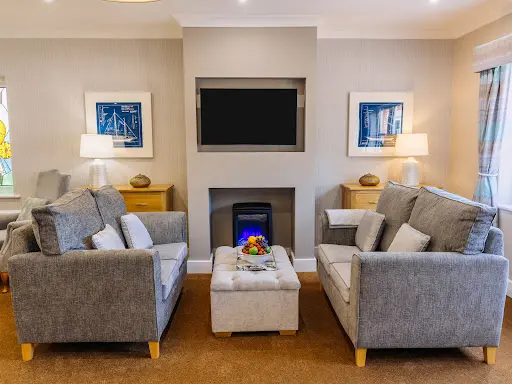
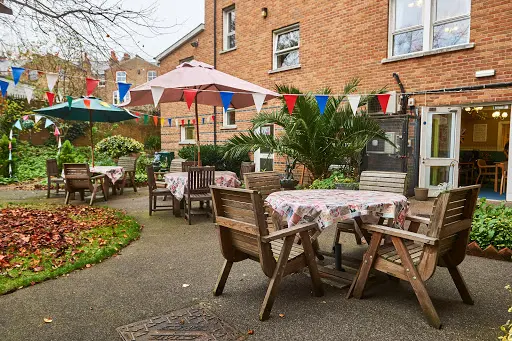
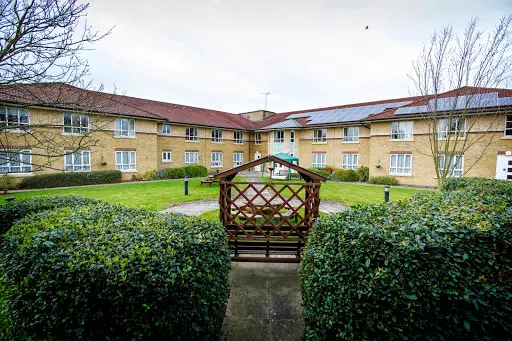
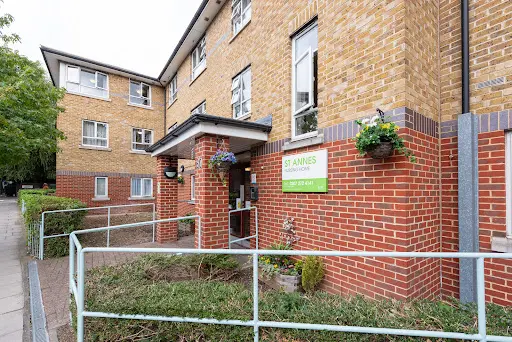
The building stays tidy and properly maintained throughout. Some visitors have noticed fresh, varied meals being served. The communal areas provide space for activities and entertainment sessions.
“Take time to visit at different times of day and speak with several families about their experiences before making your decision.”
DCC does not edit or curate content in this tab. For independently curated information, see The Evidence and DCC Verdict.