Greenway House Residential Home
At a Glance
The information you need to decide whether this home warrants a closer look.
Residential homes
Staff warmth score
of reviewers answered yes
Good to know
- Registered beds12
- SpecialismsCaring for adults over 65 yrs, Dementia, Mental health conditions, Physical disabilities, Sensory impairment
- Last inspected2020-02-01
Save Greenway House Residential Home to your shortlist
Keep a running list, add visit notes, and compare homes side-by-side. Free account — it takes a minute.
STAGE 4 — RESEARCHING CARE HOMES
Visit homes. Compare them side by side. Choose with confidence.
Most of us will view care homes the way we view houses, impression, atmosphere, the feeling in the corridor. We go home, try to remember what we saw, and make a permanent decision from a blurred memory.

The DCC shortlist gives every home you visit a structured record: the same twelve questions, answered the same way, every time. When you’re ready to choose, pull any two homes side by side and compare them directly. Same criteria, same evidence, your notes and your scores.
The Evidence
What the review data, the inspection reports, and the dementia-care evidence base tell us about this home.
What families say
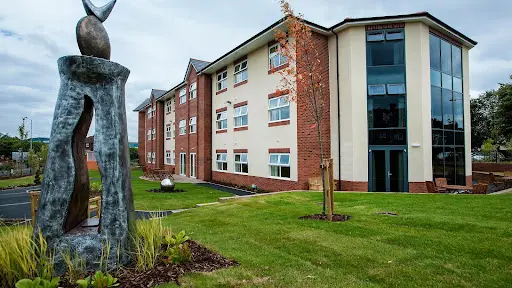
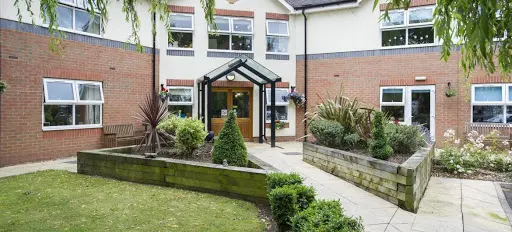
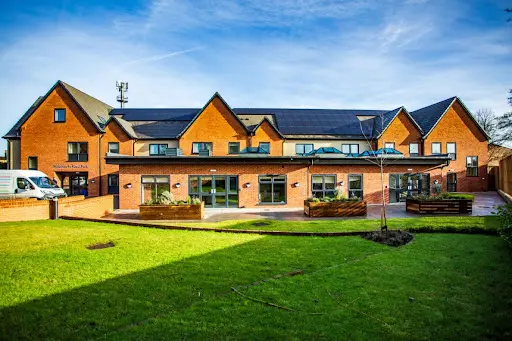
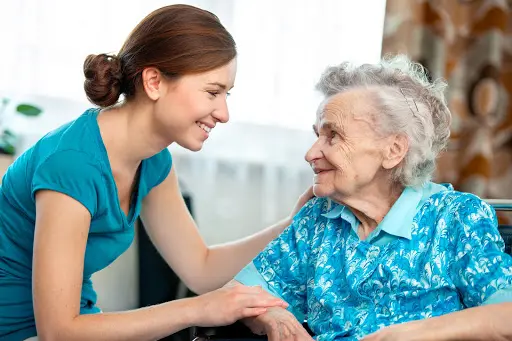
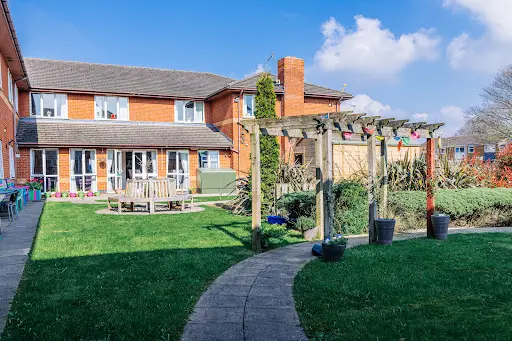
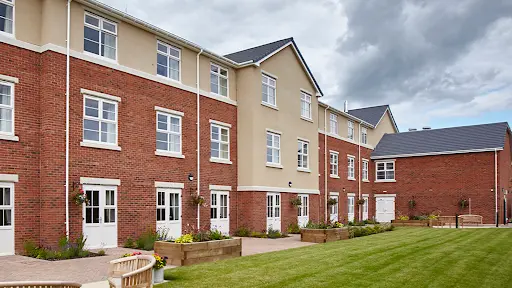
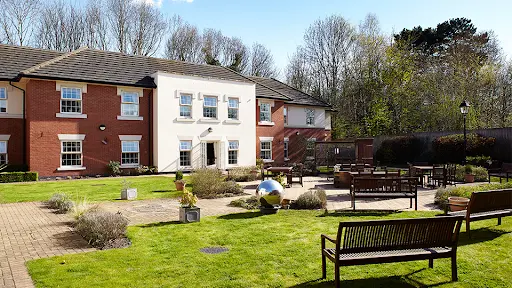
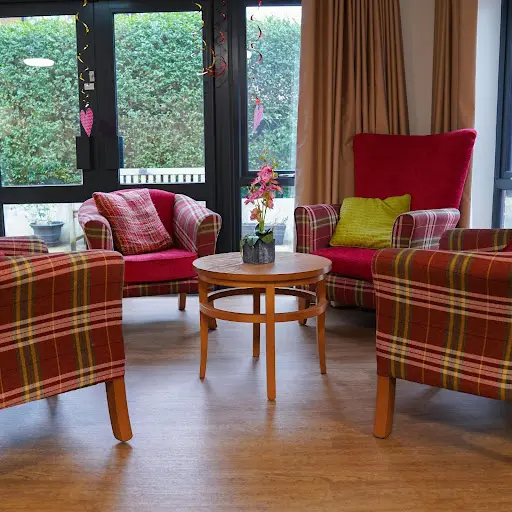
Families describe walking into a place that feels more like visiting someone's house than entering a care facility. The traditional dining room, comfortable furnishings, and well-kept gardens create an atmosphere where residents seem relaxed and at ease. Several families mentioned how their loved ones, even those who'd struggled in previous care settings, found their feet here surprisingly quickly.
The eight family priority themes
- Staff warmth72
- Compassion & dignity72
- Cleanliness70
- Activities & engagement55
- Food quality55
- Healthcare60
- Management & leadership72
- Resident happiness68
What inspectors found
Inspected 2020-02-01
Is this home safe?
Is the care effective?
The home was rated Good for effectiveness at its January 2020 inspection. The published findings do not describe the content or coverage of staff training, how care plans are written or reviewed, how the home works with GPs and other health professionals, or how food and nutrition needs are met. The home is registered to support people living with dementia, which requires specific training and environmental adaptations, but neither is described in the available text.Is this home caring?
The home was rated Good for caring at its January 2020 inspection. The published findings do not include specific observations about how staff interact with residents, whether residents are addressed by their preferred names, how privacy is maintained during personal care, or how the home supports residents to retain independence. No quotes from residents or relatives are available in the published text.Is the home responsive?
The home was rated Good for responsiveness at its January 2020 inspection. The published findings do not describe the activities programme, how the home supports residents to maintain hobbies or routines, how individual preferences are recorded and acted on, or how the home approaches end-of-life care. With 12 beds and a mix of needs including dementia, physical disabilities, and sensory impairments, tailoring activity to each individual is a significant undertaking.Is the home well-led?
The home was rated Good for leadership at its January 2020 inspection, up from Requires Improvement previously. Mrs Deborah Roberts is named as the nominated individual. The published findings do not describe how the manager is present and visible to residents and staff, how the home handles complaints, how staff are supported and supervised, or what quality monitoring systems are in place. The improvement from Requires Improvement suggests real change was made, but the nature of that change is not described.
Source: CQC inspection report →
What the evidence base says
Greenway House provides specialized support for residents with dementia, sensory impairments, mental health conditions, and physical disabilities. The home welcomes adults over 65, including those needing respite care or recovering from hospital stays. Families whose loved ones have dementia speak of patient, understanding care that adapts as conditions change. Staff seem to understand the importance of routine and familiarity, while responding with kindness when confusion or distress occurs. All areas worth probing directly during a visit.
The DCC Verdict
Our editorial view, built from the three lenses: what families tell us, what inspectors record, and how the home sits against good dementia-care practice.
DCC Family Score
Greenway House scored Good across all five inspection domains, which is a meaningful improvement from its previous Requires Improvement rating. However, the published report contains very limited specific detail, so several scores reflect general positive findings rather than concrete evidence.
Homes in West Midlands typically score 68–82.The three-lens summary
What families tell us
Families describe walking into a place that feels more like visiting someone's house than entering a care facility. The traditional dining room, comfortable furnishings, and well-kept gardens create an atmosphere where residents seem relaxed and at ease. Several families mentioned how their loved ones, even those who'd struggled in previous care settings, found their feet here surprisingly quickly.
What inspectors have recorded
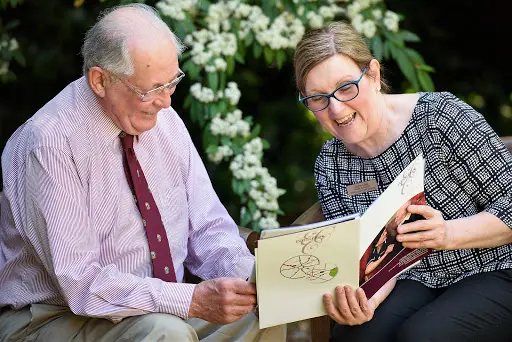
What stands out is how the same faces greet families month after month, year after year. Staff get to know residents properly — their histories, their quirks, what calms them when they're anxious. When families raise concerns or request specific support, they report things actually happen rather than getting lost in bureaucracy. During the pandemic, the team found creative ways to keep families connected through video calls and window visits.
How it sits against good practice
For many families, finding Greenway House meant finally being able to visit without that knot of worry in their stomach.
Worth a visit
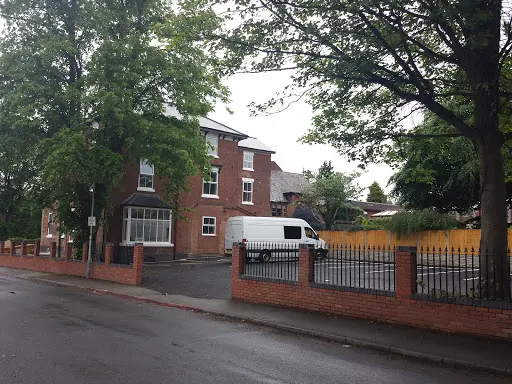
Greenway House Residential Home, at 103 Springhill Lane in Wolverhampton, was rated Good across all five inspection domains at its last inspection in January 2020. This is a positive result and a meaningful step forward from a previous Requires Improvement rating, suggesting the home recognised what needed to change and addressed it. The home is small, with 12 beds, and is registered to support people living with dementia, mental health conditions, physical disabilities, and sensory impairments. The main limitation of this report is that the published inspection findings contain very little specific detail. Scores, quotes, observations, and named examples are largely absent from what is publicly available, which makes it genuinely difficult to tell you what daily life looks like for your parent here. The rating was also reviewed in July 2023 rather than reinspected, so the most recent hands-on assessment is now over five years old. Before making any decision, visit in person, ask to see the staffing rota for a typical week, ask how many permanent staff work nights, and ask how the home keeps families informed about their parent's health.
The three questions to ask when you visitSave this home. Compare it against your shortlist.
Let our analysis show you how Greenway House Residential Home measures up against the other homes you’re considering. Free account.
In Their Own Words
How Greenway House Residential Home describes itself — collected from its own website. DCC has not edited or independently verified the content in this tab.
Where staff remember your mum's favorite songs and dad's morning routine
Greenway House Residential Home – Your Trusted residential home
When families visit Greenway House Residential Home in Wolverhampton, they often comment on how the staff already know their loved one's preferences — from how they take their tea to which chair they prefer in the lounge. This West Midlands care home has built its reputation on these small but meaningful details, with many families describing how quickly their relatives settled into genuinely comfortable routines.
Who they care for
Greenway House provides specialized support for residents with dementia, sensory impairments, mental health conditions, and physical disabilities. The home welcomes adults over 65, including those needing respite care or recovering from hospital stays.
Families whose loved ones have dementia speak of patient, understanding care that adapts as conditions change. Staff seem to understand the importance of routine and familiarity, while responding with kindness when confusion or distress occurs.
“For many families, finding Greenway House meant finally being able to visit without that knot of worry in their stomach.”
DCC does not edit or curate content in this tab. For independently curated information, see The Evidence and DCC Verdict.
The DCC Verdict
Our editorial view, built from the three lenses: what families tell us, what inspectors record, and how the home sits against good dementia-care practice.
DCC Family Score
Greenway House scored Good across all five inspection domains, which is a meaningful improvement from its previous Requires Improvement rating. However, the published report contains very limited specific detail, so several scores reflect general positive findings rather than concrete evidence.
Homes in West Midlands typically score 68–82.The three-lens summary
What families tell us
Families describe walking into a place that feels more like visiting someone's house than entering a care facility. The traditional dining room, comfortable furnishings, and well-kept gardens create an atmosphere where residents seem relaxed and at ease. Several families mentioned how their loved ones, even those who'd struggled in previous care settings, found their feet here surprisingly quickly.
What inspectors have recorded
What stands out is how the same faces greet families month after month, year after year. Staff get to know residents properly — their histories, their quirks, what calms them when they're anxious. When families raise concerns or request specific support, they report things actually happen rather than getting lost in bureaucracy. During the pandemic, the team found creative ways to keep families connected through video calls and window visits.
How it sits against good practice
For many families, finding Greenway House meant finally being able to visit without that knot of worry in their stomach.
Worth a visit
Greenway House Residential Home, at 103 Springhill Lane in Wolverhampton, was rated Good across all five inspection domains at its last inspection in January 2020. This is a positive result and a meaningful step forward from a previous Requires Improvement rating, suggesting the home recognised what needed to change and addressed it. The home is small, with 12 beds, and is registered to support people living with dementia, mental health conditions, physical disabilities, and sensory impairments. The main limitation of this report is that the published inspection findings contain very little specific detail. Scores, quotes, observations, and named examples are largely absent from what is publicly available, which makes it genuinely difficult to tell you what daily life looks like for your parent here. The rating was also reviewed in July 2023 rather than reinspected, so the most recent hands-on assessment is now over five years old. Before making any decision, visit in person, ask to see the staffing rota for a typical week, ask how many permanent staff work nights, and ask how the home keeps families informed about their parent's health.
The three questions to ask when you visitSave this home. Compare it against your shortlist.
Let our analysis show you how Greenway House Residential Home measures up against the other homes you’re considering. Free account.
In Their Own Words
How Greenway House Residential Home describes itself — collected from its own website. DCC has not edited or independently verified the content in this tab.
Where staff remember your mum's favorite songs and dad's morning routine
Greenway House Residential Home – Your Trusted residential home
When families visit Greenway House Residential Home in Wolverhampton, they often comment on how the staff already know their loved one's preferences — from how they take their tea to which chair they prefer in the lounge. This West Midlands care home has built its reputation on these small but meaningful details, with many families describing how quickly their relatives settled into genuinely comfortable routines.
Who they care for
Greenway House provides specialized support for residents with dementia, sensory impairments, mental health conditions, and physical disabilities. The home welcomes adults over 65, including those needing respite care or recovering from hospital stays.
Families whose loved ones have dementia speak of patient, understanding care that adapts as conditions change. Staff seem to understand the importance of routine and familiarity, while responding with kindness when confusion or distress occurs.
Management & ethos
What stands out is how the same faces greet families month after month, year after year. Staff get to know residents properly — their histories, their quirks, what calms them when they're anxious. When families raise concerns or request specific support, they report things actually happen rather than getting lost in bureaucracy. During the pandemic, the team found creative ways to keep families connected through video calls and window visits.
The home & environment
The home serves proper home-cooked meals that families say their relatives actually look forward to. The building itself is kept spotlessly clean without feeling clinical, and residents enjoy spending time in the gardens when weather permits. These everyday comforts seem to matter just as much as the medical care.
“For many families, finding Greenway House meant finally being able to visit without that knot of worry in their stomach.”
DCC does not edit or curate content in this tab. For independently curated information, see The Evidence and DCC Verdict.