Lime Tree Court Residential Care Home – Sanctuary Care

At a Glance
The information you need to decide whether this home warrants a closer look.
Residential homes
Staff warmth score
of reviewers answered yes
Good to know
- Registered beds60
- SpecialismsCaring for adults over 65 yrs, Caring for adults under 65 yrs, Dementia, Sensory impairment
- Last inspected2022-11-02
Save Lime Tree Court Residential Care Home – Sanctuary Care to your shortlist
Keep a running list, add visit notes, and compare homes side-by-side. Free account — it takes a minute.
STAGE 4 — RESEARCHING CARE HOMES
Visit homes. Compare them side by side. Choose with confidence.
Most of us will view care homes the way we view houses, impression, atmosphere, the feeling in the corridor. We go home, try to remember what we saw, and make a permanent decision from a blurred memory.

The DCC shortlist gives every home you visit a structured record: the same twelve questions, answered the same way, every time. When you’re ready to choose, pull any two homes side by side and compare them directly. Same criteria, same evidence, your notes and your scores.
The Evidence
What the review data, the inspection reports, and the dementia-care evidence base tell us about this home.
What families say
Visitors often comment on the warm atmosphere they encounter from their first visit. Staff greet residents and families with genuine smiles, and the home maintains a brightness that feels domestic rather than institutional. New residents typically settle within days, with families remarking on visible improvements in mood and engagement.
The eight family priority themes
- Staff warmth72
- Compassion & dignity72
- Cleanliness70
- Activities & engagement65
- Food quality65
- Healthcare68
- Management & leadership75
- Resident happiness70
What inspectors found
Inspected 2022-11-02
Is this home safe?
Is the care effective?
The Effective domain was rated Good, covering training, care planning, healthcare access, and nutrition. This domain was previously rated Requires Improvement, so the improvement to Good reflects progress the home made in response to earlier findings. The home lists dementia as a specialism, which means inspectors would have considered whether staff training and care approaches were appropriate for people with dementia. The published text does not describe specific training records, care plan content, food observations, or GP access arrangements.Is this home caring?
The Caring domain was rated Good, which covers staff warmth, dignity, respect, and how well the home supports people's independence. This is the domain most directly connected to day-to-day experience for your parent. The published report does not include specific inspector observations, resident quotes, or examples of how staff interacted with people during the visit. The improvement from a previous Requires Improvement rating suggests that concerns in this area have been addressed.Is the home responsive?
The Responsive domain was rated Good, covering activities, individual engagement, end-of-life planning, and how well the home responds to each person as an individual. This domain was previously rated Requires Improvement. The home cares for people with dementia, which makes individual rather than group-only activity provision particularly important. The published report does not describe the activity programme, give examples of individual engagement, or detail how end-of-life planning is approached.Is the home well-led?
The Well-led domain was rated Good. The home has a named registered manager (Miss Tyler Lea Durnall) and a nominated individual (Mrs Louise Palmer), indicating a clear governance structure. The improvement from Requires Improvement to Good across all five domains is a meaningful indicator of leadership that has acted on inspection findings rather than allowing problems to persist. The published report does not describe the manager's tenure, staff culture, or specific governance processes such as audits or complaint handling.
Source: CQC inspection report →
What the evidence base says
The home provides residential care for adults over and under 65, with particular experience supporting people living with dementia and those with sensory impairments. Staff show genuine skill in reading residents' moods and responding appropriately, helping people with dementia feel understood rather than managed. The team maintains routines that provide security while encouraging participation in daily life through activities and gentle engagement. All areas worth probing directly during a visit.
The DCC Verdict
Our editorial view, built from the three lenses: what families tell us, what inspectors record, and how the home sits against good dementia-care practice.
DCC Family Score
Lime Tree Court Residential Care Home has improved from Requires Improvement to Good across all five inspection domains, which is a meaningful positive sign. However, the published report text provides very limited specific detail, so scores reflect the rating itself and the trend rather than rich observed evidence.
Homes in West Midlands typically score 68–82.The three-lens summary
What families tell us
Visitors often comment on the warm atmosphere they encounter from their first visit. Staff greet residents and families with genuine smiles, and the home maintains a brightness that feels domestic rather than institutional. New residents typically settle within days, with families remarking on visible improvements in mood and engagement.
What inspectors have recorded
The care team takes a proactive approach to family communication, reaching out about health changes before relatives need to ask. Staff demonstrate real attentiveness to residents' emotional states, particularly those living with dementia, and maintain an approachable manner that encourages open dialogue. Several families have noted the stability of the staff team, with familiar faces becoming trusted partners in care.
How it sits against good practice
Understanding what matters most in dementia care takes time and genuine commitment — qualities that define the approach at Lime Tree Court.
Worth a visit
Lime Tree Court Residential Care Home, at 108 Ettingshell Road, Wolverhampton, was rated Good across all five inspection domains at its most recent inspection on 27 September 2022. The most significant finding is the improvement from a previous rating of Requires Improvement, which means inspectors found meaningful progress across safety, care quality, leadership, and responsiveness. The home accommodates up to 60 people, including adults with dementia and sensory impairment, and is run by Sanctuary Care Limited with a named registered manager on site. The main limitation of this report is that the full published text provides very little specific detail beyond the domain ratings and management names. This means it is not possible to describe exactly what inspectors saw, heard from residents, or found in records. If you are considering this home for your parent, a visit is essential. Ask to see the staffing rota for the past fortnight, find out how many permanent and agency staff work nights, ask what the activity programme looks like for someone who cannot join group sessions, and request a copy of a recent care plan to see how individual preferences are recorded.
The three questions to ask when you visitSave this home. Compare it against your shortlist.
Let our analysis show you how Lime Tree Court Residential Care Home – Sanctuary Care measures up against the other homes you’re considering. Free account.
In Their Own Words
How Lime Tree Court Residential Care Home – Sanctuary Care describes itself — collected from its own website. DCC has not edited or independently verified the content in this tab.
Where dementia care feels like genuine understanding and connection
Lime Tree Court Residential Care Home – Expert Care in Wolverhampton
Families searching for dementia care often describe the same moment of relief — when they see their loved one genuinely content after months of struggle. Lime Tree Court Residential Care Home in Wolverhampton has built its reputation on creating these moments, with staff who seem to instinctively understand what each resident needs to feel settled and valued.
Who they care for
The home provides residential care for adults over and under 65, with particular experience supporting people living with dementia and those with sensory impairments.
Staff show genuine skill in reading residents' moods and responding appropriately, helping people with dementia feel understood rather than managed. The team maintains routines that provide security while encouraging participation in daily life through activities and gentle engagement.
“Understanding what matters most in dementia care takes time and genuine commitment — qualities that define the approach at Lime Tree Court.”
DCC does not edit or curate content in this tab. For independently curated information, see The Evidence and DCC Verdict.
The DCC Verdict
Our editorial view, built from the three lenses: what families tell us, what inspectors record, and how the home sits against good dementia-care practice.
DCC Family Score
Lime Tree Court Residential Care Home has improved from Requires Improvement to Good across all five inspection domains, which is a meaningful positive sign. However, the published report text provides very limited specific detail, so scores reflect the rating itself and the trend rather than rich observed evidence.
Homes in West Midlands typically score 68–82.The three-lens summary
What families tell us
Visitors often comment on the warm atmosphere they encounter from their first visit. Staff greet residents and families with genuine smiles, and the home maintains a brightness that feels domestic rather than institutional. New residents typically settle within days, with families remarking on visible improvements in mood and engagement.
What inspectors have recorded
The care team takes a proactive approach to family communication, reaching out about health changes before relatives need to ask. Staff demonstrate real attentiveness to residents' emotional states, particularly those living with dementia, and maintain an approachable manner that encourages open dialogue. Several families have noted the stability of the staff team, with familiar faces becoming trusted partners in care.
How it sits against good practice
Understanding what matters most in dementia care takes time and genuine commitment — qualities that define the approach at Lime Tree Court.
Worth a visit
Lime Tree Court Residential Care Home, at 108 Ettingshell Road, Wolverhampton, was rated Good across all five inspection domains at its most recent inspection on 27 September 2022. The most significant finding is the improvement from a previous rating of Requires Improvement, which means inspectors found meaningful progress across safety, care quality, leadership, and responsiveness. The home accommodates up to 60 people, including adults with dementia and sensory impairment, and is run by Sanctuary Care Limited with a named registered manager on site. The main limitation of this report is that the full published text provides very little specific detail beyond the domain ratings and management names. This means it is not possible to describe exactly what inspectors saw, heard from residents, or found in records. If you are considering this home for your parent, a visit is essential. Ask to see the staffing rota for the past fortnight, find out how many permanent and agency staff work nights, ask what the activity programme looks like for someone who cannot join group sessions, and request a copy of a recent care plan to see how individual preferences are recorded.
The three questions to ask when you visitSave this home. Compare it against your shortlist.
Let our analysis show you how Lime Tree Court Residential Care Home – Sanctuary Care measures up against the other homes you’re considering. Free account.
In Their Own Words
How Lime Tree Court Residential Care Home – Sanctuary Care describes itself — collected from its own website. DCC has not edited or independently verified the content in this tab.
Where dementia care feels like genuine understanding and connection
Lime Tree Court Residential Care Home – Expert Care in Wolverhampton
Families searching for dementia care often describe the same moment of relief — when they see their loved one genuinely content after months of struggle. Lime Tree Court Residential Care Home in Wolverhampton has built its reputation on creating these moments, with staff who seem to instinctively understand what each resident needs to feel settled and valued.
Who they care for
The home provides residential care for adults over and under 65, with particular experience supporting people living with dementia and those with sensory impairments.
Staff show genuine skill in reading residents' moods and responding appropriately, helping people with dementia feel understood rather than managed. The team maintains routines that provide security while encouraging participation in daily life through activities and gentle engagement.
Management & ethos
The care team takes a proactive approach to family communication, reaching out about health changes before relatives need to ask. Staff demonstrate real attentiveness to residents' emotional states, particularly those living with dementia, and maintain an approachable manner that encourages open dialogue. Several families have noted the stability of the staff team, with familiar faces becoming trusted partners in care.
The home & environment
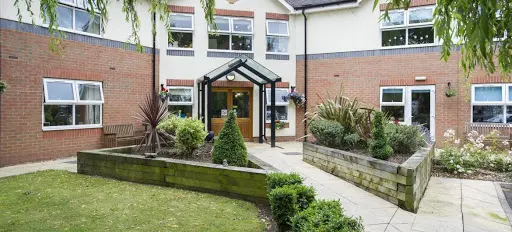
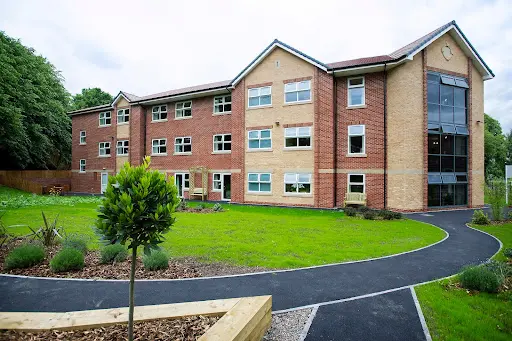
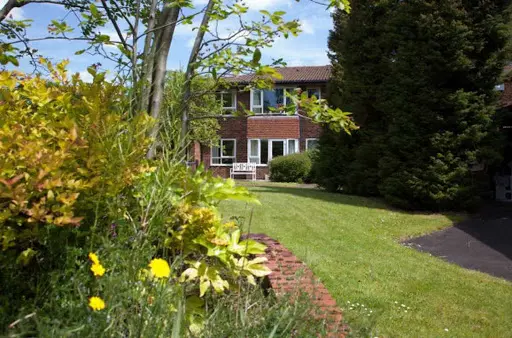
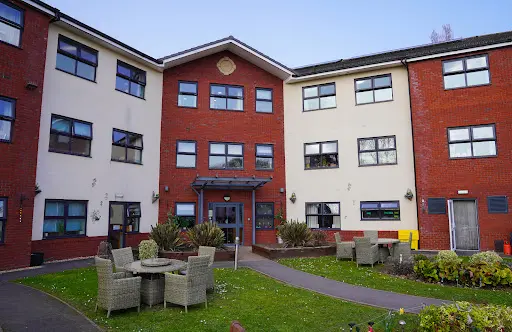
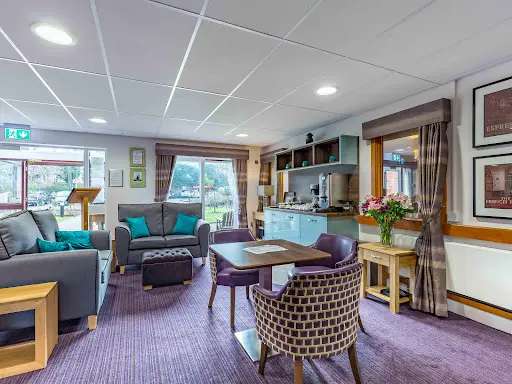
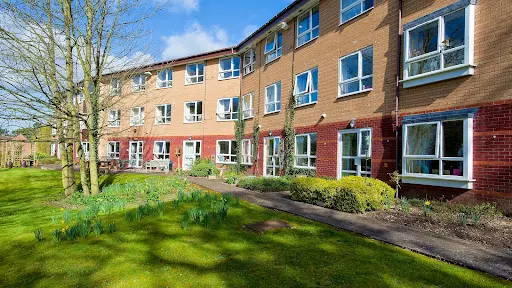
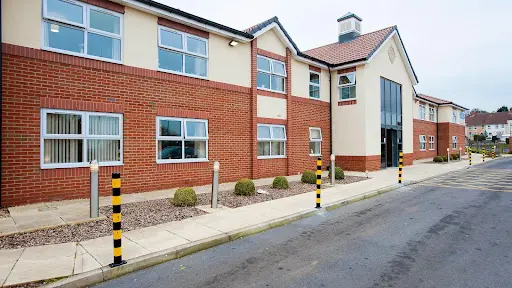
The home serves proper home-cooked meals that residents actually enjoy eating. Common areas stay consistently clean and welcoming, while the gardens provide space for residents to watch birds or simply enjoy fresh air. The building itself strikes a balance — modern and well-maintained without feeling clinical.
“Understanding what matters most in dementia care takes time and genuine commitment — qualities that define the approach at Lime Tree Court.”
DCC does not edit or curate content in this tab. For independently curated information, see The Evidence and DCC Verdict.