Sairam Villa

At a Glance
The information you need to decide whether this home warrants a closer look.
Nursing homes
Staff warmth score
of reviewers answered yes
Good to know
- Registered beds46
- SpecialismsCaring for adults over 65 yrs, Dementia
- Last inspected2019-06-08
Save Sairam Villa to your shortlist
Keep a running list, add visit notes, and compare homes side-by-side. Free account — it takes a minute.
STAGE 4 — RESEARCHING CARE HOMES
Visit homes. Compare them side by side. Choose with confidence.
Most of us will view care homes the way we view houses, impression, atmosphere, the feeling in the corridor. We go home, try to remember what we saw, and make a permanent decision from a blurred memory.

The DCC shortlist gives every home you visit a structured record: the same twelve questions, answered the same way, every time. When you’re ready to choose, pull any two homes side by side and compare them directly. Same criteria, same evidence, your notes and your scores.
The Evidence
What the review data, the inspection reports, and the dementia-care evidence base tell us about this home.
What families say
The difference families notice most is how residents who'd been struggling with both dementia and language barriers start to thrive again. People talk about their relatives becoming more settled, more engaged, even regaining some of the spark that seemed lost. It's the combination of staff who understand cultural nuances and structured daily activities that seems to make the real difference.
The eight family priority themes
- Staff warmth55
- Compassion & dignity55
- Cleanliness55
- Activities & engagement50
- Food quality50
- Healthcare55
- Management & leadership60
- Resident happiness55
What inspectors found
Inspected 2019-06-08
Is this home safe?
Is the care effective?
The effective domain was rated Good at the May 2019 inspection. The published findings do not include specific detail about training content, care plan quality, GP access, medicines management, or nutritional support. The home is registered to provide nursing care as well as personal care, which means clinical oversight should be in place.Is this home caring?
The caring domain was rated Good at the May 2019 inspection. No specific observations, quotes from residents or relatives, or examples of staff interactions are included in the published report. This means the Good rating cannot be unpacked into specific behaviours or moments that would help you judge the culture of care.Is the home responsive?
The responsive domain was rated Good at the May 2019 inspection. The published findings do not describe the activities programme, how the home tailors engagement to individuals with dementia, how complaints are handled, or how end-of-life care is approached. The home lists dementia as a specialism but the report does not confirm what this means in practice for residents who can no longer join group activities.Is the home well-led?
The well-led domain was rated Good at the May 2019 inspection. A registered manager and a nominated individual are named in the registration record. The published report does not include observations about management visibility, staff culture, governance systems, how the home handles complaints, or whether staff feel able to speak up. A monitoring review in July 2023 confirmed no evidence requiring a rating change.
Source: CQC inspection report →
What the evidence base says
The home specialises in dementia care for adults over 65, with particular strength in supporting residents from South Asian communities. What stands out is their approach to residents dealing with both dementia and language differences. Families report that staff work effectively with residents who primarily speak Gujarati or other South Asian languages, helping them feel understood even as communication becomes more challenging. All areas worth probing directly during a visit.
The DCC Verdict
Our editorial view, built from the three lenses: what families tell us, what inspectors record, and how the home sits against good dementia-care practice.
DCC Family Score
Sairam Villa Care Home holds a Good rating across all five inspection domains, but the published report contains very little specific detail, so scores reflect the rating itself rather than verified observations. This means the Good rating is real, but the evidence behind it is thin from a family perspective.
Homes in London typically score 68–82.The three-lens summary
What families tell us
The difference families notice most is how residents who'd been struggling with both dementia and language barriers start to thrive again. People talk about their relatives becoming more settled, more engaged, even regaining some of the spark that seemed lost. It's the combination of staff who understand cultural nuances and structured daily activities that seems to make the real difference.
What inspectors have recorded
Staff get particular praise for treating residents with genuine respect and kindness, especially during difficult moments. Families describe compassionate care that maintains dignity even as dementia progresses. While most families feel well-supported by management, there have been some concerns raised about communication responsiveness that the home will want to address.
How it sits against good practice
For families seeking dementia care that honours cultural and spiritual needs, this Harrow home offers something quite specific and valuable.
Worth a visit
Sairam Villa Care Home, at 116 Headstone Drive in Harrow, was rated Good across all five inspection domains following an inspection in May 2019. A monitoring review carried out in July 2023 found no evidence requiring a change to that rating. The home is registered for 46 beds, supports adults over 65, and lists dementia as a specialism. A registered manager is named and in post. The main uncertainty here is the age and brevity of the published findings. The inspection took place in 2019, which means the evidence is now more than five years old, and the published report contains very little specific detail about what inspectors actually observed. A Good rating is a real and meaningful baseline, but it tells you almost nothing about staff warmth, food, activities, or how the home feels day to day. Before making a decision, visit in person, ask to walk through the whole building including corridors and communal areas away from the entrance, and use the checklist questions below to get specific answers from the manager.
The three questions to ask when you visitSave this home. Compare it against your shortlist.
Let our analysis show you how Sairam Villa measures up against the other homes you’re considering. Free account.
In Their Own Words
How Sairam Villa describes itself — collected from its own website. DCC has not edited or independently verified the content in this tab.
Where dementia care meets cultural understanding in North London
Sairam Villa Care Home – Expert Care in Harrow
For families navigating dementia alongside language and cultural needs, finding the right support feels almost impossible. Sairam Villa Care Home in Harrow has built its reputation around exactly this challenge. Families describe watching their relatives with dementia not just stabilise but actually reconnect with life through culturally familiar care.
Who they care for
The home specialises in dementia care for adults over 65, with particular strength in supporting residents from South Asian communities.
What stands out is their approach to residents dealing with both dementia and language differences. Families report that staff work effectively with residents who primarily speak Gujarati or other South Asian languages, helping them feel understood even as communication becomes more challenging.
“For families seeking dementia care that honours cultural and spiritual needs, this Harrow home offers something quite specific and valuable.”
DCC does not edit or curate content in this tab. For independently curated information, see The Evidence and DCC Verdict.
The DCC Verdict
Our editorial view, built from the three lenses: what families tell us, what inspectors record, and how the home sits against good dementia-care practice.
DCC Family Score
Sairam Villa Care Home holds a Good rating across all five inspection domains, but the published report contains very little specific detail, so scores reflect the rating itself rather than verified observations. This means the Good rating is real, but the evidence behind it is thin from a family perspective.
Homes in London typically score 68–82.The three-lens summary
What families tell us
The difference families notice most is how residents who'd been struggling with both dementia and language barriers start to thrive again. People talk about their relatives becoming more settled, more engaged, even regaining some of the spark that seemed lost. It's the combination of staff who understand cultural nuances and structured daily activities that seems to make the real difference.
What inspectors have recorded
Staff get particular praise for treating residents with genuine respect and kindness, especially during difficult moments. Families describe compassionate care that maintains dignity even as dementia progresses. While most families feel well-supported by management, there have been some concerns raised about communication responsiveness that the home will want to address.
How it sits against good practice
For families seeking dementia care that honours cultural and spiritual needs, this Harrow home offers something quite specific and valuable.
Worth a visit
Sairam Villa Care Home, at 116 Headstone Drive in Harrow, was rated Good across all five inspection domains following an inspection in May 2019. A monitoring review carried out in July 2023 found no evidence requiring a change to that rating. The home is registered for 46 beds, supports adults over 65, and lists dementia as a specialism. A registered manager is named and in post. The main uncertainty here is the age and brevity of the published findings. The inspection took place in 2019, which means the evidence is now more than five years old, and the published report contains very little specific detail about what inspectors actually observed. A Good rating is a real and meaningful baseline, but it tells you almost nothing about staff warmth, food, activities, or how the home feels day to day. Before making a decision, visit in person, ask to walk through the whole building including corridors and communal areas away from the entrance, and use the checklist questions below to get specific answers from the manager.
The three questions to ask when you visitSave this home. Compare it against your shortlist.
Let our analysis show you how Sairam Villa measures up against the other homes you’re considering. Free account.
In Their Own Words
How Sairam Villa describes itself — collected from its own website. DCC has not edited or independently verified the content in this tab.
Where dementia care meets cultural understanding in North London
Sairam Villa Care Home – Expert Care in Harrow
For families navigating dementia alongside language and cultural needs, finding the right support feels almost impossible. Sairam Villa Care Home in Harrow has built its reputation around exactly this challenge. Families describe watching their relatives with dementia not just stabilise but actually reconnect with life through culturally familiar care.
Who they care for
The home specialises in dementia care for adults over 65, with particular strength in supporting residents from South Asian communities.
What stands out is their approach to residents dealing with both dementia and language differences. Families report that staff work effectively with residents who primarily speak Gujarati or other South Asian languages, helping them feel understood even as communication becomes more challenging.
Management & ethos
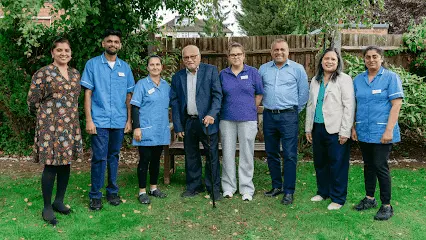
Staff get particular praise for treating residents with genuine respect and kindness, especially during difficult moments. Families describe compassionate care that maintains dignity even as dementia progresses. While most families feel well-supported by management, there have been some concerns raised about communication responsiveness that the home will want to address.
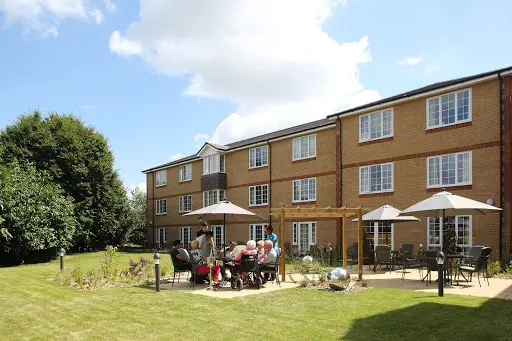
The home & environment
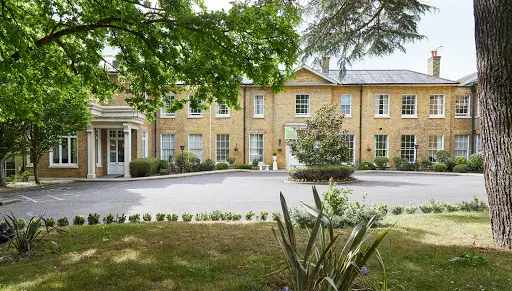
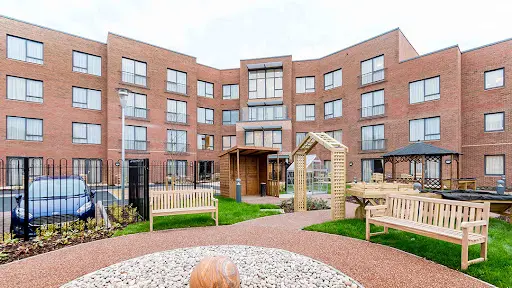
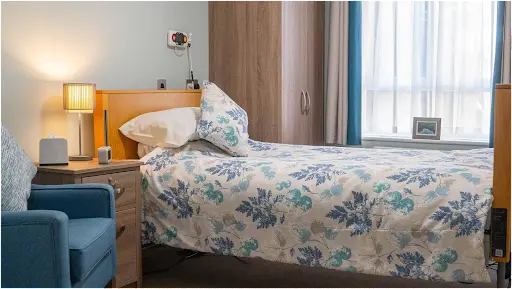
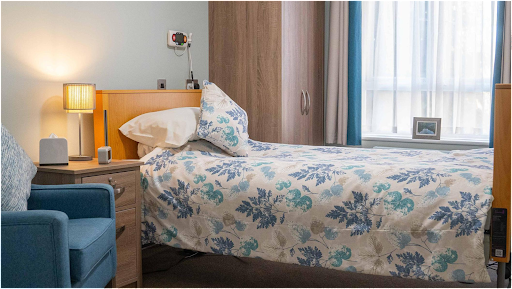
The kitchen prepares proper Gujarati and Jain vegetarian meals — the kind of food residents actually recognise and want to eat. Families mention finding the place consistently clean and well-kept, with thoughtful touches like Asian TV channels that help residents feel connected to familiar programming.
“For families seeking dementia care that honours cultural and spiritual needs, this Harrow home offers something quite specific and valuable.”
DCC does not edit or curate content in this tab. For independently curated information, see The Evidence and DCC Verdict.