Manor Lodge Residential Home
At a Glance
The information you need to decide whether this home warrants a closer look.
Residential homes
Staff warmth score
of reviewers answered yes
Good to know
- Registered beds16
- SpecialismsCaring for adults over 65 yrs, Dementia
- Last inspected2021-12-17
Save Manor Lodge Residential Home to your shortlist
Keep a running list, add visit notes, and compare homes side-by-side. Free account — it takes a minute.
STAGE 4 — RESEARCHING CARE HOMES
Visit homes. Compare them side by side. Choose with confidence.
Most of us will view care homes the way we view houses, impression, atmosphere, the feeling in the corridor. We go home, try to remember what we saw, and make a permanent decision from a blurred memory.

The DCC shortlist gives every home you visit a structured record: the same twelve questions, answered the same way, every time. When you’re ready to choose, pull any two homes side by side and compare them directly. Same criteria, same evidence, your notes and your scores.
The Evidence
What the review data, the inspection reports, and the dementia-care evidence base tell us about this home.
What families say
Families talk about how quickly their relatives settled in here. There's a real sense that residents feel safe and understood, especially those living with dementia who might have struggled in larger, busier environments. The atmosphere seems to strike that tricky balance between being homely and maintaining the dignity everyone deserves.
The eight family priority themes
- Staff warmth72
- Compassion & dignity72
- Cleanliness70
- Activities & engagement65
- Food quality65
- Healthcare68
- Management & leadership72
- Resident happiness70
What inspectors found
Inspected 2021-12-17
Is this home safe?
Is the care effective?
Manor Lodge was rated Good for effectiveness at its November 2021 inspection. The home is registered to provide dementia care, and a named registered manager is in post. The published report does not include specific detail about care plan quality, GP access, medicines administration, staff training content, or nutritional care. No direct observations or testimony on effectiveness are recorded in the available text.Is this home caring?
Manor Lodge was rated Good for caring at its November 2021 inspection. The published report does not include inspector observations of staff interactions, direct quotes from residents or relatives, or specific examples of dignity and respect in practice. The Good rating indicates inspectors were satisfied with what they found, but the detail behind that judgement is not available in the published extract.Is the home responsive?
Manor Lodge was rated Good for responsiveness at its November 2021 inspection. The home is registered to support people living with dementia as well as older adults. The published report does not include specific detail about the activity programme, individual engagement, end-of-life planning, or how the home responds to changing needs. No resident or relative testimony on this domain is available in the published text.Is the home well-led?
Manor Lodge was rated Good for leadership at its November 2021 inspection. A registered manager, Ms Analiza Luna Dabu, and a nominated individual, Mr Riyaz Mohamed Merali, are named as accountable for the service. The home is operated by R.M.D. Enterprises Limited. The published report does not include detail about management visibility, staff culture, governance systems, or how the home responds to concerns and complaints.
Source: CQC inspection report →
What the evidence base says
Manor Lodge specialises in dementia care and supporting adults over 65. The team has experience with different types of dementia, including vascular dementia. For residents with dementia, the smaller setting seems to work particularly well. Staff have time to learn individual patterns and preferences, which helps them provide care that feels natural rather than institutional. All areas worth probing directly during a visit.
The DCC Verdict
Our editorial view, built from the three lenses: what families tell us, what inspectors record, and how the home sits against good dementia-care practice.
DCC Family Score
Manor Lodge holds a Good rating across all five inspection domains, which is a positive baseline, but the published inspection report contains very little specific detail about day-to-day life. Scores reflect the Good rating rather than direct observational evidence, so families should treat this as a starting point for questions rather than a detailed picture.
Homes in London typically score 68–82.The three-lens summary
What families tell us
Families talk about how quickly their relatives settled in here. There's a real sense that residents feel safe and understood, especially those living with dementia who might have struggled in larger, busier environments. The atmosphere seems to strike that tricky balance between being homely and maintaining the dignity everyone deserves.
What inspectors have recorded
What comes through strongly is how the management style filters down through the whole team. Staff seem to have enough time to actually care, not just rush through tasks. Families mention being kept properly informed about their relatives, which makes such a difference when you can't be there every day. The home even takes on young volunteers, giving them proper mentoring while they help with activities.
How it sits against good practice
If you're drawn to the idea of a smaller home where your relative won't just be another face in the crowd, Manor Lodge could be worth exploring.
Worth a visit
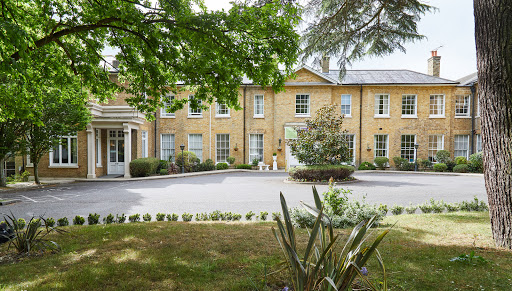
Manor Lodge, at 32-34 Manor Road in Harrow, was rated Good across all five inspection domains at its inspection on 2 November 2021. A desk-based review in July 2023 found no evidence that the rating needed to change. The home is registered to care for up to 16 people, including people living with dementia, and is run by R.M.D. Enterprises Limited with a named registered manager accountable for day-to-day practice. A Good rating across all domains is a meaningful benchmark and places this home in the stronger half of inspected services nationally. The main uncertainty here is that the published inspection report contains very little specific narrative detail. Inspectors did not record observations of staff interactions, mealtimes, activities, or dementia care practice in the extract available, which means there is little to translate beyond the headline rating. The inspection is also now over three years old. Before visiting, prepare a list of specific questions: ask the manager about night staffing numbers for 16 residents, agency staff usage over the past month, how care plans are reviewed and whether families are involved, and what dementia-specific training all staff have completed. Then observe the pace and warmth of staff interactions on your visit.
The three questions to ask when you visitSave this home. Compare it against your shortlist.
Let our analysis show you how Manor Lodge Residential Home measures up against the other homes you’re considering. Free account.
In Their Own Words
How Manor Lodge Residential Home describes itself — collected from its own website. DCC has not edited or independently verified the content in this tab.
Small London home where staff know every resident personally
Manor Lodge – Expert Care in London
When you're looking for dementia care, sometimes smaller really is better. Manor Lodge in London has built its reputation on being just the right size — small enough that staff genuinely know each resident, but structured enough to provide the professional care families need. It's the kind of place where people notice if someone seems a bit quiet at breakfast, and actually have time to do something about it.
Who they care for
Manor Lodge specialises in dementia care and supporting adults over 65. The team has experience with different types of dementia, including vascular dementia.
For residents with dementia, the smaller setting seems to work particularly well. Staff have time to learn individual patterns and preferences, which helps them provide care that feels natural rather than institutional.
“If you're drawn to the idea of a smaller home where your relative won't just be another face in the crowd, Manor Lodge could be worth exploring.”
DCC does not edit or curate content in this tab. For independently curated information, see The Evidence and DCC Verdict.
The DCC Verdict
Our editorial view, built from the three lenses: what families tell us, what inspectors record, and how the home sits against good dementia-care practice.
DCC Family Score
Manor Lodge holds a Good rating across all five inspection domains, which is a positive baseline, but the published inspection report contains very little specific detail about day-to-day life. Scores reflect the Good rating rather than direct observational evidence, so families should treat this as a starting point for questions rather than a detailed picture.
Homes in London typically score 68–82.The three-lens summary
What families tell us
Families talk about how quickly their relatives settled in here. There's a real sense that residents feel safe and understood, especially those living with dementia who might have struggled in larger, busier environments. The atmosphere seems to strike that tricky balance between being homely and maintaining the dignity everyone deserves.
What inspectors have recorded
What comes through strongly is how the management style filters down through the whole team. Staff seem to have enough time to actually care, not just rush through tasks. Families mention being kept properly informed about their relatives, which makes such a difference when you can't be there every day. The home even takes on young volunteers, giving them proper mentoring while they help with activities.
How it sits against good practice
If you're drawn to the idea of a smaller home where your relative won't just be another face in the crowd, Manor Lodge could be worth exploring.
Worth a visit
Manor Lodge, at 32-34 Manor Road in Harrow, was rated Good across all five inspection domains at its inspection on 2 November 2021. A desk-based review in July 2023 found no evidence that the rating needed to change. The home is registered to care for up to 16 people, including people living with dementia, and is run by R.M.D. Enterprises Limited with a named registered manager accountable for day-to-day practice. A Good rating across all domains is a meaningful benchmark and places this home in the stronger half of inspected services nationally. The main uncertainty here is that the published inspection report contains very little specific narrative detail. Inspectors did not record observations of staff interactions, mealtimes, activities, or dementia care practice in the extract available, which means there is little to translate beyond the headline rating. The inspection is also now over three years old. Before visiting, prepare a list of specific questions: ask the manager about night staffing numbers for 16 residents, agency staff usage over the past month, how care plans are reviewed and whether families are involved, and what dementia-specific training all staff have completed. Then observe the pace and warmth of staff interactions on your visit.
The three questions to ask when you visitSave this home. Compare it against your shortlist.
Let our analysis show you how Manor Lodge Residential Home measures up against the other homes you’re considering. Free account.
In Their Own Words
How Manor Lodge Residential Home describes itself — collected from its own website. DCC has not edited or independently verified the content in this tab.
Small London home where staff know every resident personally
Manor Lodge – Expert Care in London
When you're looking for dementia care, sometimes smaller really is better. Manor Lodge in London has built its reputation on being just the right size — small enough that staff genuinely know each resident, but structured enough to provide the professional care families need. It's the kind of place where people notice if someone seems a bit quiet at breakfast, and actually have time to do something about it.
Who they care for
Manor Lodge specialises in dementia care and supporting adults over 65. The team has experience with different types of dementia, including vascular dementia.
For residents with dementia, the smaller setting seems to work particularly well. Staff have time to learn individual patterns and preferences, which helps them provide care that feels natural rather than institutional.
Management & ethos
What comes through strongly is how the management style filters down through the whole team. Staff seem to have enough time to actually care, not just rush through tasks. Families mention being kept properly informed about their relatives, which makes such a difference when you can't be there every day. The home even takes on young volunteers, giving them proper mentoring while they help with activities.
The home & environment
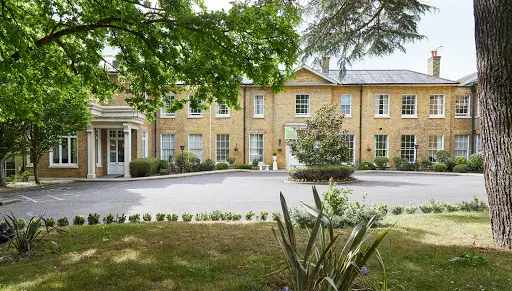
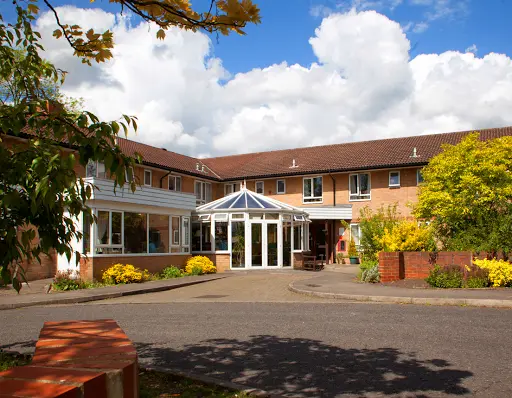
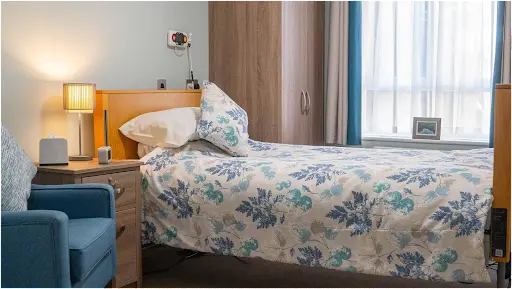
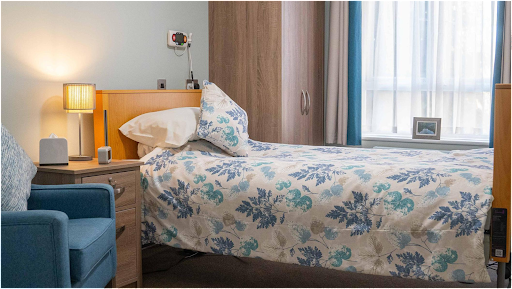
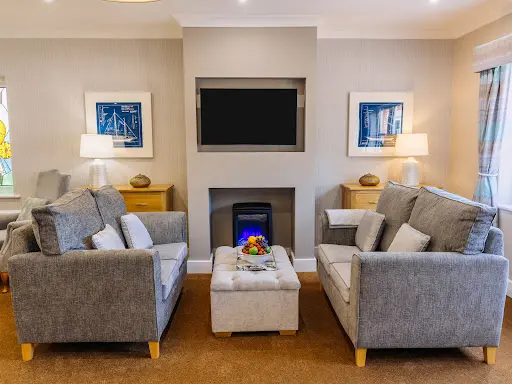
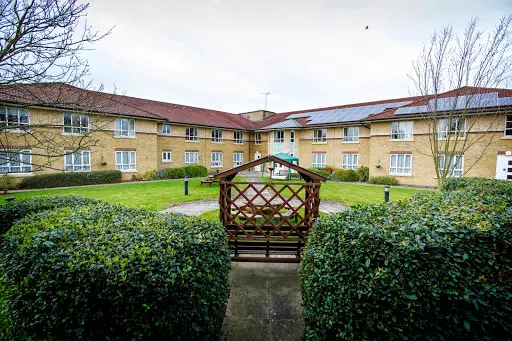
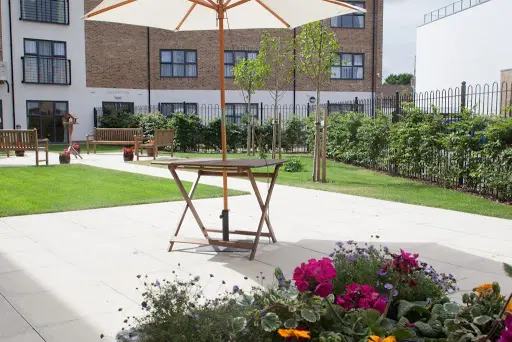
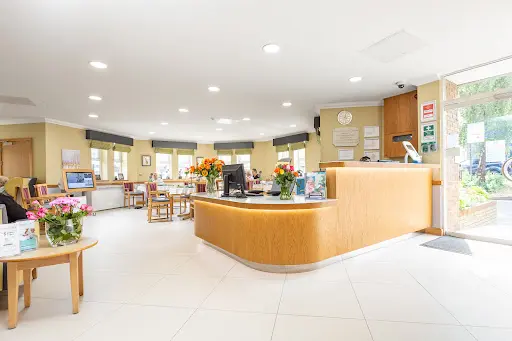
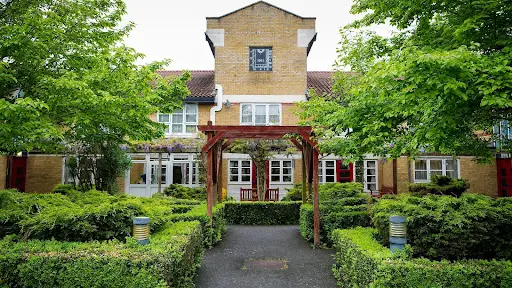
The home itself gets consistent praise for being spotless and well-maintained. While it's not huge or flashy, families appreciate that it's always clean and welcoming when they visit. There's a programme of activities that keeps people engaged throughout the day — proper activities, not just time-fillers.
“If you're drawn to the idea of a smaller home where your relative won't just be another face in the crowd, Manor Lodge could be worth exploring.”
DCC does not edit or curate content in this tab. For independently curated information, see The Evidence and DCC Verdict.