Sancroft Hall
At a Glance
The information you need to decide whether this home warrants a closer look.
Residential homes
Staff warmth score
of reviewers answered yes
Good to know
- Registered beds62
- SpecialismsCaring for adults over 65 yrs, Dementia
- Last inspected2019-04-18
Save Sancroft Hall to your shortlist
Keep a running list, add visit notes, and compare homes side-by-side. Free account — it takes a minute.
STAGE 4 — RESEARCHING CARE HOMES
Visit homes. Compare them side by side. Choose with confidence.
Most of us will view care homes the way we view houses, impression, atmosphere, the feeling in the corridor. We go home, try to remember what we saw, and make a permanent decision from a blurred memory.

The DCC shortlist gives every home you visit a structured record: the same twelve questions, answered the same way, every time. When you’re ready to choose, pull any two homes side by side and compare them directly. Same criteria, same evidence, your notes and your scores.
The Evidence
What the review data, the inspection reports, and the dementia-care evidence base tell us about this home.
What families say
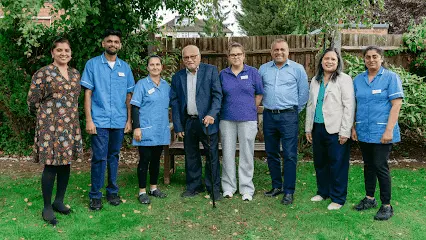
Families describe walking into a space that feels lived-in and comfortable. There's a rhythm to life here — weekly activities keep days purposeful, and cultural touches like Bhajan performances bring familiar comfort. Staff greet families warmly, taking time for those end-of-day chats that mean so much.
The eight family priority themes
- Staff warmth72
- Compassion & dignity72
- Cleanliness68
- Activities & engagement60
- Food quality60
- Healthcare65
- Management & leadership70
- Resident happiness68
What inspectors found
Inspected 2019-04-18
Is this home safe?
Is the care effective?
Effective was rated Good at the January 2022 inspection. This domain covers care planning, staff training, healthcare access, and nutrition. The published text does not describe the content of care plans, the frequency of GP visits, or what dementia training staff have completed. No specific concerns were raised.Is this home caring?
Caring was rated Good at the January 2022 inspection. This domain covers staff warmth, dignity, respect, and independence. The published report contains no specific inspector observations of staff interactions, no resident quotes, and no family testimony. A Good rating in this domain means inspectors were satisfied that standards were met, but the detail behind that judgement is not available in the published text.Is the home responsive?
Responsive was rated Good at the January 2022 inspection. This domain covers activities, individualised care, and how the home responds to residents' changing needs. The published report does not describe specific activities, name an activities coordinator, or give examples of how individual preferences are incorporated into daily life. End-of-life planning is also not mentioned in the published text.Is the home well-led?
Well-led was rated Good at the January 2022 inspection. A registered manager and a nominated individual are named in the registration records. The published inspection text does not describe the manager's tenure, staff culture, how complaints are handled, or what governance systems are in place. The rating was reviewed and confirmed as unchanged in July 2023, which is a positive signal that no concerns have emerged in the intervening period.
Source: CQC inspection report →
What the evidence base says
The home cares for people over 65, with particular experience supporting those living with dementia. Staff here demonstrate real understanding of dementia's complexities. They adapt their communication as needs change, managing challenging moments with patience rather than rushing through care tasks. All areas worth probing directly during a visit.
The DCC Verdict
Our editorial view, built from the three lenses: what families tell us, what inspectors record, and how the home sits against good dementia-care practice.
DCC Family Score
Sancroft Hall holds a Good rating across all five inspection domains, which is a solid baseline, but the published inspection text contains very limited specific detail, observations, or testimony. The score reflects the positive rating while being honest that the evidence behind it is thin.
Homes in London typically score 68–82.The three-lens summary
What families tell us
Families describe walking into a space that feels lived-in and comfortable. There's a rhythm to life here — weekly activities keep days purposeful, and cultural touches like Bhajan performances bring familiar comfort. Staff greet families warmly, taking time for those end-of-day chats that mean so much.
What inspectors have recorded
What stands out here is how accessible the management team remains. When families raise concerns or suggestions, they get proper consideration rather than polite dismissal. The staff understand dementia behaviours — they know when to step in and when to give space, reading each situation rather than following a script.
How it sits against good practice
Sometimes the best recommendation comes from families who've walked this path for years and still feel they made the right choice.
Worth a visit
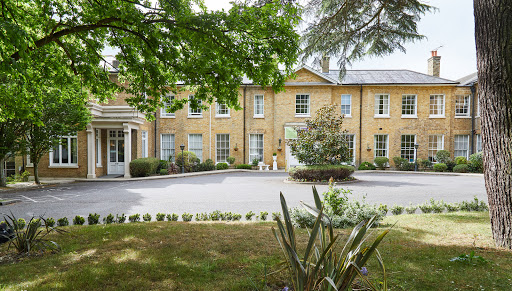
Sancroft Hall, at 28B Sancroft Road in Harrow, was rated Good across all five inspection domains at its last published inspection in January 2022. The rating was reviewed again in July 2023 and confirmed as unchanged, which means inspectors found no evidence to suggest standards had slipped since the full inspection. The home specialises in dementia care and residential care for adults over 65, with 62 beds registered. A named registered manager and nominated individual are recorded, indicating a defined leadership structure. The main caution here is that the published inspection text contains very little specific detail. There are no inspector observations, no resident or family quotes, and no specific examples of what Good looks like day to day in this home. A Good rating is a positive signal, but it tells you the minimum standards were met, not how warm the culture feels or how engaged your parent will be. When you visit, ask to see last week's actual staffing rota (counting permanent versus agency names, especially on nights), sit in a communal area for 30 minutes and watch how staff interact with residents, and ask the manager to walk you through how they support someone with advanced dementia who cannot join group activities.
The three questions to ask when you visitSave this home. Compare it against your shortlist.
Let our analysis show you how Sancroft Hall measures up against the other homes you’re considering. Free account.
In Their Own Words
How Sancroft Hall describes itself — collected from its own website. DCC has not edited or independently verified the content in this tab.
Where families find confidence through dementia's challenging journey
Dedicated residential home Support in Harrow
When dementia changes everything, families need somewhere that truly understands. Sancroft Hall in Harrow has become that place for many families, with staff who know how to communicate when words become difficult and managers who actually listen when families share their concerns. The care here feels personal, not institutional.
Who they care for
The home cares for people over 65, with particular experience supporting those living with dementia.
Staff here demonstrate real understanding of dementia's complexities. They adapt their communication as needs change, managing challenging moments with patience rather than rushing through care tasks.
“Sometimes the best recommendation comes from families who've walked this path for years and still feel they made the right choice.”
DCC does not edit or curate content in this tab. For independently curated information, see The Evidence and DCC Verdict.
The DCC Verdict
Our editorial view, built from the three lenses: what families tell us, what inspectors record, and how the home sits against good dementia-care practice.
DCC Family Score
Sancroft Hall holds a Good rating across all five inspection domains, which is a solid baseline, but the published inspection text contains very limited specific detail, observations, or testimony. The score reflects the positive rating while being honest that the evidence behind it is thin.
Homes in London typically score 68–82.The three-lens summary
What families tell us
Families describe walking into a space that feels lived-in and comfortable. There's a rhythm to life here — weekly activities keep days purposeful, and cultural touches like Bhajan performances bring familiar comfort. Staff greet families warmly, taking time for those end-of-day chats that mean so much.
What inspectors have recorded
What stands out here is how accessible the management team remains. When families raise concerns or suggestions, they get proper consideration rather than polite dismissal. The staff understand dementia behaviours — they know when to step in and when to give space, reading each situation rather than following a script.
How it sits against good practice
Sometimes the best recommendation comes from families who've walked this path for years and still feel they made the right choice.
Worth a visit
Sancroft Hall, at 28B Sancroft Road in Harrow, was rated Good across all five inspection domains at its last published inspection in January 2022. The rating was reviewed again in July 2023 and confirmed as unchanged, which means inspectors found no evidence to suggest standards had slipped since the full inspection. The home specialises in dementia care and residential care for adults over 65, with 62 beds registered. A named registered manager and nominated individual are recorded, indicating a defined leadership structure. The main caution here is that the published inspection text contains very little specific detail. There are no inspector observations, no resident or family quotes, and no specific examples of what Good looks like day to day in this home. A Good rating is a positive signal, but it tells you the minimum standards were met, not how warm the culture feels or how engaged your parent will be. When you visit, ask to see last week's actual staffing rota (counting permanent versus agency names, especially on nights), sit in a communal area for 30 minutes and watch how staff interact with residents, and ask the manager to walk you through how they support someone with advanced dementia who cannot join group activities.
The three questions to ask when you visitSave this home. Compare it against your shortlist.
Let our analysis show you how Sancroft Hall measures up against the other homes you’re considering. Free account.
In Their Own Words
How Sancroft Hall describes itself — collected from its own website. DCC has not edited or independently verified the content in this tab.
Where families find confidence through dementia's challenging journey
Dedicated residential home Support in Harrow
When dementia changes everything, families need somewhere that truly understands. Sancroft Hall in Harrow has become that place for many families, with staff who know how to communicate when words become difficult and managers who actually listen when families share their concerns. The care here feels personal, not institutional.
Who they care for
The home cares for people over 65, with particular experience supporting those living with dementia.
Staff here demonstrate real understanding of dementia's complexities. They adapt their communication as needs change, managing challenging moments with patience rather than rushing through care tasks.
Management & ethos
What stands out here is how accessible the management team remains. When families raise concerns or suggestions, they get proper consideration rather than polite dismissal. The staff understand dementia behaviours — they know when to step in and when to give space, reading each situation rather than following a script.
The home & environment
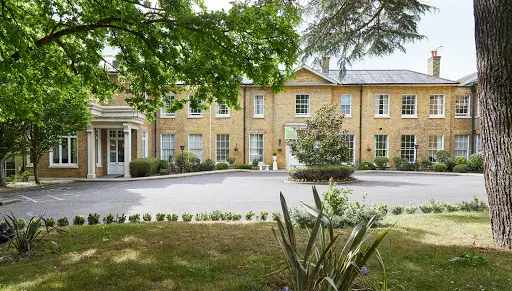
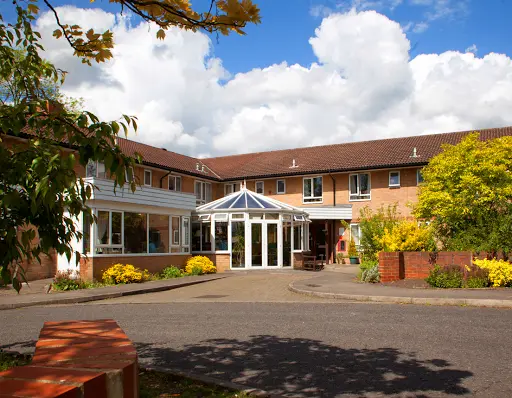
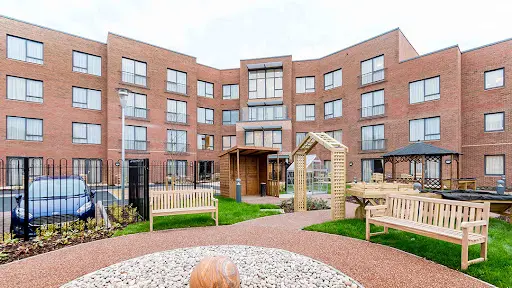
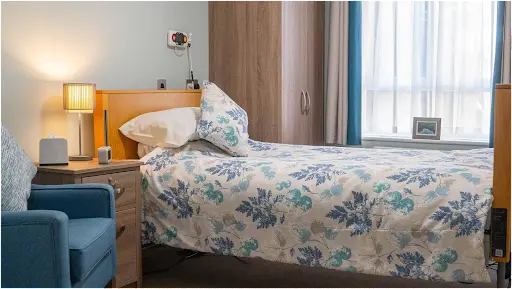
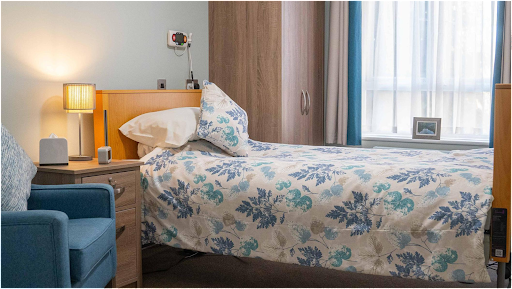
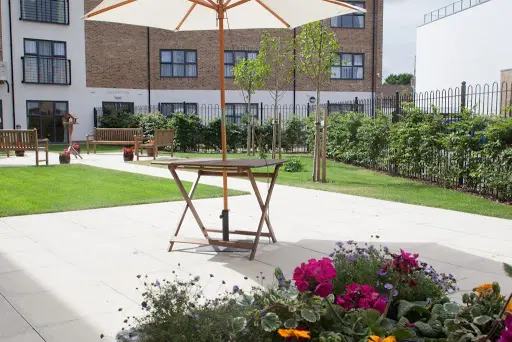
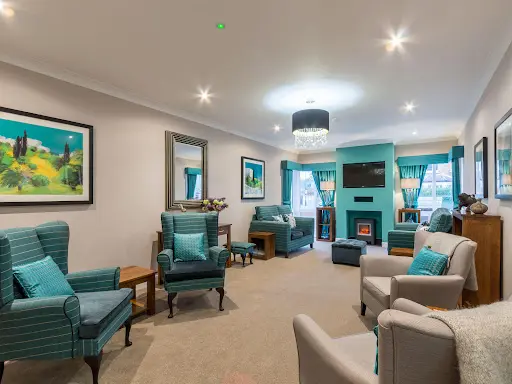
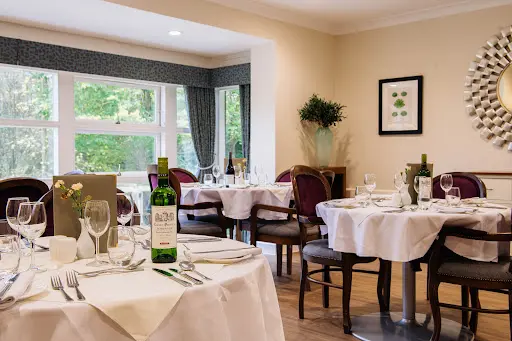
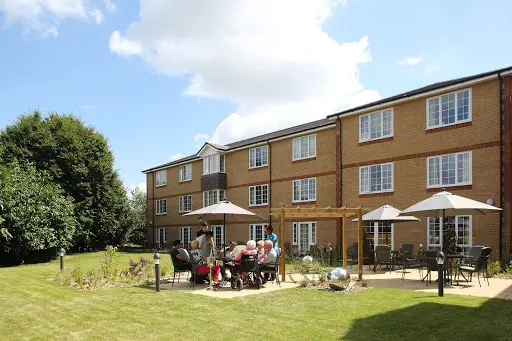
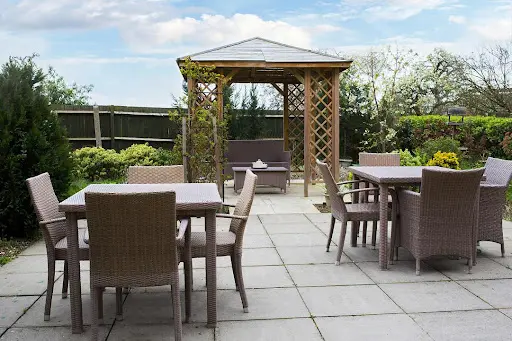
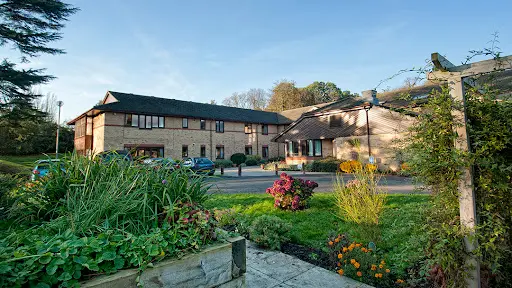
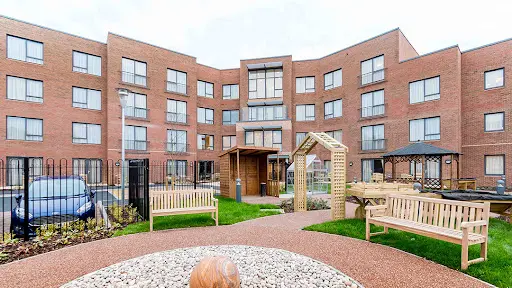
The home keeps things clean and well-maintained without feeling clinical. There's a working garden where residents can spend time outdoors, and the dining experience gets consistent praise — good food with proper variety, not the same rotation every week. The spaces work well for daily life.
“Sometimes the best recommendation comes from families who've walked this path for years and still feel they made the right choice.”
DCC does not edit or curate content in this tab. For independently curated information, see The Evidence and DCC Verdict.