Barchester – Lucerne House Care Home
At a Glance
The information you need to decide whether this home warrants a closer look.
Nursing homes
Staff warmth score
of reviewers answered yes
Good to know
- Registered beds74
- SpecialismsCaring for adults over 65 yrs, Caring for adults under 65 yrs, Dementia, Mental health conditions, Physical disabilities
- Last inspected2019-10-31
Save Barchester – Lucerne House Care Home to your shortlist
Keep a running list, add visit notes, and compare homes side-by-side. Free account — it takes a minute.
STAGE 4 — RESEARCHING CARE HOMES
Visit homes. Compare them side by side. Choose with confidence.
Most of us will view care homes the way we view houses, impression, atmosphere, the feeling in the corridor. We go home, try to remember what we saw, and make a permanent decision from a blurred memory.

The DCC shortlist gives every home you visit a structured record: the same twelve questions, answered the same way, every time. When you’re ready to choose, pull any two homes side by side and compare them directly. Same criteria, same evidence, your notes and your scores.
The Evidence
What the review data, the inspection reports, and the dementia-care evidence base tell us about this home.
What families say
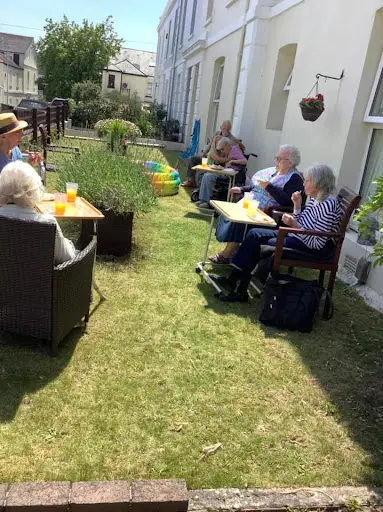
People visiting Lucerne House frequently mention how welcoming and personable the staff are. Residents seem to enjoy the variety of daily activities, from crafts and music sessions to regular outings. The dedicated activity team works to keep everyone engaged throughout the day.
The eight family priority themes
- Staff warmth85
- Compassion & dignity88
- Cleanliness75
- Activities & engagement82
- Food quality72
- Healthcare85
- Management & leadership90
- Resident happiness80
What inspectors found
Inspected 2019-10-31
Is this home safe?
Is the care effective?
The effective domain was rated Outstanding at the September 2019 inspection. This is the domain that covers whether your parent's care is based on best practice, whether staff have the right training, whether healthcare needs are well managed, and whether food meets individual needs. An Outstanding rating in this domain requires inspectors to find specific, evidenced examples of excellent practice rather than general compliance. The detail behind these findings is not reproduced in the available report text.Is this home caring?
Caring was rated Outstanding at the September 2019 inspection, the highest possible rating. This domain covers whether staff treat your parent with genuine warmth, whether dignity and privacy are respected in everyday moments, and whether your parent's independence is supported rather than replaced. An Outstanding rating here requires specific, observed evidence of these qualities. The detail behind these findings is not reproduced in the available report text, but the rating itself is a strong positive signal.Is the home responsive?
Responsive was rated Outstanding at the September 2019 inspection. This domain covers whether your parent will have a life here, including meaningful activities, support for individual preferences, and appropriate care at the end of life. An Outstanding rating requires inspectors to find that the home moves beyond generic group activities to provide genuinely tailored engagement. Specific programme details and examples are not reproduced in the available report text.Is the home well-led?
Well-led was rated Outstanding at the September 2019 inspection. The home is run by Barchester Healthcare Homes Limited, with Mrs Sally Coletti as the registered manager and Mr Dominic Jude Kay as the nominated individual. An Outstanding well-led rating requires inspectors to find a visible, stable leadership culture where staff are supported, governance is robust, and the home consistently learns from incidents and feedback. The inspection took place in September 2019, and management stability since that date is not confirmed in the available text.
Source: CQC inspection report →
What the evidence base says
The home cares for adults both under and over 65, supporting people with dementia, mental health conditions and physical disabilities. They've helped some residents regain independence after hospital stays through rehabilitation support. Lucerne House has experience supporting people living with dementia alongside other conditions. The activity programme includes suitable options for residents at different stages of their dementia journey. All areas worth probing directly during a visit.
The DCC Verdict
Our editorial view, built from the three lenses: what families tell us, what inspectors record, and how the home sits against good dementia-care practice.
DCC Family Score
Lucerne House scored 82 out of 100, reflecting an Outstanding overall rating across caring, responsiveness, effectiveness, and leadership, with a Good rating for safety. The score is held back slightly because the published inspection report contains limited specific detail on day-to-day observations, which prevents higher confidence scores in several themes.
Homes in South West typically score 68–82.The three-lens summary
What families tell us
People visiting Lucerne House frequently mention how welcoming and personable the staff are. Residents seem to enjoy the variety of daily activities, from crafts and music sessions to regular outings. The dedicated activity team works to keep everyone engaged throughout the day.
What inspectors have recorded
How it sits against good practice
If you're considering Lucerne House for someone you care about, visiting in person will give you the best sense of whether it feels right for your family.
Worth a visit
Lucerne House on Chudleigh Road in Exeter was rated Outstanding at its most recent inspection in September 2019, having previously been rated Good. That improvement across four of five domains, caring, effective, responsive, and well-led, is a meaningful signal. A home that demonstrates genuine improvement rather than a static record is worth serious consideration, and an Outstanding caring rating in particular reflects what families most value: staff who are genuinely kind, unhurried, and respectful toward your parent. The main uncertainty here is age. This inspection was carried out in 2019, and a great deal can change in a care home over several years, including management stability, staffing levels, and day-to-day culture. The published report extract also contains limited specific detail, so it is not possible to confirm exactly what inspectors observed. Before deciding, visit in person and ask to see last week's actual staffing rota, ask about agency use on night shifts, and ask how often care plans are reviewed with family members involved. A home with Outstanding ratings has earned a closer look, but your visit will tell you things no inspection report can.
The three questions to ask when you visitSave this home. Compare it against your shortlist.
Let our analysis show you how Barchester – Lucerne House Care Home measures up against the other homes you’re considering. Free account.
In Their Own Words
How Barchester – Lucerne House Care Home describes itself — collected from its own website. DCC has not edited or independently verified the content in this tab.
Friendly staff and varied activities in established Exeter care home
Lucerne House – Expert Care in Exeter
Lucerne House in Exeter has been caring for residents for many years, with several people choosing to stay for nearly a decade. The home supports adults of all ages with various needs, including dementia, mental health conditions and physical disabilities. Visitors often comment on the warm welcome they receive from staff and the range of activities on offer.
Who they care for
The home cares for adults both under and over 65, supporting people with dementia, mental health conditions and physical disabilities. They've helped some residents regain independence after hospital stays through rehabilitation support.
Lucerne House has experience supporting people living with dementia alongside other conditions. The activity programme includes suitable options for residents at different stages of their dementia journey.
“If you're considering Lucerne House for someone you care about, visiting in person will give you the best sense of whether it feels right for your family.”
DCC does not edit or curate content in this tab. For independently curated information, see The Evidence and DCC Verdict.
The DCC Verdict
Our editorial view, built from the three lenses: what families tell us, what inspectors record, and how the home sits against good dementia-care practice.
DCC Family Score
Lucerne House scored 82 out of 100, reflecting an Outstanding overall rating across caring, responsiveness, effectiveness, and leadership, with a Good rating for safety. The score is held back slightly because the published inspection report contains limited specific detail on day-to-day observations, which prevents higher confidence scores in several themes.
Homes in South West typically score 68–82.The three-lens summary
What families tell us
People visiting Lucerne House frequently mention how welcoming and personable the staff are. Residents seem to enjoy the variety of daily activities, from crafts and music sessions to regular outings. The dedicated activity team works to keep everyone engaged throughout the day.
What inspectors have recorded
How it sits against good practice
If you're considering Lucerne House for someone you care about, visiting in person will give you the best sense of whether it feels right for your family.
Worth a visit
Lucerne House on Chudleigh Road in Exeter was rated Outstanding at its most recent inspection in September 2019, having previously been rated Good. That improvement across four of five domains, caring, effective, responsive, and well-led, is a meaningful signal. A home that demonstrates genuine improvement rather than a static record is worth serious consideration, and an Outstanding caring rating in particular reflects what families most value: staff who are genuinely kind, unhurried, and respectful toward your parent. The main uncertainty here is age. This inspection was carried out in 2019, and a great deal can change in a care home over several years, including management stability, staffing levels, and day-to-day culture. The published report extract also contains limited specific detail, so it is not possible to confirm exactly what inspectors observed. Before deciding, visit in person and ask to see last week's actual staffing rota, ask about agency use on night shifts, and ask how often care plans are reviewed with family members involved. A home with Outstanding ratings has earned a closer look, but your visit will tell you things no inspection report can.
The three questions to ask when you visitSave this home. Compare it against your shortlist.
Let our analysis show you how Barchester – Lucerne House Care Home measures up against the other homes you’re considering. Free account.
In Their Own Words
How Barchester – Lucerne House Care Home describes itself — collected from its own website. DCC has not edited or independently verified the content in this tab.
Friendly staff and varied activities in established Exeter care home
Lucerne House – Expert Care in Exeter
Lucerne House in Exeter has been caring for residents for many years, with several people choosing to stay for nearly a decade. The home supports adults of all ages with various needs, including dementia, mental health conditions and physical disabilities. Visitors often comment on the warm welcome they receive from staff and the range of activities on offer.
Who they care for
The home cares for adults both under and over 65, supporting people with dementia, mental health conditions and physical disabilities. They've helped some residents regain independence after hospital stays through rehabilitation support.
Lucerne House has experience supporting people living with dementia alongside other conditions. The activity programme includes suitable options for residents at different stages of their dementia journey.
The home & environment
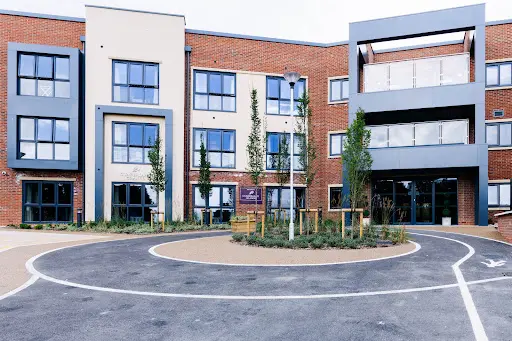
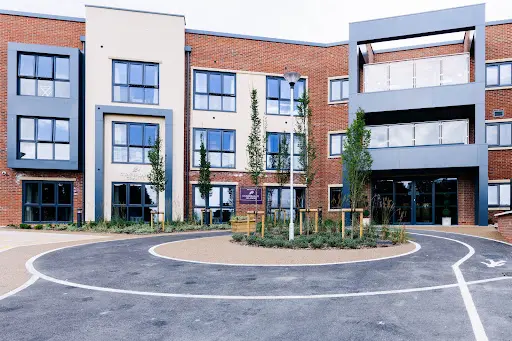
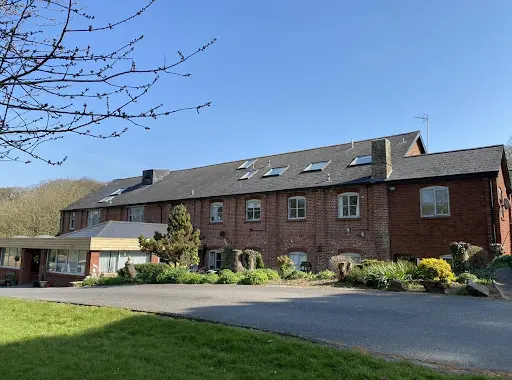
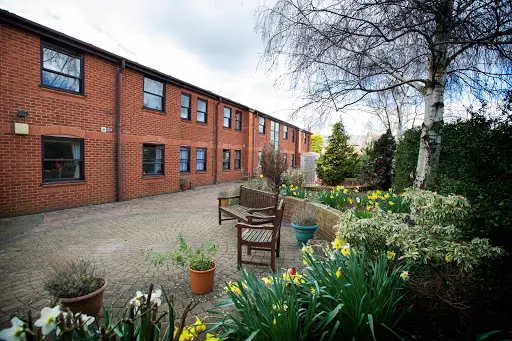
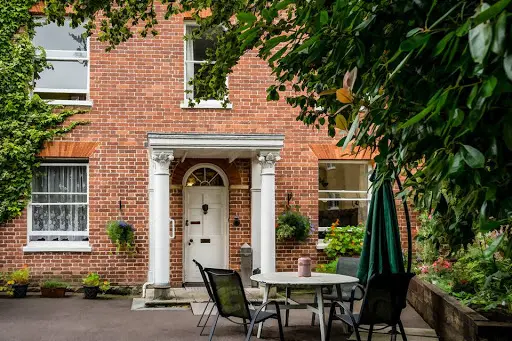
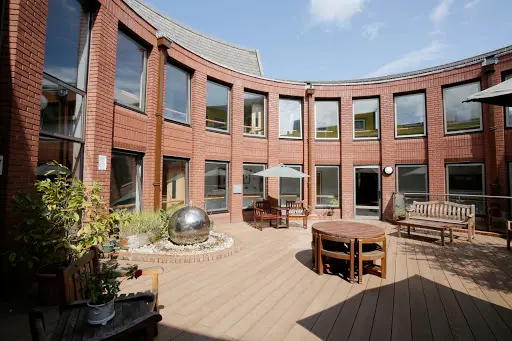
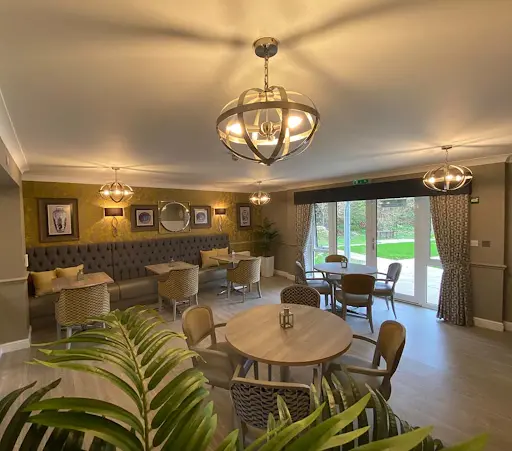
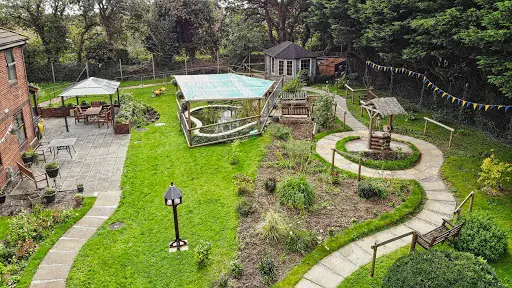
The home has been recently renovated and visitors describe it as clean and well-maintained. There are accessible gardens and outdoor spaces where residents can spend time when the weather allows. The physical environment seems bright and comfortable for those who live there.
“If you're considering Lucerne House for someone you care about, visiting in person will give you the best sense of whether it feels right for your family.”
DCC does not edit or curate content in this tab. For independently curated information, see The Evidence and DCC Verdict.