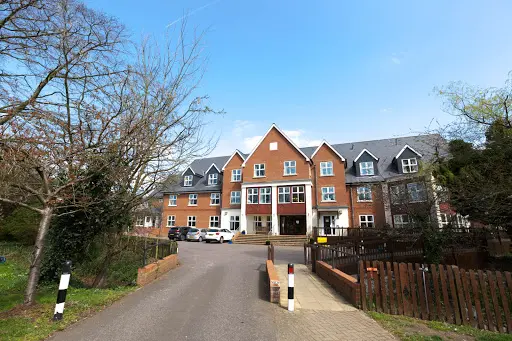
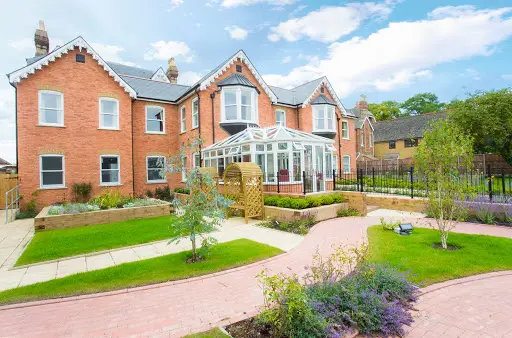
Ryeview Manor Care Home in High Wycombe
At a Glance
The information you need to decide whether this home warrants a closer look.
Residential homes
Staff warmth score
of reviewers answered yes
Good to know
- Registered beds94
- SpecialismsCaring for adults over 65 yrs, Caring for adults under 65 yrs, Dementia
- Last inspected2020-03-14
Save Ryeview Manor Care Home in High Wycombe to your shortlist
Keep a running list, add visit notes, and compare homes side-by-side. Free account — it takes a minute.
STAGE 4 — RESEARCHING CARE HOMES
Visit homes. Compare them side by side. Choose with confidence.
Most of us will view care homes the way we view houses, impression, atmosphere, the feeling in the corridor. We go home, try to remember what we saw, and make a permanent decision from a blurred memory.

The DCC shortlist gives every home you visit a structured record: the same twelve questions, answered the same way, every time. When you’re ready to choose, pull any two homes side by side and compare them directly. Same criteria, same evidence, your notes and your scores.
The Evidence
What the review data, the inspection reports, and the dementia-care evidence base tell us about this home.
What families say
Families describe finding their relatives looking well cared for and engaged when they visit. One person shared how their parent, who has dementia, started joining in with activities again after moving in. There's a sense that residents feel safe here, with staff who take time to be patient during recovery periods.
The eight family priority themes
- Staff warmth72
- Compassion & dignity72
- Cleanliness70
- Activities & engagement65
- Food quality65
- Healthcare68
- Management & leadership75
- Resident happiness70
What inspectors found
Inspected 2020-03-14
Is this home safe?
Is the care effective?
The inspection rated this domain Good. This covers how well staff understand individual care needs, including dementia-specific training, the quality and review frequency of care plans, access to GPs and other healthcare professionals, and whether food is nutritious and meets individual dietary needs. The published report does not include specific observations on any of these areas. The improvement from Requires Improvement to Good suggests that gaps identified previously were addressed.Is this home caring?
The inspection rated this domain Good. This covers how staff treat residents day to day: whether they are warm and unhurried, whether they address people by their preferred names, whether privacy and dignity are maintained, and whether residents are encouraged to remain as independent as possible. The published report does not include direct inspector observations of staff interactions, resident quotes, or specific examples of how dignity is maintained in practice.Is the home responsive?
The inspection rated this domain Good. This covers whether the home provides meaningful activities tailored to individuals, whether residents' personal histories and preferences are reflected in their daily lives, and whether end-of-life care is planned and person-centred. The published report does not include specific examples of activities offered, one-to-one engagement for residents who cannot join groups, or how activity programmes are adapted for people at different stages of dementia.Is the home well-led?
The inspection rated this domain Good, and this is the domain where the improvement from Requires Improvement is most significant: poor leadership is usually the root cause of problems in other domains, so a Good rating here suggests that underlying governance and culture have improved. The registered manager at the time of the report was Miss Gemma Fiona Carter, with Mrs Rachel Ann Rodgers listed as nominated individual. The published report does not include specific detail on how the manager is visible to residents and staff, how incidents are reviewed, or how the home responds to complaints.
Source: CQC inspection report →
What the evidence base says
Ryeview Manor provides care for adults of all ages, including younger people under 65 who need support. The home has experience caring for people with dementia. For residents with dementia, the approach seems to be about gentle, patient care that helps people stay connected. One resident mentioned how staff help them feel part of things, encouraging them to join activities at their own pace. All areas worth probing directly during a visit.
The DCC Verdict
Our editorial view, built from the three lenses: what families tell us, what inspectors record, and how the home sits against good dementia-care practice.
DCC Family Score
Ryeview Manor Care Home improved from Requires Improvement to Good across all five domains at its last inspection in February 2020. Every theme score sits in the 65-75 range, reflecting the fact that the published report provides ratings but very limited specific detail, meaning scores are based on the overall judgements rather than direct inspector observations or resident testimony.
Homes in South East typically score 68–82.The three-lens summary
What families tell us
Families describe finding their relatives looking well cared for and engaged when they visit. One person shared how their parent, who has dementia, started joining in with activities again after moving in. There's a sense that residents feel safe here, with staff who take time to be patient during recovery periods.
What inspectors have recorded
What stands out is how responsive the team seems to be. Families report that when they call or ask questions, they get proper answers quickly. Staff appear to notice when residents need extra support, whether that's help with eating after hospital or just patience on difficult days.
How it sits against good practice
If you're looking for somewhere in High Wycombe where communication matters as much as care, it might be worth getting in touch.
Worth a visit
Ryeview Manor Care Home, on Keep Hill Road in High Wycombe, was rated Good across all five inspection domains at its last inspection in February 2020, published in March 2020. This is a meaningful improvement: the home had previously been rated Requires Improvement, and achieving Good across every domain in a single inspection cycle is a positive sign that leadership responded to earlier concerns. The home provides care for up to 94 residents, including people living with dementia, and adults both over and under 65. The main uncertainty here is age. The inspection findings are from February 2020, more than five years ago, and a desktop review in July 2023 found no reason to change the rating but did not involve a physical visit. A lot can change in five years: staffing teams turn over, managers move on, and occupancy levels shift. Before making a decision, visit in person, ask to speak with the registered manager, and check whether the same leadership team is still in place. The questions in this report will help you focus your visit on what matters most for your parent.
The three questions to ask when you visitSave this home. Compare it against your shortlist.
Let our analysis show you how Ryeview Manor Care Home in High Wycombe measures up against the other homes you’re considering. Free account.
In Their Own Words
How Ryeview Manor Care Home in High Wycombe describes itself — collected from its own website. DCC has not edited or independently verified the content in this tab.
Staff who really listen when families need reassurance
Ryeview Manor Care Home – Expert Care in High Wycombe
When someone you love needs care, you want to know they'll be heard and responded to quickly. That's what families are finding at Ryeview Manor Care Home in High Wycombe, where staff seem to understand that small moments of attention make all the difference. The home cares for adults both under and over 65, including those living with dementia.
Who they care for
Ryeview Manor provides care for adults of all ages, including younger people under 65 who need support. The home has experience caring for people with dementia.
For residents with dementia, the approach seems to be about gentle, patient care that helps people stay connected. One resident mentioned how staff help them feel part of things, encouraging them to join activities at their own pace.
“If you're looking for somewhere in High Wycombe where communication matters as much as care, it might be worth getting in touch.”
DCC does not edit or curate content in this tab. For independently curated information, see The Evidence and DCC Verdict.
The DCC Verdict
Our editorial view, built from the three lenses: what families tell us, what inspectors record, and how the home sits against good dementia-care practice.
DCC Family Score
Ryeview Manor Care Home improved from Requires Improvement to Good across all five domains at its last inspection in February 2020. Every theme score sits in the 65-75 range, reflecting the fact that the published report provides ratings but very limited specific detail, meaning scores are based on the overall judgements rather than direct inspector observations or resident testimony.
Homes in South East typically score 68–82.The three-lens summary
What families tell us
Families describe finding their relatives looking well cared for and engaged when they visit. One person shared how their parent, who has dementia, started joining in with activities again after moving in. There's a sense that residents feel safe here, with staff who take time to be patient during recovery periods.
What inspectors have recorded
What stands out is how responsive the team seems to be. Families report that when they call or ask questions, they get proper answers quickly. Staff appear to notice when residents need extra support, whether that's help with eating after hospital or just patience on difficult days.
How it sits against good practice
If you're looking for somewhere in High Wycombe where communication matters as much as care, it might be worth getting in touch.
Worth a visit
Ryeview Manor Care Home, on Keep Hill Road in High Wycombe, was rated Good across all five inspection domains at its last inspection in February 2020, published in March 2020. This is a meaningful improvement: the home had previously been rated Requires Improvement, and achieving Good across every domain in a single inspection cycle is a positive sign that leadership responded to earlier concerns. The home provides care for up to 94 residents, including people living with dementia, and adults both over and under 65. The main uncertainty here is age. The inspection findings are from February 2020, more than five years ago, and a desktop review in July 2023 found no reason to change the rating but did not involve a physical visit. A lot can change in five years: staffing teams turn over, managers move on, and occupancy levels shift. Before making a decision, visit in person, ask to speak with the registered manager, and check whether the same leadership team is still in place. The questions in this report will help you focus your visit on what matters most for your parent.
The three questions to ask when you visitSave this home. Compare it against your shortlist.
Let our analysis show you how Ryeview Manor Care Home in High Wycombe measures up against the other homes you’re considering. Free account.
In Their Own Words
How Ryeview Manor Care Home in High Wycombe describes itself — collected from its own website. DCC has not edited or independently verified the content in this tab.
Staff who really listen when families need reassurance
Ryeview Manor Care Home – Expert Care in High Wycombe
When someone you love needs care, you want to know they'll be heard and responded to quickly. That's what families are finding at Ryeview Manor Care Home in High Wycombe, where staff seem to understand that small moments of attention make all the difference. The home cares for adults both under and over 65, including those living with dementia.
Who they care for
Ryeview Manor provides care for adults of all ages, including younger people under 65 who need support. The home has experience caring for people with dementia.
For residents with dementia, the approach seems to be about gentle, patient care that helps people stay connected. One resident mentioned how staff help them feel part of things, encouraging them to join activities at their own pace.
Management & ethos
What stands out is how responsive the team seems to be. Families report that when they call or ask questions, they get proper answers quickly. Staff appear to notice when residents need extra support, whether that's help with eating after hospital or just patience on difficult days.
The home & environment
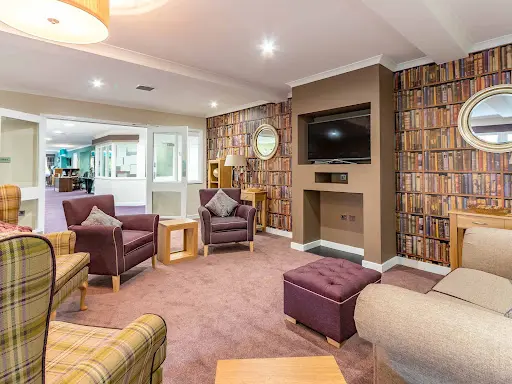
The home is kept spotlessly clean, something noticed by both families and healthcare professionals who visit. People mention how well-organised everything feels, from the communal areas to individual rooms.
“If you're looking for somewhere in High Wycombe where communication matters as much as care, it might be worth getting in touch.”
DCC does not edit or curate content in this tab. For independently curated information, see The Evidence and DCC Verdict.