Muriel Street Care Home – Care UK

At a Glance
The information you need to decide whether this home warrants a closer look.
Nursing homes
Staff warmth score
of reviewers answered yes
Good to know
- Registered beds63
- SpecialismsCaring for adults over 65 yrs, Dementia, Learning disabilities, Mental health conditions, Physical disabilities
- Last inspected2021-04-28
Save Muriel Street Care Home – Care UK to your shortlist
Keep a running list, add visit notes, and compare homes side-by-side. Free account — it takes a minute.
STAGE 4 — RESEARCHING CARE HOMES
Visit homes. Compare them side by side. Choose with confidence.
Most of us will view care homes the way we view houses, impression, atmosphere, the feeling in the corridor. We go home, try to remember what we saw, and make a permanent decision from a blurred memory.

The DCC shortlist gives every home you visit a structured record: the same twelve questions, answered the same way, every time. When you’re ready to choose, pull any two homes side by side and compare them directly. Same criteria, same evidence, your notes and your scores.
The Evidence
What the review data, the inspection reports, and the dementia-care evidence base tell us about this home.
What families say
Families talk about staff being friendly and approachable when they visit or call. There's an activity programme that encourages people to join in with entertainment and communal events, with salon services available too. Some relatives have noticed their loved ones settling in well after an initial adjustment period.
The eight family priority themes
- Staff warmth55
- Compassion & dignity55
- Cleanliness55
- Activities & engagement50
- Food quality50
- Healthcare55
- Management & leadership60
- Resident happiness55
What inspectors found
Inspected 2021-04-28
Is this home safe?
Is the care effective?
The home was rated Good for effectiveness at the April 2022 inspection. The published text does not include specific detail about care plan quality, GP access, dementia training content, or food provision. The home is registered to support people with dementia, learning disabilities, mental health conditions, and physical disabilities, which implies a need for broad and specific staff training. No training records, care plan examples, or mealtime observations are referenced in the available report text.Is this home caring?
The home was rated Good for caring at the April 2022 inspection. The published inspection text does not include direct observations of staff interactions, quotes from residents or relatives about kindness or dignity, or specific examples of person-centred practice. No detail is available about how staff use preferred names, respond to distress, or support independence in personal care routines.Is the home responsive?
The home was rated Good for responsiveness at the April 2022 inspection. The published text does not include specific information about the activities programme, one-to-one engagement, how the home supports people with advanced dementia to stay engaged, or end-of-life care planning. The home's registration covers people with dementia and other complex needs, which makes meaningful, tailored activity provision especially important.Is the home well-led?
The home was rated Good for being well-led at the April 2022 inspection. This is an improvement from the previous Requires Improvement rating and suggests the management team made meaningful changes during the period between inspections. The nominated individual is named as Ms Rachel Louise Harvey. The published inspection text does not include detail about manager tenure, staff culture, governance systems, or how the home responds to complaints. The home is operated by Care UK Community Partnerships Ltd, a large national provider.
Source: CQC inspection report →
What the evidence base says
The centre cares for people over 65 with a range of needs including dementia, learning disabilities, mental health conditions and physical disabilities. For residents with dementia, the structured activity programme and consistent daily routines help provide stability. Staff understand the importance of maintaining connections with family through regular contact and updates. All areas worth probing directly during a visit.
The DCC Verdict
Our editorial view, built from the three lenses: what families tell us, what inspectors record, and how the home sits against good dementia-care practice.
DCC Family Score
The home improved from Requires Improvement to Good across all five inspection domains, which is a meaningful step forward. However, the published inspection text provides very limited specific detail, so most scores reflect a positive but unverified baseline rather than strong confirming evidence.
Homes in London typically score 68–82.The three-lens summary
What families tell us
Families talk about staff being friendly and approachable when they visit or call. There's an activity programme that encourages people to join in with entertainment and communal events, with salon services available too. Some relatives have noticed their loved ones settling in well after an initial adjustment period.
What inspectors have recorded
Staff help coordinate medical appointments and will accompany residents to visits when needed. Families say they find it easy to get in touch and receive updates about their relatives. The team works to support individual needs across different health conditions.
How it sits against good practice
If you'd like to understand more about how Muriel Street supports people with complex care needs, arranging a visit can help you see their approach firsthand.
Worth a visit
Muriel Street Resource Centre, run by Care UK Community Partnerships Ltd at 37 Muriel Street in Islington, was rated Good across all five inspection domains at its most recent inspection in April 2022. This is a meaningful improvement from its previous Requires Improvement rating, and it covers safety, effectiveness, caring, responsiveness, and leadership. The home cares for 63 people and is registered for a wide range of needs including dementia, learning disabilities, and mental health conditions. The main limitation of this report is that the published inspection text contains very little specific detail about what inspectors actually observed, heard from residents, or found in records. That makes it difficult to give you a confident picture of what day-to-day life is like for your parent. Before making a decision, visit at a mealtime if you can, ask to see last week's actual staffing rota including night shifts, and find out how the home handled a recent incident such as a fall. The checklist below sets out exactly what to ask.
The three questions to ask when you visitSave this home. Compare it against your shortlist.
Let our analysis show you how Muriel Street Care Home – Care UK measures up against the other homes you’re considering. Free account.
In Their Own Words
How Muriel Street Care Home – Care UK describes itself — collected from its own website. DCC has not edited or independently verified the content in this tab.
A London centre where activities and medical support take centre stage
Dedicated nursing home Support in London
When you're looking for specialist care in London, it helps to find somewhere that understands the importance of keeping days full and health needs met. Muriel Street Resource Centre provides support for people with dementia, learning disabilities, mental health conditions and physical disabilities. The centre focuses on structured activities and coordinating medical care, with staff who families describe as approachable and responsive to questions.
Who they care for
The centre cares for people over 65 with a range of needs including dementia, learning disabilities, mental health conditions and physical disabilities.
For residents with dementia, the structured activity programme and consistent daily routines help provide stability. Staff understand the importance of maintaining connections with family through regular contact and updates.
“If you'd like to understand more about how Muriel Street supports people with complex care needs, arranging a visit can help you see their approach firsthand.”
DCC does not edit or curate content in this tab. For independently curated information, see The Evidence and DCC Verdict.
The DCC Verdict
Our editorial view, built from the three lenses: what families tell us, what inspectors record, and how the home sits against good dementia-care practice.
DCC Family Score
The home improved from Requires Improvement to Good across all five inspection domains, which is a meaningful step forward. However, the published inspection text provides very limited specific detail, so most scores reflect a positive but unverified baseline rather than strong confirming evidence.
Homes in London typically score 68–82.The three-lens summary
What families tell us
Families talk about staff being friendly and approachable when they visit or call. There's an activity programme that encourages people to join in with entertainment and communal events, with salon services available too. Some relatives have noticed their loved ones settling in well after an initial adjustment period.
What inspectors have recorded
Staff help coordinate medical appointments and will accompany residents to visits when needed. Families say they find it easy to get in touch and receive updates about their relatives. The team works to support individual needs across different health conditions.
How it sits against good practice
If you'd like to understand more about how Muriel Street supports people with complex care needs, arranging a visit can help you see their approach firsthand.
Worth a visit
Muriel Street Resource Centre, run by Care UK Community Partnerships Ltd at 37 Muriel Street in Islington, was rated Good across all five inspection domains at its most recent inspection in April 2022. This is a meaningful improvement from its previous Requires Improvement rating, and it covers safety, effectiveness, caring, responsiveness, and leadership. The home cares for 63 people and is registered for a wide range of needs including dementia, learning disabilities, and mental health conditions. The main limitation of this report is that the published inspection text contains very little specific detail about what inspectors actually observed, heard from residents, or found in records. That makes it difficult to give you a confident picture of what day-to-day life is like for your parent. Before making a decision, visit at a mealtime if you can, ask to see last week's actual staffing rota including night shifts, and find out how the home handled a recent incident such as a fall. The checklist below sets out exactly what to ask.
The three questions to ask when you visitSave this home. Compare it against your shortlist.
Let our analysis show you how Muriel Street Care Home – Care UK measures up against the other homes you’re considering. Free account.
In Their Own Words
How Muriel Street Care Home – Care UK describes itself — collected from its own website. DCC has not edited or independently verified the content in this tab.
A London centre where activities and medical support take centre stage
Dedicated nursing home Support in London
When you're looking for specialist care in London, it helps to find somewhere that understands the importance of keeping days full and health needs met. Muriel Street Resource Centre provides support for people with dementia, learning disabilities, mental health conditions and physical disabilities. The centre focuses on structured activities and coordinating medical care, with staff who families describe as approachable and responsive to questions.
Who they care for
The centre cares for people over 65 with a range of needs including dementia, learning disabilities, mental health conditions and physical disabilities.
For residents with dementia, the structured activity programme and consistent daily routines help provide stability. Staff understand the importance of maintaining connections with family through regular contact and updates.
Management & ethos
Staff help coordinate medical appointments and will accompany residents to visits when needed. Families say they find it easy to get in touch and receive updates about their relatives. The team works to support individual needs across different health conditions.
The home & environment
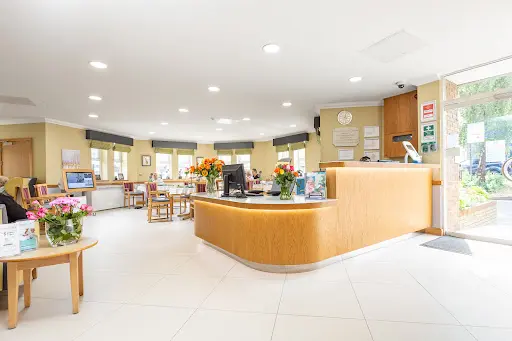
The centre serves three meals a day — breakfast, lunch and dinner — with regular drinks and snacks between meals. The building is kept clean and there's a safe outdoor space for residents to enjoy. People can bring personal items to make their rooms feel more comfortable.
“If you'd like to understand more about how Muriel Street supports people with complex care needs, arranging a visit can help you see their approach firsthand.”
DCC does not edit or curate content in this tab. For independently curated information, see The Evidence and DCC Verdict.