Lound Hall Care Home
At a Glance
The information you need to decide whether this home warrants a closer look.
Residential homes
Staff warmth score
of reviewers answered yes
Good to know
- Registered beds30
- SpecialismsCaring for adults over 65 yrs, Dementia, Mental health conditions, Physical disabilities
- Last inspected2023-06-16
Save Lound Hall Care Home to your shortlist
Keep a running list, add visit notes, and compare homes side-by-side. Free account — it takes a minute.
STAGE 4 — RESEARCHING CARE HOMES
Visit homes. Compare them side by side. Choose with confidence.
Most of us will view care homes the way we view houses, impression, atmosphere, the feeling in the corridor. We go home, try to remember what we saw, and make a permanent decision from a blurred memory.

The DCC shortlist gives every home you visit a structured record: the same twelve questions, answered the same way, every time. When you’re ready to choose, pull any two homes side by side and compare them directly. Same criteria, same evidence, your notes and your scores.
The Evidence
What the review data, the inspection reports, and the dementia-care evidence base tell us about this home.
What families say
What strikes families is how carers remember the small things — favourite songs, old habits, the way someone liked their tea before illness changed everything. There's structured entertainment to keep days interesting, plus regular visits from hairdressers and nail technicians that help residents feel cared for in ways that matter.
The eight family priority themes
- Staff warmth72
- Compassion & dignity72
- Cleanliness70
- Activities & engagement60
- Food quality60
- Healthcare68
- Management & leadership72
- Resident happiness68
What inspectors found
Inspected 2023-06-16
Is this home safe?
Is the care effective?
The inspection rated this domain Good. The published report does not include specific detail about care plan quality, dementia training, GP access, or food provision. The home supports people with dementia, mental health conditions, and physical disabilities, which requires tailored, evidence-informed care approaches, but the published text does not describe how these needs are met in practice.Is this home caring?
The inspection rated this domain Good. The published text does not include inspector observations of staff interactions, resident testimony about how they are treated, or specific examples of dignity and respect in practice. Staff warmth and compassion are the highest-weighted themes in family satisfaction data, making this the area where the lack of published detail is most significant.Is the home responsive?
The inspection rated this domain Good. The published text does not include detail about the activities programme, individual engagement for people with advanced dementia, or how the home responds to complaints and preferences. The home cares for people with a range of conditions, and responsiveness to individual need is particularly important where communication ability varies significantly.Is the home well-led?
The inspection rated this domain Good. The home is registered with Mrs Varhi Rebecca Audrain as registered manager and Mr Joel Benjamin Gray as nominated individual, and is operated by Bramling Cross Care Limited. The home has improved from a previous Requires Improvement rating to Good, which suggests the leadership team made meaningful changes. The published text does not describe the management culture, staff empowerment, or governance structures in specific terms.
Source: CQC inspection report →
What the evidence base says
The home provides specialist support for dementia and mental health conditions, alongside general care for over-65s and those with physical disabilities. Staff show real understanding of how dementia affects each person differently, working to preserve dignity and connection even as the condition progresses. Families report their relatives receive patient, personalised support that honours who they've always been. All areas worth probing directly during a visit.
The DCC Verdict
Our editorial view, built from the three lenses: what families tell us, what inspectors record, and how the home sits against good dementia-care practice.
DCC Family Score
Lound Hall has improved from Requires Improvement to a Good rating across all five domains, which is a meaningful and positive step. However, because the published inspection text provides very little specific detail beyond headline ratings, most scores sit in the 60-72 range, reflecting a genuine Good but with limited evidence to score higher.
Homes in East Midlands typically score 68–82.The three-lens summary
What families tell us
What strikes families is how carers remember the small things — favourite songs, old habits, the way someone liked their tea before illness changed everything. There's structured entertainment to keep days interesting, plus regular visits from hairdressers and nail technicians that help residents feel cared for in ways that matter.
What inspectors have recorded
When health takes a sudden turn, the management team moves quickly to adjust care plans and support both residents and relatives through challenging transitions. Families describe feeling their loved ones are genuinely known here, not just looked after, which seems to ease some of the worry that comes with such difficult circumstances.
How it sits against good practice
Sometimes the right place reveals itself not through glossy promises but through how they handle the hardest moments with grace.
Worth a visit
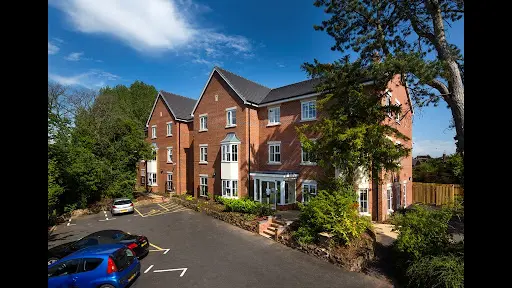
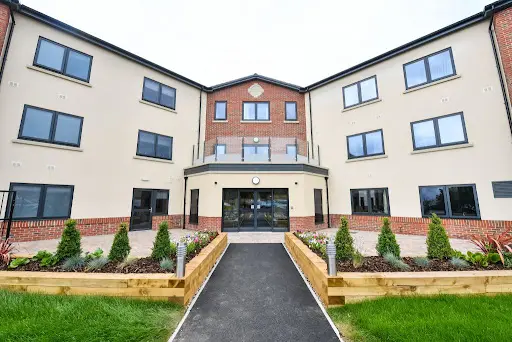
Lound Hall, on Town Street in Retford, was rated Good at its most recent inspection, published in March 2024. This is a notable improvement from its previous Requires Improvement rating, and inspectors judged it Good across all five domains: safe, effective, caring, responsive, and well-led. The home supports up to 30 adults, including people living with dementia, mental health conditions, and physical disabilities. The main limitation of this report is that the published text contains very little specific inspection detail beyond the headline ratings and registration information. There are no inspector observations, resident quotes, or specific examples of practice to draw on. This means the Good rating is confirmed, but what sits behind it is not visible from the published findings. A visit is essential: ask the registered manager directly what changed since the Requires Improvement rating, and ask for specific examples of improvements made.
The three questions to ask when you visitSave this home. Compare it against your shortlist.
Let our analysis show you how Lound Hall Care Home measures up against the other homes you’re considering. Free account.
In Their Own Words
How Lound Hall Care Home describes itself — collected from its own website. DCC has not edited or independently verified the content in this tab.
Where individual personalities still shine through dementia's fog
Residential home in Retford: True Peace of Mind
Families facing urgent care decisions have found Lound Hall in Retford responds swiftly when crises hit, whether that's an emergency admission or a sudden health decline. The care team here seems to grasp something fundamental — that knowing who someone truly is matters just as much as managing their medical needs. That understanding shapes everything from daily routines to those difficult final days.
Who they care for
The home provides specialist support for dementia and mental health conditions, alongside general care for over-65s and those with physical disabilities.
Staff show real understanding of how dementia affects each person differently, working to preserve dignity and connection even as the condition progresses. Families report their relatives receive patient, personalised support that honours who they've always been.
“Sometimes the right place reveals itself not through glossy promises but through how they handle the hardest moments with grace.”
DCC does not edit or curate content in this tab. For independently curated information, see The Evidence and DCC Verdict.
The DCC Verdict
Our editorial view, built from the three lenses: what families tell us, what inspectors record, and how the home sits against good dementia-care practice.
DCC Family Score
Lound Hall has improved from Requires Improvement to a Good rating across all five domains, which is a meaningful and positive step. However, because the published inspection text provides very little specific detail beyond headline ratings, most scores sit in the 60-72 range, reflecting a genuine Good but with limited evidence to score higher.
Homes in East Midlands typically score 68–82.The three-lens summary
What families tell us
What strikes families is how carers remember the small things — favourite songs, old habits, the way someone liked their tea before illness changed everything. There's structured entertainment to keep days interesting, plus regular visits from hairdressers and nail technicians that help residents feel cared for in ways that matter.
What inspectors have recorded
When health takes a sudden turn, the management team moves quickly to adjust care plans and support both residents and relatives through challenging transitions. Families describe feeling their loved ones are genuinely known here, not just looked after, which seems to ease some of the worry that comes with such difficult circumstances.
How it sits against good practice
Sometimes the right place reveals itself not through glossy promises but through how they handle the hardest moments with grace.
Worth a visit
Lound Hall, on Town Street in Retford, was rated Good at its most recent inspection, published in March 2024. This is a notable improvement from its previous Requires Improvement rating, and inspectors judged it Good across all five domains: safe, effective, caring, responsive, and well-led. The home supports up to 30 adults, including people living with dementia, mental health conditions, and physical disabilities. The main limitation of this report is that the published text contains very little specific inspection detail beyond the headline ratings and registration information. There are no inspector observations, resident quotes, or specific examples of practice to draw on. This means the Good rating is confirmed, but what sits behind it is not visible from the published findings. A visit is essential: ask the registered manager directly what changed since the Requires Improvement rating, and ask for specific examples of improvements made.
The three questions to ask when you visitSave this home. Compare it against your shortlist.
Let our analysis show you how Lound Hall Care Home measures up against the other homes you’re considering. Free account.
In Their Own Words
How Lound Hall Care Home describes itself — collected from its own website. DCC has not edited or independently verified the content in this tab.
Where individual personalities still shine through dementia's fog
Residential home in Retford: True Peace of Mind
Families facing urgent care decisions have found Lound Hall in Retford responds swiftly when crises hit, whether that's an emergency admission or a sudden health decline. The care team here seems to grasp something fundamental — that knowing who someone truly is matters just as much as managing their medical needs. That understanding shapes everything from daily routines to those difficult final days.
Who they care for
The home provides specialist support for dementia and mental health conditions, alongside general care for over-65s and those with physical disabilities.
Staff show real understanding of how dementia affects each person differently, working to preserve dignity and connection even as the condition progresses. Families report their relatives receive patient, personalised support that honours who they've always been.
Management & ethos
When health takes a sudden turn, the management team moves quickly to adjust care plans and support both residents and relatives through challenging transitions. Families describe feeling their loved ones are genuinely known here, not just looked after, which seems to ease some of the worry that comes with such difficult circumstances.
The home & environment
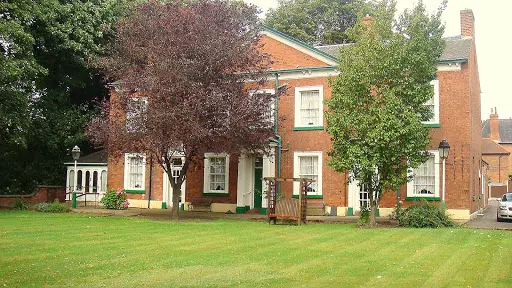
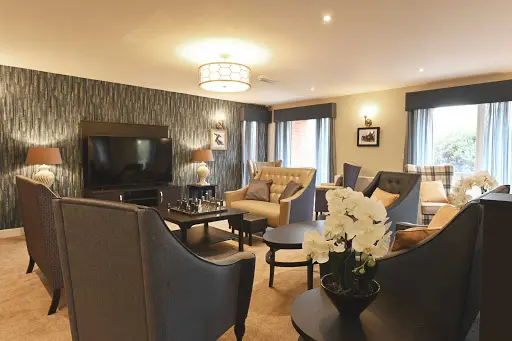
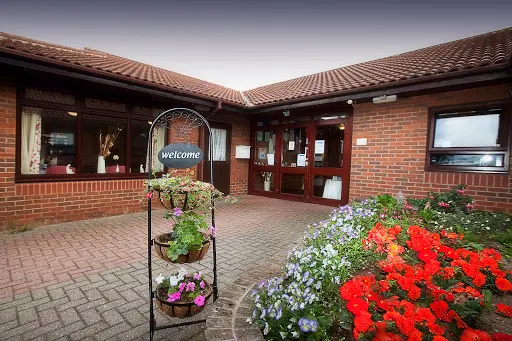
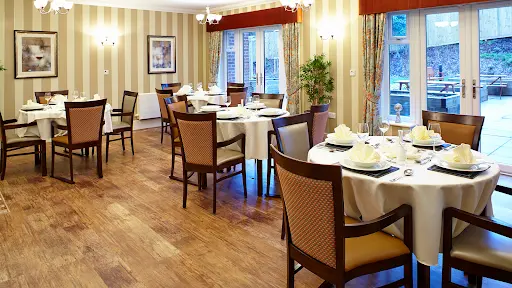
The home maintains clean, comfortable spaces with a garden for warmer days. Families mention enjoying the food during visits, and there are proper leisure facilities to support different activities throughout the week.
“Sometimes the right place reveals itself not through glossy promises but through how they handle the hardest moments with grace.”
DCC does not edit or curate content in this tab. For independently curated information, see The Evidence and DCC Verdict.