Cherry Trees Resource Centre

At a Glance
The information you need to decide whether this home warrants a closer look.
Residential homes
Staff warmth score
of reviewers answered yes
Good to know
- Registered beds45
- SpecialismsCaring for adults over 65 yrs, Caring for adults under 65 yrs, Dementia
- Last inspected2019-08-28
Save Cherry Trees Resource Centre to your shortlist
Keep a running list, add visit notes, and compare homes side-by-side. Free account — it takes a minute.
STAGE 4 — RESEARCHING CARE HOMES
Visit homes. Compare them side by side. Choose with confidence.
Most of us will view care homes the way we view houses, impression, atmosphere, the feeling in the corridor. We go home, try to remember what we saw, and make a permanent decision from a blurred memory.

The DCC shortlist gives every home you visit a structured record: the same twelve questions, answered the same way, every time. When you’re ready to choose, pull any two homes side by side and compare them directly. Same criteria, same evidence, your notes and your scores.
The Evidence
What the review data, the inspection reports, and the dementia-care evidence base tell us about this home.
What families say
What strikes families most is how natural everything feels here. Staff chat with residents and visitors like old friends, creating an atmosphere where formality takes a back seat to genuine warmth. The structured daily activities give shape to residents' days, and families mention how engaged their loved ones seem, even those living with dementia.
The eight family priority themes
- Staff warmth88
- Compassion & dignity90
- Cleanliness72
- Activities & engagement85
- Food quality65
- Healthcare72
- Management & leadership88
- Resident happiness80
What inspectors found
Inspected 2019-08-28
Is this home safe?
Is the care effective?
The home received a Good rating for effectiveness. This domain covers training, care planning, healthcare access, nutrition, and how well the home meets residents' needs in practice. Dementia is listed as a specialism, which requires staff to have relevant training and competence. The published text does not include specific detail about the content or frequency of dementia training, GP access arrangements, or how care plans are constructed and reviewed.Is this home caring?
Caring was rated Outstanding, the highest possible rating. Inspectors award this only when they find clear, specific evidence that staff treat people with exceptional warmth, dignity, and respect. This domain covers how staff speak to and interact with residents, whether people are treated as individuals, and whether privacy and independence are genuinely upheld. Unfortunately the published text does not reproduce the specific observations or quotes that led inspectors to this conclusion.Is the home responsive?
Responsive was rated Outstanding. This domain covers whether the home tailors its provision to individual needs, whether activities are meaningful rather than generic, how complaints are handled, and whether end-of-life care is planned and compassionate. An Outstanding rating here means inspectors found the home doing more than meeting minimum expectations in these areas. The published text does not include specific examples of activities provided, how individual preferences are incorporated, or how the home manages complaints.Is the home well-led?
Well-led was rated Outstanding. This domain covers the quality and stability of management, the culture of the home, how staff are supported, how the home uses data and feedback to improve, and whether there is genuine accountability. The registered manager is named as Ms Nicola Kendrick, with Mr Paul Haigh as the nominated individual representing the provider, Nottingham City Council. The published text does not include details about manager tenure, staff culture, or specific governance arrangements.
Source: CQC inspection report →
What the evidence base says
Cherry Trees specialises in caring for adults both over and under 65, with particular expertise in dementia care. For residents living with dementia, the approach here seems to focus on connection and engagement rather than just safety. Families describe seeing their loved ones participating in activities and interacting with staff in ways that preserve their dignity and personhood. All areas worth probing directly during a visit.
The DCC Verdict
Our editorial view, built from the three lenses: what families tell us, what inspectors record, and how the home sits against good dementia-care practice.
DCC Family Score
Cherry Trees Resource Centre earned an Outstanding overall rating, driven by exceptional scores in caring, responsiveness, and leadership. The published inspection text is limited in granular detail, so some scores reflect the Outstanding domain ratings rather than specific observed evidence, and a few areas such as food and cleanliness have less documented support.
Homes in East Midlands typically score 68–82.The three-lens summary
What families tell us
What strikes families most is how natural everything feels here. Staff chat with residents and visitors like old friends, creating an atmosphere where formality takes a back seat to genuine warmth. The structured daily activities give shape to residents' days, and families mention how engaged their loved ones seem, even those living with dementia.
What inspectors have recorded
Having staff on-site around the clock means families know someone's always there if needed. More importantly, the team seems to understand dementia care at a deeper level — families describe seeing their loved ones not just safe and clean, but genuinely engaged and content. The way staff include families in the care relationship stands out too, with visitors feeling welcomed as partners rather than outsiders.
How it sits against good practice
Sometimes the best measure of a care home isn't in grand promises, but in the small moments families notice — a genuine smile, a resident engaged in an activity, staff who remember how you take your tea.
Worth a visit
Cherry Trees Resource Centre, run by Nottingham City Council, was rated Outstanding overall at its last full inspection in August 2019, with a subsequent review in July 2023 confirming the rating remained appropriate. The home achieved Outstanding in three of the five inspection domains: caring, responsiveness to residents, and leadership. Safe and effective were both rated Good. This is a strong result and places the home in the top tier of rated care homes in England. The main limitation for families reading this report is that the published inspection text is extremely brief. Almost no specific observations, quotes, or detail about day-to-day life at the home are recorded in the publicly available findings. The Outstanding ratings carry real weight, but they are not supported here by the kind of concrete evidence, such as inspector observations of staff interactions or resident testimony, that would give you full confidence. The inspection was also carried out in August 2019, more than five years ago at the time of writing. Before visiting, ask the home for its most recent internal quality reports and ask the manager how the home has changed since 2019. When you visit, pay close attention to how staff speak to your parent in corridors and communal areas, whether the pace feels unhurried, and whether residents look settled and engaged.
The three questions to ask when you visitSave this home. Compare it against your shortlist.
Let our analysis show you how Cherry Trees Resource Centre measures up against the other homes you’re considering. Free account.
In Their Own Words
How Cherry Trees Resource Centre describes itself — collected from its own website. DCC has not edited or independently verified the content in this tab.
Where dementia care feels like genuine friendship and belonging
Residential home in Nottingham: True Peace of Mind
Finding the right care can feel overwhelming, especially when dementia is part of the picture. Cherry Trees Resource Centre in Nottingham seems to understand this deeply. Families describe walking into a place where staff greet everyone by name and residents look genuinely content — not just cared for, but connected.
Who they care for
Cherry Trees specialises in caring for adults both over and under 65, with particular expertise in dementia care.
For residents living with dementia, the approach here seems to focus on connection and engagement rather than just safety. Families describe seeing their loved ones participating in activities and interacting with staff in ways that preserve their dignity and personhood.
“Sometimes the best measure of a care home isn't in grand promises, but in the small moments families notice — a genuine smile, a resident engaged in an activity, staff who remember how you take your tea.”
DCC does not edit or curate content in this tab. For independently curated information, see The Evidence and DCC Verdict.
The DCC Verdict
Our editorial view, built from the three lenses: what families tell us, what inspectors record, and how the home sits against good dementia-care practice.
DCC Family Score
Cherry Trees Resource Centre earned an Outstanding overall rating, driven by exceptional scores in caring, responsiveness, and leadership. The published inspection text is limited in granular detail, so some scores reflect the Outstanding domain ratings rather than specific observed evidence, and a few areas such as food and cleanliness have less documented support.
Homes in East Midlands typically score 68–82.The three-lens summary
What families tell us
What strikes families most is how natural everything feels here. Staff chat with residents and visitors like old friends, creating an atmosphere where formality takes a back seat to genuine warmth. The structured daily activities give shape to residents' days, and families mention how engaged their loved ones seem, even those living with dementia.
What inspectors have recorded
Having staff on-site around the clock means families know someone's always there if needed. More importantly, the team seems to understand dementia care at a deeper level — families describe seeing their loved ones not just safe and clean, but genuinely engaged and content. The way staff include families in the care relationship stands out too, with visitors feeling welcomed as partners rather than outsiders.
How it sits against good practice
Sometimes the best measure of a care home isn't in grand promises, but in the small moments families notice — a genuine smile, a resident engaged in an activity, staff who remember how you take your tea.
Worth a visit
Cherry Trees Resource Centre, run by Nottingham City Council, was rated Outstanding overall at its last full inspection in August 2019, with a subsequent review in July 2023 confirming the rating remained appropriate. The home achieved Outstanding in three of the five inspection domains: caring, responsiveness to residents, and leadership. Safe and effective were both rated Good. This is a strong result and places the home in the top tier of rated care homes in England. The main limitation for families reading this report is that the published inspection text is extremely brief. Almost no specific observations, quotes, or detail about day-to-day life at the home are recorded in the publicly available findings. The Outstanding ratings carry real weight, but they are not supported here by the kind of concrete evidence, such as inspector observations of staff interactions or resident testimony, that would give you full confidence. The inspection was also carried out in August 2019, more than five years ago at the time of writing. Before visiting, ask the home for its most recent internal quality reports and ask the manager how the home has changed since 2019. When you visit, pay close attention to how staff speak to your parent in corridors and communal areas, whether the pace feels unhurried, and whether residents look settled and engaged.
The three questions to ask when you visitSave this home. Compare it against your shortlist.
Let our analysis show you how Cherry Trees Resource Centre measures up against the other homes you’re considering. Free account.
In Their Own Words
How Cherry Trees Resource Centre describes itself — collected from its own website. DCC has not edited or independently verified the content in this tab.
Where dementia care feels like genuine friendship and belonging
Residential home in Nottingham: True Peace of Mind
Finding the right care can feel overwhelming, especially when dementia is part of the picture. Cherry Trees Resource Centre in Nottingham seems to understand this deeply. Families describe walking into a place where staff greet everyone by name and residents look genuinely content — not just cared for, but connected.
Who they care for
Cherry Trees specialises in caring for adults both over and under 65, with particular expertise in dementia care.
For residents living with dementia, the approach here seems to focus on connection and engagement rather than just safety. Families describe seeing their loved ones participating in activities and interacting with staff in ways that preserve their dignity and personhood.
Management & ethos
Having staff on-site around the clock means families know someone's always there if needed. More importantly, the team seems to understand dementia care at a deeper level — families describe seeing their loved ones not just safe and clean, but genuinely engaged and content. The way staff include families in the care relationship stands out too, with visitors feeling welcomed as partners rather than outsiders.
The home & environment
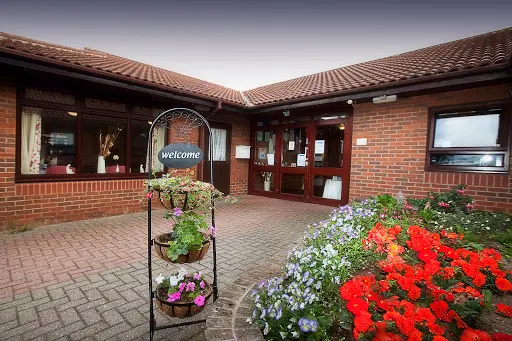
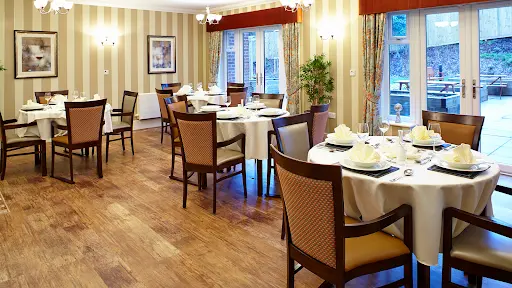
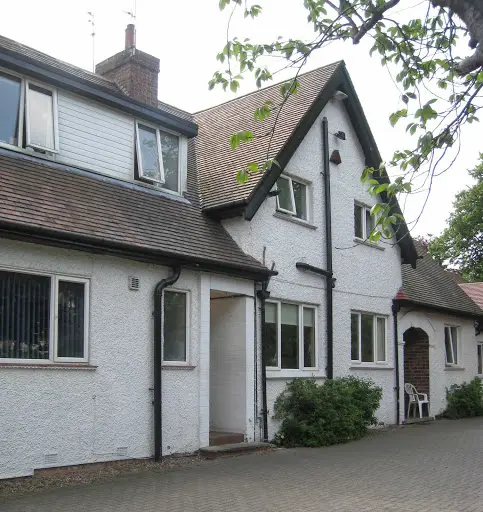
The physical space itself gets consistent praise from visitors. Bedrooms are spacious and modern with en-suite bathrooms, while the whole centre stays notably clean and well-maintained. It's the kind of environment that helps families breathe a little easier, knowing their loved one is somewhere comfortable and dignified.
“Sometimes the best measure of a care home isn't in grand promises, but in the small moments families notice — a genuine smile, a resident engaged in an activity, staff who remember how you take your tea.”
DCC does not edit or curate content in this tab. For independently curated information, see The Evidence and DCC Verdict.