The Grand Care Home
At a Glance
The information you need to decide whether this home warrants a closer look.
Nursing homes
Staff warmth score
of reviewers answered yes
Good to know
- Registered beds82
- SpecialismsCaring for adults over 65 yrs, Caring for adults under 65 yrs, Dementia, Mental health conditions, Physical disabilities
- Last inspected2023-03-08
Save The Grand Care Home to your shortlist
Keep a running list, add visit notes, and compare homes side-by-side. Free account — it takes a minute.
STAGE 4 — RESEARCHING CARE HOMES
Visit homes. Compare them side by side. Choose with confidence.
Most of us will view care homes the way we view houses, impression, atmosphere, the feeling in the corridor. We go home, try to remember what we saw, and make a permanent decision from a blurred memory.

The DCC shortlist gives every home you visit a structured record: the same twelve questions, answered the same way, every time. When you’re ready to choose, pull any two homes side by side and compare them directly. Same criteria, same evidence, your notes and your scores.
The Evidence
What the review data, the inspection reports, and the dementia-care evidence base tell us about this home.
What families say
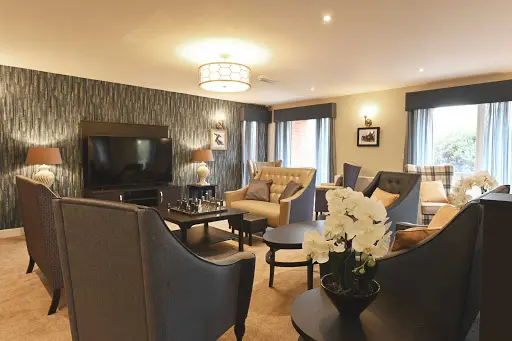
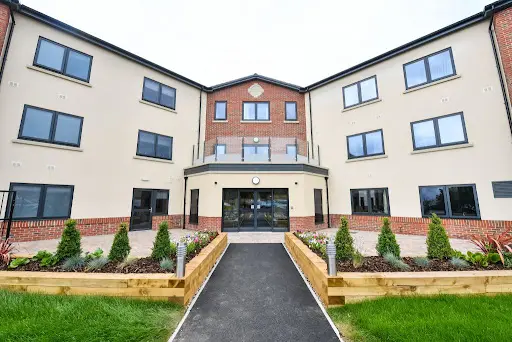
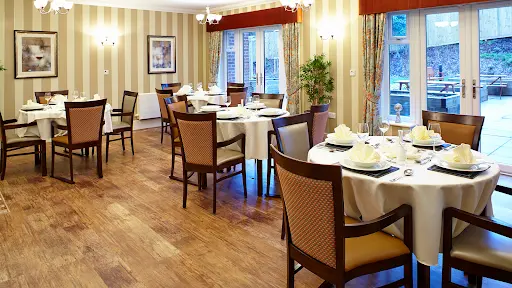
Families describe how residents who struggled in other care settings have settled here, no longer asking to leave. The wellbeing team keeps people engaged with regular activities and outings, while staff show particular patience when residents with dementia become distressed. The building itself helps too — spacious rooms with en-suites, secure gardens for wandering, and plenty of communal spaces where people gather.
The eight family priority themes
- Staff warmth55
- Compassion & dignity55
- Cleanliness55
- Activities & engagement50
- Food quality50
- Healthcare55
- Management & leadership60
- Resident happiness55
What inspectors found
Inspected 2023-03-08
Is this home safe?
Is the care effective?
The Effective domain was rated Good at the January 2023 inspection. This domain covers training, care planning, nutrition, hydration, and how the home works with GPs and other health professionals. Dementia is listed as a specialism, which means staff should have relevant training. The published report does not include specific examples of care plan content, training records reviewed, or how GP access is arranged. A Good rating is the inspector's overall conclusion, but the specific evidence behind it is not recorded in the available text.Is this home caring?
The Caring domain was rated Good at the January 2023 inspection. This covers how staff treat residents, whether dignity and privacy are respected, and whether people are supported to make choices and maintain independence. The published report does not include direct inspector observations of staff interactions, quotes from residents or relatives about how they felt treated, or descriptions of how preferences were respected in daily routines. The Good rating reflects the inspector's judgement, but no supporting detail is available in the published text.Is the home responsive?
The Responsive domain was rated Good at the January 2023 inspection. This covers how well the home responds to individual needs, including activities and engagement, complaints handling, and end-of-life care. The home supports people with dementia, mental health conditions, and physical disabilities, so the range of individual need is likely significant. The published report does not describe the activities programme, individual engagement approaches, or how the home responds to complaints. No specific examples of person-centred responsiveness are recorded.Is the home well-led?
The Well-led domain was rated Good at the January 2023 inspection. A named registered manager, Miss Tracy Anne Johnston, and a nominated individual, Mrs Cathryn Fairhurst, were recorded as accountable for the service. The home is operated by New Care West Bridgford (OPCO) Limited. The published report does not describe how long the manager has been in post, how staff are supported to raise concerns, or how the home uses feedback from residents and families to improve. A Good rating is the inspector's overall conclusion on governance and culture.
Source: CQC inspection report →
What the evidence base says
The home cares for younger adults under 65 as well as older residents, supporting people with dementia, mental health conditions, and physical disabilities. Staff here understand the distress that dementia can bring and respond with consistent reassurance rather than frustration. The secure gardens and structured daily activities help residents feel settled and purposeful. All areas worth probing directly during a visit.
The DCC Verdict
Our editorial view, built from the three lenses: what families tell us, what inspectors record, and how the home sits against good dementia-care practice.
DCC Family Score
The Grand received a Good rating across all five inspection domains in January 2023, which is a positive baseline. However, the published inspection report contains very limited specific detail, observations, or direct testimony, so scores reflect a confirmed Good rather than a richly evidenced one.
Homes in East Midlands typically score 68–82.The three-lens summary
What families tell us
Families describe how residents who struggled in other care settings have settled here, no longer asking to leave. The wellbeing team keeps people engaged with regular activities and outings, while staff show particular patience when residents with dementia become distressed. The building itself helps too — spacious rooms with en-suites, secure gardens for wandering, and plenty of communal spaces where people gather.
What inspectors have recorded
The management team listens when families raise concerns and generally acts on them quickly. Most nursing staff explain medications clearly and provide compassionate support, though families have found that personal care standards can vary between shifts — sometimes they've needed to step in with washing or clothing changes. One family experienced poor support from a night nurse during their relative's final hours, which stood out against the otherwise caring approach.
How it sits against good practice
If you're considering The Grand, visiting during activity time can give you a good sense of daily life there.
Worth a visit
The Grand, on Greythorn Drive in Nottingham, was rated Good across all five inspection domains following an inspection in January 2023. The home is registered to care for up to 82 people, including those living with dementia, mental health conditions, and physical disabilities. A named registered manager and nominated individual were in place, which provides a clear accountability structure. A stable Good rating across every domain is a positive starting point when comparing homes. The main limitation here is that the published inspection report contains very little specific detail beyond the domain ratings themselves. There are no direct quotes from residents or relatives, no inspector observations of daily life, and no descriptions of the environment, staffing levels, or activities. This does not mean those things are poor, but it does mean you will need to find out for yourself on a visit. In particular, ask to see last week's actual staffing rota (not a template), ask what the overnight staffing ratio is across the 82 beds, find out how much of the team is permanent versus agency, and ask how the home communicates with families when something changes.
The three questions to ask when you visitSave this home. Compare it against your shortlist.
Let our analysis show you how The Grand Care Home measures up against the other homes you’re considering. Free account.
In Their Own Words
How The Grand Care Home describes itself — collected from its own website. DCC has not edited or independently verified the content in this tab.
Structured days and patient dementia care in central Nottingham
Compassionate Care in Nottingham at The Grand
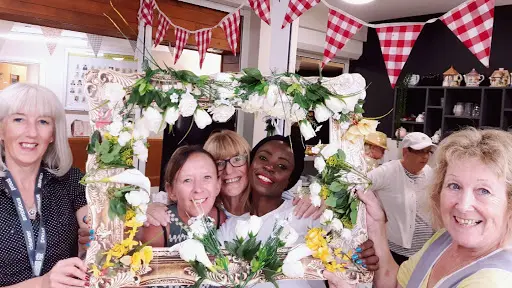
When families visit The Grand in Nottingham, they often notice the structured rhythm of daily life — activities happening throughout the building, residents heading out on trips, and staff taking time to reassure those who feel anxious. This East Midlands care home supports people with dementia, mental health conditions, and physical disabilities, with dedicated wellbeing coordinators who plan each day's programme.
Who they care for
The home cares for younger adults under 65 as well as older residents, supporting people with dementia, mental health conditions, and physical disabilities.
Staff here understand the distress that dementia can bring and respond with consistent reassurance rather than frustration. The secure gardens and structured daily activities help residents feel settled and purposeful.
“If you're considering The Grand, visiting during activity time can give you a good sense of daily life there.”
DCC does not edit or curate content in this tab. For independently curated information, see The Evidence and DCC Verdict.
The DCC Verdict
Our editorial view, built from the three lenses: what families tell us, what inspectors record, and how the home sits against good dementia-care practice.
DCC Family Score
The Grand received a Good rating across all five inspection domains in January 2023, which is a positive baseline. However, the published inspection report contains very limited specific detail, observations, or direct testimony, so scores reflect a confirmed Good rather than a richly evidenced one.
Homes in East Midlands typically score 68–82.The three-lens summary
What families tell us
Families describe how residents who struggled in other care settings have settled here, no longer asking to leave. The wellbeing team keeps people engaged with regular activities and outings, while staff show particular patience when residents with dementia become distressed. The building itself helps too — spacious rooms with en-suites, secure gardens for wandering, and plenty of communal spaces where people gather.
What inspectors have recorded
The management team listens when families raise concerns and generally acts on them quickly. Most nursing staff explain medications clearly and provide compassionate support, though families have found that personal care standards can vary between shifts — sometimes they've needed to step in with washing or clothing changes. One family experienced poor support from a night nurse during their relative's final hours, which stood out against the otherwise caring approach.
How it sits against good practice
If you're considering The Grand, visiting during activity time can give you a good sense of daily life there.
Worth a visit
The Grand, on Greythorn Drive in Nottingham, was rated Good across all five inspection domains following an inspection in January 2023. The home is registered to care for up to 82 people, including those living with dementia, mental health conditions, and physical disabilities. A named registered manager and nominated individual were in place, which provides a clear accountability structure. A stable Good rating across every domain is a positive starting point when comparing homes. The main limitation here is that the published inspection report contains very little specific detail beyond the domain ratings themselves. There are no direct quotes from residents or relatives, no inspector observations of daily life, and no descriptions of the environment, staffing levels, or activities. This does not mean those things are poor, but it does mean you will need to find out for yourself on a visit. In particular, ask to see last week's actual staffing rota (not a template), ask what the overnight staffing ratio is across the 82 beds, find out how much of the team is permanent versus agency, and ask how the home communicates with families when something changes.
The three questions to ask when you visitSave this home. Compare it against your shortlist.
Let our analysis show you how The Grand Care Home measures up against the other homes you’re considering. Free account.
In Their Own Words
How The Grand Care Home describes itself — collected from its own website. DCC has not edited or independently verified the content in this tab.
Structured days and patient dementia care in central Nottingham
Compassionate Care in Nottingham at The Grand
When families visit The Grand in Nottingham, they often notice the structured rhythm of daily life — activities happening throughout the building, residents heading out on trips, and staff taking time to reassure those who feel anxious. This East Midlands care home supports people with dementia, mental health conditions, and physical disabilities, with dedicated wellbeing coordinators who plan each day's programme.
Who they care for
The home cares for younger adults under 65 as well as older residents, supporting people with dementia, mental health conditions, and physical disabilities.
Staff here understand the distress that dementia can bring and respond with consistent reassurance rather than frustration. The secure gardens and structured daily activities help residents feel settled and purposeful.
Management & ethos
The management team listens when families raise concerns and generally acts on them quickly. Most nursing staff explain medications clearly and provide compassionate support, though families have found that personal care standards can vary between shifts — sometimes they've needed to step in with washing or clothing changes. One family experienced poor support from a night nurse during their relative's final hours, which stood out against the otherwise caring approach.
The home & environment
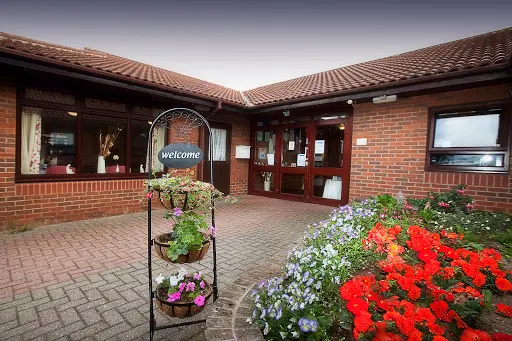
The home prepares all meals on site, with families noting the cleanliness throughout the building. There's a hairdressing salon that residents use regularly, and the secure outdoor spaces let people enjoy fresh air safely. These practical touches matter when someone's making a new home.
“If you're considering The Grand, visiting during activity time can give you a good sense of daily life there.”
DCC does not edit or curate content in this tab. For independently curated information, see The Evidence and DCC Verdict.