Hazelgrove Care Home
At a Glance
The information you need to decide whether this home warrants a closer look.
Nursing homes
Staff warmth score
of reviewers answered yes
Good to know
- Registered beds40
- SpecialismsCaring for adults over 65 yrs, Dementia, Physical disabilities
- Last inspected2019-07-13
Save Hazelgrove Care Home to your shortlist
Keep a running list, add visit notes, and compare homes side-by-side. Free account — it takes a minute.
STAGE 4 — RESEARCHING CARE HOMES
Visit homes. Compare them side by side. Choose with confidence.
Most of us will view care homes the way we view houses, impression, atmosphere, the feeling in the corridor. We go home, try to remember what we saw, and make a permanent decision from a blurred memory.

The DCC shortlist gives every home you visit a structured record: the same twelve questions, answered the same way, every time. When you’re ready to choose, pull any two homes side by side and compare them directly. Same criteria, same evidence, your notes and your scores.
The Evidence
What the review data, the inspection reports, and the dementia-care evidence base tell us about this home.
What families say
Families consistently describe the staff as warm and approachable, creating an atmosphere where both residents and visitors feel comfortable. Many mention how quickly their relatives settled in, with some residents expressing real pride in their new surroundings. The general mood of the home comes across as lively and positive, which families say helps their loved ones adjust emotionally.
The eight family priority themes
- Staff warmth72
- Compassion & dignity72
- Cleanliness70
- Activities & engagement60
- Food quality60
- Healthcare68
- Management & leadership72
- Resident happiness68
What inspectors found
Inspected 2019-07-13
Is this home safe?
Is the care effective?
The Effective domain was rated Good at the February 2022 inspection, again representing an improvement from the previous Requires Improvement. The published findings do not include specific detail about care plan content, GP access, dementia training, food quality, or how health monitoring is carried out. The home is registered as a nursing home, meaning qualified nursing staff should be present, which is relevant if your parent has complex health needs.Is this home caring?
The Caring domain was rated Good at the February 2022 inspection. This is the domain that most directly reflects how staff treat your parent day to day. Unfortunately, the published findings do not include inspector observations of staff interactions, resident or relative quotes, or any specific examples of how dignity, privacy, or independence are maintained. The improvement from Requires Improvement across all domains does suggest meaningful cultural change has taken place.Is the home responsive?
The Responsive domain was rated Good at the February 2022 inspection. This domain covers whether your parent will have a meaningful daily life here, including activities, individual engagement, and end-of-life planning. As with the other domains, the published findings do not include specific detail about the activity programme, individual engagement for people who cannot join group activities, or how end-of-life wishes are recorded and honoured.Is the home well-led?
The Well-led domain was rated Good at the February 2022 inspection, completing a clean sweep of Good ratings across all five domains. A named registered manager, Mr Pierre Falleth, is recorded in post. The previous Requires Improvement rating across all domains suggests that earlier leadership may have been less effective, and the current trajectory indicates improvement under the current management. The published findings do not describe the manager's visibility, staff culture, or how the home handles complaints and learning from incidents.
Source: CQC inspection report →
What the evidence base says
The home provides specialist dementia care alongside support for physical disabilities, welcoming adults over 65. Their approach focuses on meaningful engagement through structured daily activities. The home's dementia care appears to centre around keeping residents engaged through creative, person-centred activities. Families note that these programmes seem particularly effective at maintaining residents' sense of purpose and contentment. All areas worth probing directly during a visit.
The DCC Verdict
Our editorial view, built from the three lenses: what families tell us, what inspectors record, and how the home sits against good dementia-care practice.
DCC Family Score
Hazelgrove Care Home scores 71 out of 100, reflecting a home that has improved from Requires Improvement to Good across all five inspection domains. The score is held back by limited specific detail in the published inspection findings, meaning several important areas cannot be fully assessed from the available evidence.
Homes in East Midlands typically score 68–82.The three-lens summary
What families tell us
Families consistently describe the staff as warm and approachable, creating an atmosphere where both residents and visitors feel comfortable. Many mention how quickly their relatives settled in, with some residents expressing real pride in their new surroundings. The general mood of the home comes across as lively and positive, which families say helps their loved ones adjust emotionally.
What inspectors have recorded
The care team receives consistent praise for making residents feel safe and well-looked after. However, one family's experience highlighted concerns about breakfast being served as late as 11am on some occasions, and they also felt unsupported by management following their relative's death. Most other families express confidence in the overall quality of care, though these issues around meal timing and bereavement support are worth discussing during any visit.
How it sits against good practice
While the concerns raised by one family deserve consideration, the broader picture suggests a home where most residents thrive through meaningful activities and caring support.
Worth a visit
Hazelgrove Care Home, on Farleys Lane in Nottingham, was rated Good at its most recent inspection in February 2022, with that rating confirmed as still standing following a monitoring review in July 2023. Importantly, this is a home that has moved upward: it previously held a Requires Improvement rating and has since achieved Good across all five inspection domains, which is an encouraging sign of a home that has addressed earlier concerns. A registered manager is in post, and the home is registered to care for people over 65, people with dementia, and people with physical disabilities. The main uncertainty is that the published inspection findings for Hazelgrove are unusually brief, meaning very little specific detail is available about what daily life actually looks like for your parent. Almost every area that families care most about, including staff warmth, food quality, activities, night staffing, and dementia-specific care, falls outside what the published report covers in any detail. On a visit, ask to see last week's actual staffing rota (not a template), observe how staff greet and speak to residents in corridors, ask what a typical Tuesday looks like for someone who cannot join group activities, and request to see a sample care plan. These observations will tell you far more than the rating alone.
The three questions to ask when you visitSave this home. Compare it against your shortlist.
Let our analysis show you how Hazelgrove Care Home measures up against the other homes you’re considering. Free account.
In Their Own Words
How Hazelgrove Care Home describes itself — collected from its own website. DCC has not edited or independently verified the content in this tab.
Where daily activities bring genuine smiles to residents' faces
Nursing home in Nottingham: True Peace of Mind
When families visit Hazelgrove Care Home in Nottingham, they often find their loved ones eager to show off their rooms and chat about what they've been doing that day. The home has built a reputation for keeping residents engaged and content, with a structured programme of activities that families say really makes a difference. While most families speak warmly about the care here, it's worth knowing that one family experienced delays with meal times that raised concerns.
Who they care for
The home provides specialist dementia care alongside support for physical disabilities, welcoming adults over 65. Their approach focuses on meaningful engagement through structured daily activities.
The home's dementia care appears to centre around keeping residents engaged through creative, person-centred activities. Families note that these programmes seem particularly effective at maintaining residents' sense of purpose and contentment.
“While the concerns raised by one family deserve consideration, the broader picture suggests a home where most residents thrive through meaningful activities and caring support.”
DCC does not edit or curate content in this tab. For independently curated information, see The Evidence and DCC Verdict.
The DCC Verdict
Our editorial view, built from the three lenses: what families tell us, what inspectors record, and how the home sits against good dementia-care practice.
DCC Family Score
Hazelgrove Care Home scores 71 out of 100, reflecting a home that has improved from Requires Improvement to Good across all five inspection domains. The score is held back by limited specific detail in the published inspection findings, meaning several important areas cannot be fully assessed from the available evidence.
Homes in East Midlands typically score 68–82.The three-lens summary
What families tell us
Families consistently describe the staff as warm and approachable, creating an atmosphere where both residents and visitors feel comfortable. Many mention how quickly their relatives settled in, with some residents expressing real pride in their new surroundings. The general mood of the home comes across as lively and positive, which families say helps their loved ones adjust emotionally.
What inspectors have recorded
The care team receives consistent praise for making residents feel safe and well-looked after. However, one family's experience highlighted concerns about breakfast being served as late as 11am on some occasions, and they also felt unsupported by management following their relative's death. Most other families express confidence in the overall quality of care, though these issues around meal timing and bereavement support are worth discussing during any visit.
How it sits against good practice
While the concerns raised by one family deserve consideration, the broader picture suggests a home where most residents thrive through meaningful activities and caring support.
Worth a visit
Hazelgrove Care Home, on Farleys Lane in Nottingham, was rated Good at its most recent inspection in February 2022, with that rating confirmed as still standing following a monitoring review in July 2023. Importantly, this is a home that has moved upward: it previously held a Requires Improvement rating and has since achieved Good across all five inspection domains, which is an encouraging sign of a home that has addressed earlier concerns. A registered manager is in post, and the home is registered to care for people over 65, people with dementia, and people with physical disabilities. The main uncertainty is that the published inspection findings for Hazelgrove are unusually brief, meaning very little specific detail is available about what daily life actually looks like for your parent. Almost every area that families care most about, including staff warmth, food quality, activities, night staffing, and dementia-specific care, falls outside what the published report covers in any detail. On a visit, ask to see last week's actual staffing rota (not a template), observe how staff greet and speak to residents in corridors, ask what a typical Tuesday looks like for someone who cannot join group activities, and request to see a sample care plan. These observations will tell you far more than the rating alone.
The three questions to ask when you visitSave this home. Compare it against your shortlist.
Let our analysis show you how Hazelgrove Care Home measures up against the other homes you’re considering. Free account.
In Their Own Words
How Hazelgrove Care Home describes itself — collected from its own website. DCC has not edited or independently verified the content in this tab.
Where daily activities bring genuine smiles to residents' faces
Nursing home in Nottingham: True Peace of Mind
When families visit Hazelgrove Care Home in Nottingham, they often find their loved ones eager to show off their rooms and chat about what they've been doing that day. The home has built a reputation for keeping residents engaged and content, with a structured programme of activities that families say really makes a difference. While most families speak warmly about the care here, it's worth knowing that one family experienced delays with meal times that raised concerns.
Who they care for
The home provides specialist dementia care alongside support for physical disabilities, welcoming adults over 65. Their approach focuses on meaningful engagement through structured daily activities.
The home's dementia care appears to centre around keeping residents engaged through creative, person-centred activities. Families note that these programmes seem particularly effective at maintaining residents' sense of purpose and contentment.
Management & ethos
The care team receives consistent praise for making residents feel safe and well-looked after. However, one family's experience highlighted concerns about breakfast being served as late as 11am on some occasions, and they also felt unsupported by management following their relative's death. Most other families express confidence in the overall quality of care, though these issues around meal timing and bereavement support are worth discussing during any visit.
The home & environment
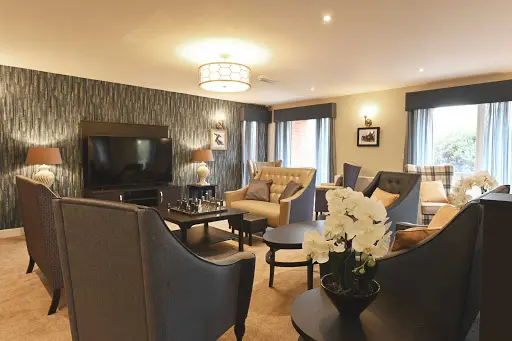
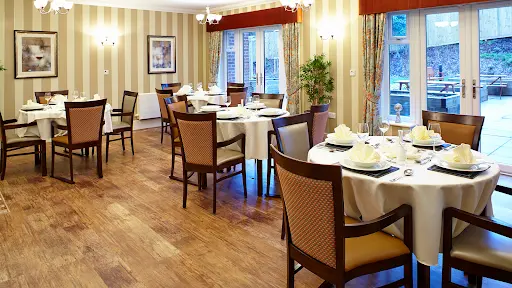
The home maintains high standards of cleanliness throughout, contributing to what families describe as a vibrant living environment. While specific details about dining are limited, the physical spaces appear well-kept and designed to support resident wellbeing.
“While the concerns raised by one family deserve consideration, the broader picture suggests a home where most residents thrive through meaningful activities and caring support.”
DCC does not edit or curate content in this tab. For independently curated information, see The Evidence and DCC Verdict.