Wollaton View Care Home
At a Glance
The information you need to decide whether this home warrants a closer look.
Residential homes
Staff warmth score
of reviewers answered yes
Good to know
- Registered beds46
- SpecialismsCaring for adults over 65 yrs, Caring for adults under 65 yrs, Dementia, Learning disabilities, Mental health conditions, Physical disabilities, Sensory impairment
- Last inspected2023-12-08
Save Wollaton View Care Home to your shortlist
Keep a running list, add visit notes, and compare homes side-by-side. Free account — it takes a minute.
STAGE 4 — RESEARCHING CARE HOMES
Visit homes. Compare them side by side. Choose with confidence.
Most of us will view care homes the way we view houses, impression, atmosphere, the feeling in the corridor. We go home, try to remember what we saw, and make a permanent decision from a blurred memory.

The DCC shortlist gives every home you visit a structured record: the same twelve questions, answered the same way, every time. When you’re ready to choose, pull any two homes side by side and compare them directly. Same criteria, same evidence, your notes and your scores.
The Evidence
What the review data, the inspection reports, and the dementia-care evidence base tell us about this home.
What families say
Families describe how staff create calm, peaceful environments during end-of-life care, with thoughtful attention to sensory details that matter. The team shows real patience and emotional attentiveness during personal care, particularly when residents are experiencing decline. People appreciate the encouragement to join in activities and the support with practical things like hospital appointments.
The eight family priority themes
- Staff warmth72
- Compassion & dignity72
- Cleanliness65
- Activities & engagement65
- Food quality65
- Healthcare65
- Management & leadership75
- Resident happiness68
What inspectors found
Inspected 2023-12-08
Is this home safe?
Is the care effective?
The Effective domain was rated Good at the August 2025 inspection. This covers training, care planning, healthcare access, and food. A Good rating indicates inspectors were satisfied that the home broadly meets the standard in these areas. The published summary does not provide specific detail about care plan quality, dementia training content, GP access arrangements, or food quality observations. The home supports a wide range of needs, including dementia, learning disabilities, and mental health conditions, so effective, tailored care planning is particularly important.Is this home caring?
The Caring domain was rated Good at the August 2025 inspection. This domain covers staff warmth, dignity, respect, and how well the home supports independence. A Good rating indicates inspectors were satisfied with the standard of care interactions they observed. The published summary does not include direct inspector observations, resident testimony, or staff quotes to illustrate what good caring practice looks like in this home specifically. The home's range of specialisms, from dementia to sensory impairment, means staff need to adapt their communication style to very different individual needs.Is the home responsive?
The Responsive domain was rated Good at the August 2025 inspection. This covers activities, individual engagement, responsiveness to changing needs, and end-of-life care planning. A Good rating indicates inspectors were satisfied with the home's approach in these areas. No specific detail about the activity programme, individual engagement for people with advanced dementia, or end-of-life planning processes is available in the published summary. The home supports people with a wide range of needs, which means a one-size-fits-all approach to activities would be inadequate.Is the home well-led?
The Well-led domain was rated Good at the August 2025 inspection. A named registered manager, Mrs Deborah Redshaw, and a nominated individual, Mr Amar Ali, are identified in the published record, suggesting a defined leadership structure. A Good Well-led rating indicates inspectors were satisfied with management, culture, and governance arrangements. However, the home's overall rating has declined from Good to Requires Improvement, driven by the Safety domain, which raises a question about how effectively leadership is identifying and acting on safety risks in practice.
Source: CQC inspection report →
What the evidence base says
The home cares for adults both under and over 65, including those with physical disabilities, sensory impairments, learning disabilities and mental health conditions. They also provide physiotherapy support. While dementia care is listed as a specialism, some families have found the practical understanding of dementia needs could be stronger. This is something to explore directly when considering the home. All areas worth probing directly during a visit.
The DCC Verdict
Our editorial view, built from the three lenses: what families tell us, what inspectors record, and how the home sits against good dementia-care practice.
DCC Family Score
Wollaton View Care Home scores 72 out of 100, reflecting a mixed picture: four of five inspection domains were rated Good at the most recent assessment, but Safety was rated Requires Improvement, which pulls the overall rating down and raises specific questions you will want answered before making a decision.
Homes in East Midlands typically score 68–82.The three-lens summary
What families tell us
Families describe how staff create calm, peaceful environments during end-of-life care, with thoughtful attention to sensory details that matter. The team shows real patience and emotional attentiveness during personal care, particularly when residents are experiencing decline. People appreciate the encouragement to join in activities and the support with practical things like hospital appointments.
What inspectors have recorded
Staff demonstrate genuine compassion in their direct care work, particularly during the most sensitive times. However, families have found visiting arrangements can be restrictive, with set appointment times that don't always work for everyone. Some relatives have also raised concerns about medication management practices that need addressing.
How it sits against good practice
Every family's situation is unique, so it's worth visiting to see if Wollaton View could work for your loved one.
Worth a visit
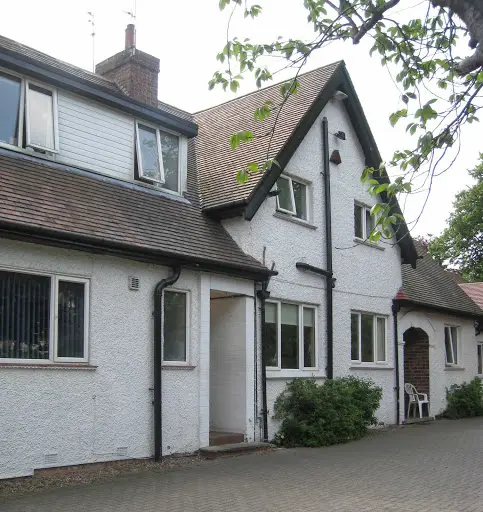
Wollaton View Care Home, at 21 Lambourne Drive, Nottingham, was assessed on 11 August 2025 and received an overall rating of Requires Improvement, having declined from a previous rating of Good. Four domains, Effective, Caring, Responsive, and Well-led, were each rated Good, suggesting that staff kindness, care planning, activities, and management are broadly satisfactory. However, the Safety domain was rated Requires Improvement, which is significant: it means inspectors identified specific concerns about how safe your parent would be day to day, and the home must address those before it can return to a Good rating overall. The published inspection summary contains very limited detail about what specifically drove the Safety concern, which makes it harder to assess the true risk. Before you visit, ask the manager directly what the Requires Improvement safety findings were, what actions have been taken since August 2025, and whether a follow-up inspection has been scheduled. On the visit itself, pay particular attention to night staffing numbers, agency staff usage, and how incidents such as falls are recorded and acted on. The four Good domain ratings are encouraging, but the safety concern is the overriding question to resolve before making a decision.
The three questions to ask when you visitSave this home. Compare it against your shortlist.
Let our analysis show you how Wollaton View Care Home measures up against the other homes you’re considering. Free account.
In Their Own Words
How Wollaton View Care Home describes itself — collected from its own website. DCC has not edited or independently verified the content in this tab.
Compassionate staff supporting families through life's most difficult moments
Dedicated residential home Support in Nottingham
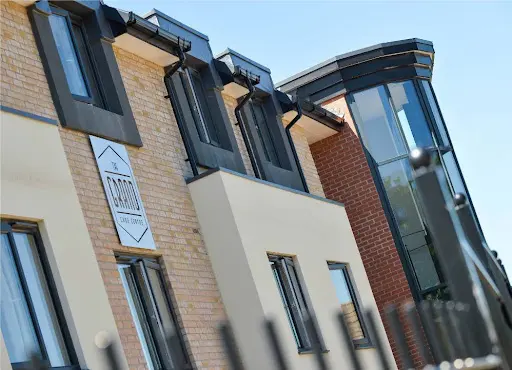
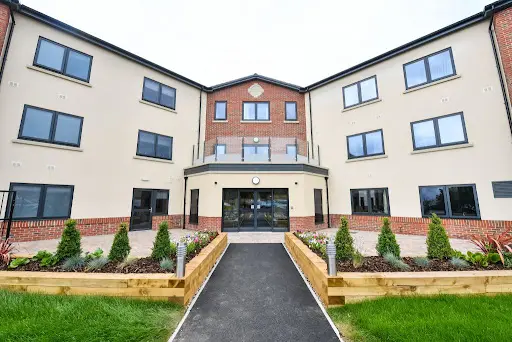
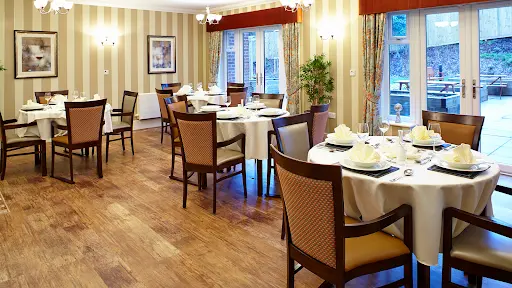
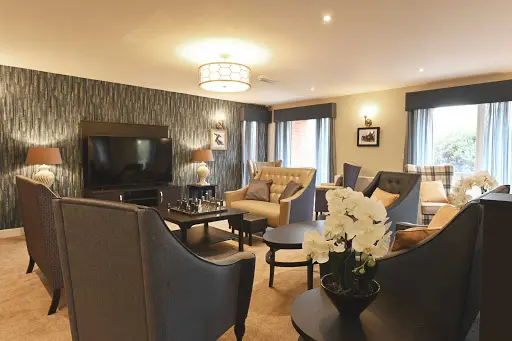
When you're looking for care in Nottingham, you need somewhere that understands the complexity of conditions like dementia and mental health challenges. Wollaton View Care Home specialises in supporting people with a wide range of needs, from learning disabilities to sensory impairments. The modern facilities provide a clean, bright environment where staff work to create moments of dignity and comfort.
Who they care for
The home cares for adults both under and over 65, including those with physical disabilities, sensory impairments, learning disabilities and mental health conditions. They also provide physiotherapy support.
While dementia care is listed as a specialism, some families have found the practical understanding of dementia needs could be stronger. This is something to explore directly when considering the home.
“Every family's situation is unique, so it's worth visiting to see if Wollaton View could work for your loved one.”
DCC does not edit or curate content in this tab. For independently curated information, see The Evidence and DCC Verdict.
The DCC Verdict
Our editorial view, built from the three lenses: what families tell us, what inspectors record, and how the home sits against good dementia-care practice.
DCC Family Score
Wollaton View Care Home scores 72 out of 100, reflecting a mixed picture: four of five inspection domains were rated Good at the most recent assessment, but Safety was rated Requires Improvement, which pulls the overall rating down and raises specific questions you will want answered before making a decision.
Homes in East Midlands typically score 68–82.The three-lens summary
What families tell us
Families describe how staff create calm, peaceful environments during end-of-life care, with thoughtful attention to sensory details that matter. The team shows real patience and emotional attentiveness during personal care, particularly when residents are experiencing decline. People appreciate the encouragement to join in activities and the support with practical things like hospital appointments.
What inspectors have recorded
Staff demonstrate genuine compassion in their direct care work, particularly during the most sensitive times. However, families have found visiting arrangements can be restrictive, with set appointment times that don't always work for everyone. Some relatives have also raised concerns about medication management practices that need addressing.
How it sits against good practice
Every family's situation is unique, so it's worth visiting to see if Wollaton View could work for your loved one.
Worth a visit
Wollaton View Care Home, at 21 Lambourne Drive, Nottingham, was assessed on 11 August 2025 and received an overall rating of Requires Improvement, having declined from a previous rating of Good. Four domains, Effective, Caring, Responsive, and Well-led, were each rated Good, suggesting that staff kindness, care planning, activities, and management are broadly satisfactory. However, the Safety domain was rated Requires Improvement, which is significant: it means inspectors identified specific concerns about how safe your parent would be day to day, and the home must address those before it can return to a Good rating overall. The published inspection summary contains very limited detail about what specifically drove the Safety concern, which makes it harder to assess the true risk. Before you visit, ask the manager directly what the Requires Improvement safety findings were, what actions have been taken since August 2025, and whether a follow-up inspection has been scheduled. On the visit itself, pay particular attention to night staffing numbers, agency staff usage, and how incidents such as falls are recorded and acted on. The four Good domain ratings are encouraging, but the safety concern is the overriding question to resolve before making a decision.
The three questions to ask when you visitSave this home. Compare it against your shortlist.
Let our analysis show you how Wollaton View Care Home measures up against the other homes you’re considering. Free account.
In Their Own Words
How Wollaton View Care Home describes itself — collected from its own website. DCC has not edited or independently verified the content in this tab.
Compassionate staff supporting families through life's most difficult moments
Dedicated residential home Support in Nottingham
When you're looking for care in Nottingham, you need somewhere that understands the complexity of conditions like dementia and mental health challenges. Wollaton View Care Home specialises in supporting people with a wide range of needs, from learning disabilities to sensory impairments. The modern facilities provide a clean, bright environment where staff work to create moments of dignity and comfort.
Who they care for
The home cares for adults both under and over 65, including those with physical disabilities, sensory impairments, learning disabilities and mental health conditions. They also provide physiotherapy support.
While dementia care is listed as a specialism, some families have found the practical understanding of dementia needs could be stronger. This is something to explore directly when considering the home.
Management & ethos
Staff demonstrate genuine compassion in their direct care work, particularly during the most sensitive times. However, families have found visiting arrangements can be restrictive, with set appointment times that don't always work for everyone. Some relatives have also raised concerns about medication management practices that need addressing.
The home & environment
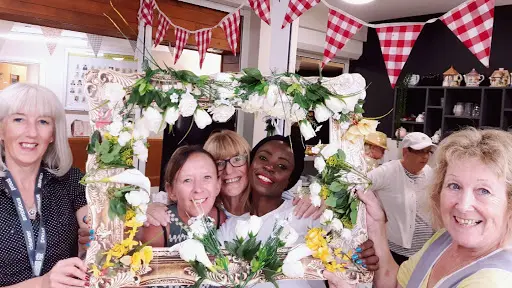
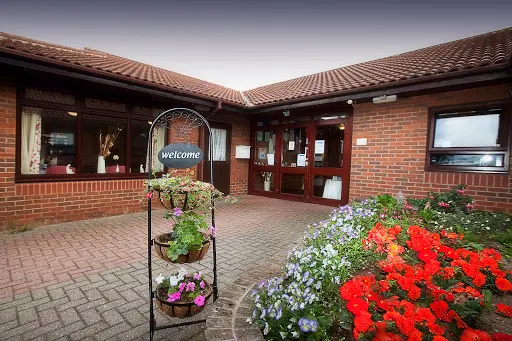
The home itself is clean and well-maintained, with bright modern spaces throughout. Meals get consistent praise for their quality. There's a structured programme of activities that staff encourage residents to join, helping maintain engagement and routine.
“Every family's situation is unique, so it's worth visiting to see if Wollaton View could work for your loved one.”
DCC does not edit or curate content in this tab. For independently curated information, see The Evidence and DCC Verdict.