Castle Grange
At a Glance
The information you need to decide whether this home warrants a closer look.
Residential homes
Staff warmth score
of reviewers answered yes
Good to know
- Registered beds40
- SpecialismsCaring for adults over 65 yrs, Dementia, Physical disabilities
- Last inspected2023-03-23
Save Castle Grange to your shortlist
Keep a running list, add visit notes, and compare homes side-by-side. Free account — it takes a minute.
STAGE 4 — RESEARCHING CARE HOMES
Visit homes. Compare them side by side. Choose with confidence.
Most of us will view care homes the way we view houses, impression, atmosphere, the feeling in the corridor. We go home, try to remember what we saw, and make a permanent decision from a blurred memory.

The DCC shortlist gives every home you visit a structured record: the same twelve questions, answered the same way, every time. When you’re ready to choose, pull any two homes side by side and compare them directly. Same criteria, same evidence, your notes and your scores.
The Evidence
What the review data, the inspection reports, and the dementia-care evidence base tell us about this home.
What families say
Relatives talk about finding staff who are genuinely helpful and supportive, especially during the hardest moments. What stands out is how the care extends to family members too — people feel the team understands what they're going through.
The eight family priority themes
- Staff warmth55
- Compassion & dignity55
- Cleanliness60
- Activities & engagement50
- Food quality50
- Healthcare55
- Management & leadership65
- Resident happiness55
What inspectors found
Inspected 2023-03-23
Is this home safe?
Is the care effective?
The inspection rated the Effective domain as Good. Castle Grange is registered to provide care for people with dementia and physical disabilities, which means inspectors will have considered whether the home has appropriate training and care planning in place. However, the published summary does not include specific detail about dementia training content, care plan quality, GP access, nutrition assessment, or how care plans are reviewed with families.Is this home caring?
The inspection rated the Caring domain as Good. This is the domain most directly linked to how staff treat your parent day to day: whether they are kind, unhurried, respectful, and attentive to dignity. The published summary does not include direct observations of staff interactions, resident testimony, or specific examples of how dignity and privacy are maintained. A Good rating confirms that inspectors found no evidence of poor practice in this area.Is the home responsive?
The inspection rated the Responsive domain as Good. This domain covers whether the home adapts to your parent as an individual: activities tailored to their interests, a care plan that reflects who they are, and how end-of-life wishes are recorded and respected. The published summary does not include specific detail about the activity programme, individual engagement for residents who cannot join groups, or how complaints are handled.Is the home well-led?
The inspection rated the Well-led domain as Good. A named registered manager, Ms Beverley Anne Smith, is recorded as in post, supported by nominated individual Mr Saf Bhuta. The home is operated by Kirklees Metropolitan Council, a local authority, which brings a layer of public accountability. The improvement from Requires Improvement to Good across all domains suggests that leadership has been effective in identifying and addressing earlier concerns. The published summary does not include specific observations about management visibility, staff culture, or how the home acts on feedback.
Source: CQC inspection report →
What the evidence base says
The home cares for adults over 65, with particular experience supporting those with dementia and physical disabilities. Staff show real compassion and understanding when caring for residents with dementia. The secure environment helps keep people safe while allowing them as much independence as possible. All areas worth probing directly during a visit.
The DCC Verdict
Our editorial view, built from the three lenses: what families tell us, what inspectors record, and how the home sits against good dementia-care practice.
DCC Family Score
Castle Grange has achieved a Good rating across all five domains, including an improvement from its previous Requires Improvement rating, which is a meaningful positive signal. However, the published inspection text provides very limited specific detail, so scores reflect confirmed compliance rather than rich observed evidence.
Homes in Yorkshire & Humberside typically score 68–82.The three-lens summary
What families tell us
Relatives talk about finding staff who are genuinely helpful and supportive, especially during the hardest moments. What stands out is how the care extends to family members too — people feel the team understands what they're going through.
What inspectors have recorded
How it sits against good practice
For families facing difficult decisions about dementia care, knowing there's a team that understands can make all the difference.
Worth a visit
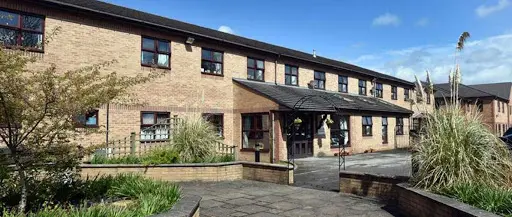
Castle Grange, on Ings Lane in Huddersfield, was rated Good at its most recent inspection in March 2023, with Good awarded in all five domains: Safe, Effective, Caring, Responsive, and Well-led. Importantly, this is an improvement from a previous Requires Improvement rating, which tells you the home identified problems and addressed them. It is run by Kirklees Metropolitan Council, with a named registered manager on record. The home is registered to support up to 40 people, including those living with dementia and physical disabilities. The main uncertainty here is that the published inspection summary contains very little specific detail: no direct observations of staff interactions, no quotes from residents or relatives, and no specific findings about food, activities, staffing ratios, or dementia care practice. A Good rating confirmed after a Requires Improvement is genuinely encouraging, but it tells you that minimum standards are met rather than painting a picture of daily life. When you visit, ask to see last week's actual staffing rota (not a template), observe how staff interact with residents in corridors and at mealtimes, and ask the manager what specifically was improved since the previous inspection and how they know it has stayed that way.
The three questions to ask when you visitSave this home. Compare it against your shortlist.
Let our analysis show you how Castle Grange measures up against the other homes you’re considering. Free account.
In Their Own Words
How Castle Grange describes itself — collected from its own website. DCC has not edited or independently verified the content in this tab.
Where dementia care meets genuine understanding in Huddersfield
Dedicated residential home Support in Huddersfield
When families describe how staff truly understand their loved ones with dementia, it speaks volumes. Castle Grange in Huddersfield has built its reputation on providing thoughtful support for residents over 65, including those living with dementia and physical disabilities. Families particularly value how the team helps them navigate this difficult journey together.
Who they care for
The home cares for adults over 65, with particular experience supporting those with dementia and physical disabilities.
Staff show real compassion and understanding when caring for residents with dementia. The secure environment helps keep people safe while allowing them as much independence as possible.
“For families facing difficult decisions about dementia care, knowing there's a team that understands can make all the difference.”
DCC does not edit or curate content in this tab. For independently curated information, see The Evidence and DCC Verdict.
The DCC Verdict
Our editorial view, built from the three lenses: what families tell us, what inspectors record, and how the home sits against good dementia-care practice.
DCC Family Score
Castle Grange has achieved a Good rating across all five domains, including an improvement from its previous Requires Improvement rating, which is a meaningful positive signal. However, the published inspection text provides very limited specific detail, so scores reflect confirmed compliance rather than rich observed evidence.
Homes in Yorkshire & Humberside typically score 68–82.The three-lens summary
What families tell us
Relatives talk about finding staff who are genuinely helpful and supportive, especially during the hardest moments. What stands out is how the care extends to family members too — people feel the team understands what they're going through.
What inspectors have recorded
How it sits against good practice
For families facing difficult decisions about dementia care, knowing there's a team that understands can make all the difference.
Worth a visit
Castle Grange, on Ings Lane in Huddersfield, was rated Good at its most recent inspection in March 2023, with Good awarded in all five domains: Safe, Effective, Caring, Responsive, and Well-led. Importantly, this is an improvement from a previous Requires Improvement rating, which tells you the home identified problems and addressed them. It is run by Kirklees Metropolitan Council, with a named registered manager on record. The home is registered to support up to 40 people, including those living with dementia and physical disabilities. The main uncertainty here is that the published inspection summary contains very little specific detail: no direct observations of staff interactions, no quotes from residents or relatives, and no specific findings about food, activities, staffing ratios, or dementia care practice. A Good rating confirmed after a Requires Improvement is genuinely encouraging, but it tells you that minimum standards are met rather than painting a picture of daily life. When you visit, ask to see last week's actual staffing rota (not a template), observe how staff interact with residents in corridors and at mealtimes, and ask the manager what specifically was improved since the previous inspection and how they know it has stayed that way.
The three questions to ask when you visitSave this home. Compare it against your shortlist.
Let our analysis show you how Castle Grange measures up against the other homes you’re considering. Free account.
In Their Own Words
How Castle Grange describes itself — collected from its own website. DCC has not edited or independently verified the content in this tab.
Where dementia care meets genuine understanding in Huddersfield
Dedicated residential home Support in Huddersfield
When families describe how staff truly understand their loved ones with dementia, it speaks volumes. Castle Grange in Huddersfield has built its reputation on providing thoughtful support for residents over 65, including those living with dementia and physical disabilities. Families particularly value how the team helps them navigate this difficult journey together.
Who they care for
The home cares for adults over 65, with particular experience supporting those with dementia and physical disabilities.
Staff show real compassion and understanding when caring for residents with dementia. The secure environment helps keep people safe while allowing them as much independence as possible.
The home & environment
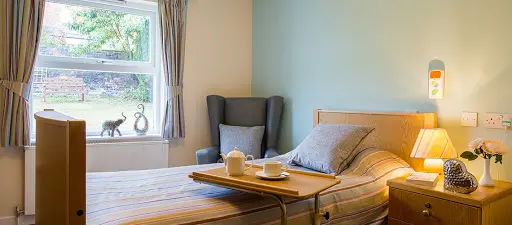
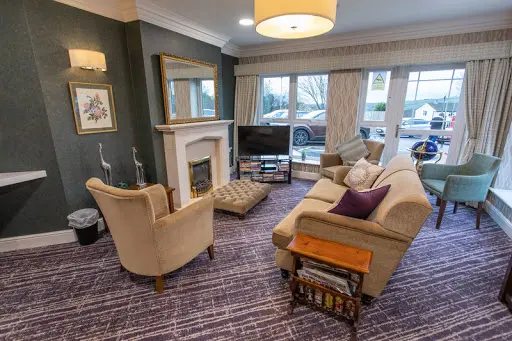
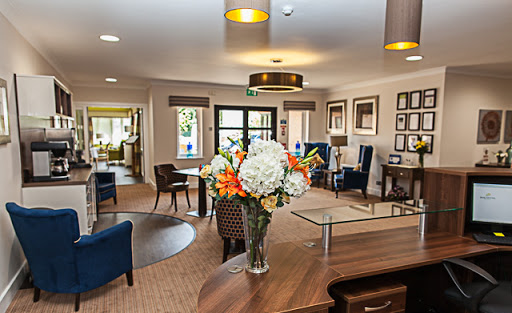
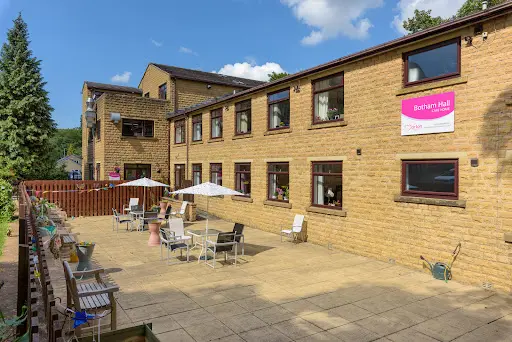
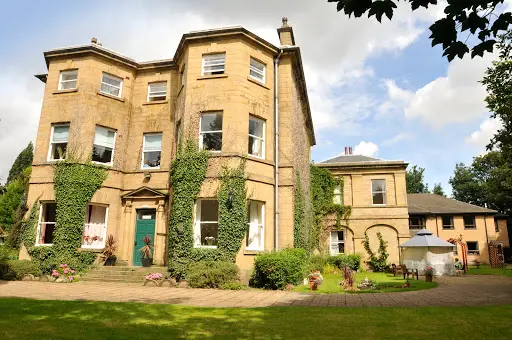
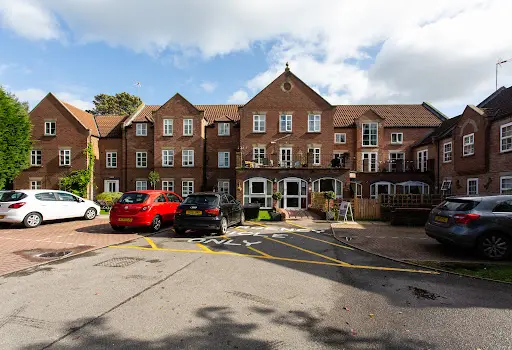
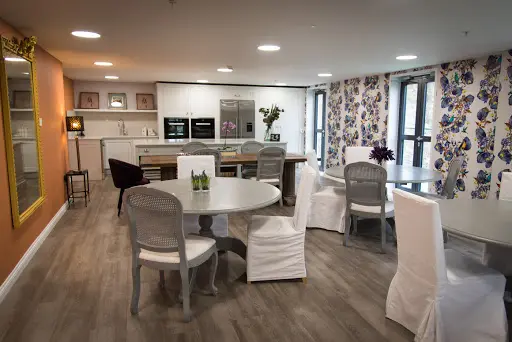
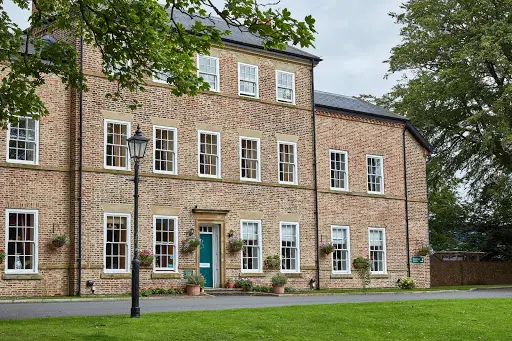
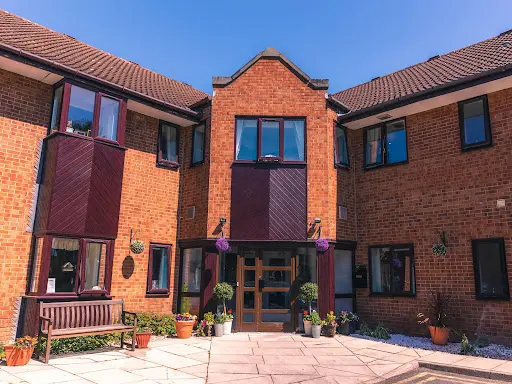
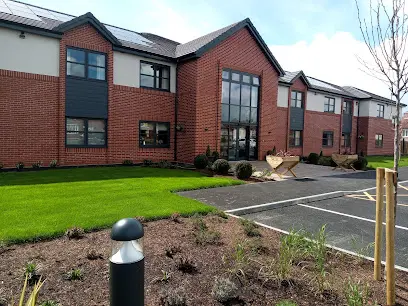
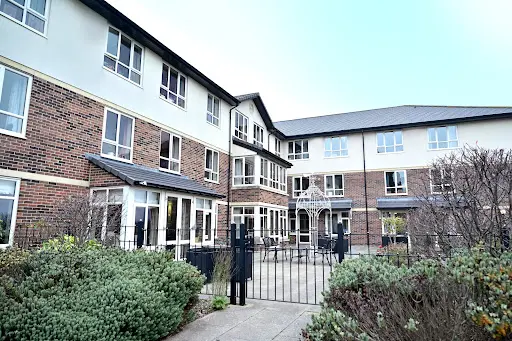
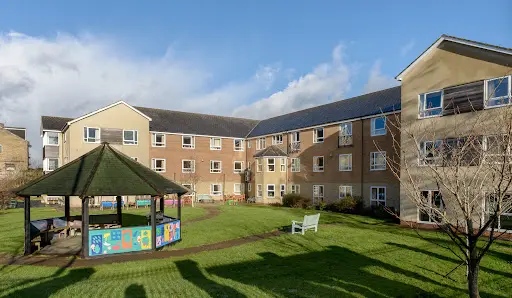
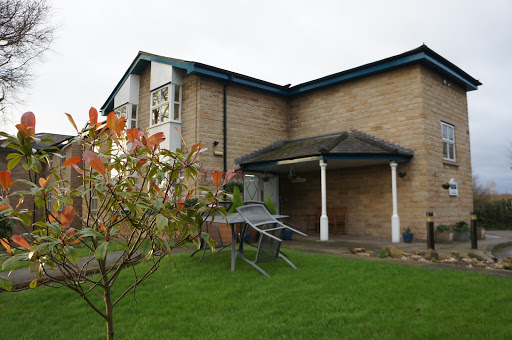
Families consistently mention seeing their loved ones well-dressed, clean and properly fed. The home maintains good standards of cleanliness throughout, and the building itself is designed with resident safety in mind, particularly for those who might wander.
“For families facing difficult decisions about dementia care, knowing there's a team that understands can make all the difference.”
DCC does not edit or curate content in this tab. For independently curated information, see The Evidence and DCC Verdict.