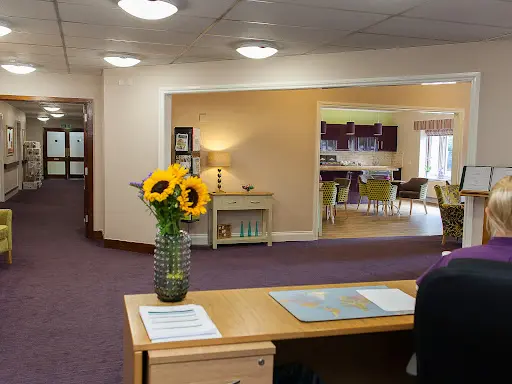
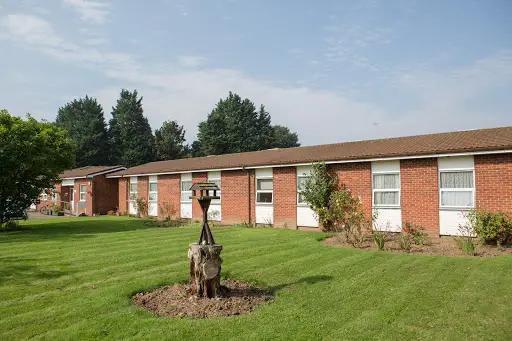
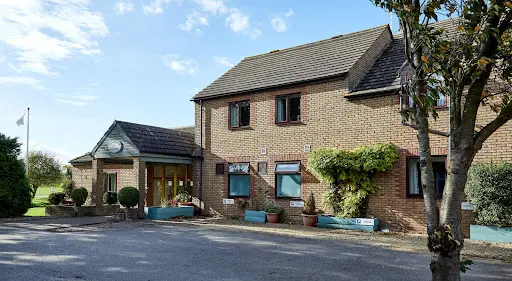
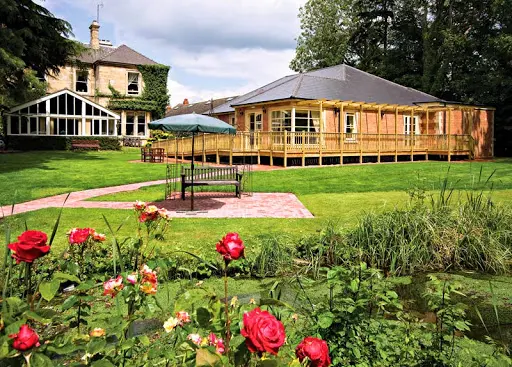
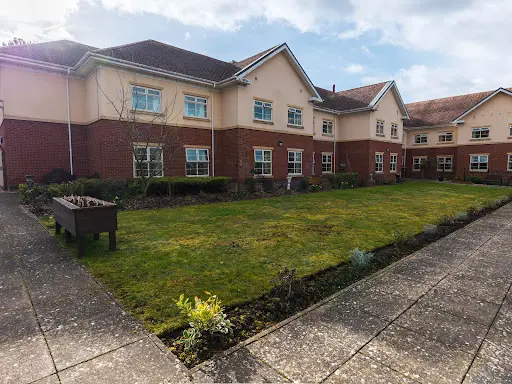
LJ Home Care

At a Glance
The information you need to decide whether this home warrants a closer look.
Residential homes, Homecare agencies
Staff warmth score
of reviewers answered yes
Good to know
- Registered beds16
- SpecialismsCaring for adults over 65 yrs, Dementia, Physical disabilities, Sensory impairment
- Last inspected2022-10-06
Save LJ Home Care to your shortlist
Keep a running list, add visit notes, and compare homes side-by-side. Free account — it takes a minute.
STAGE 4 — RESEARCHING CARE HOMES
Visit homes. Compare them side by side. Choose with confidence.
Most of us will view care homes the way we view houses, impression, atmosphere, the feeling in the corridor. We go home, try to remember what we saw, and make a permanent decision from a blurred memory.

The DCC shortlist gives every home you visit a structured record: the same twelve questions, answered the same way, every time. When you’re ready to choose, pull any two homes side by side and compare them directly. Same criteria, same evidence, your notes and your scores.
The Evidence
What the review data, the inspection reports, and the dementia-care evidence base tell us about this home.
What families say
Families describe how individual carers build meaningful connections with residents, providing consistent daily support and real companionship. The quality of these relationships has helped people through difficult times, with carers showing genuine dedication even during challenging periods.
The eight family priority themes
- Staff warmth55
- Compassion & dignity55
- Cleanliness55
- Activities & engagement50
- Food quality50
- Healthcare55
- Management & leadership65
- Resident happiness55
What inspectors found
Inspected 2022-10-06
Is this home safe?
Is the care effective?
The inspection rated the Effective domain as Good. No specific information about care plan content, GP access, dementia training for staff, or food quality is recorded in the published text. The home is registered to care for people living with dementia as well as those with physical disabilities and sensory impairments, which requires specialised knowledge and practice. The published report does not describe how staff are trained or supported to provide this.Is this home caring?
The inspection rated the Caring domain as Good. No direct observations of staff interactions, no quotes from residents or relatives about kindness or dignity, and no descriptions of how personal care is delivered are included in the published text. A Good rating in this domain indicates inspectors were satisfied, but the absence of specific evidence means it is not possible to describe what caring practice looks like at York House from the published report alone.Is the home responsive?
The inspection rated the Responsive domain as Good. No information about activities, individual engagement, end-of-life planning, or how the home responds to changing needs is included in the published text. The home supports people with a range of needs including dementia and sensory impairments, which requires responsive, individually tailored approaches. The published report does not describe how this is achieved in practice.Is the home well-led?
The inspection rated the Well-led domain as Good. A registered manager, Mrs Jayne Marie Bracken, is confirmed as in post, and Mrs Linda Petruzziello is named as the nominated individual for LJ Care Homes Ltd. The home's improvement from an Inadequate rating to Good across all domains suggests a meaningful change in leadership or practice since the previous inspection. The published report does not describe how long the current manager has been in post, what changes were made, or how staff culture has shifted.
Source: CQC inspection report →
What the evidence base says
The home provides specialist support for people with sensory impairments and physical disabilities, alongside dementia care. They care for adults over 65 who need varying levels of physical assistance. For those living with dementia, the service aims to provide consistent carers who can build familiar routines and trusted relationships. This continuity helps create stability during a time of change. All areas worth probing directly during a visit.
The DCC Verdict
Our editorial view, built from the three lenses: what families tell us, what inspectors record, and how the home sits against good dementia-care practice.
DCC Family Score
York House has made a significant turnaround from Inadequate to Good across all five inspection domains, which is genuinely encouraging. However, the published inspection text contains very little specific observational detail, so many scores are held at the lower end of the positive range until you can verify the picture on a visit.
Homes in East Midlands typically score 68–82.The three-lens summary
What families tell us
Families describe how individual carers build meaningful connections with residents, providing consistent daily support and real companionship. The quality of these relationships has helped people through difficult times, with carers showing genuine dedication even during challenging periods.
What inspectors have recorded
Communication from management has frustrated some families, with appointments sometimes cancelled without notice and gaps in service not always explained. While the carers themselves often go out of their way to help, the administrative side can feel disconnected from the care being delivered.
How it sits against good practice
If you're considering York House, it might help to visit and meet some of the carers who could be supporting your loved one.
Worth a visit
York House, at 15 Waterside in Lincoln, was rated Good at its inspection in August 2022, published in October 2022. Crucially, this follows a previous rating of Inadequate, meaning the home has demonstrated it can recognise serious problems and turn them around across all five inspection domains: Safe, Effective, Caring, Responsive, and Well-led. A named registered manager is in post, and the home is registered to support people living with dementia, those with physical disabilities, and those with sensory impairments, across 16 beds. The main uncertainty here is significant. The published inspection text contains almost no specific observational detail: no quotes from residents or relatives, no descriptions of staff interactions, no information about meals, activities, staffing ratios, or dementia-specific practice. A Good rating is a meaningful baseline, but it tells you very little about what daily life actually looks like for your parent. Before making any decision, visit in person, ideally at a mealtime and unannounced if the home permits it. Ask to see the staffing rota for the past two weeks so you can check how many permanent staff work the night shift and how often agency staff are used. Ask what has changed since the Inadequate rating and what evidence the manager can show you of those improvements holding.
The three questions to ask when you visitSave this home. Compare it against your shortlist.
Let our analysis show you how LJ Home Care measures up against the other homes you’re considering. Free account.
In Their Own Words
How LJ Home Care describes itself — collected from its own website. DCC has not edited or independently verified the content in this tab.
Where caring staff make real connections despite operational challenges
York House – Your Trusted residential home,homecare agency
York House in Lincoln brings together carers who genuinely connect with the people they support, though families report the service works best when you build direct relationships with individual staff members. This East Midlands care home specialises in supporting people with sensory impairments, dementia, physical disabilities and those over 65.
Who they care for
The home provides specialist support for people with sensory impairments and physical disabilities, alongside dementia care. They care for adults over 65 who need varying levels of physical assistance.
For those living with dementia, the service aims to provide consistent carers who can build familiar routines and trusted relationships. This continuity helps create stability during a time of change.
“If you're considering York House, it might help to visit and meet some of the carers who could be supporting your loved one.”
DCC does not edit or curate content in this tab. For independently curated information, see The Evidence and DCC Verdict.
The DCC Verdict
Our editorial view, built from the three lenses: what families tell us, what inspectors record, and how the home sits against good dementia-care practice.
DCC Family Score
York House has made a significant turnaround from Inadequate to Good across all five inspection domains, which is genuinely encouraging. However, the published inspection text contains very little specific observational detail, so many scores are held at the lower end of the positive range until you can verify the picture on a visit.
Homes in East Midlands typically score 68–82.The three-lens summary
What families tell us
Families describe how individual carers build meaningful connections with residents, providing consistent daily support and real companionship. The quality of these relationships has helped people through difficult times, with carers showing genuine dedication even during challenging periods.
What inspectors have recorded
Communication from management has frustrated some families, with appointments sometimes cancelled without notice and gaps in service not always explained. While the carers themselves often go out of their way to help, the administrative side can feel disconnected from the care being delivered.
How it sits against good practice
If you're considering York House, it might help to visit and meet some of the carers who could be supporting your loved one.
Worth a visit
York House, at 15 Waterside in Lincoln, was rated Good at its inspection in August 2022, published in October 2022. Crucially, this follows a previous rating of Inadequate, meaning the home has demonstrated it can recognise serious problems and turn them around across all five inspection domains: Safe, Effective, Caring, Responsive, and Well-led. A named registered manager is in post, and the home is registered to support people living with dementia, those with physical disabilities, and those with sensory impairments, across 16 beds. The main uncertainty here is significant. The published inspection text contains almost no specific observational detail: no quotes from residents or relatives, no descriptions of staff interactions, no information about meals, activities, staffing ratios, or dementia-specific practice. A Good rating is a meaningful baseline, but it tells you very little about what daily life actually looks like for your parent. Before making any decision, visit in person, ideally at a mealtime and unannounced if the home permits it. Ask to see the staffing rota for the past two weeks so you can check how many permanent staff work the night shift and how often agency staff are used. Ask what has changed since the Inadequate rating and what evidence the manager can show you of those improvements holding.
The three questions to ask when you visitSave this home. Compare it against your shortlist.
Let our analysis show you how LJ Home Care measures up against the other homes you’re considering. Free account.
In Their Own Words
How LJ Home Care describes itself — collected from its own website. DCC has not edited or independently verified the content in this tab.
Where caring staff make real connections despite operational challenges
York House – Your Trusted residential home,homecare agency
York House in Lincoln brings together carers who genuinely connect with the people they support, though families report the service works best when you build direct relationships with individual staff members. This East Midlands care home specialises in supporting people with sensory impairments, dementia, physical disabilities and those over 65.
Who they care for
The home provides specialist support for people with sensory impairments and physical disabilities, alongside dementia care. They care for adults over 65 who need varying levels of physical assistance.
For those living with dementia, the service aims to provide consistent carers who can build familiar routines and trusted relationships. This continuity helps create stability during a time of change.
Management & ethos
Communication from management has frustrated some families, with appointments sometimes cancelled without notice and gaps in service not always explained. While the carers themselves often go out of their way to help, the administrative side can feel disconnected from the care being delivered.
“If you're considering York House, it might help to visit and meet some of the carers who could be supporting your loved one.”
DCC does not edit or curate content in this tab. For independently curated information, see The Evidence and DCC Verdict.