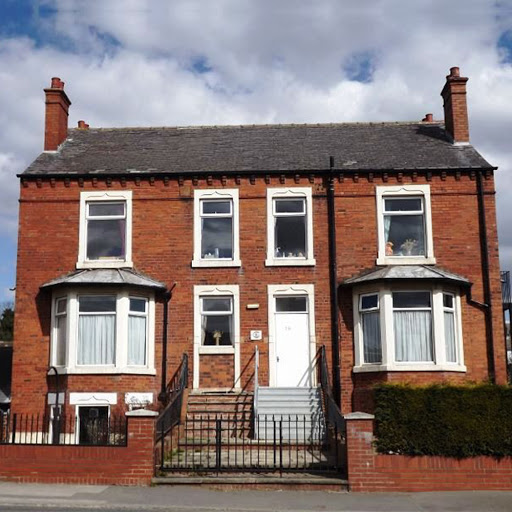
Broxbourne
At a Glance
The information you need to decide whether this home warrants a closer look.
Residential homes
Staff warmth score
of reviewers answered yes
Good to know
- Registered beds20
- SpecialismsCaring for adults over 65 yrs, Caring for adults under 65 yrs, Dementia, Mental health conditions, Physical disabilities
- Last inspected2023-03-07
Save Broxbourne to your shortlist
Keep a running list, add visit notes, and compare homes side-by-side. Free account — it takes a minute.
STAGE 4 — RESEARCHING CARE HOMES
Visit homes. Compare them side by side. Choose with confidence.
Most of us will view care homes the way we view houses, impression, atmosphere, the feeling in the corridor. We go home, try to remember what we saw, and make a permanent decision from a blurred memory.

The DCC shortlist gives every home you visit a structured record: the same twelve questions, answered the same way, every time. When you’re ready to choose, pull any two homes side by side and compare them directly. Same criteria, same evidence, your notes and your scores.
The Evidence
What the review data, the inspection reports, and the dementia-care evidence base tell us about this home.
What families say
Families mention how staff adjust their approach to match each person's needs and mood. There's a sense that residents are encouraged to join in with activities at their own pace, rather than just being passive observers.
The eight family priority themes
- Staff warmth72
- Compassion & dignity72
- Cleanliness70
- Activities & engagement65
- Food quality65
- Healthcare68
- Management & leadership74
- Resident happiness70
What inspectors found
Inspected 2023-03-07
Is this home safe?
Is the care effective?
The inspection rated Broxbourne House Good for effectiveness at its February 2023 visit. Effectiveness covers whether staff are properly trained, whether care plans are detailed and kept up to date, whether residents have access to GPs and other health professionals, and whether food is of good quality with genuine choice. None of these areas are described in specific terms in the published report. Dementia is listed as a specialism, which implies that some level of dementia-specific training and practice is in place, but the inspection text does not confirm this.Is this home caring?
The inspection rated Broxbourne House Good for caring at its February 2023 visit. The caring domain covers staff warmth, dignity, respect, the use of preferred names, and whether residents feel in control of their daily lives. The published report does not describe any specific observations in this domain, no inspector observations of staff interactions, no resident testimony about how they are treated, and no examples of dignity-preserving practice. The improvement from Requires Improvement suggests that concerns in this area have been resolved, but the detail is not available in the published text.Is the home responsive?
The inspection rated Broxbourne House Good for responsiveness at its February 2023 visit. The responsive domain covers whether the home tailors care to individuals, whether there is a varied and meaningful activity programme, whether people who cannot join group activities receive one-to-one engagement, and whether complaints are handled well. None of these areas are described with specific detail in the published report. The home supports a mixed group of residents including people with dementia, mental health conditions, and physical disabilities, which means the activity and engagement offer needs to be flexible.Is the home well-led?
The inspection rated Broxbourne House Good for well-led at its February 2023 visit. A named registered manager, Ms Andrea Jayne Webster, is in post. The well-led domain covers whether leadership is visible and stable, whether staff feel supported and able to raise concerns, whether the home learns from incidents, and whether governance systems are robust. None of these areas are described in specific terms in the published report. The improvement from Requires Improvement to Good across all domains is itself a signal of effective leadership, but the mechanism behind that improvement is not described.
Source: CQC inspection report →
What the evidence base says
Broxbourne House provides care for adults both under and over 65, including those living with dementia, mental health conditions and physical disabilities. For residents with dementia, staff seem particularly attuned to changing needs throughout the day. Families describe care that adapts to different moods and behaviours. All areas worth probing directly during a visit.
The DCC Verdict
Our editorial view, built from the three lenses: what families tell us, what inspectors record, and how the home sits against good dementia-care practice.
DCC Family Score
Broxbourne House scores 72 out of 100. The home has improved from Requires Improvement to Good across all five inspection domains, which is a meaningful step forward, but the published inspection text contains very limited specific detail, so scores reflect a confirmed positive direction rather than strong observed evidence.
Homes in Yorkshire & Humberside typically score 68–82.The three-lens summary
What families tell us
Families mention how staff adjust their approach to match each person's needs and mood. There's a sense that residents are encouraged to join in with activities at their own pace, rather than just being passive observers.
What inspectors have recorded
The home appears to be professionally run, with families noting good communication about their relatives' preferences and daily life. The owner is described as being approachable and present in the home.
How it sits against good practice
If you're looking for care that responds to the person, not just the condition, it might be worth arranging a visit.
Worth a visit
Broxbourne House, a 20-bed residential home on Barnsley Road in Wakefield, was rated Good across all five inspection domains at its most recent inspection on 24 February 2023. This is a significant improvement from its previous Requires Improvement rating, and an all-Good outcome across every domain is a positive baseline for any family starting their search. The home supports people with dementia, mental health conditions, and physical disabilities, alongside older and younger adults. The main uncertainty here is straightforward: the published inspection text is extremely brief and contains almost no specific observations, resident testimony, or inspector detail. A Good rating is meaningful, but without the supporting evidence, this report cannot tell you whether staff are warm, whether mealtimes are calm, or how dementia care is delivered in practice. Before you visit, prepare a list of direct questions using the checklist above. On arrival, pay close attention to how staff interact with residents in corridors and communal areas, whether the home feels calm and unhurried, and whether the manager is visibly present. Ask specifically about night staffing numbers and agency use, as these are the areas where safety most often slips in homes of this size.
The three questions to ask when you visitSave this home. Compare it against your shortlist.
Let our analysis show you how Broxbourne measures up against the other homes you’re considering. Free account.
In Their Own Words
How Broxbourne describes itself — collected from its own website. DCC has not edited or independently verified the content in this tab.
Where dignity meets genuine understanding of individual needs
Broxbourne House – Expert Care in Wakefield
When families describe Broxbourne House in Wakefield, they talk about staff who really tune in to what each resident needs. This Yorkshire care home supports people with dementia, mental health conditions and physical disabilities, with a focus on helping residents stay as involved as they want to be.
Who they care for
Broxbourne House provides care for adults both under and over 65, including those living with dementia, mental health conditions and physical disabilities.
For residents with dementia, staff seem particularly attuned to changing needs throughout the day. Families describe care that adapts to different moods and behaviours.
“If you're looking for care that responds to the person, not just the condition, it might be worth arranging a visit.”
DCC does not edit or curate content in this tab. For independently curated information, see The Evidence and DCC Verdict.
The DCC Verdict
Our editorial view, built from the three lenses: what families tell us, what inspectors record, and how the home sits against good dementia-care practice.
DCC Family Score
Broxbourne House scores 72 out of 100. The home has improved from Requires Improvement to Good across all five inspection domains, which is a meaningful step forward, but the published inspection text contains very limited specific detail, so scores reflect a confirmed positive direction rather than strong observed evidence.
Homes in Yorkshire & Humberside typically score 68–82.The three-lens summary
What families tell us
Families mention how staff adjust their approach to match each person's needs and mood. There's a sense that residents are encouraged to join in with activities at their own pace, rather than just being passive observers.
What inspectors have recorded
The home appears to be professionally run, with families noting good communication about their relatives' preferences and daily life. The owner is described as being approachable and present in the home.
How it sits against good practice
If you're looking for care that responds to the person, not just the condition, it might be worth arranging a visit.
Worth a visit
Broxbourne House, a 20-bed residential home on Barnsley Road in Wakefield, was rated Good across all five inspection domains at its most recent inspection on 24 February 2023. This is a significant improvement from its previous Requires Improvement rating, and an all-Good outcome across every domain is a positive baseline for any family starting their search. The home supports people with dementia, mental health conditions, and physical disabilities, alongside older and younger adults. The main uncertainty here is straightforward: the published inspection text is extremely brief and contains almost no specific observations, resident testimony, or inspector detail. A Good rating is meaningful, but without the supporting evidence, this report cannot tell you whether staff are warm, whether mealtimes are calm, or how dementia care is delivered in practice. Before you visit, prepare a list of direct questions using the checklist above. On arrival, pay close attention to how staff interact with residents in corridors and communal areas, whether the home feels calm and unhurried, and whether the manager is visibly present. Ask specifically about night staffing numbers and agency use, as these are the areas where safety most often slips in homes of this size.
The three questions to ask when you visitSave this home. Compare it against your shortlist.
Let our analysis show you how Broxbourne measures up against the other homes you’re considering. Free account.
In Their Own Words
How Broxbourne describes itself — collected from its own website. DCC has not edited or independently verified the content in this tab.
Where dignity meets genuine understanding of individual needs
Broxbourne House – Expert Care in Wakefield
When families describe Broxbourne House in Wakefield, they talk about staff who really tune in to what each resident needs. This Yorkshire care home supports people with dementia, mental health conditions and physical disabilities, with a focus on helping residents stay as involved as they want to be.
Who they care for
Broxbourne House provides care for adults both under and over 65, including those living with dementia, mental health conditions and physical disabilities.
For residents with dementia, staff seem particularly attuned to changing needs throughout the day. Families describe care that adapts to different moods and behaviours.
Management & ethos
The home appears to be professionally run, with families noting good communication about their relatives' preferences and daily life. The owner is described as being approachable and present in the home.
“If you're looking for care that responds to the person, not just the condition, it might be worth arranging a visit.”
DCC does not edit or curate content in this tab. For independently curated information, see The Evidence and DCC Verdict.