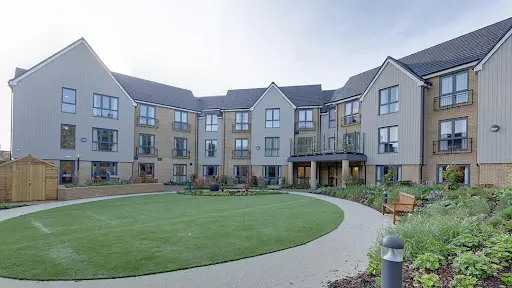
Chestnut Lodge Care Home
At a Glance
The information you need to decide whether this home warrants a closer look.
Residential homes
Staff warmth score
of reviewers answered yes
Good to know
- Registered beds60
- SpecialismsCaring for adults over 65 yrs, Caring for adults under 65 yrs, Dementia
- Last inspected2023-04-06
Save Chestnut Lodge Care Home to your shortlist
Keep a running list, add visit notes, and compare homes side-by-side. Free account — it takes a minute.
STAGE 4 — RESEARCHING CARE HOMES
Visit homes. Compare them side by side. Choose with confidence.
Most of us will view care homes the way we view houses, impression, atmosphere, the feeling in the corridor. We go home, try to remember what we saw, and make a permanent decision from a blurred memory.

The DCC shortlist gives every home you visit a structured record: the same twelve questions, answered the same way, every time. When you’re ready to choose, pull any two homes side by side and compare them directly. Same criteria, same evidence, your notes and your scores.
The Evidence
What the review data, the inspection reports, and the dementia-care evidence base tell us about this home.
What families say
Families describe a warmth here that goes beyond professional care. The staff bring a cheerful energy to daily life while showing deep understanding when residents face tough moments. People talk about how the team really listens — not just hearing words, but understanding what residents need.
The eight family priority themes
- Staff warmth65
- Compassion & dignity68
- Cleanliness58
- Activities & engagement60
- Food quality55
- Healthcare58
- Management & leadership72
- Resident happiness65
What inspectors found
Inspected 2023-04-06
Is this home safe?
Is the care effective?
The Effective domain was rated Good, which covers whether staff have the right training, whether care plans are up to date and person-centred, whether your parent would receive appropriate healthcare, and whether their nutritional needs are understood and met. A Good rating here suggests these basics are in place. However, the published inspection summary does not include specific observations, resident testimony, or examples of care planning practice, which limits how much confidence families can draw from the rating alone.Is this home caring?
Caring was rated Good, which covers how staff treat your parent — whether they are warm and respectful, whether privacy and dignity are maintained, and whether your parent retains as much independence as possible. A Good rating in this domain is genuinely positive. However, the published summary contains no direct quotes from residents or relatives, and no specific observations about staff behaviour recorded by inspectors, which means families must gather this evidence themselves on a visit.Is the home responsive?
The Responsive domain was rated Good, covering whether the home adapts to individual needs, provides meaningful activities, and plans appropriately for end of life. A Good rating suggests the home is meeting individual needs and responding when circumstances change. As with other domains, the published summary provides no specific detail about activity programmes, one-to-one engagement, or how the home supports people with advanced dementia who cannot join group activities.Is the home well-led?
Well-Led was rated Good, which is a meaningful positive given the home's previous overall rating of Requires Improvement. A Good Well-Led rating suggests the management team has put functioning governance structures in place, that staff feel supported and can raise concerns, and that the home is improving rather than declining. The home has a named Registered Manager and a Nominated Individual, providing clear lines of accountability. The published summary does not detail the manager's tenure or the specific improvements made since the previous inspection.
Source: CQC inspection report →
What the evidence base says
Chestnut Lodge provides specialist dementia care alongside general support for adults over 65, with additional expertise in caring for younger adults who need residential support. The dementia care here focuses on truly listening to each person's needs and concerns. Staff work to maintain that vital emotional connection, bringing both professional expertise and genuine human warmth to their approach. All areas worth probing directly during a visit.
The DCC Verdict
Our editorial view, built from the three lenses: what families tell us, what inspectors record, and how the home sits against good dementia-care practice.
DCC Family Score
Chestnut Lodge has made real progress — moving up from Requires Improvement to Good overall — but the ongoing safety concerns mean there are important gaps in specific evidence that families need to explore directly before making a decision.
Homes in South East typically score 68–82.The three-lens summary
What families tell us
Families describe a warmth here that goes beyond professional care. The staff bring a cheerful energy to daily life while showing deep understanding when residents face tough moments. People talk about how the team really listens — not just hearing words, but understanding what residents need.
What inspectors have recorded
The care team here seems to understand that supporting someone through dementia or end-of-life care requires more than clinical skills. Families have found staff who stay emotionally present during the hardest times, offering the kind of compassionate support that makes a genuine difference.
How it sits against good practice
Sometimes the most important thing a care home can offer is the promise that your loved one will be heard and understood — something Chestnut Lodge seems to deliver with real heart.
Worth a visit
Chestnut Lodge Care Home in Tonbridge was inspected in March 2023 and rated Good overall — a meaningful step forward from its previous rating of Requires Improvement. The home supports up to 60 people, including those living with dementia, and has achieved Good ratings in four of the five inspection domains: Effective, Caring, Responsive, and Well-Led. This trajectory matters: a home that has demonstrably improved is often one where leadership is actively engaged and staff morale is moving in the right direction. However, the Safety domain remains rated Requires Improvement, and the published inspection summary does not provide enough specific detail to fully reassure families about what this means in practice. The concerns behind the safety rating — whether related to staffing, medicines management, risk assessment, or infection control — are not spelled out in the available text, which makes it harder to judge how serious they are. Before visiting, prepare specific questions: How many permanent staff are on the dementia unit after 8pm? What proportion of shifts are covered by agency workers? How has the home addressed the issues raised in the safety findings? On your visit, look at how staff interact in corridors — are they unhurried, do they use your parent's preferred name, and do they seem to know the people they are caring for?
The three questions to ask when you visitSave this home. Compare it against your shortlist.
Let our analysis show you how Chestnut Lodge Care Home measures up against the other homes you’re considering. Free account.
In Their Own Words
How Chestnut Lodge Care Home describes itself — collected from its own website. DCC has not edited or independently verified the content in this tab.
Where compassionate care meets genuine emotional support
Dedicated residential home Support in Tonbridge
When families need dementia care that truly understands the emotional journey, they often find their answer at Chestnut Lodge Care Home in Tonbridge. This care home has built its reputation on something deeply personal — the ability to support both residents and families through life's most challenging moments. It's the kind of place where staff genuinely listen, where difficult days are met with real compassion.
Who they care for
Chestnut Lodge provides specialist dementia care alongside general support for adults over 65, with additional expertise in caring for younger adults who need residential support.
The dementia care here focuses on truly listening to each person's needs and concerns. Staff work to maintain that vital emotional connection, bringing both professional expertise and genuine human warmth to their approach.
“Sometimes the most important thing a care home can offer is the promise that your loved one will be heard and understood — something Chestnut Lodge seems to deliver with real heart.”
DCC does not edit or curate content in this tab. For independently curated information, see The Evidence and DCC Verdict.
The DCC Verdict
Our editorial view, built from the three lenses: what families tell us, what inspectors record, and how the home sits against good dementia-care practice.
DCC Family Score
Chestnut Lodge has made real progress — moving up from Requires Improvement to Good overall — but the ongoing safety concerns mean there are important gaps in specific evidence that families need to explore directly before making a decision.
Homes in South East typically score 68–82.The three-lens summary
What families tell us
Families describe a warmth here that goes beyond professional care. The staff bring a cheerful energy to daily life while showing deep understanding when residents face tough moments. People talk about how the team really listens — not just hearing words, but understanding what residents need.
What inspectors have recorded
The care team here seems to understand that supporting someone through dementia or end-of-life care requires more than clinical skills. Families have found staff who stay emotionally present during the hardest times, offering the kind of compassionate support that makes a genuine difference.
How it sits against good practice
Sometimes the most important thing a care home can offer is the promise that your loved one will be heard and understood — something Chestnut Lodge seems to deliver with real heart.
Worth a visit
Chestnut Lodge Care Home in Tonbridge was inspected in March 2023 and rated Good overall — a meaningful step forward from its previous rating of Requires Improvement. The home supports up to 60 people, including those living with dementia, and has achieved Good ratings in four of the five inspection domains: Effective, Caring, Responsive, and Well-Led. This trajectory matters: a home that has demonstrably improved is often one where leadership is actively engaged and staff morale is moving in the right direction. However, the Safety domain remains rated Requires Improvement, and the published inspection summary does not provide enough specific detail to fully reassure families about what this means in practice. The concerns behind the safety rating — whether related to staffing, medicines management, risk assessment, or infection control — are not spelled out in the available text, which makes it harder to judge how serious they are. Before visiting, prepare specific questions: How many permanent staff are on the dementia unit after 8pm? What proportion of shifts are covered by agency workers? How has the home addressed the issues raised in the safety findings? On your visit, look at how staff interact in corridors — are they unhurried, do they use your parent's preferred name, and do they seem to know the people they are caring for?
The three questions to ask when you visitSave this home. Compare it against your shortlist.
Let our analysis show you how Chestnut Lodge Care Home measures up against the other homes you’re considering. Free account.
In Their Own Words
How Chestnut Lodge Care Home describes itself — collected from its own website. DCC has not edited or independently verified the content in this tab.
Where compassionate care meets genuine emotional support
Dedicated residential home Support in Tonbridge
When families need dementia care that truly understands the emotional journey, they often find their answer at Chestnut Lodge Care Home in Tonbridge. This care home has built its reputation on something deeply personal — the ability to support both residents and families through life's most challenging moments. It's the kind of place where staff genuinely listen, where difficult days are met with real compassion.
Who they care for
Chestnut Lodge provides specialist dementia care alongside general support for adults over 65, with additional expertise in caring for younger adults who need residential support.
The dementia care here focuses on truly listening to each person's needs and concerns. Staff work to maintain that vital emotional connection, bringing both professional expertise and genuine human warmth to their approach.
Management & ethos
The care team here seems to understand that supporting someone through dementia or end-of-life care requires more than clinical skills. Families have found staff who stay emotionally present during the hardest times, offering the kind of compassionate support that makes a genuine difference.
“Sometimes the most important thing a care home can offer is the promise that your loved one will be heard and understood — something Chestnut Lodge seems to deliver with real heart.”
DCC does not edit or curate content in this tab. For independently curated information, see The Evidence and DCC Verdict.