Hyllden Heights Care Home
At a Glance
The information you need to decide whether this home warrants a closer look.
Nursing homes
Staff warmth score
of reviewers answered yes
Good to know
- Registered beds78
- SpecialismsCaring for adults over 65 yrs, Caring for adults under 65 yrs, Dementia, Physical disabilities, Sensory impairment
- Last inspected2025-05-22
Save Hyllden Heights Care Home to your shortlist
Keep a running list, add visit notes, and compare homes side-by-side. Free account — it takes a minute.
STAGE 4 — RESEARCHING CARE HOMES
Visit homes. Compare them side by side. Choose with confidence.
Most of us will view care homes the way we view houses, impression, atmosphere, the feeling in the corridor. We go home, try to remember what we saw, and make a permanent decision from a blurred memory.

The DCC shortlist gives every home you visit a structured record: the same twelve questions, answered the same way, every time. When you’re ready to choose, pull any two homes side by side and compare them directly. Same criteria, same evidence, your notes and your scores.
The Evidence
What the review data, the inspection reports, and the dementia-care evidence base tell us about this home.
What families say
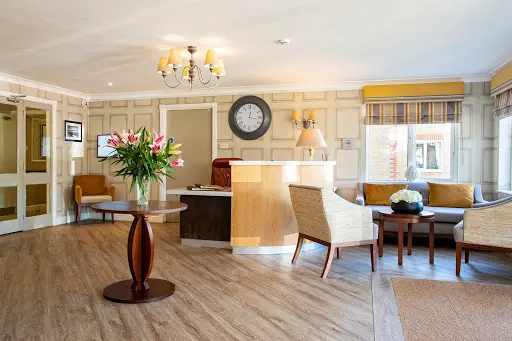
Visitors often mention how genuinely welcomed they feel, with staff greeting them warmly and making time for proper conversations. The atmosphere helps families feel confident about their loved ones' care. Many describe a sense of genuine friendliness that extends throughout the home, from reception through to the memory care floors.
The eight family priority themes
- Staff warmth72
- Compassion & dignity72
- Cleanliness70
- Activities & engagement60
- Food quality60
- Healthcare70
- Management & leadership72
- Resident happiness70
What inspectors found
Inspected 2025-05-22 Report published 2025-05-22
Is this home safe?
Is the care effective?
The inspection rated this domain Good, indicating that inspectors were satisfied with the home's approach to training, care planning, and health oversight at the time of the May 2025 assessment. The home is registered to deliver nursing care as well as personal care, which means residents have access to nursing oversight. The published report does not contain specific information about the content of dementia training, how frequently care plans are reviewed, whether families are included in reviews, or how the home manages GP access and health monitoring.Is this home caring?
The inspection rated this domain Good, indicating that inspectors were satisfied with the warmth, dignity, and respect shown to the people who live at the home during the May 2025 assessment. The published report does not include specific inspector observations of staff interactions, examples of how preferred names are used, or testimony from the people who live there or their families about the quality of day-to-day care. The absence of direct quotes and observations makes it difficult to assess the texture of care beyond the headline rating.Is the home responsive?
The inspection rated this domain Good, indicating that inspectors were satisfied with how the home responds to individual needs, activities, complaints, and end-of-life planning at the time of the May 2025 assessment. The home lists dementia, physical disabilities, and sensory impairments as registered specialisms, and accepts both older and younger adults. The published report does not contain specific information about the activity programme, individual engagement for people who cannot join groups, how complaints are handled, or end-of-life planning processes.Is the home well-led?
The inspection rated this domain Good, indicating that inspectors were satisfied with management, governance, and organisational culture at the time of the May 2025 assessment. A named registered manager, Mr Laurence Patrick Thurlow, is confirmed in post, alongside nominated individual Mr Malcolm Hague. The home is run by Oakland Opco B Limited. The published report does not include information about how long the manager has been in post, whether staff feel able to raise concerns, how the home learns from incidents, or how occupancy changes have affected staffing and culture.
Source: CQC inspection report →
What the evidence base says
The home provides specialist care for people with sensory impairments and physical disabilities alongside its dementia services. It welcomes younger adults under 65 as well as older people, adapting its approach to different life stages and care needs. On the dedicated memory floor, staff show particular understanding of individual triggers and mood patterns. The purpose-built design supports people with dementia through thoughtful layouts and spaces that encourage safe exploration. All areas worth probing directly during a visit.
The DCC Verdict
Our editorial view, built from the three lenses: what families tell us, what inspectors record, and how the home sits against good dementia-care practice.
DCC Family Score
Hyllden Heights Care Home was rated Good across all five inspection domains in May 2025, which is a solid result. The score reflects that inspectors confirmed positive practice across safety, care, and leadership, but the published report contains limited specific observations, direct quotes, or detailed examples, so families should use a visit to fill in the gaps.
Homes in South East typically score 68–82.The three-lens summary
What families tell us
Visitors often mention how genuinely welcomed they feel, with staff greeting them warmly and making time for proper conversations. The atmosphere helps families feel confident about their loved ones' care. Many describe a sense of genuine friendliness that extends throughout the home, from reception through to the memory care floors.
What inspectors have recorded
Staff here take time to understand individual preferences and triggers, particularly on the memory care floor. Families appreciate how teams respond to specific needs and maintain consistent, respectful relationships with both residents and visitors. One family did experience unexplained communication breakdown during the admission process, though this appears isolated against otherwise positive accounts.
How it sits against good practice
For families considering Hyllden Heights, visiting will give you the clearest sense of whether this bright, developing community could work for your loved one.
Worth a visit
Hyllden Heights Care Home, a 78-bed nursing home on Tonbridge Road, was assessed in May 2025 and rated Good across all five inspection domains: safe, effective, caring, responsive, and well-led. A consistent Good across every domain is a positive sign, indicating inspectors found no significant concerns and that the home is meeting the standards expected of it. The home is registered to care for people with dementia, physical disabilities, and sensory impairments, and accepts both older and younger adults. The main limitation of this report, from your perspective as someone choosing care for your parent, is that the published findings contain very little specific detail. There are no direct quotes from the people who live there, no inspector observations of staff interactions, and no specific data on staffing ratios, activity programmes, or food quality. A Good rating tells you the home passed; it does not tell you whether your parent would feel at home there. When you visit, ask to see the actual staffing rota from last week (not a template), ask how many permanent staff work on the dementia unit overnight, and spend time watching how staff speak to the people who live there in corridors and communal spaces.
The three questions to ask when you visitSave this home. Compare it against your shortlist.
Let our analysis show you how Hyllden Heights Care Home measures up against the other homes you’re considering. Free account.
In Their Own Words
How Hyllden Heights Care Home describes itself — collected from its own website. DCC has not edited or independently verified the content in this tab.
Fresh, purposeful spaces where individual needs shape the care
Hyllden Heights Care Home – Expert Care in Tonbridge
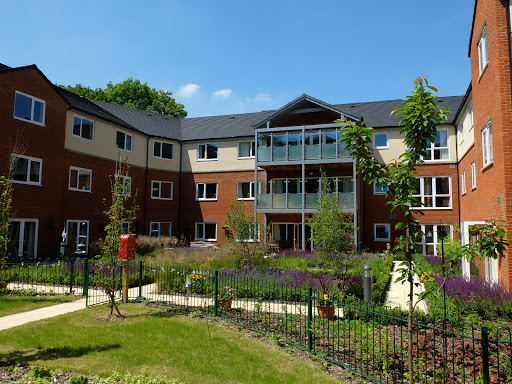
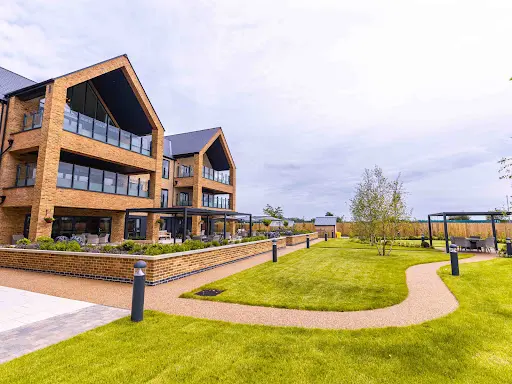
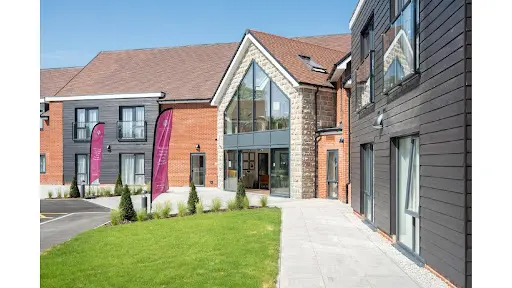
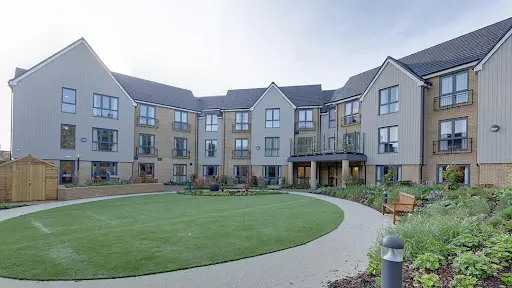
Walking into Hyllden Heights in Tonbridge feels different — there's a brightness and openness that families notice straight away. This newly built care home brings together thoughtful design with staff who quickly learn what makes each resident comfortable. The South East location offers specialised support across sensory impairments, physical disabilities and dementia care, welcoming both younger adults and those over 65.
Who they care for
The home provides specialist care for people with sensory impairments and physical disabilities alongside its dementia services. It welcomes younger adults under 65 as well as older people, adapting its approach to different life stages and care needs.
On the dedicated memory floor, staff show particular understanding of individual triggers and mood patterns. The purpose-built design supports people with dementia through thoughtful layouts and spaces that encourage safe exploration.
“For families considering Hyllden Heights, visiting will give you the clearest sense of whether this bright, developing community could work for your loved one.”
DCC does not edit or curate content in this tab. For independently curated information, see The Evidence and DCC Verdict.
The DCC Verdict
Our editorial view, built from the three lenses: what families tell us, what inspectors record, and how the home sits against good dementia-care practice.
DCC Family Score
Hyllden Heights Care Home was rated Good across all five inspection domains in May 2025, which is a solid result. The score reflects that inspectors confirmed positive practice across safety, care, and leadership, but the published report contains limited specific observations, direct quotes, or detailed examples, so families should use a visit to fill in the gaps.
Homes in South East typically score 68–82.The three-lens summary
What families tell us
Visitors often mention how genuinely welcomed they feel, with staff greeting them warmly and making time for proper conversations. The atmosphere helps families feel confident about their loved ones' care. Many describe a sense of genuine friendliness that extends throughout the home, from reception through to the memory care floors.
What inspectors have recorded
Staff here take time to understand individual preferences and triggers, particularly on the memory care floor. Families appreciate how teams respond to specific needs and maintain consistent, respectful relationships with both residents and visitors. One family did experience unexplained communication breakdown during the admission process, though this appears isolated against otherwise positive accounts.
How it sits against good practice
For families considering Hyllden Heights, visiting will give you the clearest sense of whether this bright, developing community could work for your loved one.
Worth a visit
Hyllden Heights Care Home, a 78-bed nursing home on Tonbridge Road, was assessed in May 2025 and rated Good across all five inspection domains: safe, effective, caring, responsive, and well-led. A consistent Good across every domain is a positive sign, indicating inspectors found no significant concerns and that the home is meeting the standards expected of it. The home is registered to care for people with dementia, physical disabilities, and sensory impairments, and accepts both older and younger adults. The main limitation of this report, from your perspective as someone choosing care for your parent, is that the published findings contain very little specific detail. There are no direct quotes from the people who live there, no inspector observations of staff interactions, and no specific data on staffing ratios, activity programmes, or food quality. A Good rating tells you the home passed; it does not tell you whether your parent would feel at home there. When you visit, ask to see the actual staffing rota from last week (not a template), ask how many permanent staff work on the dementia unit overnight, and spend time watching how staff speak to the people who live there in corridors and communal spaces.
The three questions to ask when you visitSave this home. Compare it against your shortlist.
Let our analysis show you how Hyllden Heights Care Home measures up against the other homes you’re considering. Free account.
In Their Own Words
How Hyllden Heights Care Home describes itself — collected from its own website. DCC has not edited or independently verified the content in this tab.
Fresh, purposeful spaces where individual needs shape the care
Hyllden Heights Care Home – Expert Care in Tonbridge
Walking into Hyllden Heights in Tonbridge feels different — there's a brightness and openness that families notice straight away. This newly built care home brings together thoughtful design with staff who quickly learn what makes each resident comfortable. The South East location offers specialised support across sensory impairments, physical disabilities and dementia care, welcoming both younger adults and those over 65.
Who they care for
The home provides specialist care for people with sensory impairments and physical disabilities alongside its dementia services. It welcomes younger adults under 65 as well as older people, adapting its approach to different life stages and care needs.
On the dedicated memory floor, staff show particular understanding of individual triggers and mood patterns. The purpose-built design supports people with dementia through thoughtful layouts and spaces that encourage safe exploration.
Management & ethos
Staff here take time to understand individual preferences and triggers, particularly on the memory care floor. Families appreciate how teams respond to specific needs and maintain consistent, respectful relationships with both residents and visitors. One family did experience unexplained communication breakdown during the admission process, though this appears isolated against otherwise positive accounts.
The home & environment
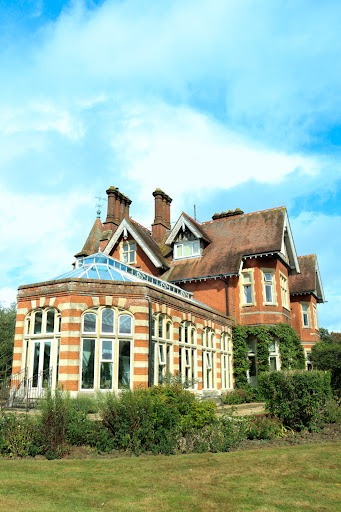
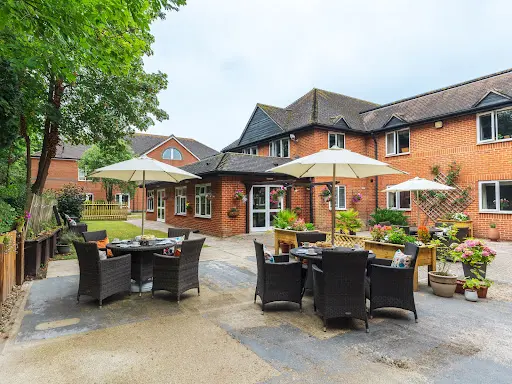
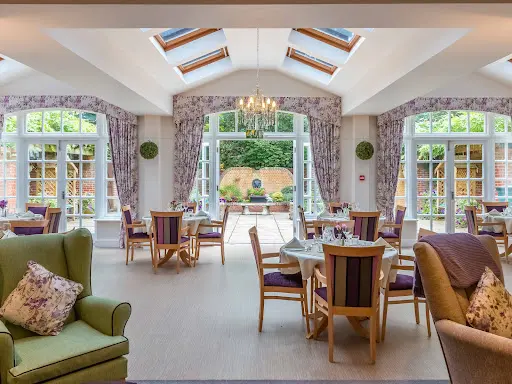
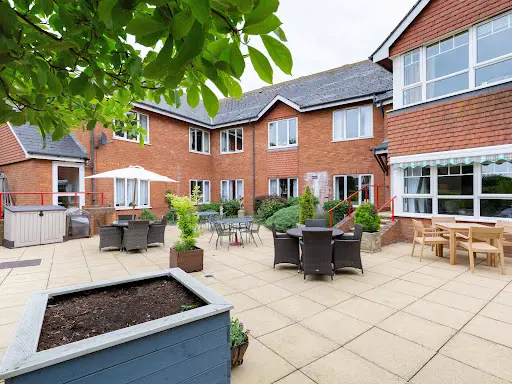
The building itself draws consistent praise — people describe it as fresh, airy and beautifully maintained. Cleanliness standards are notably high throughout. There's an onsite Bistro where residents can socialise across different floors, and the activity programme continues to grow with new offerings being added regularly.
“For families considering Hyllden Heights, visiting will give you the clearest sense of whether this bright, developing community could work for your loved one.”
DCC does not edit or curate content in this tab. For independently curated information, see The Evidence and DCC Verdict.