Ridgway Court
At a Glance
The information you need to decide whether this home warrants a closer look.
Residential homes
Staff warmth score
of reviewers answered yes
Good to know
- Registered beds16
- SpecialismsCaring for adults over 65 yrs, Dementia, Physical disabilities
- Last inspected2017-12-15
Save Ridgway Court to your shortlist
Keep a running list, add visit notes, and compare homes side-by-side. Free account — it takes a minute.
STAGE 4 — RESEARCHING CARE HOMES
Visit homes. Compare them side by side. Choose with confidence.
Most of us will view care homes the way we view houses, impression, atmosphere, the feeling in the corridor. We go home, try to remember what we saw, and make a permanent decision from a blurred memory.

The DCC shortlist gives every home you visit a structured record: the same twelve questions, answered the same way, every time. When you’re ready to choose, pull any two homes side by side and compare them directly. Same criteria, same evidence, your notes and your scores.
The Evidence
What the review data, the inspection reports, and the dementia-care evidence base tell us about this home.
What families say
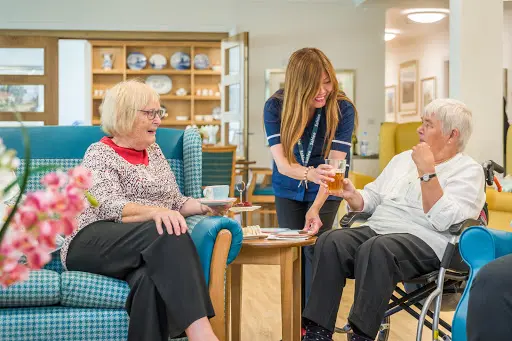
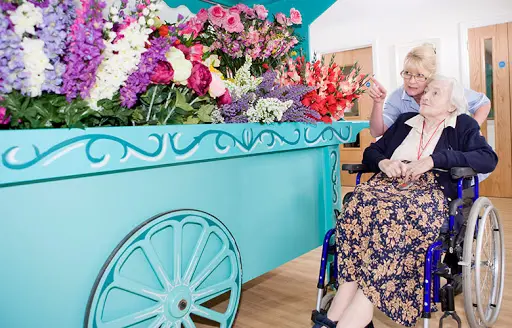
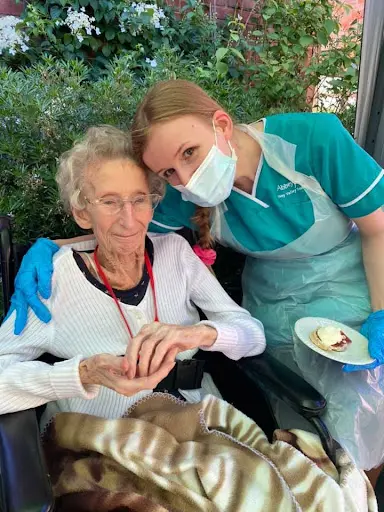
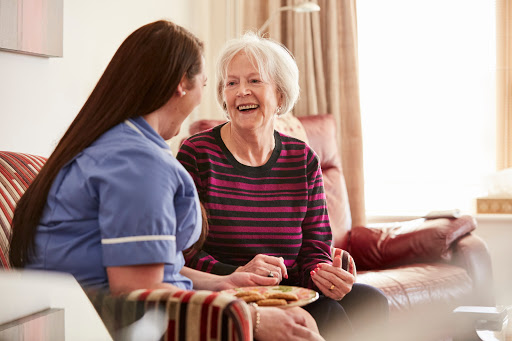
The atmosphere here strikes visitors immediately — staff are consistently friendly and welcoming, creating an environment where genuine affection flows both ways. People have observed how residents and staff share real warmth with each other, the kind of connection that makes daily life feel more comfortable and less institutional.
The eight family priority themes
- Staff warmth55
- Compassion & dignity55
- Cleanliness55
- Activities & engagement50
- Food quality50
- Healthcare50
- Management & leadership55
- Resident happiness55
What inspectors found
Inspected 2017-12-15
Is this home safe?
Is the care effective?
The Effective domain was rated Good at the December 2017 inspection, suggesting inspectors were satisfied with training, care planning, and healthcare arrangements. The home supports people living with dementia and physical disabilities, so dementia-specific training and access to specialist healthcare input are particularly relevant. Without the full inspection text, we cannot confirm what training was in place, how regularly care plans were reviewed, or how GP and specialist access was managed. A Good in this domain is a reasonable baseline, but seven years is a long time — staff teams, training programmes, and care planning systems may all have changed.Is this home caring?
The Caring domain received a Good rating at the most recent inspection, indicating that inspectors were broadly satisfied with how staff treated residents at that time. A home of 16 beds has the potential to offer very personal, unhurried care where staff genuinely know each resident as an individual. Without the inspection text, we cannot confirm specific observations about how staff spoke to residents, responded to distress, or respected privacy during personal care. For people living with dementia, the quality of individual interactions — tone of voice, physical proximity, use of a person's preferred name — matters enormously and cannot be inferred from a rating alone.Is the home responsive?
The Responsive domain was rated Good at the December 2017 inspection, suggesting inspectors found the home was meeting individual needs and providing meaningful activities. A small 16-bed home can, in principle, offer highly tailored daily life — but this depends entirely on staffing levels, the skills of the activities lead, and the culture of the home. Without the inspection text, we cannot confirm what activities were available, whether they were adapted for people living with advanced dementia, or how the home supported residents who could not join group activities. End-of-life planning — a key marker of responsiveness — also cannot be confirmed.Is the home well-led?
The Well-Led domain received a Good rating at the December 2017 inspection, indicating that leadership and governance were satisfactory at that time. For a small 16-bed home, leadership is often concentrated in one or two people — typically the registered manager — which makes management stability particularly important. If the manager who was in post in December 2017 has since left, the culture and quality of the home may have changed significantly. Without the inspection text, we cannot confirm the manager's tenure, staff turnover rates, or the quality of the home's systems for learning from incidents and acting on feedback.
Source: CQC inspection report →
What the evidence base says
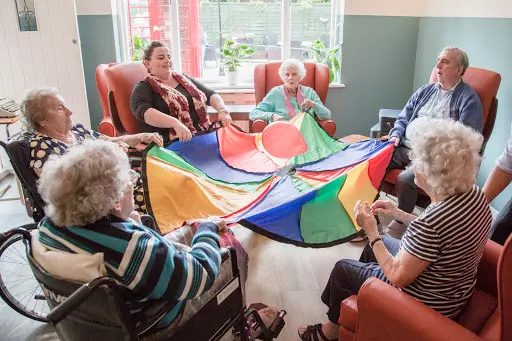
The home provides specialist care for people over 65, with particular expertise in supporting those living with dementia and physical disabilities. For those living with dementia, the team works to ensure everyone can take part in activities where possible, helping maintain connections and engagement throughout their journey. All areas worth probing directly during a visit.
The DCC Verdict
Our editorial view, built from the three lenses: what families tell us, what inspectors record, and how the home sits against good dementia-care practice.
DCC Family Score
This home holds a Good rating across all five domains from its most recent inspection, which is a positive baseline — but because the full inspection report was not available, we cannot verify the specific evidence behind that rating, so the Family Score reflects the rating alone rather than confirmed detail.
Homes in South East typically score 68–82.The three-lens summary
What families tell us
The atmosphere here strikes visitors immediately — staff are consistently friendly and welcoming, creating an environment where genuine affection flows both ways. People have observed how residents and staff share real warmth with each other, the kind of connection that makes daily life feel more comfortable and less institutional.
What inspectors have recorded
How it sits against good practice
Sometimes the most important things about a care home are the hardest to measure — but at Ridgway Court, that special quality is clear to see.
Worth a visit
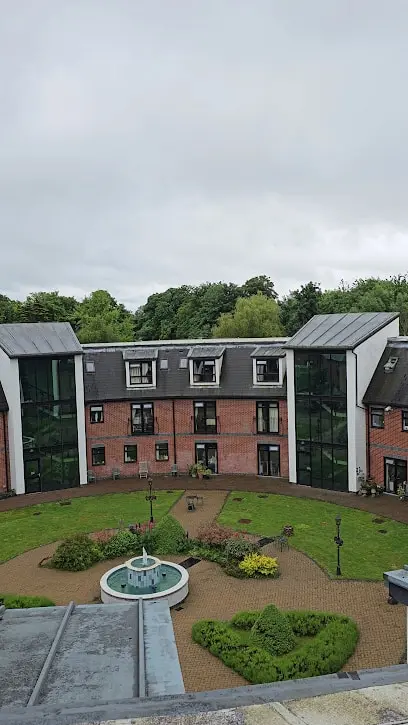
This small, 16-bed residential home in Farnham was rated Good across all five domains at its most recent official inspection in December 2017. That consistent Good rating — covering safety, effectiveness, caring, responsiveness, and leadership — is a positive signal, and a home of this size can offer the kind of close-knit, familiar environment that many families find reassuring for a parent living with dementia or a physical disability. However, the inspection is now over seven years old, and the full report text was not available to us, which means we cannot verify the specific evidence behind any of those ratings. A home can change significantly in that time — staff turnover, changes in management, shifts in occupancy, and the pressures of the post-pandemic period can all affect quality in ways an older rating does not capture. Before making a decision, ask when the current manager took up their post, request an up-to-date staffing rota including overnight cover, ask to visit at a mealtime, and look carefully at how staff interact with residents in the corridors and communal areas — not just in a formal meeting room.
The three questions to ask when you visitSave this home. Compare it against your shortlist.
Let our analysis show you how Ridgway Court measures up against the other homes you’re considering. Free account.
In Their Own Words
How Ridgway Court describes itself — collected from its own website. DCC has not edited or independently verified the content in this tab.
Where genuine warmth makes all the difference in Farnham
Ridgway Court – Your Trusted residential home
There's something reassuring about a care home where the warmth between residents and staff is obvious to everyone who walks through the door. Ridgway Court in Farnham has built a reputation for creating an environment where older adults, including those living with dementia and physical disabilities, feel genuinely welcomed and cared for. Regular visitors have noticed how staff go out of their way to ensure everyone feels included.
Who they care for
The home provides specialist care for people over 65, with particular expertise in supporting those living with dementia and physical disabilities.
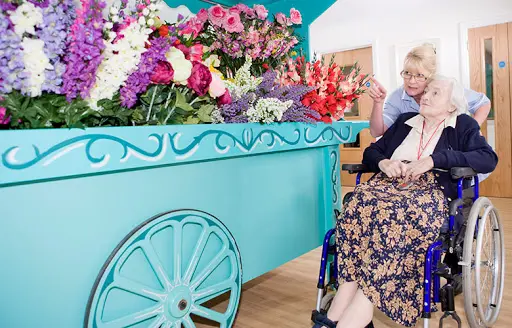
For those living with dementia, the team works to ensure everyone can take part in activities where possible, helping maintain connections and engagement throughout their journey.
“Sometimes the most important things about a care home are the hardest to measure — but at Ridgway Court, that special quality is clear to see.”
DCC does not edit or curate content in this tab. For independently curated information, see The Evidence and DCC Verdict.
The DCC Verdict
Our editorial view, built from the three lenses: what families tell us, what inspectors record, and how the home sits against good dementia-care practice.
DCC Family Score
This home holds a Good rating across all five domains from its most recent inspection, which is a positive baseline — but because the full inspection report was not available, we cannot verify the specific evidence behind that rating, so the Family Score reflects the rating alone rather than confirmed detail.
Homes in South East typically score 68–82.The three-lens summary
What families tell us
The atmosphere here strikes visitors immediately — staff are consistently friendly and welcoming, creating an environment where genuine affection flows both ways. People have observed how residents and staff share real warmth with each other, the kind of connection that makes daily life feel more comfortable and less institutional.
What inspectors have recorded
How it sits against good practice
Sometimes the most important things about a care home are the hardest to measure — but at Ridgway Court, that special quality is clear to see.
Worth a visit
This small, 16-bed residential home in Farnham was rated Good across all five domains at its most recent official inspection in December 2017. That consistent Good rating — covering safety, effectiveness, caring, responsiveness, and leadership — is a positive signal, and a home of this size can offer the kind of close-knit, familiar environment that many families find reassuring for a parent living with dementia or a physical disability. However, the inspection is now over seven years old, and the full report text was not available to us, which means we cannot verify the specific evidence behind any of those ratings. A home can change significantly in that time — staff turnover, changes in management, shifts in occupancy, and the pressures of the post-pandemic period can all affect quality in ways an older rating does not capture. Before making a decision, ask when the current manager took up their post, request an up-to-date staffing rota including overnight cover, ask to visit at a mealtime, and look carefully at how staff interact with residents in the corridors and communal areas — not just in a formal meeting room.
The three questions to ask when you visitSave this home. Compare it against your shortlist.
Let our analysis show you how Ridgway Court measures up against the other homes you’re considering. Free account.
In Their Own Words
How Ridgway Court describes itself — collected from its own website. DCC has not edited or independently verified the content in this tab.
Where genuine warmth makes all the difference in Farnham
Ridgway Court – Your Trusted residential home
There's something reassuring about a care home where the warmth between residents and staff is obvious to everyone who walks through the door. Ridgway Court in Farnham has built a reputation for creating an environment where older adults, including those living with dementia and physical disabilities, feel genuinely welcomed and cared for. Regular visitors have noticed how staff go out of their way to ensure everyone feels included.
Who they care for
The home provides specialist care for people over 65, with particular expertise in supporting those living with dementia and physical disabilities.
For those living with dementia, the team works to ensure everyone can take part in activities where possible, helping maintain connections and engagement throughout their journey.
“Sometimes the most important things about a care home are the hardest to measure — but at Ridgway Court, that special quality is clear to see.”
DCC does not edit or curate content in this tab. For independently curated information, see The Evidence and DCC Verdict.